Is Setúbal Worth Visiting? An Honest Take for a Short Break
Is Setúbal worth visiting? Yes, if you want a working fishing port, a tiled market, seafood and a hilltop fort, all within an easy short break.
On this page
Yes, Setúbal is worth visiting if you want a working Portuguese port with a compact historic centre, a market worth timing your morning around and the Arrábida hills on the doorstep. It is not a miniature Lisbon; it is a salt-and-fish town with an industrial backdrop, and that contrast is the point. This guide sets out what the town does well, where it falls short, how many days it needs and how to plan your time.
The short answer
Setúbal suits travellers who prefer a real city at work over a museum-piece old town. You get a busy fishing harbour, a covered market decorated with azulejos, a star-shaped fort above the town and a short hop to the Serra da Arrábida. If you only have an afternoon, the Setúbal Old Town is small enough to see on foot. The trade-off is a sight list that will not fill a week: the old town is compact, and modern high-rises and shopping centres dominate much of the cityscape around it.
If you are weighing it against Lisbon or Porto, think of Setúbal as a one- or two-day addition rather than a rival. The city has been a major industrial and fishing centre, and its most rewarding corners are concentrated near the water. Plan around food, the fort and the hills, and you will come away satisfied rather than underwhelmed.
What Setúbal gives you that Lisbon and Porto do not
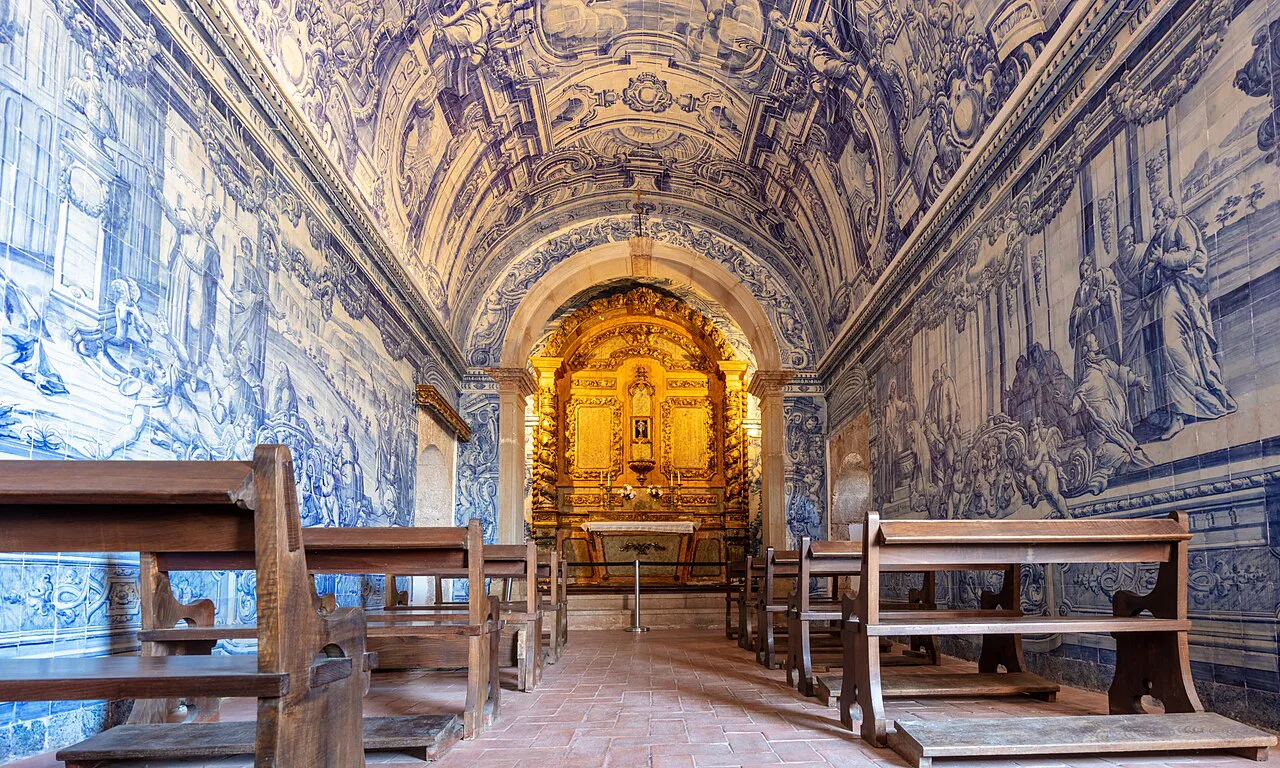
Setúbal is one of Portugal's largest cities and an important industrial market, with salt and fish the traditional trades tied to its position on the northern bank of the Sado estuary. That working character shows in the harbour, where the fish port has one of the country's biggest fleets and is busiest in the morning.
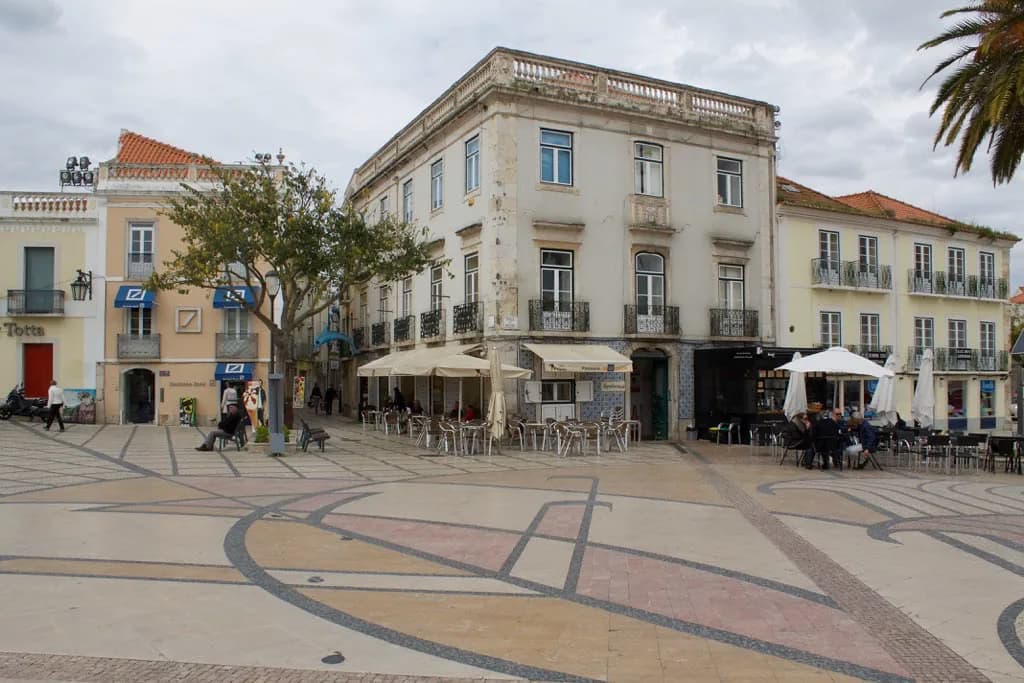
The payoff for visitors is immediacy. The historic centre, Cidade Antiga, sits at the back of Praça da República next to the harbour, and most sights are within easy walking distance of the pedestrianised core. The bus station is roughly 150 metres north of the centre and the main train station around 700 metres north, so you can arrive and be among the old streets quickly.
The old town: Praça da República, Avenida Luísa Todi and the back streets
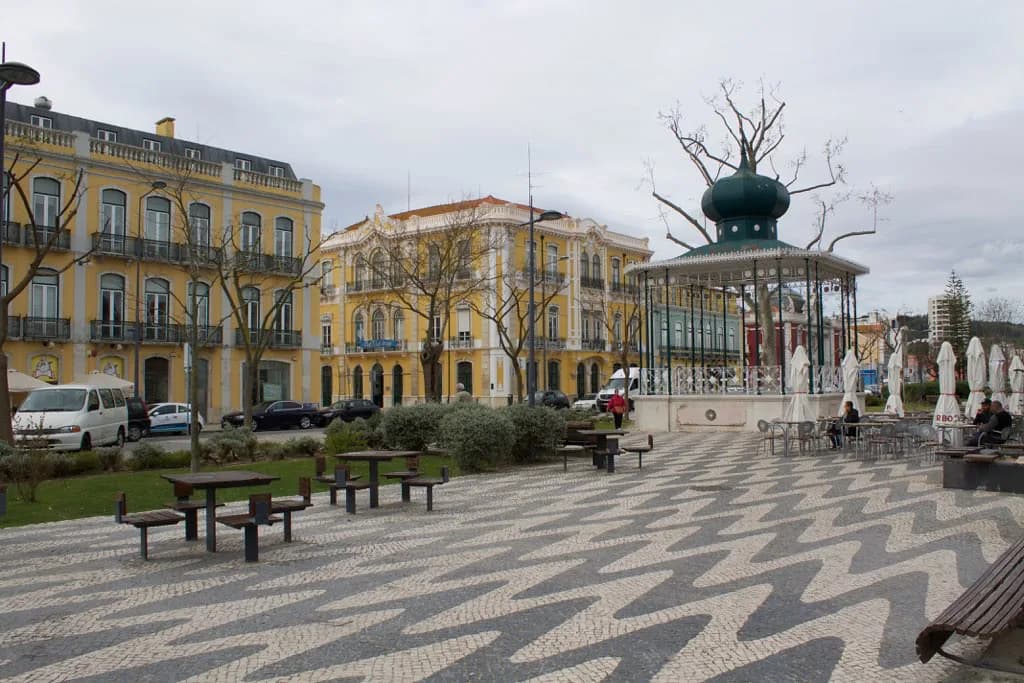
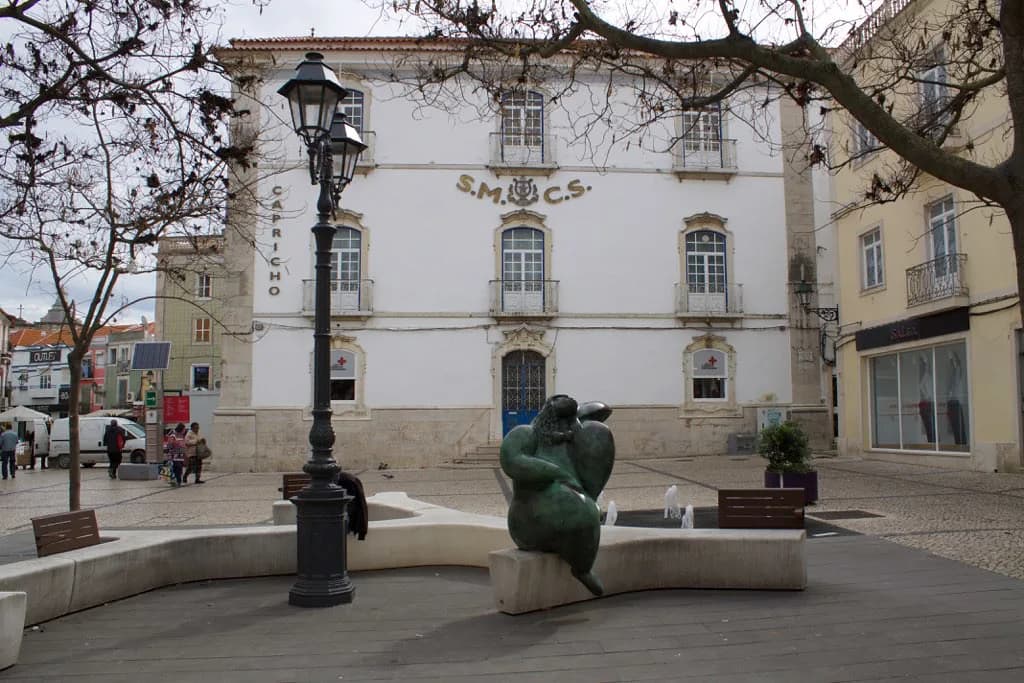
Start at Praça da República and cross the busy Avenida Luísa Todi into the old town behind it. That avenue is the city's main spine, lined with traditional buildings, old mansions and museums, while the streets beyond hold small squares, courtyards and traditional shops. Stroll Rua Álvaro Castelões or along Avenida Luísa Todi to get your bearings before diving into the lanes, and use our Things to Do in Setúbal guide to line up the rest of the day.
Allow half a morning for the centre rather than a whole day. The old town is compact and best treated as a wander between the market, the harbour and the churches, with coffee stops in between. Save the fort for later, when the light over the estuary is better and the climb feels worth it.
Mercado do Livramento: the tiled market worth timing your morning around
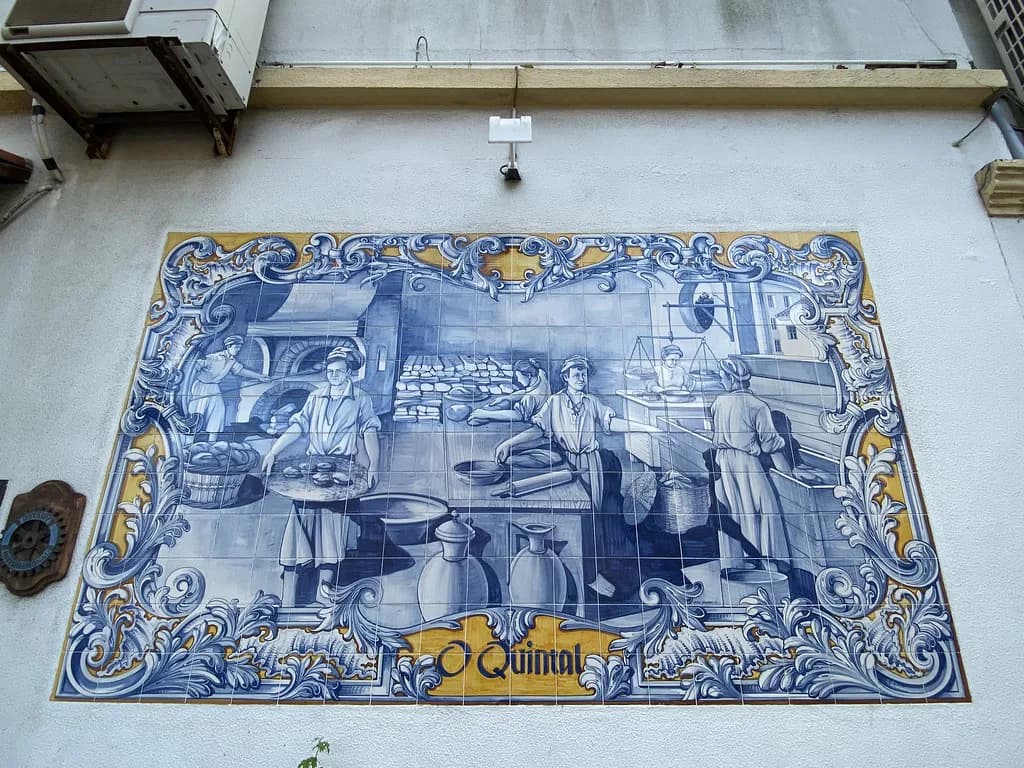
The Mercado do Livramento is the reason to be up early. It is often considered the best market in Portugal for fish and fresh produce, and its walls carry azulejo panels that tell the story of Setúbal. Go at its busiest morning hours, when the stalls are loaded and the fish trade is in full swing, rather than late in the day.
Beyond fish you will find local handicrafts and displays of fruit and vegetables, which makes the market a good place to pick up edible souvenirs. Pair it with a walk past the fishing docks afterwards, since the two sit close together and tell the same story about the town's economy.
The fishing port and Doca dos Pescadores
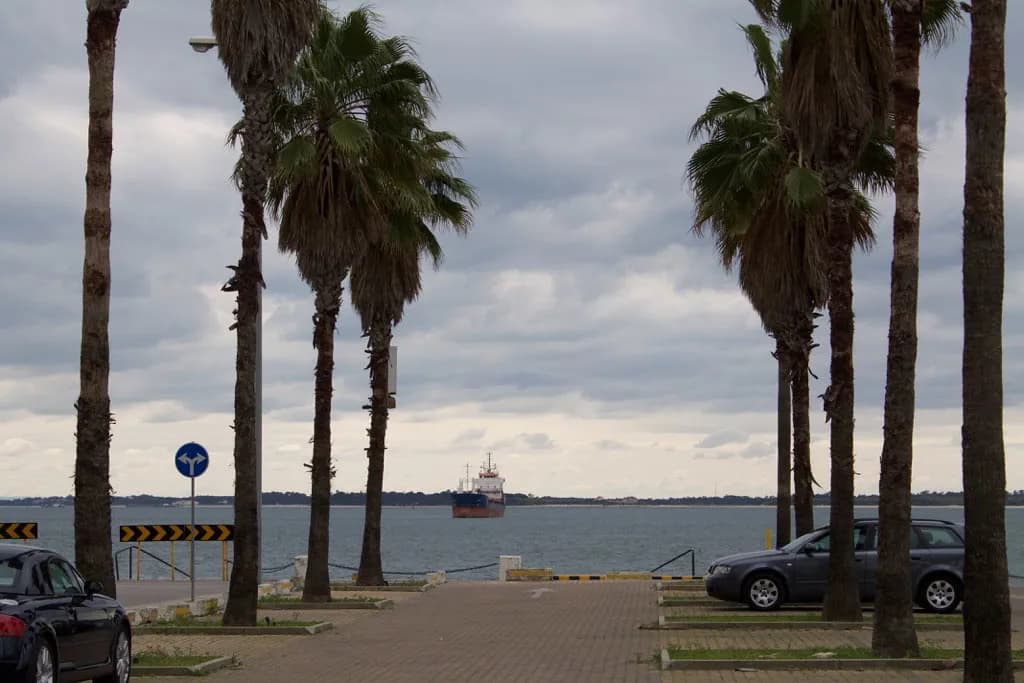
The Doca dos Pescadores is lined with small colourful wooden boats and fish restaurants, and it is the most photogenic spot in the city at sunset. Early in the morning the first boats come in, and the port remains one of the busiest in Portugal, so the docks are a working scene rather than a display.
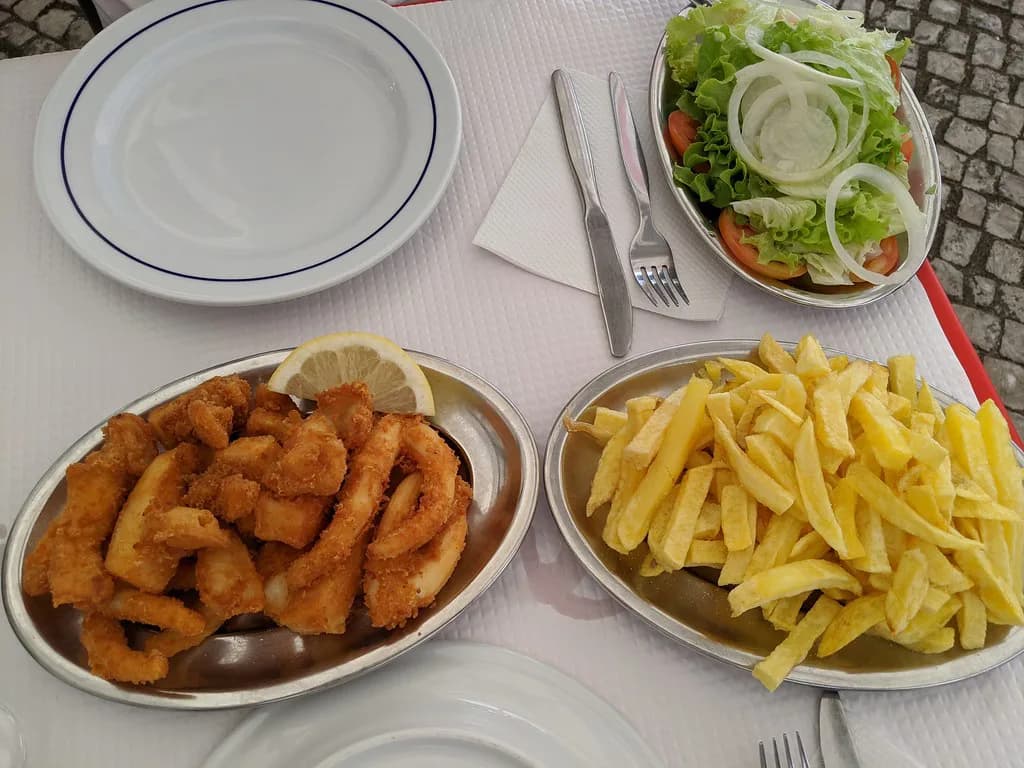
This is where choco frito matters. Fried cuttlefish is the local speciality, and ordering it here, close to the boats that landed it, is the single best food decision you will make in Setúbal. Sit down for a plate of sardines or shellfish instead and you will still eat well, but you will have skipped the dish the town is known for.
Fortaleza de São Filipe: the view that justifies the climb
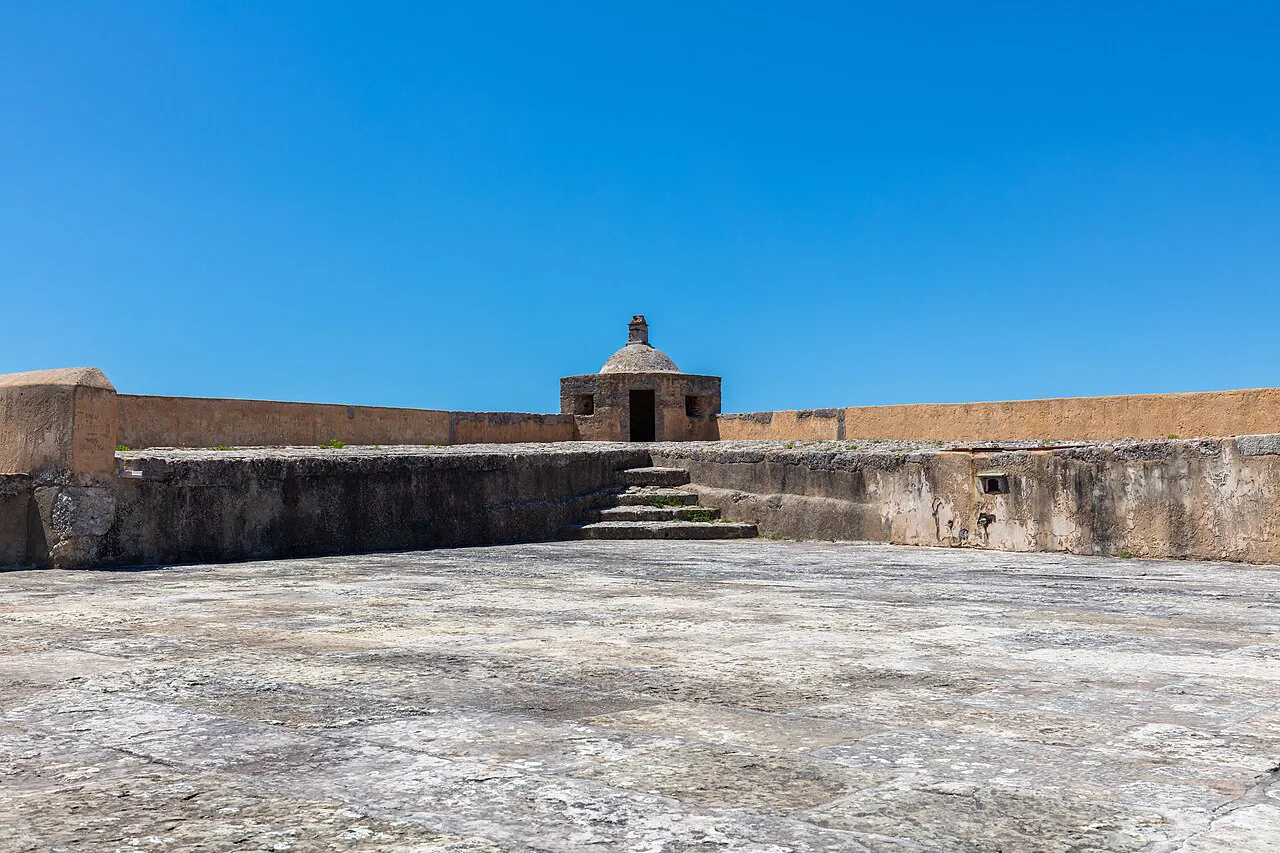
The Fortaleza de São Filipe was built in the sixteenth century under King Dom Filipe I to defend the Sado estuary from pirates and North African raiders. Its star-shaped ramparts sit above the city and give a sweeping view over Setúbal, the estuary and the Tróia peninsula beyond.
On the ramparts there is a café with one of the best outlooks in the city, and a glass of Setúbal Moscatel while looking out at Tróia is a fair reward for the walk up. Give the fort an hour, more if you linger over the view. Treat it as the natural end point of a day's wandering rather than a morning stop.
Convento de Arrábida and the Serra da Arrábida
The Convento da Arrábida sits hidden in the pine-covered hills of the Serra da Arrábida, founded in 1542 by the Castilian monk Friar Martinho de Santa Maria. It spreads over some 25 hectares and includes several buildings, sanctuaries and woods overlooking the Setúbal peninsula. It is now held by the Fundação Oriente and open for guided tours from Wednesday to Sunday, so build your day around that window.
This is a separate half-day from the city, not a stroll from the old town, and the trip needs a car or a tour. The compensation is the landscape: wooded hills dropping to the coast and the beaches of Figueirinha and Portinho da Arrábida, which are sheltered enough for young children. The weather in Setúbal is mild all year round, so this is a plan that works outside high summer too.
Where Setúbal falls short
The honest downside is the setting. Beyond the historic core the cityscape is shaped by modern neighbourhoods, high-rises and shopping centres, and the industrial economy is part of the skyline. If you are imagining an Alentejo hill town of whitewashed lanes, Setúbal will not deliver that.
The sight list is also short and concentrated. There is no sprawling museum quarter to absorb a rainy afternoon, and the best of the city fits into a day of walking. What saves it is the combination with the Arrábida hills and the water, which turns a slim city break into something more varied.
Who will love it and who should pick elsewhere
Come here if you care about food, working harbours and small-scale streets more than grand architecture. Photographers, seafood eaters and travellers who have already done Lisbon will find plenty to enjoy, and the easy rail and bus links make it a simple addition to a longer trip.
Look elsewhere if you want a full week of monuments or a polished tourist centre. Sesimbra and the Tróia peninsula are nearby alternatives if you want coast, while Lisbon and Porto hold the big-ticket sights. Setúbal works best as a short break with low expectations and a good appetite.
How many days Setúbal needs
One day covers the old town, the market in the morning, the fishing docks and the fort in the afternoon. That is enough to see the city's best assets and eat well in the evening. Two days lets you add the Convento da Arrábida and the hills, which is the part that makes the trip memorable.
Three days is generous, and beyond that you are using Setúbal as a base rather than a destination. The ferry to Tróia is a short crossing and makes a pleasant excursion if you want a beach hour, though the town's own waterfront is not a beach destination.
Getting there and getting around on foot
Setúbal is roughly a 45-minute drive south of Lisbon, and the train connection to the capital dates from 1900. Once you arrive, most of what you want is walkable: the centre is pedestrianised, the bus station is about 150 metres north and the main train station around 700 metres north.
Bring comfortable shoes for the calçada and leave the car unless you are heading for the hills or Tróia. Dolphin watching on the Sado estuary is a popular way to spend a couple of hours on the water if the weather is fine, and boats leave from the Setúbal side.
Where to eat: Xtória, Casa Santiago and Tasca do Zé Maria
Xtória on Rua Guilherme Gomes Fernandes builds its menu around local products and seasonality, changing it every few months, which makes it the choice for a modern take on the region. Casa Santiago on Avenida Luísa Todi credits itself with creating choco frito in 1974 and serves it in thin strips fried with pork bacon, best eaten on bread.
Tasca do Zé Maria is the no-frills option, with the menu chalked on a board and a reputation for shellfish, including its speciality of fried cuttlefish eggs. Follow your appetite after the market; the docks are lined with fish restaurants serving sardines and fresh seafood.
Is Setúbal worth the stop on your Portugal trip?
Setúbal earns its place on a short Portugal itinerary as a one- or two-day stop built around the market, the harbour, the fort and the Arrábida hills. It will not carry a week, and its industrial edges are real, but the food and the landscape make it a satisfying counterweight to Lisbon.
Go for a full day at minimum: rise early for the Mercado do Livramento, climb to São Filipe in the afternoon and eat choco frito by the water. Add a second day for the Convento and the hills, and check the guided tour days before you travel.
Explore more Setúbal guides
Sources
Notes for your next Portuguese break
Optional updates to our town guides.
You might also like
Continue reading
More guides you'll find useful