Is Sagres Worth Visiting? An Honest Answer for a Short Break
Yes, Sagres is worth visiting for Atlantic cliffs, a clifftop fortress, surf beaches and sunsets. Here is who it suits, what to see and how long to stay.
On this page
Yes, Sagres is worth visiting if you want Atlantic cliffs, a wind-scoured fortress, surf beaches and sunsets rather than a town of museums and monuments. It is the most south-western village in the Algarve and in Europe, and most travellers come for exactly two things: surf and seafood. This guide covers what the town does well, which sights deserve your time, who should skip it, and how to fit it into a one to four day west Algarve break.
Plan Sagres as a stop rather than a stand-alone destination. The village sits at the end of the N268, a road lined with surf schools and fish restaurants, and it works best as a quiet base for the western coast between Lagos and Vila do Bispo.
Is Sagres worth visiting? The short answer
Sagres suits travellers who want scenery and salt air, not galleries. The village is small, restaurants are affordable by Algarve standards, and most beaches sit within walking distance of the centre.
It does not suit everyone. There is no museum quarter to fill a rainy afternoon, and the wind that draws surfers can make sunbathing uncomfortable on exposed sand. If your short break needs a dense list of churches, tiled interiors and old-town lanes, spend your days elsewhere and give Sagres half a day at most.
The honest verdict is a firm yes for one day, a comfortable yes for two days if you surf or walk, and a poor fit for three or more days unless you treat it as a base for exploring the whole western Algarve.
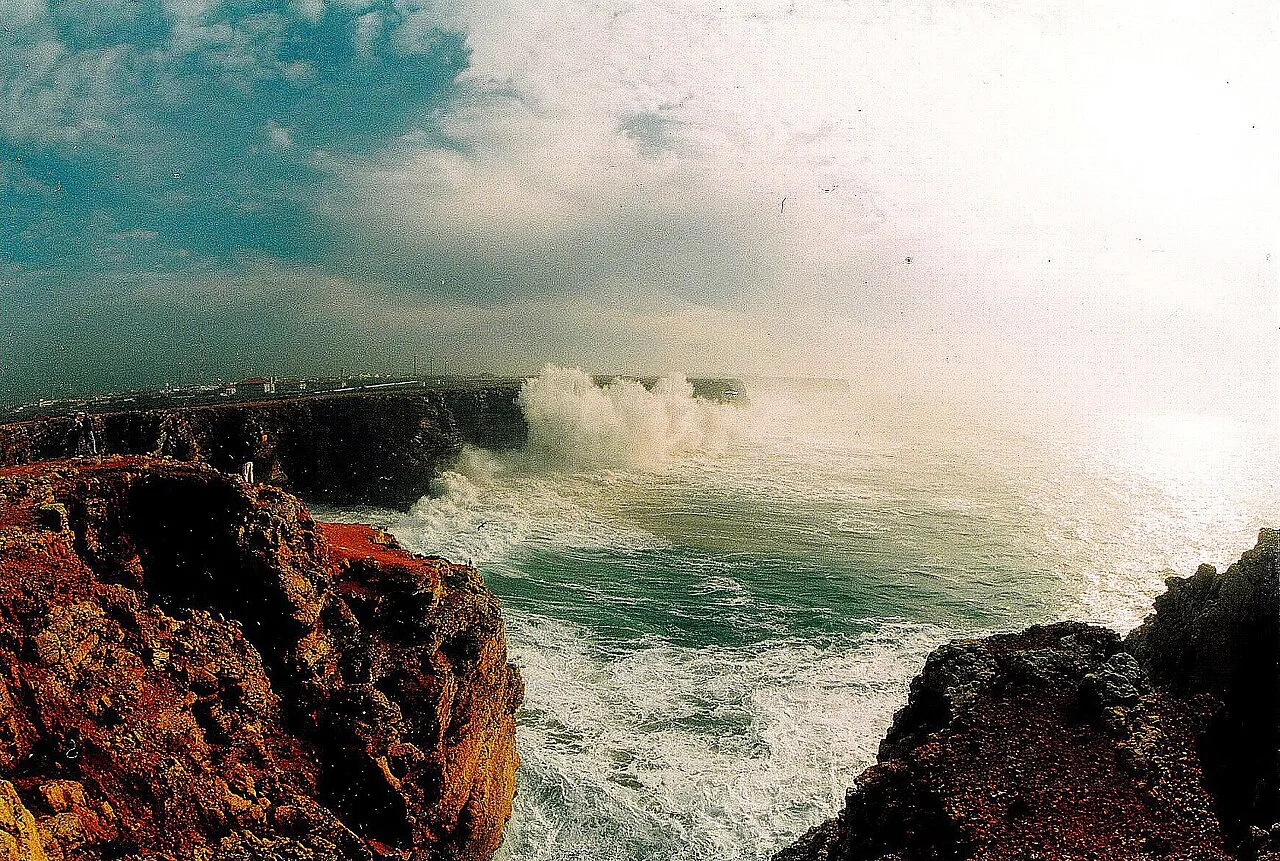
What Sagres does well: cliffs, fortress and Atlantic sunsets
Sagres feels like the end of the world, in the best sense: a quiet corner of a busy region where the main evening entertainment is watching the sun drop into the Atlantic. Most visitors come to relax or surf, and the town's rhythm follows the waves and the light rather than opening hours.
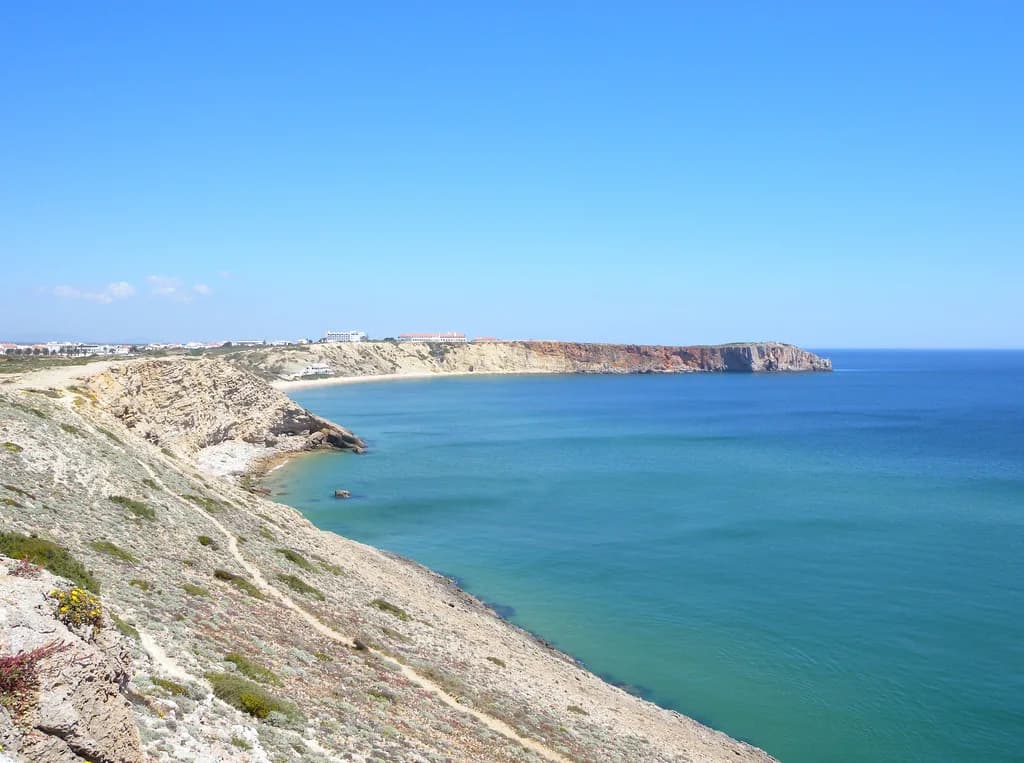
The strongest experiences are landscape-led. You walk out to cliff edges, look down on beaches wedged between rock walls, and eat fish afterwards. That is the whole appeal, and it is enough for a short break.
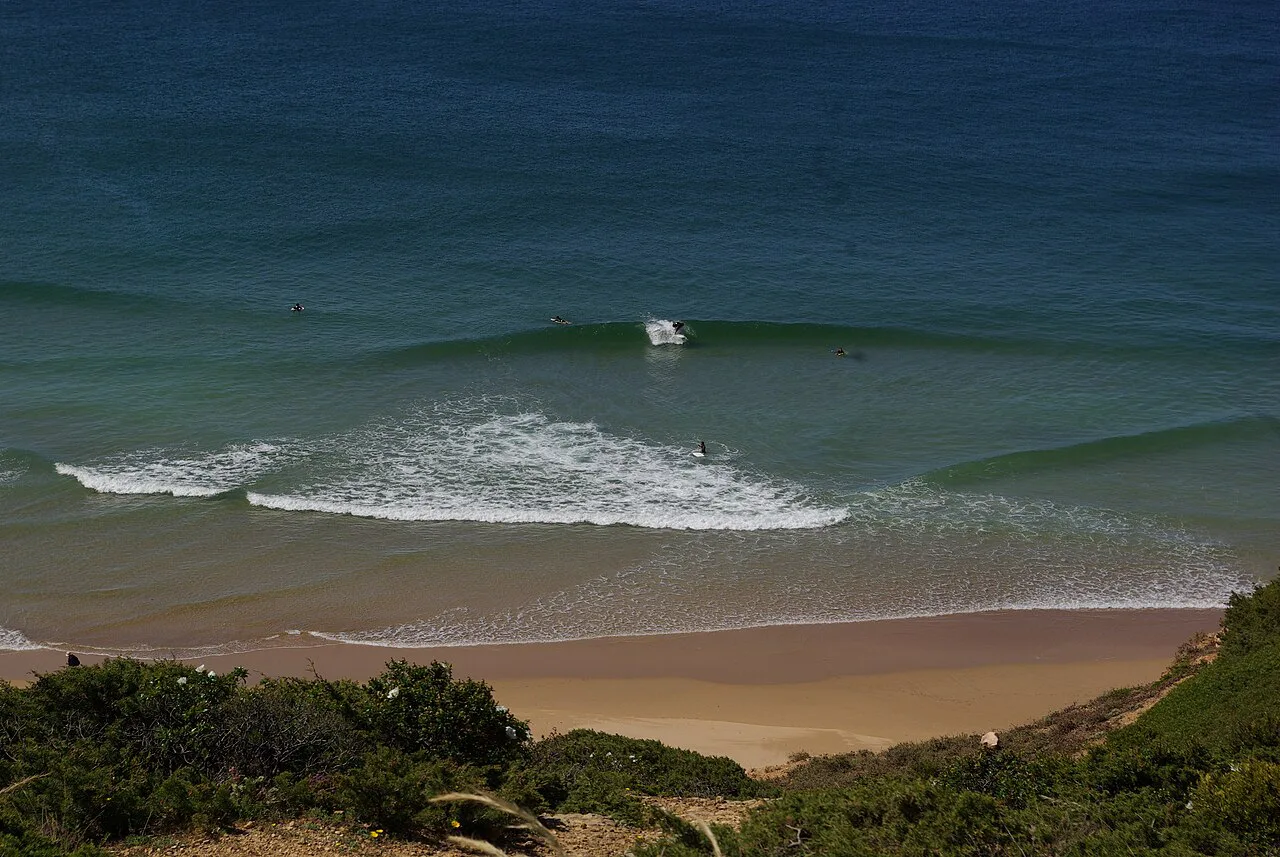
The two big sights: Fortaleza de Sagres and Cabo de São Vicente
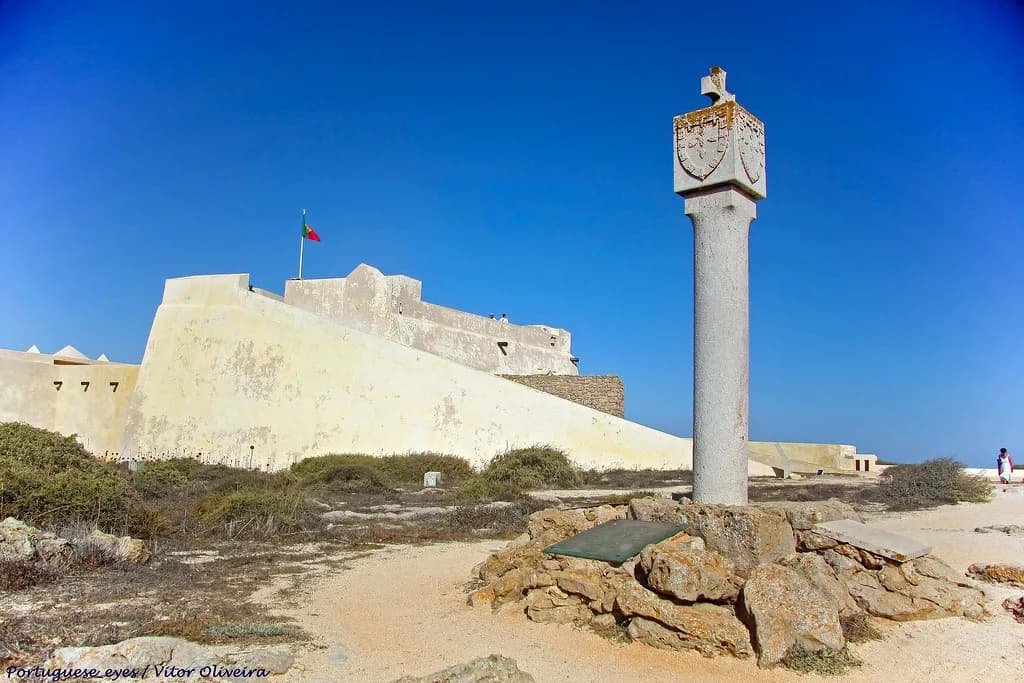
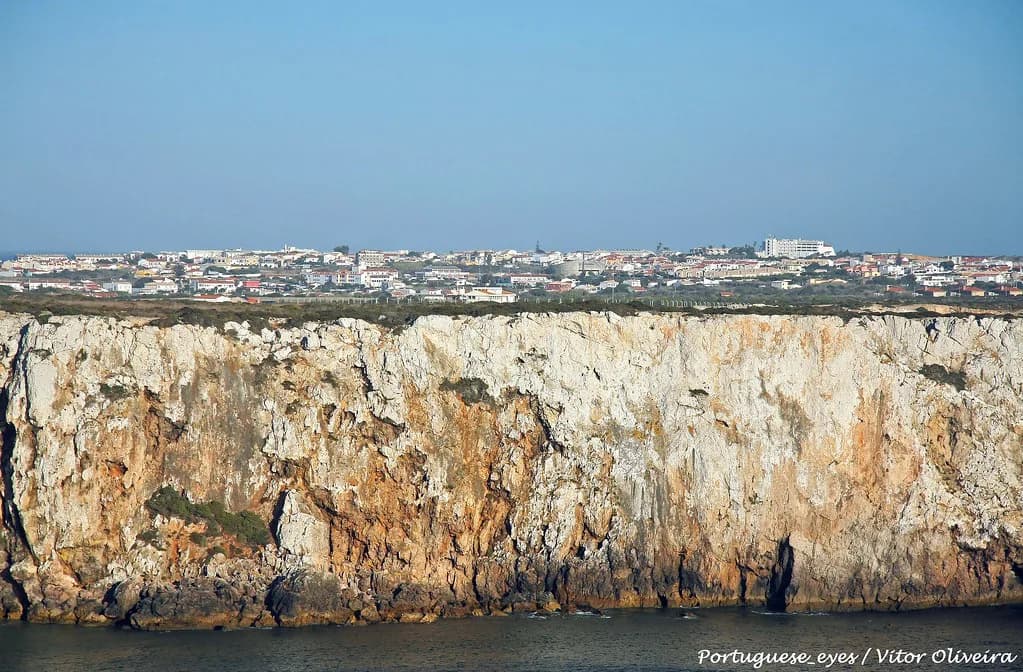
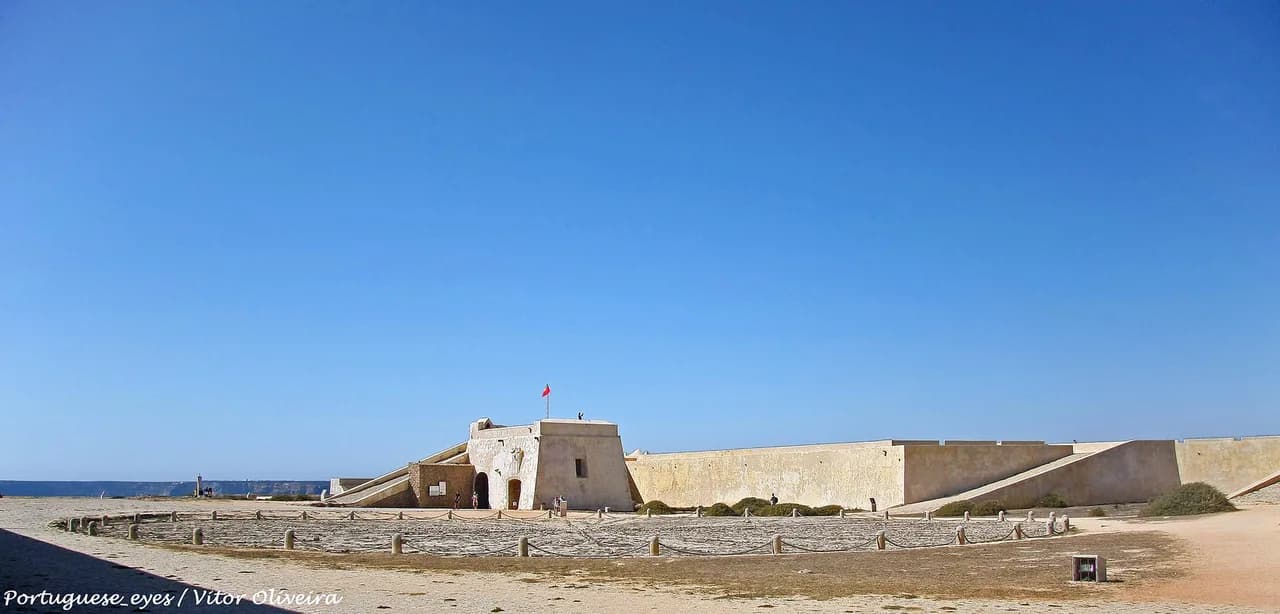
The Fortaleza de Sagres is the headline sight: a fortified wall and three impressive cliffs at the end of the road into the village, offering defence turned viewpoint. It is a popular stop for a romantic sunset, so arrive late in the day if you want the light rather than the crowds.
Cabo de São Vicente is the other must-see, the south-western cape where the coast falls away and the horizon opens. Pair the two in a single afternoon: the fortress first, the cape for the sunset. Together with the cliffs and beaches, they fill a whole day in and around the village.
Opening times and admission for the fortress change through the year, and tickets are sold on site, so confirm the current details with the official monument before you set out.
The beaches: Praia do Tonel for surf, Praia do Martinhal for swimming
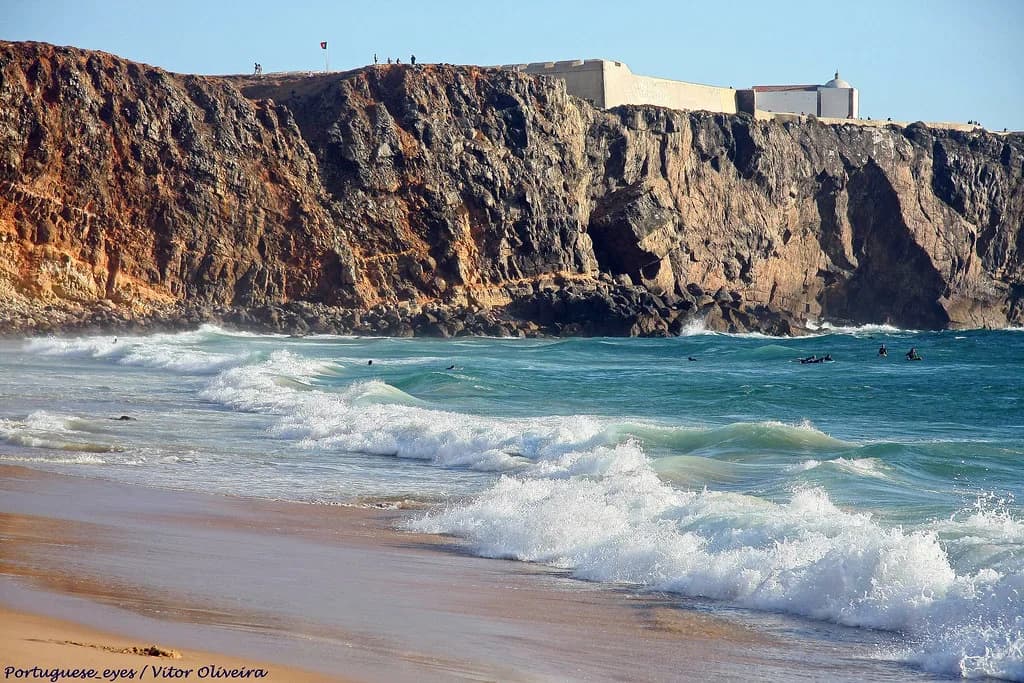
Praia do Tonel is the surf beach, a broad curve backed by cliffs that draws boarders when the south coast goes flat. Praia do Beliche is the other surf option nearby, reached by a long flight of steps, so the climb back up is part of the decision.
For sunbathing and floating rather than riding waves, head to Praia do Martinhal, which the town's own guide recommends for calmer swimming. Winds here are strong enough that surfing is a defining activity, so pick your beach by what you actually want to do that day.
Further out, Ponta da Atalaia and Praia do Ingrina add more cliff scenery and quieter sand for anyone with a car. Beginners should book a lesson rather than guess at conditions, since the Atlantic here is exposed and the swell is not a beginner's playground on every day.
Getting around: a small town where most beaches are within walking distance
Sagres is compact, and several beaches and the fortress are walkable from the centre, which removes the need for a car on a short stay. The far beaches, the cape and the wider coast are easier with wheels, whether your own or a taxi.
Most visitors reach the Algarve through Faro airport and then drive or take a bus west, and the final leg along the N268 delivers you straight into the village's surf-school strip. If you are coming without a car, sort the transfer before you arrive.
Who will love Sagres — and who will not
Surfers, walkers, couples chasing sunsets and anyone who prefers a quiet village to a resort will settle in happily. Hostels and guesthouses make it an easy base for lessons, and the town stays low-key even in season.
Travellers who want a full sightseeing schedule, reliable beach weather or evening variety will find Sagres thin. It is exposed, it is small, and its pleasures are outdoor and weather-dependent. Treat that as the trade-off: you swap choice for space and quiet.
How many days Sagres needs within a one to four day break
One full day covers the essentials: the fortress, the cape and a beach, with a long lunch in between. Two days let you add surf lessons, a second beach and a slower sunset, which is the pace the town rewards.
On a three or four day west Algarve trip, give Sagres one or two nights and use the remaining days for Lagos, Vila do Bispo and the coast road. Sagres is a place to slow down at the end of a trip, not to rush through at the start.
Where Sagres fits on a west Algarve itinerary
The natural route runs west from Lagos along the coast to Sagres, then loops back through Vila do Bispo. Sagres makes a strong final stop before you return east or head to Faro for the flight home.
If you are in the Algarve for markets and inland towns, plan market days around the wider region rather than Sagres itself. The Sagres Market guide covers what, if anything, is scheduled here before you commit a morning.
Should Sagres make your short break?
Include Sagres if you want cliffs, a fortress, a famous cape and surf beaches in a quiet village, and give it one full day or a two-night stay. Skip it or shorten it if your ideal break is museums, churches and a busy old town, because Sagres offers scenery instead.
The one thing to settle before booking is transport: with a car you can add the cape and the outlying beaches easily, while on foot you will lean on the walkable centre. Decide that, and Sagres is one of the easiest yeses on the west Algarve coast.
Explore more Sagres guides
Frequently Asked Questions
Is Sagres good for beginner surfers?
Sagres is known for surf, and its schools take beginners, but the Atlantic here is exposed and conditions vary day to day. Book a lesson with a local school so an instructor can judge the waves and match you to a suitable beach; do not treat the town as a guaranteed easy paddle.
Do you need a car to visit Sagres?
No for the village itself, because the centre, the fortress and several beaches are within walking distance. A car helps for Cabo de São Vicente and the outlying beaches, and most visitors arrive by road from Faro or Lagos.
Sources
Notes for your next Portuguese break
Optional updates to our town guides.
You might also like

Continue reading
More guides you'll find useful