Setúbal Castle: Forte de São Filipe and the City's Walls
Setúbal's castle is the Forte de São Filipe, a star-shaped clifftop fortress with a tiled chapel and Sado Bay views. Here's what a visit covers and when it opens.
On this page
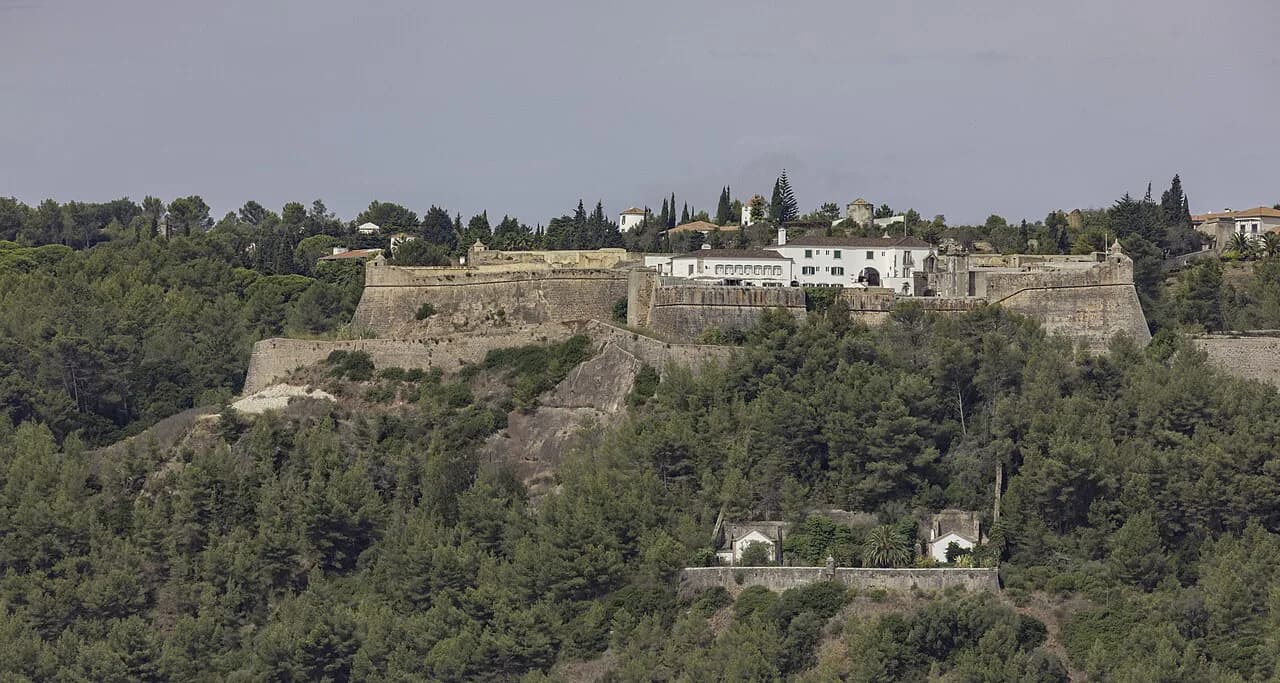
Setúbal's castle is the Forte de São Filipe, a clifftop fortress above the Sado estuary rather than a medieval keep with a tower and drawbridge. Come for the panorama, the star-shaped ramparts and the tiled chapel, and give it around an hour of a half-day rather than a whole morning. This guide covers what survives on the hill, the interior worth seeking out, published opening times, the walk up and what to pair with it.
The fort sits high enough that the climb is the main cost, so plan it as one block of a day rather than a quick stop between two sights. Pair it with the waterfront below, where the rest of the Things to Do in Setúbal are strung along the bay.
What Setúbal's castle actually is
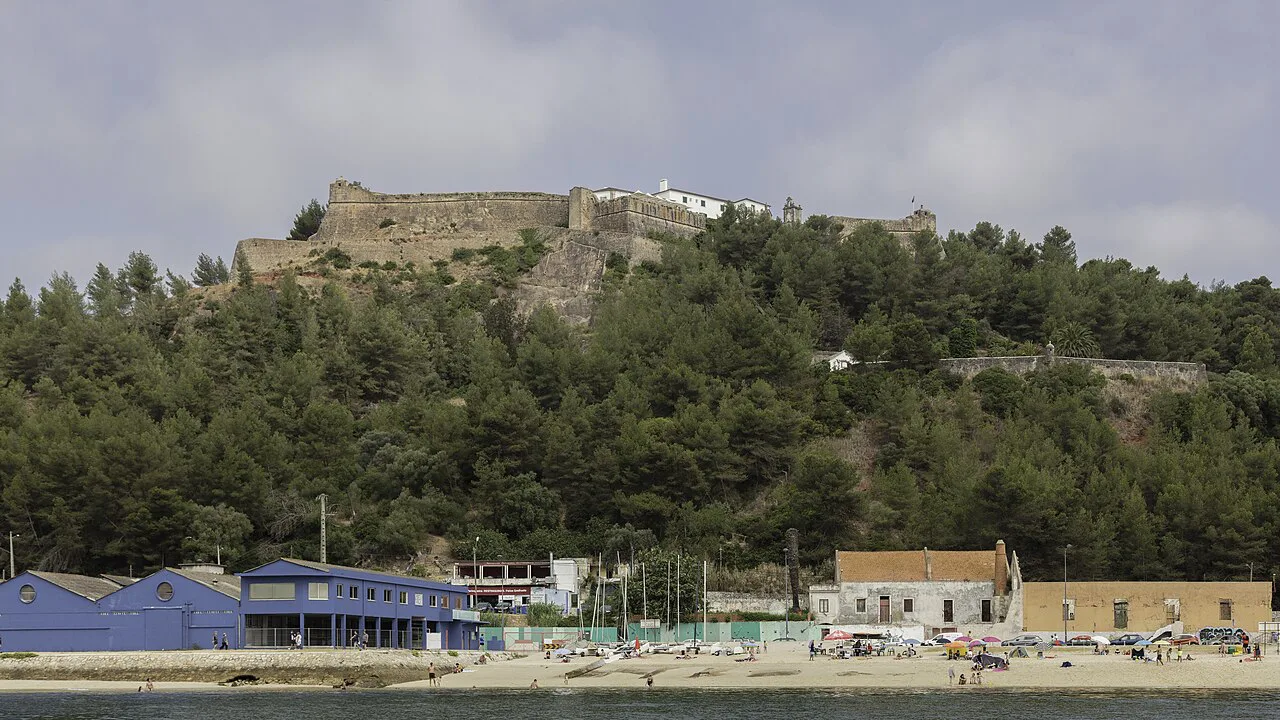
The Forte de São Filipe is a defensive bastion built to command the sea approach to Setúbal, laid out on an irregular polygonal plan in the shape of a six-pointed star with six bastions. A second walled line protects the northern side, a scheme close to that of St Elmo's Castle in Naples. Nothing about the place reads as a royal residence: the interest is in the engineering, the chapel and the ground it stands on.
The name does the misleading. Locals and listings call it a castle, and it is often referred to as the São Filipe Castle or Fortress, but the structure you walk around is artillery architecture from the late sixteenth century, with steep slopes doing as much defensive work as the masonry. Expect ramps, parapets and open ground rather than halls and staircases.
Why Philip II ordered it in 1582
The fort was built in 1582 during King Philip II's visit to Setúbal, ordered by the Spanish monarch to reinforce a Portuguese coast that was frequently raided from northern Europe and Africa. For years the design was attributed to Philip Terzi, but the fortress was actually designed by Captain Fratino in 1583. Keep both names in mind when you read local panels, which may still repeat the older attribution.
That context explains the position. The site overlooks the sea on a steep slope, so the guns covered the water while the town sat behind the hill. It is the reason the view and the defences are the same experience: you are standing where the estuary was watched.
The view over the Sado
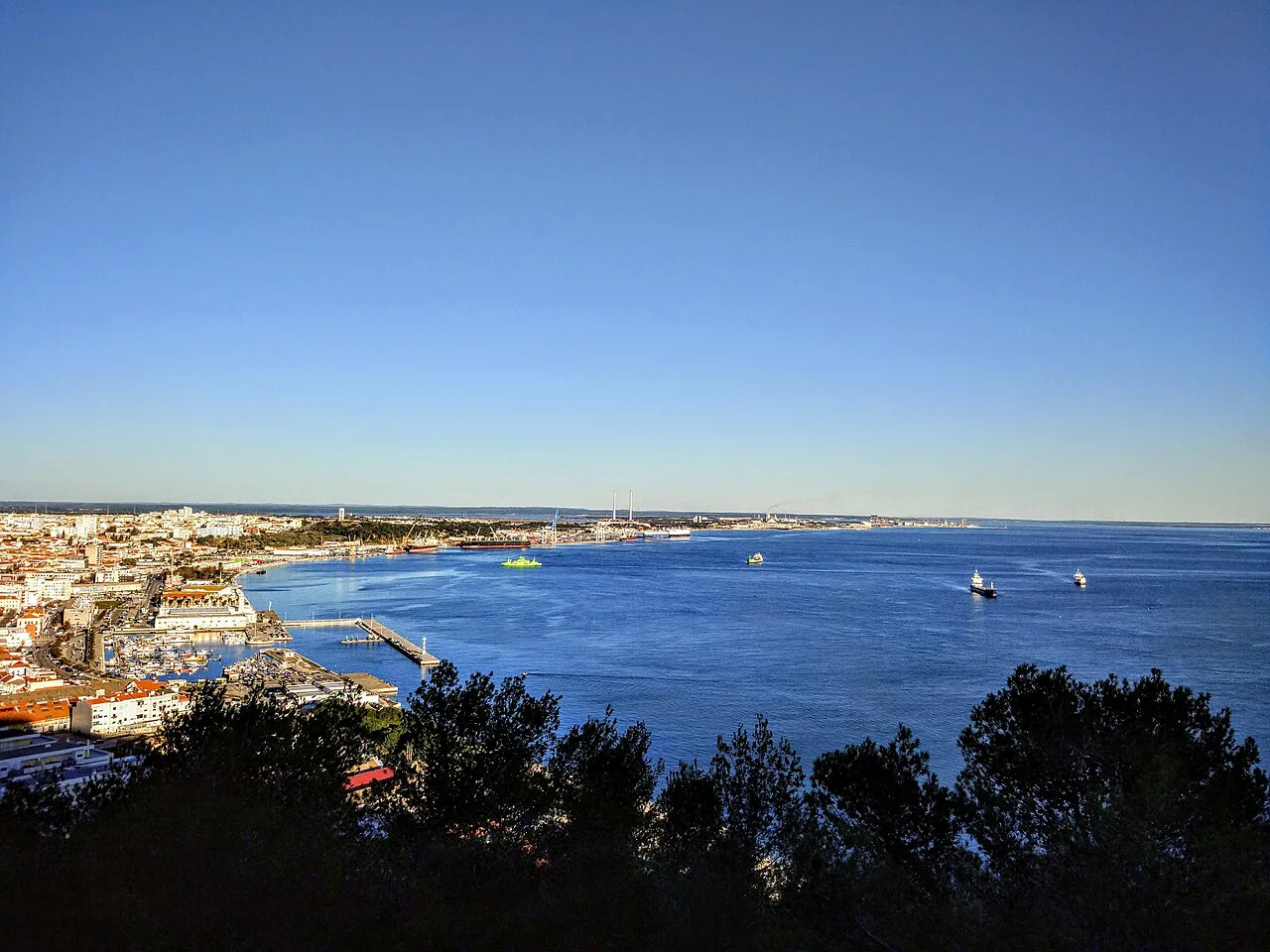
The panorama is the reason most visitors climb, taking in the city, the Sado Bay and the low country across the water. On clear days the estuary reads as a wide silver plate, with the town's rooftops and the ridge behind it framing the shot. Bring a moment for it rather than photographing and leaving.
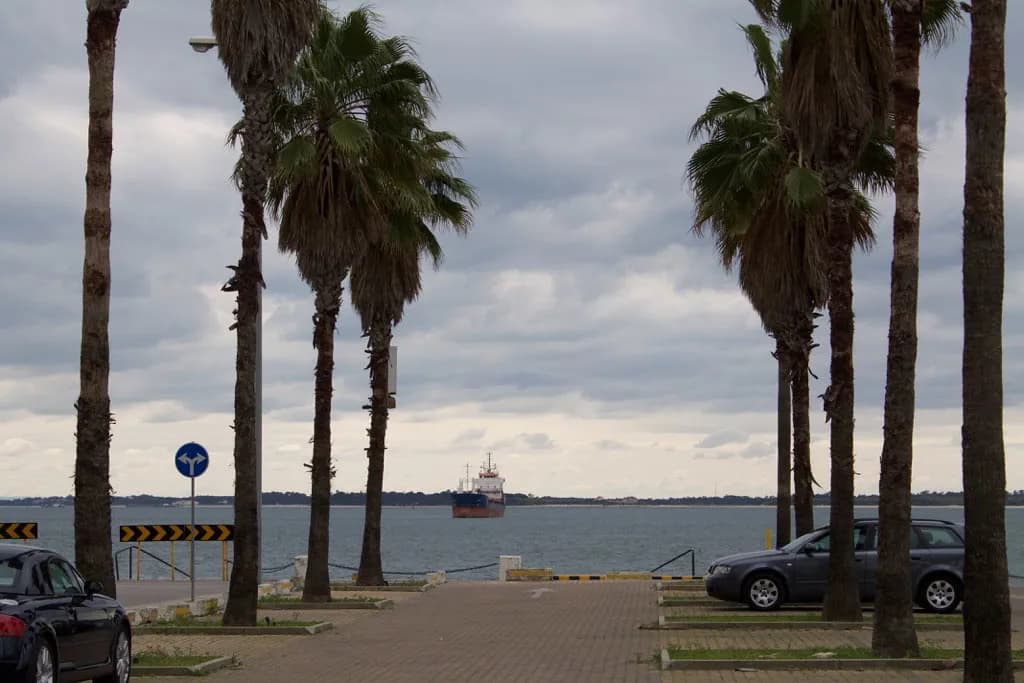
If you are collecting viewpoints, this is the big one, but the town has smaller terraces closer to the water. The best miradouros in Setúbal sit lower and cost nothing, so treat the fort as the wide view and the town's own terraces as the close-up ones.
Inside the walls: the Capela de São João Vianney
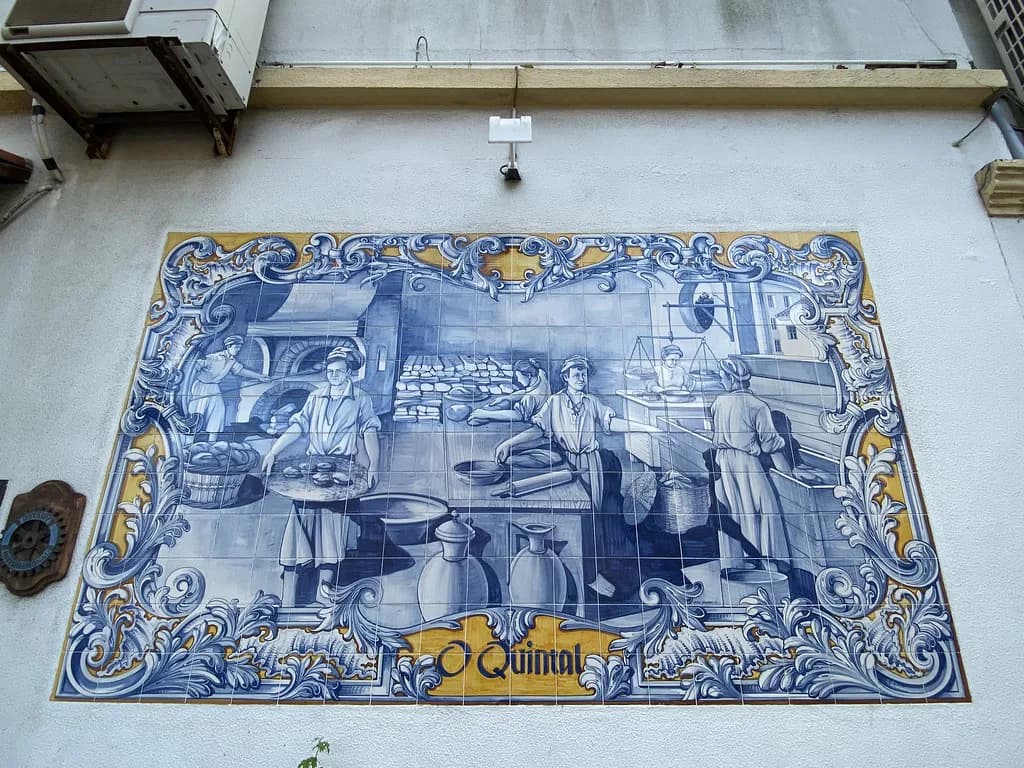
The interior highlight is a small rectangular chapel in the style of Saint John Vianney, its walls and vault entirely covered in richly detailed tiles, many narrating the life of Saint Philip. On the vault an intense royal coat of arms sits in a Baroque composition. It is a compact space, so give it ten minutes of close looking rather than a glance through the door.
Look for the chancel, discreet but with a gilded altarpiece, and the panels of Marian themes dated 1736 and signed by the master Policarpo de Oliveira Bernardes. Those signed panels are the pieces to slow down for, and the reason the fort rewards more than the view alone. If azulejos are your interest, the town has plenty more of them.
Opening days and hours
VisitSetúbal publishes the fort as open Tuesday to Sunday, 8:00 to 20:00, with the on-site cafeteria listed from 10:00 to midnight. Those are the published times, so check them again for the days you are in town, particularly if your break falls around a public holiday. The cafeteria window is a listed service, not a guarantee that it is running whenever the fort is.
No entry price for the fort appears in the published information, so budget for a possible charge and confirm at the gate or before you climb. Do not assume it is free just because no price is advertised. If cost matters, build the fort into a morning that also takes in free sights.
How long to allow and how to get up there
Allow around an hour on the hill: twenty minutes for the ramparts and view, fifteen for the chapel, the rest for the walk between them and a pause. The fort sits on the Estrada do Castelo de São Filipe, reached by a climbing road from the town side. The ascent is the trade-off, so wear shoes that cope with cobbles and gradients.
Follow the road up from the centre rather than improvising through stairways, and treat the climb as a small outing in itself. The waterfront and Setúbal Old Town sit below, which makes the fort a natural first or last stop of a walk rather than a mid-morning detour. A Setúbal walking tour can help you link the two on foot if you would rather not plan the route.
What to pair with it nearby
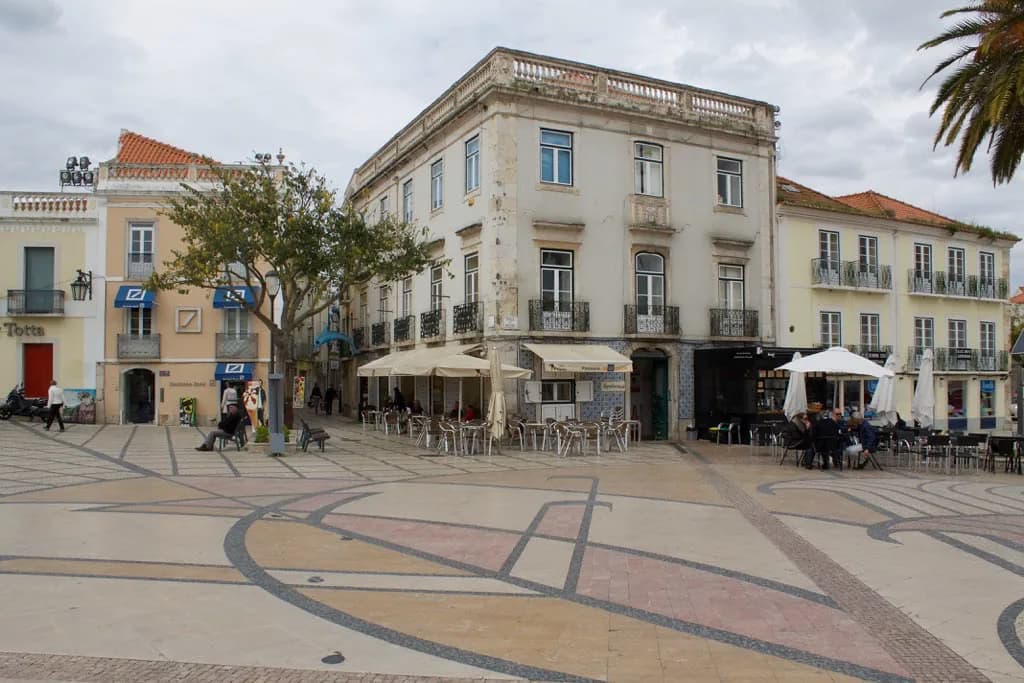
Come down from the fort into the centre and the day fills easily. Praça do Bocage and the grid of streets behind the waterfront make a natural next leg, with the market and the town's church interiors on the way. Keep the plan loose enough to absorb a closed door or a slow lunch.
If you want an indoor counterpart to the fort, the town's museums give you the collections and the history without the climb, and Avenida Luísa Todi anchors the waterfront stretch. The river also offers a different angle on the estuary, whether by boat or simply from the quay.
Is it worth it if you only have one day in Setúbal?
Yes, if you go for the view and the chapel and keep it to an hour. The fort gives you the estuary in one sweep and a tiled interior you will not find elsewhere in town, which is a strong return on a short climb. Skip it only if stairs and hills are a problem, or if your day is already committed to the water.
If your one day is tight, put the fort first, then walk down to the waterfront for the market, a coffee and whatever museum fits. Dolphins in the Sado are a separate draw and worth knowing about before you commit your afternoon.
Where the fort fits in your Setúbal plan
Put the Forte de São Filipe at the start of a morning, climb slowly, and let the view and the chapel set the pace. Check the published times and any entry charge before you set off, then spend the rest of the day at river level. It is a one-hour highlight, not a half-day outing, and that is exactly what makes it work on a short break.
Explore more Setúbal guides
Frequently Asked Questions
Is Setúbal castle the same as the Forte de São Filipe?
Yes. The clifftop fortress above the Sado is the Forte de São Filipe, also called the São Filipe Castle or Fortress. It is a late sixteenth-century artillery fort with six bastions and a tiled chapel, not a medieval castle with a keep.
How far is Setúbal from Lisbon?
Setúbal sits south of Lisbon across the Tagus estuary and works as a short break in its own right rather than a Lisbon suburb. For the practical options by train, bus or car, compare the routes before you book.
Sources
Notes for your next Portuguese break
Optional updates to our town guides.
You might also like
Continue reading
More guides you'll find useful