Setúbal Boat Tours: Dolphin Watching and Arrábida Trips
Setúbal boat tours range from dolphin watching in the Sado estuary to private catamaran and sailing charters along the Arrábida coast. Here is how to choose.
On this page
Setúbal's boat trips come in two main forms: a shared dolphin-watching catamaran on the Sado estuary, or a private charter out along the Arrábida coast. Both leave you looking back at the Arrábida hills, and both hinge on the same stretch of water where a resident pod of bottlenose dolphins lives. This guide sets out what each trip shows you, how long it takes, what the pricing looks like and how to fit it around the rest of your time in town.
If you have half a day and want the simplest booking, the shared dolphin catamaran is the obvious pick. If you are a group of six or more, or you want the boat to yourself and a say in the route, the private charters out of Setúbal work out better. Neither is a sure thing on the wildlife front, and anyone promising otherwise is overselling.
What a Setúbal boat tour actually shows you
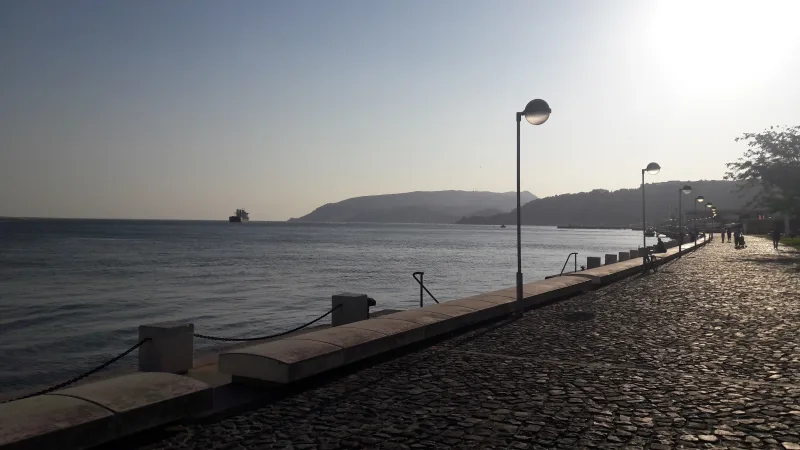
The water here is the estuary of the Sado, a wide tidal river that opens into the Atlantic past the Tróia peninsula. Behind it rises the Arrábida hills, a limestone ridge that drops to the sea in pale cliffs and hidden bays. From the boat you get the town laid out along the riverfront and the hills closing the horizon, which is a far better sense of Setúbal's geography than you get from the street grid.
The estuary is also why the dolphins are here at all. A resident pod of bottlenose dolphins lives in the bay, and boat crews work the same water to find them. Setúbal's boat-ride operators range from short coastal cruises to longer estuary runs, so compare the format before you book.
Dolphin watching: how the shared catamaran trip works
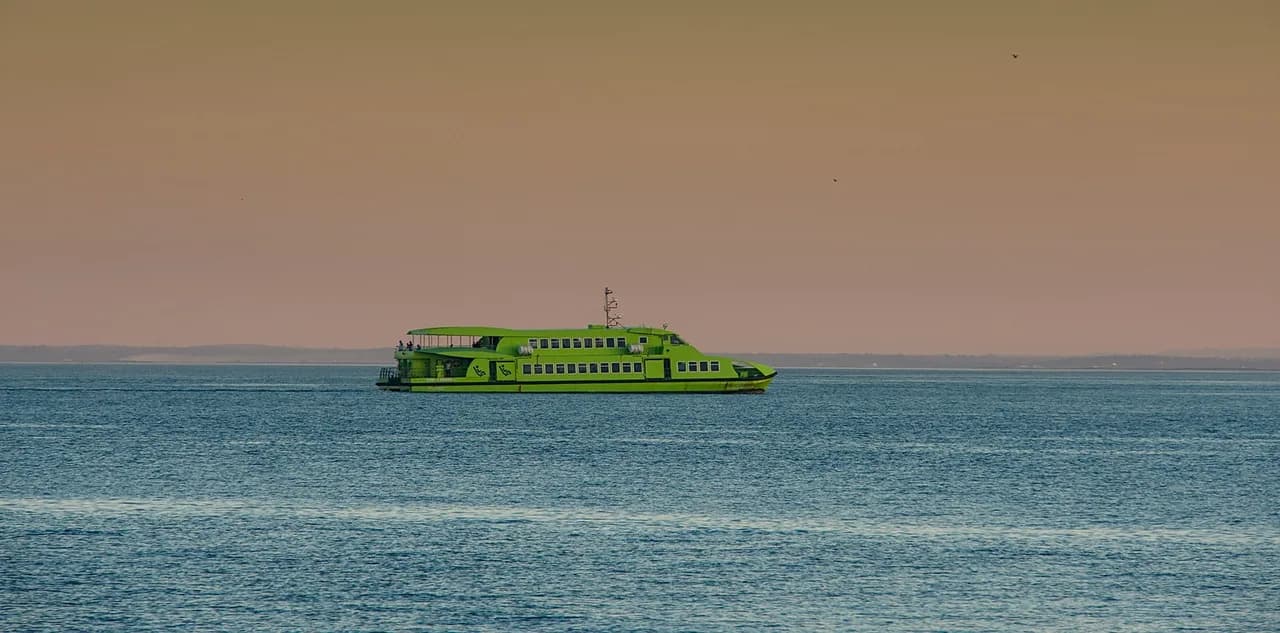
The standard shared trip is a three-hour catamaran tour from Setúbal, run on a large, stable boat with seating in sun and shade. The crew heads out into the Sado river estuary to find the resident bottlenose dolphins, and marine experts on board talk through what the pod does and how the estuary supports it. The boat also stops for a swim, and snorkelling equipment is available on board if you want to get in the water.
Book the shared trip for what it is: three hours on the water with a good chance of dolphins, not a guarantee. The dolphins are wild and are not fed, so no crew can promise a sighting, though experienced operators find the pod on most outings. Treat the swim stop and the views back to the Arrábida mountains as part of the outing rather than a consolation prize.
The catamaran is the right call for families with young children and for anyone who gets uneasy on small boats. It is stable, has space to move around, and the three hours pass quickly. What you give up is flexibility: you go where the crew goes, on their timetable, with whoever else has booked.

Private charters versus shared trips
Private charter is a different product altogether. Setubal Alive runs a fleet of catamarans, sailing yachts and small motor boats for private tours around the Arrábida coast and Tróia, with skippers who know the coastline. You pick the boat by group size, from a small six-person motor boat up to an 18-person catamaran, and the itinerary is built around what you want to see.
A sailing yacht with a skipper makes sense if your group wants the day to itself and a slower pace under sail. A small open motor boat suits a couple or a family of four who want to reach the bays and be back in town by lunch. The catamaran is the one to book for a mixed-age group where some people will want shade and space to lie down.
There is a third selling point unique to charter: the boat can reach coves and beaches along the Arrábida coast that you cannot walk to. If the swimming and the scenery matter more to you than the dolphins, this is where the extra money goes.
The Arrábida coast by boat: cliffs, bays and the swim stop
The Arrábida ridge runs east from Setúbal towards Sesimbra, and the coast beneath it is a run of cliffs, small beaches and clear water reached more easily by sea than by road. A boat trip out here is the easy way to see it: the crew can pull into a bay, anchor, and let you swim off the back. The shared dolphin catamaran builds a swim stop into its three hours; private charters can linger as long as the schedule allows.
Snorkelling equipment turns up on the shared catamaran, and the clear water over sand and rock makes it worth using. Bring your own mask if you are fussy about fit. The cliffs also give you the best photographs of the trip, so keep the camera out of the spray and to hand.
Cost: per-boat charters versus shared dolphin trips
Private charters are priced per boat, per day, not per person, and the gap between the smallest and largest craft is wide. Setubal Alive's published starting rates include a six-person Cap Camarat from €200, a six-person San Remo from €200, a seven-person Bayliner from €220, a classic Mallorquina sailing boat from €330, and catamarans or yachts from €620, with capacities from five to 18 people. Split a €200 boat between five and the per-head cost drops sharply; a couple on the same boat pays far more each.
Shared dolphin trips work the other way: you pay per seat rather than for the boat, which is what makes the three-hour catamaran affordable for a solo traveller or a couple. The charter rates above are starting prices for the boat and may not include fuel or extras on every vessel, so ask for the full quote before you commit.
Departure point and how much time to allow
Setúbal's boat trips run from the waterfront, a short walk from the old town and the Avenida Luísa Todi riverfront. Build the boat trip around the rest of your day rather than the other way round: a three-hour shared trip plus check-in comfortably fills a morning or an afternoon, leaving the other half free for the town.
If you are coming from Lisbon, Setúbal is close enough for a day trip, which makes a boat trip an easy add-on rather than a separate excursion. Sort the journey first so you are not rushing the harbour: the train and bus options are set out in our guide to getting from Lisbon to Setúbal.
Arrive at the harbour with time to spare so you can find the right departure point and pick up water before boarding. The crew will confirm the meeting point when you book.
What to wear and bring on the water
It is cooler and windier on the estuary than in town, even on a bright day, and spray comes over the side when the boat turns into the swell. A light windproof layer over a T-shirt is more useful than a heavy jacket, and flat shoes with grip are safer than sandals on a moving deck.
Sun is the other factor: there is little shade on a small motor boat, and reflection off the water doubles the burn. Bring a hat, sunglasses with a strap and high-factor sunscreen, and keep a dry bag or plastic pouch for phone and camera. Seasickness tablets are worth taking before you board if you are prone to it.
Which trip to pick for half a day or a full one
With half a day in Setúbal, book the shared three-hour dolphin catamaran and spend the rest of the time on foot in the centre. Pair the boat with the Setúbal walking tour or a wander past the market, and you have a full, unhurried day without a car.
With a full day and a group, a private charter earns its keep: you can combine the dolphins, a long swim stop in an Arrábida bay and a run across to Tróia in one outing. A family with children often prefers this to a shared boat, simply because the day bends around naps, snacks and the odd change of plan.
Bear in mind the town's own sights if you plan to stay overnight. The Setúbal castle at the Forte de São Filipe deserves a slot of its own, and the fort gives you the view back over the estuary you have just sailed.
Shared catamaran or private charter?
Choose the shared dolphin catamaran unless you have a group big enough to split a charter and a reason to want the boat to yourselves. It is the simpler booking, the easier day and the lower commitment for a short break. Choose a private charter if the Arrábida bays, a flexible route and your own company are the point of the day.
Whichever you pick, book ahead in the warmer months and confirm the meeting point, the duration and what the price covers when you book. For everything else in town, start with our guide to things to do in Setúbal and build the boat trip into a wider day.
Explore more Setúbal guides
Frequently Asked Questions
Is Setúbal good for dolphin watching?
Yes. A resident pod of bottlenose dolphins lives in the Sado estuary, and boat crews run regular trips from the Setúbal waterfront to find it. Sightings are not guaranteed, because the dolphins are wild and not fed, but experienced operators locate the pod on most outings.
How long is a Setúbal dolphin tour?
The shared catamaran dolphin trip runs for three hours, including the run out into the estuary, time with the dolphins and a swim stop. Private charters are booked by the day or half day, so the length depends on the boat and the itinerary you agree with the skipper.
Can you swim during a Setúbal boat tour?
Yes. The shared catamaran builds a swimming stop into its three hours, and snorkelling equipment is available on board. Private charters can anchor in the Arrábida bays for as long as the schedule allows.
Do you need to book a Setúbal boat tour in advance?
Book the shared dolphin catamaran ahead in summer, when seats fill fastest, and book private charters as early as you can fix your dates, since each boat carries only your group. Confirm the meeting point, duration and what the price covers at the time of booking.
Sources
Notes for your next Portuguese break
Optional updates to our town guides.
You might also like


Continue reading
More guides you'll find useful