Is Braga Worth Visiting? An Honest Answer for a Short Break
Yes, Braga is worth visiting for its cathedral, hilltop sanctuaries and walkable old town. Here is what it does well, who it suits and how many days it needs.
On this page
Yes, Braga is worth visiting on a short break. Two days cover the old town, the Sé and Bom Jesus do Monte, and three days let you add the Sameiro sanctuary and a museum without rushing between them. What follows sets out what the city does well, who it suits, how many days it needs and what it costs.
Braga sits in northern Portugal, in the Minho, and is easily reached from Porto. It combines a compact historic centre, lively squares, a cathedral of exceptional historical importance, well-kept gardens and a student presence that keeps the centre from feeling like a museum piece.
Is Braga worth visiting? The short answer
Braga rewards travellers who want heritage, gardens and hilltop views within a compact city, not the bigger-city energy of Porto. The old town is best explored on foot, while Bom Jesus do Monte and Sameiro sit above the city and need a car, taxi, bus or tour. That split is the key planning decision.
Two days are enough to see the essentials, three make the trip much more balanced, and four or more allow a relaxed pace with excursions into the surrounding Minho. The city works well for a long weekend and deserves more than a quick stopover from Porto. If you are weighing up how to structure the days, our Braga Itinerary sets out a workable order.
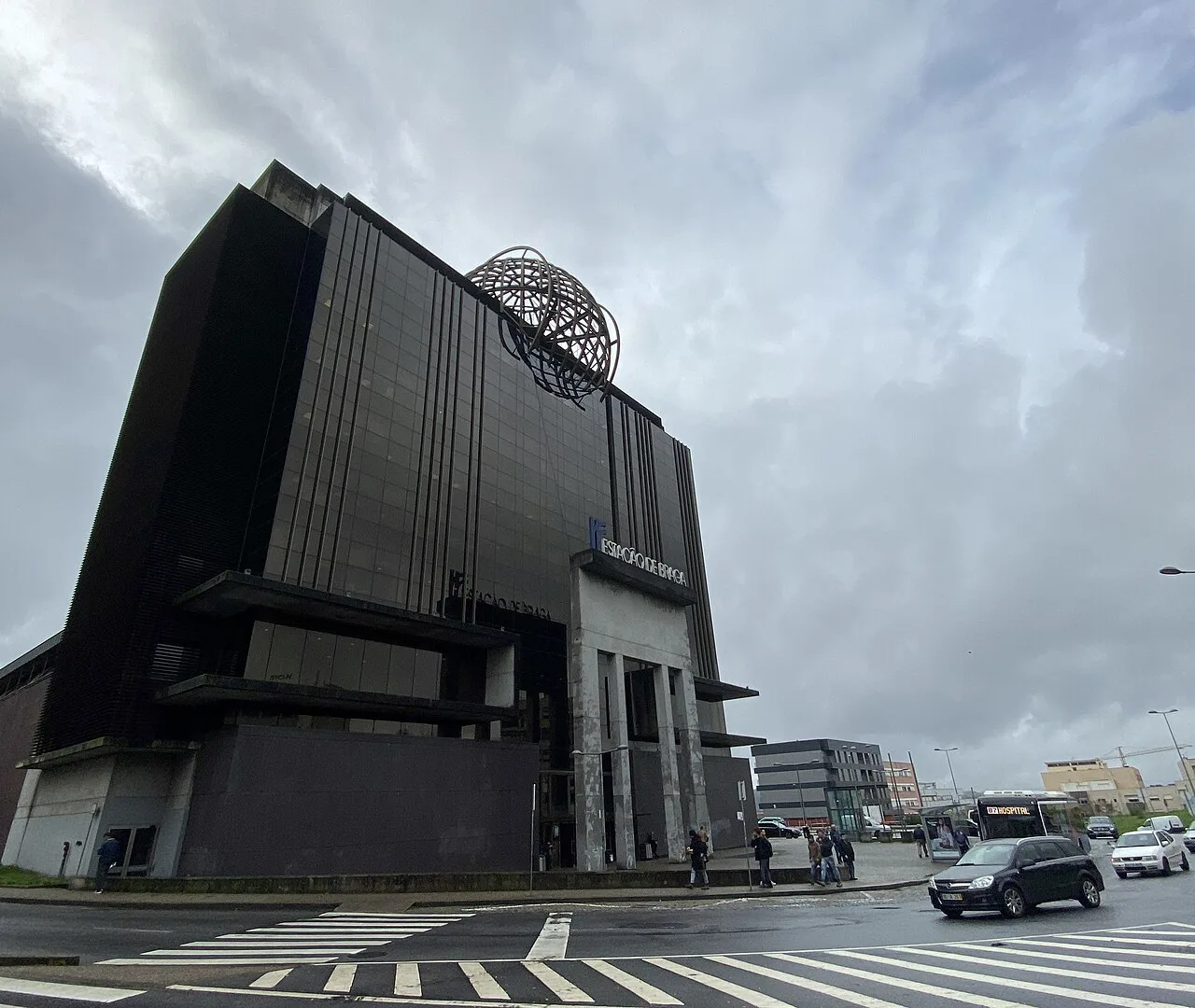
What Braga is known for: the Sé, Bom Jesus do Monte and the old town
The Sé de Braga is the city's historic anchor, and it sells combined tickets covering different parts of the building, such as the cathedral with chapels and choir, and the treasury-museum. Which combination you choose shapes how long you spend inside.
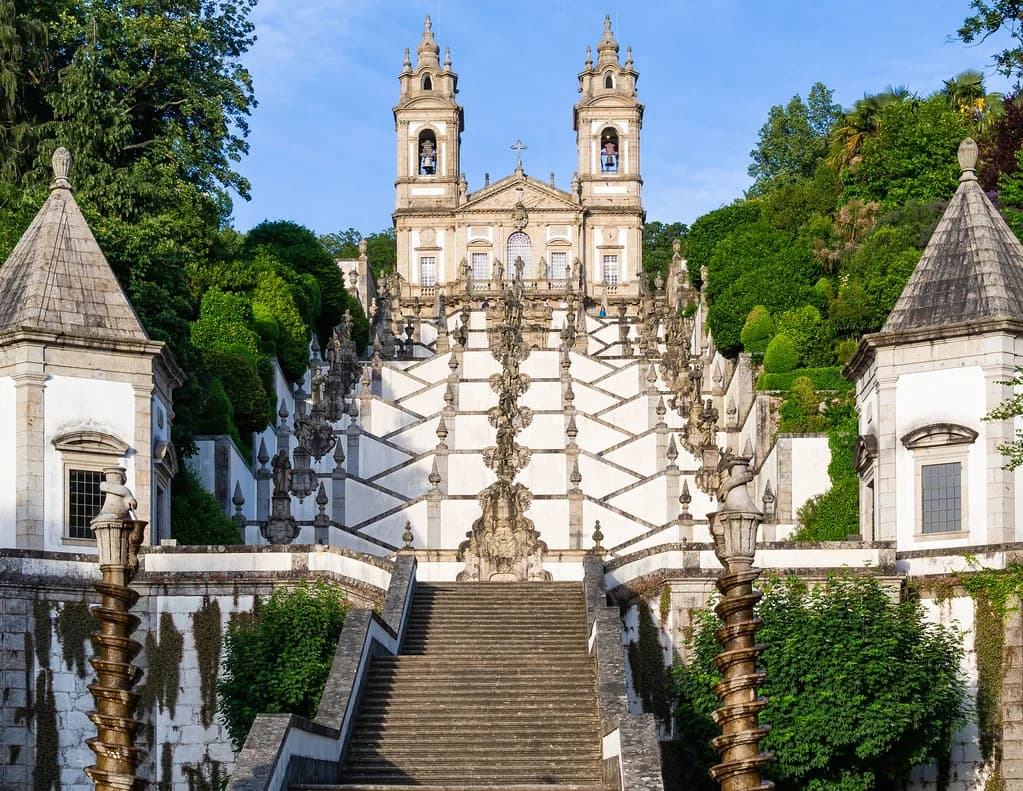
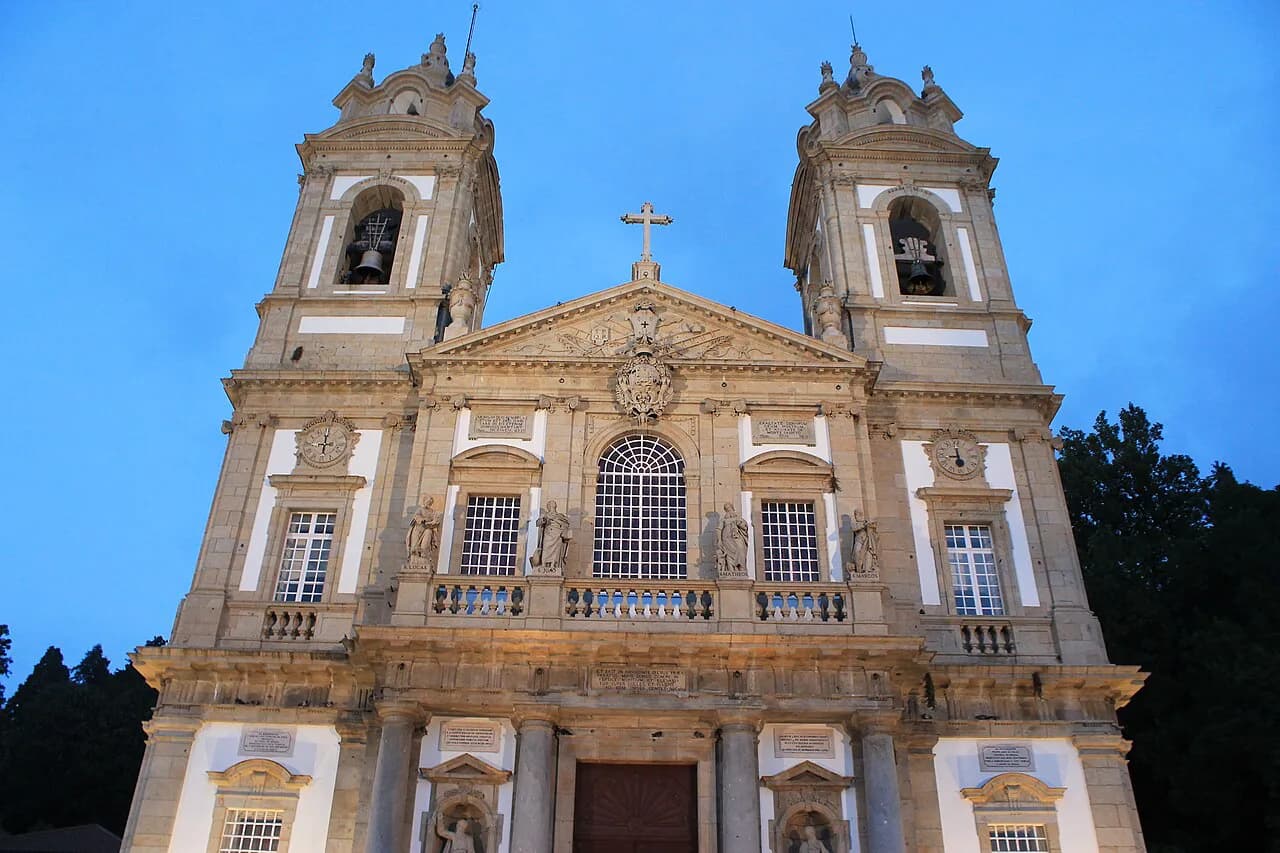
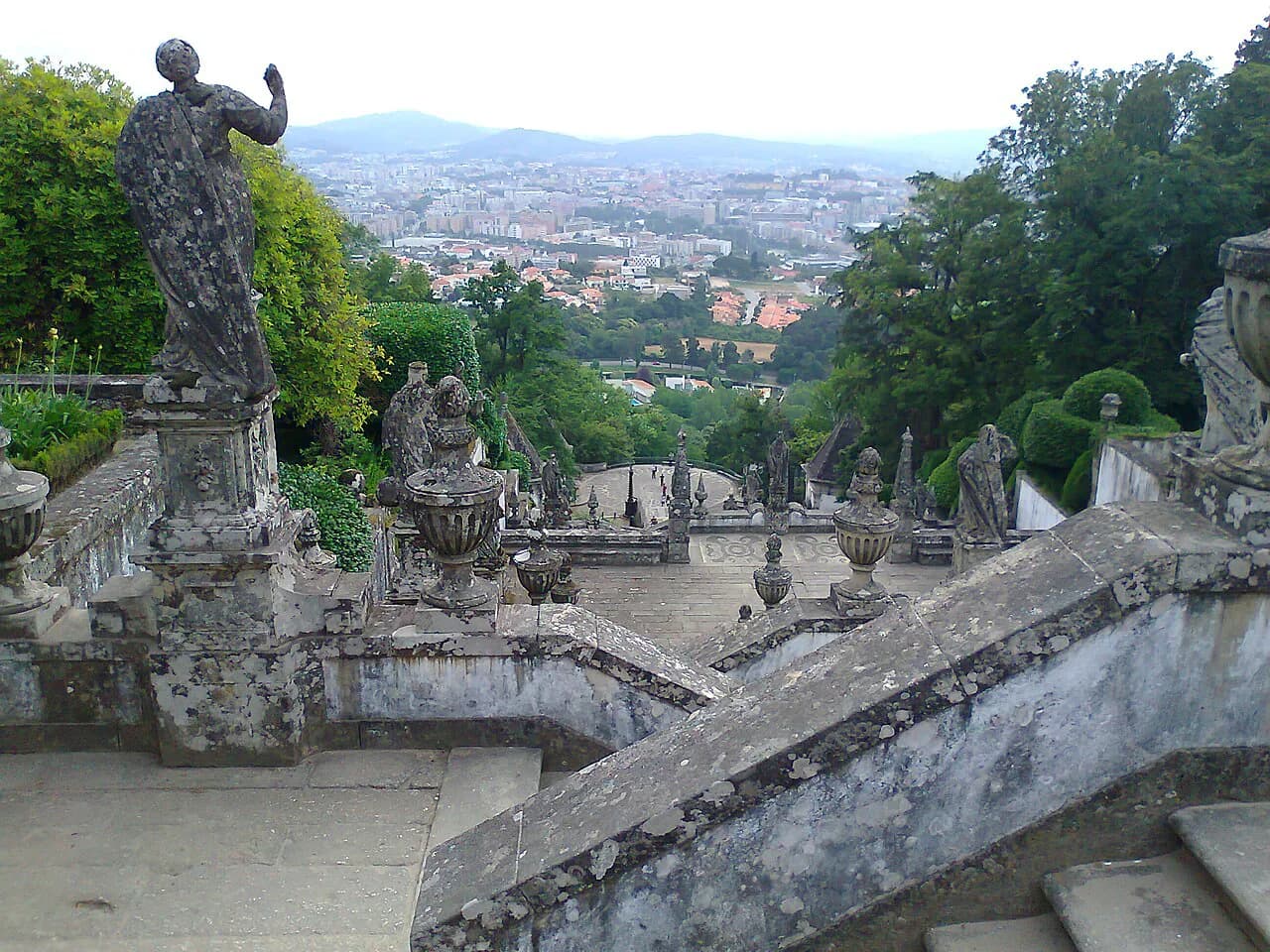
Above the city, Bom Jesus do Monte is the image most people carry away from Braga: a monumental staircase and sanctuary that is one of the country's best-known religious sites. The historic funicular offers an alternative to the climb, and the Sameiro sanctuary nearby adds a view and a quieter atmosphere. Allow time for the ascent rather than treating these as a quick photo stop.
Back in the lower town, the historic centre leads to the Arco da Porta Nova, and the Santa Bárbara garden makes a natural pause between sights. The Biscainhos Museum shows a different side of Braga, housed in a former palace and worth an hour if you like interiors and decorative arts. The city's attractions cluster well enough to string together on foot.
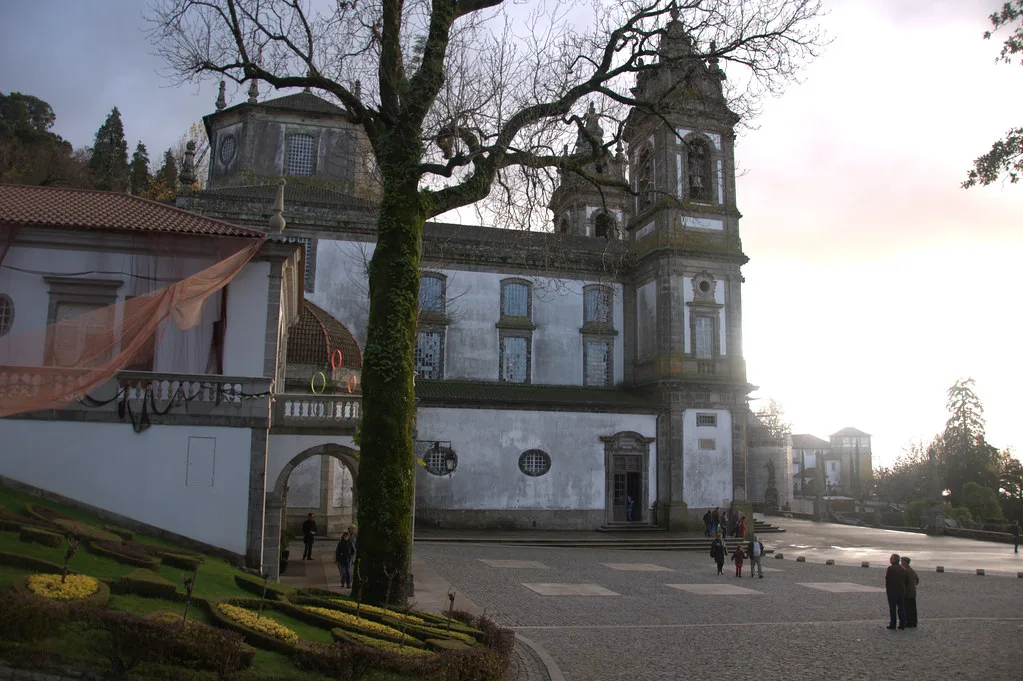
What a short break in Braga looks like on foot
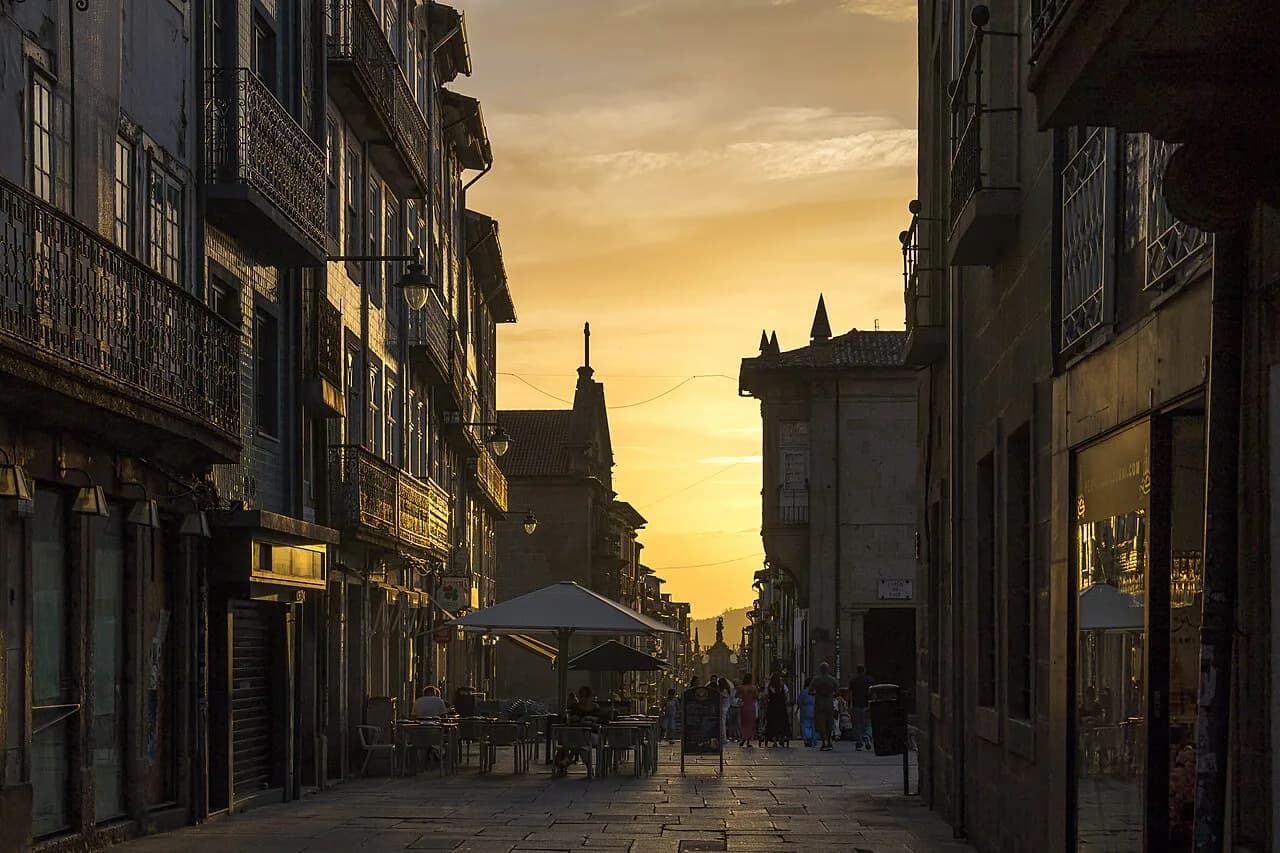
A day in the lower town can run from the historic streets to the cathedral, then through the centre to the Arco da Porta Nova and the Santa Bárbara garden, with a museum or a square for coffee in between. The distances are short, so the day is shaped by how long you linger rather than by transport.
Evenings belong to the central squares, where terraces fill with people and the student population keeps the atmosphere lively. Plan the hilltop sanctuaries for the earlier part of the day and keep the old town for when you want to wander without a schedule. That rhythm suits a One Day in Braga as well as a longer stay.
If you have a full weekend, spend one day on the lower town and one on the sanctuaries and the spaces around them, rather than trying to do both in a single push. Our Braga weekend guide shows how that split works in practice.
Bom Jesus do Monte and Sameiro: the climb, the funicular and the trade-off
The trade-off is straightforward: the hilltop sanctuaries are the most memorable part of Braga, and they are also the part that does not lend itself to a walk up from the centre. Getting there means a car, taxi, bus or organised tour, so budget time for the journey as well as the visit.
At Bom Jesus, the historic funicular offers an alternative to climbing the staircase. The sanctuary of Sameiro adds a wide view and a calmer mood, and pairs naturally with Bom Jesus on the same outing. In spring and early autumn the gardens and views are at their most comfortable; high summer can make the climbing hours hot, so go earlier in the day.
How many days Braga needs: two, three or four
Two days are enough for the essentials: the historic centre, the cathedral, the Santa Bárbara garden, the Arco da Porta Nova and at least one major sanctuary. Three days let you add Sameiro, a museum such as Biscainhos and unhurried time in the old town. Four days or more allow excursions into the wider Minho region.
For a first visit, aim for the middle option. Two days feels efficient but leaves the sanctuaries slightly rushed; three days gives you the breathing room that makes the city's heritage and atmosphere land properly. If your time is tighter than that, decide in advance which of the two halves of the city you are prepared to compress.
Who will love Braga, and who may not
Braga suits travellers who enjoy cathedrals, religious architecture, gardens, museums and viewpoints, and who are happy to spend a day largely on foot in a compact centre. The student presence keeps the city from feeling sleepy, and the combination of lower town and hilltop sanctuaries gives a short break a natural shape.
It suits less well if you want the scale and variety of a larger city, a heavy evening scene or a coastal setting. The heritage focus is the attraction and the limitation at once. If you are torn between two northern cities, our Braga vs Guimarães comparison sets out the differences in character.
Where Braga sits against Porto for a short break
Porto is the bigger city and the obvious base for northern Portugal; Braga is quieter, more compact and more purely about heritage and pilgrimage. Braga is often reached from Porto, and its accessibility makes it easy to combine the two rather than choose. For a one-to-four-day break, the question is whether you want a big city or a concentrated historic town.
Braga also makes sense as a counterpoint to Guimarães, which has its own medieval centre and castle. Travellers with three or four days can see both without either feeling like a detour, since the cities are close enough to share a trip.
What Braga costs and how to keep the budget sensible
Budget around museum and monument tickets, at least one trip up to the sanctuaries, and meals in the centre. The cathedral's combined tickets are the clearest example of how costs stack up, since the price depends on which parts you include. Check the current ticket options and prices at the cathedral and at Bom Jesus before you commit, as these change.
Keeping costs sensible mostly means choosing between the sanctuaries rather than paying to do both in full, walking the lower town instead of taking transport, and treating the central squares as places to linger rather than expensive set-piece meals. The small ticket purchases add up over three days.
The practical bits: getting in from Porto and its airport, and getting around
The easiest approach is usually via Porto Airport, with direct Get Bus connections to Braga's bus station, or CP rail services from Porto to Braga. Once in the city, a car is not necessary for the centre, though it is useful if you plan to explore further into the Minho.
The ideal pattern for most travellers is to explore the centre on foot and book one or two trips to the hilltop sanctuaries. That keeps the days flexible and avoids paying for a car you only need for half a day. If you are sketching a full plan, our guide to how many days you need sets out the one, two and three-day shapes.
So, should you book Braga?
Book Braga if you want a compact northern city built around a great cathedral, two hilltop sanctuaries and an old town you can cross on foot. Give it three days if you can, and two if you cannot. Skip it if you need big-city scale or a coastal setting for your short break.
The one thing to sort before you go is how you will reach Bom Jesus and Sameiro, since that shapes the whole trip. Everything else in the lower town falls into place on foot. Check the cathedral's ticket options and the sanctuary's transport arrangements when you book.
Frequently Asked Questions
Do people speak English in Braga?
Braga is a university city and its central visitor sites, hotels and larger restaurants generally handle English well. Smaller tascas and pastelarias may rely on Portuguese, so ordering in simple Portuguese or pointing at the menu helps. Staff in tourist-facing places are used to international visitors.
What is Braga, Portugal known for?
Braga is best known for the Sé de Braga, one of Portugal's most historically important cathedrals, and for the Bom Jesus do Monte sanctuary on the hill above the city. The historic centre, the Arco da Porta Nova, the Santa Bárbara garden and the Sameiro sanctuary round out the picture, along with a strong student presence that keeps the centre lively.
Which is better, Porto or Braga?
It depends on the kind of break you want. Porto is larger, busier and more varied, while Braga is compact, heritage-focused and easier to cross on foot. Many travellers base themselves in Porto and visit Braga rather than choosing between them.
Sources
Notes for your next Portuguese break
Optional updates to our town guides.
You might also like
Continue reading
More guides you'll find useful