Is Funchal Expensive? Real Costs for a Short Break
Funchal is not an expensive city break. Here are the real euro costs for coffee, meals and sights, plus where prices climb and how to keep a short trip cheap.
On this page
Funchal is not an expensive city break. Coffee, buses and market browsing cost little, and a short break of three or four days sits comfortably below the cost of most western European city trips, provided you eat and sleep away from the waterfront. This guide sets out what everyday items cost in euros, what the main sights charge, and where a Funchal budget quietly climbs.
Madeira as a whole is moderate rather than cheap: accommodation and guided day trips often come in at good value, while restaurant food is affordable next to much of western Europe without being a steal. The island's costs are broadly on a par with the Canary Islands and comparable to mainland Portuguese cities such as Porto and Lisbon, so anyone who has budgeted for either will recognise the shape of the numbers.
Is Funchal expensive? The short answer
Count on around €100 per person per day eating out most evenings and hiring a car, or about half that cooking most meals and eating at local restaurants. Treat those as planning bands for food, transport and activities rather than a fixed daily rate, because your own mix of restaurant meals and paid attractions decides where you land.
The biggest variable is not the city itself but your choices within it. A coffee at a local counter and a coffee on a seafront terrace can differ several times over, and the same applies to lunch. Decide early whether your short break is a café-and-market trip or a restaurant-and-tour trip, then spend accordingly.
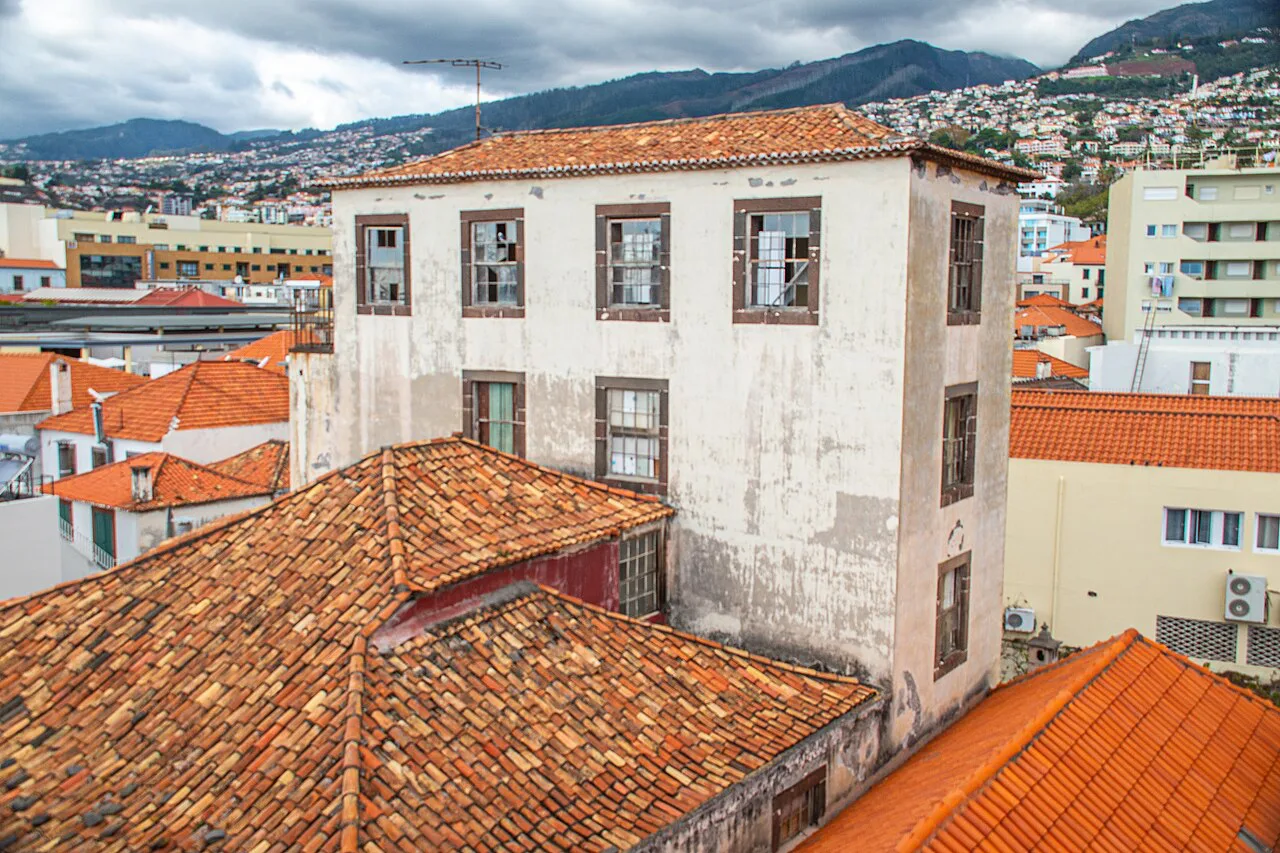
What a day in Funchal costs: coffee, lunch and dinner
Everyday items are where Funchal feels cheap. A coffee is commonly cited at around €1, and a local bus ride around €2, which makes a morning of wandering and market browsing cost very little. Groceries for breakfasts and picnic lunches are the easiest saving: a small shop for a few days' breakfasts and snacks came to about €19 for one person on a five-night trip in 2024.
Restaurant food is moderate. In 2024 a casual lunch of a filled bolo de caco sandwich and a coffee came to about €9 outside Funchal, a tapas-style lunch at a chain counter cost under €5, and a dinner with wine at a Funchal restaurant came to about €25 per person. A larger dinner for two came to about €84, which shows how quickly a multi-course evening moves the daily total.
The practical rule for a short break is to take one proper restaurant meal a day and fill the rest from pastelarias, tascas and the market. That pattern keeps food costs predictable without turning the trip into a picnic-only exercise.
Sights and activities: what you pay to get in
Paid attractions in and around Funchal are modest individually but add up across three or four days. In 2024 the Madeira Story Centre charged €5 per person, the cable car up to Monte came to about €8 per person, and the Funchal Botanic Garden charged roughly €7.50 per person. Guided day tours to the island's west and east came in at roughly €36 to €38 per person.
The free options are genuinely good, which is why a short break need not be attraction-heavy. The Levada walking network runs for more than 2,500 km, and unclassified levada walks cost nothing, with a small permit fee applying only to classified trails. Old Town streets and the Mercado dos Lavradores cost nothing to wander, so you can balance one paid sight a day against free walking.
For the garden and cable car combination above the city, check current prices at the ticket office before committing, since these are the entries most likely to move year to year. If you only pay for one, the Monte Palace Madeira gardens and the ride up make the stronger half-day.
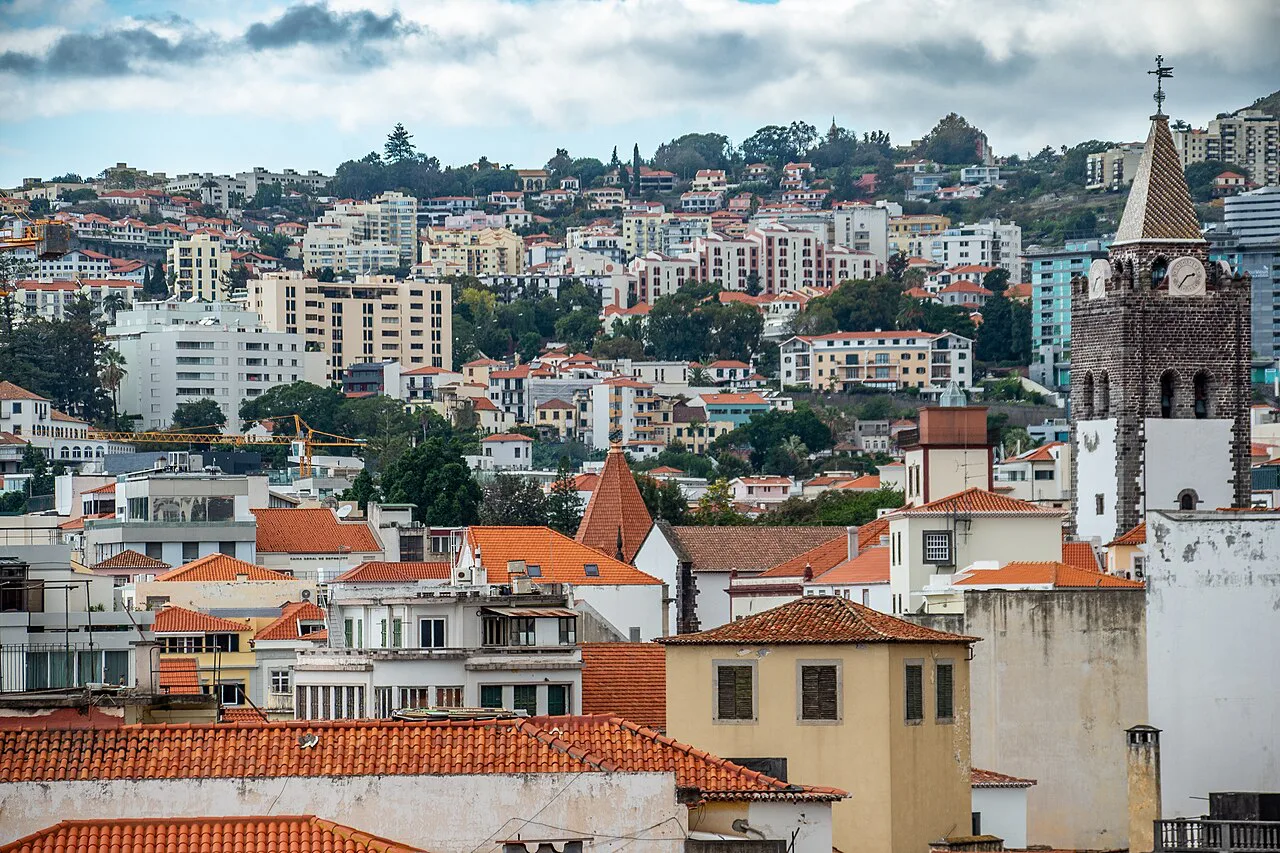
Getting around Funchal and from the airport
Funchal airport sits about 20 minutes from the city centre by taxi or bus, so transfers are short and inexpensive relative to most island destinations. An app taxi from the airport for two cost a little, and the return run to the airport was similarly priced. Local buses handle the city and nearby villages.
Car hire versus tours is the main transport decision. A hire car gives flexibility but adds fuel, parking and mountain-road stress, whereas a couple of guided day tours cost less than many people expect and remove the driving entirely. On a short break based in Funchal, one or two tours is usually the simpler and cheaper combination.
Where Funchal prices climb: waterfront restaurants and resort hotels
The tourist strip carries a clear premium. Funchal has some expensive resort hotels, and waterfront restaurant prices make that plain on the menu, so the same meal inland costs noticeably less. Shift a few streets back from the seafront and the bill drops without any loss of quality.
The market is another place where you should keep your wallet closed. Browsing the Mercado dos Lavradores costs nothing and is worth an hour, but buying produce there is not the money-saving move it looks like; a supermarket shop is cheaper for the same fruit. Treat the market as sightseeing and shop elsewhere for picnic supplies.
Season swings the whole picture more than any single purchase. January, February and November are the cheapest months, with flights often 30 to 40 per cent below summer prices, while July and August carry school-holiday premiums on both flights and rooms. Late September and early October hold summer temperatures at shoulder-season prices, which suits a short break well.
How to keep a three- or four-day Funchal trip cheap
Book flights three to six months ahead and favour Tuesday to Thursday departures, which are typically cheaper than weekend ones. Direct flights to Funchal run from 14 UK airports with a flight time of about 3 hours 45 minutes, so there is usually a competitive route from a regional airport rather than a costly connection through Lisbon.
Choose self-catering or a simple guesthouse over a waterfront resort, eat breakfast in, and take your main meal at lunch when restaurant prices are lower. If you are weighing up how long to stay, see how many days in Funchal suit your pace before committing to tours or day trips.
Free sightseeing should carry real weight in the plan: Old Town streets, the market, viewpoints and unclassified levada walks cost nothing, and the paid entries can be rationed to one a day. Build the days around walking rather than taxis where you can, and the transport line of the budget almost disappears.
Where the money goes: a sample short-break budget
A worked example makes the categories concrete. One traveller's five nights and four full days in Madeira, including flights from London Gatwick, a shared two-bedroom flat in central Funchal, food, transport, tours and sight entries, averaged out per person per night. The return flight alone and the accommodation share were both costs, so the ground costs were the smaller half of the total.
For a three- or four-day Funchal break, expect the same proportions: flights and accommodation take the bulk, while daily food, buses and one paid sight sit well below them. Cook a couple of breakfasts, take one tour rather than hiring a car, and the trip lands at the lower end of the range without feeling deprived.
Is a short Funchal break good value?
Yes, on balance. Funchal is not a cheap destination in the way the Algarve or inland Portugal can be, but for a city break of three or four days it undercuts most western European equivalents once you eat and sleep away from the waterfront. The money you save on coffee, buses and free walks pays for the cable car and a guided day out.
Budget by category rather than by daily total: fix the flight and room first, then set aside a modest daily allowance for food and one paid attraction, and treat tours as optional extras. That structure keeps a short break predictable and leaves room for the occasional long lunch.
Explore more Funchal guides
Frequently Asked Questions
How much is a pint in Madeira?
Drink prices vary too much between a local bar and a seafront terrace for a single figure to be useful. Check the price list at the door before sitting down, and expect the waterfront to charge more than a back street.
Is Madeira expensive for tourists?
Madeira is moderate: not expensive in the way the luxury brochures imply, but not the cheapest destination in Europe either. Accommodation and guided day tours tend to be good value, while restaurant food is affordable compared with much of western Europe without being genuinely cheap.
Sources
Notes for your next Portuguese break
Optional updates to our town guides.
You might also like
Continue reading
More guides you'll find useful