
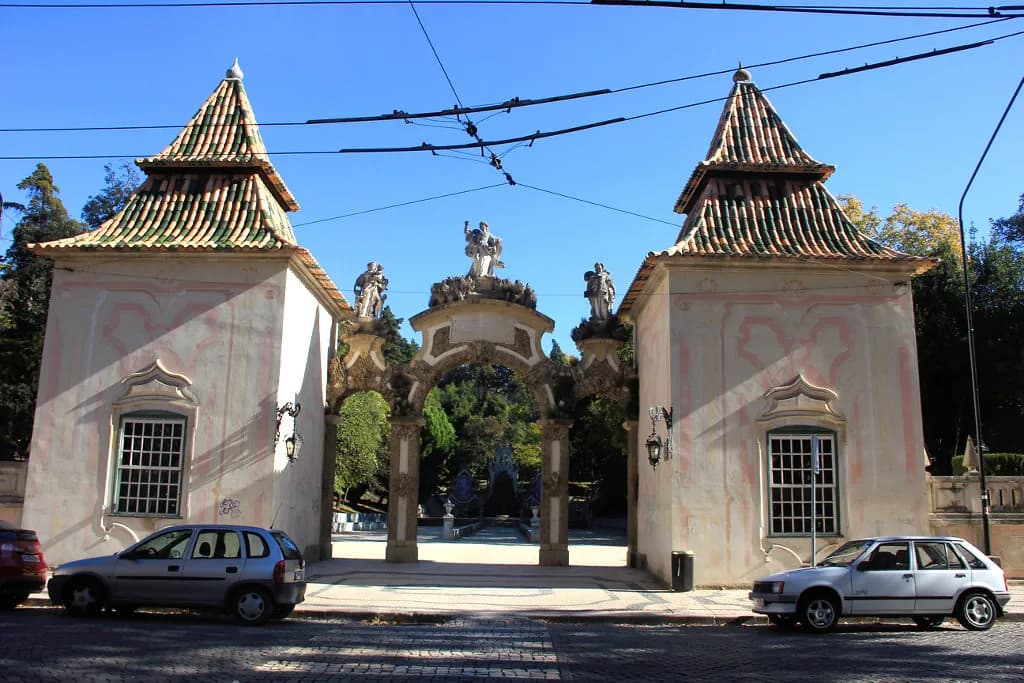
Baixa Coimbra: what to see, where to eat and who it suits
Baixa Coimbra is the city's downtown and its everyday shopping district rather than a museum quarter: expect narrow, lively lanes lined with shops, cafés and restaurants, opening onto small squares and churches rather than grand set pieces. Budget roughly half a day to walk it, and treat it as the connective tissue between the monumental upper town and the river. This guide covers what the Baixa is, who it suits and how to fit it into a short break.
The district is the focus of a municipal digital-commerce programme, @Baixa Coimbra, which the city council describes as covering an intervention area of around 800 commercial spaces. That number is the best single clue to what the Baixa is: a dense, working retail centre rather than a preserved showcase, where you shop, snack and watch the city go about its day between visits to the bigger sights.
What Baixa Coimbra is and where it sits in the city
Coimbra stacks its districts vertically. The Alta, the upper town, holds the university and the historic monuments; Santa Clara spreads on the far bank of the Mondego; and the Baixa sits in the lower middle, on the flatter ground where the shopping streets run. Its name simply means 'lower town', and its role is exactly that: the practical, commercial floor of the city.
The digital project is run by the municipality with the Agência para a Promoção da Baixa de Coimbra and CoimbraMaisFuturo, and it is underpinned by a platform that gathers shops, services and heritage points with 360-degree interactive views. Use the virtual Baixa views as a preview of the district's shops and historic points before you set out.
For a visitor, that means the Baixa is not somewhere you detour to so much as somewhere you pass through, often several times a day. Understand its shape once and the rest of Coimbra becomes easier to navigate on foot.
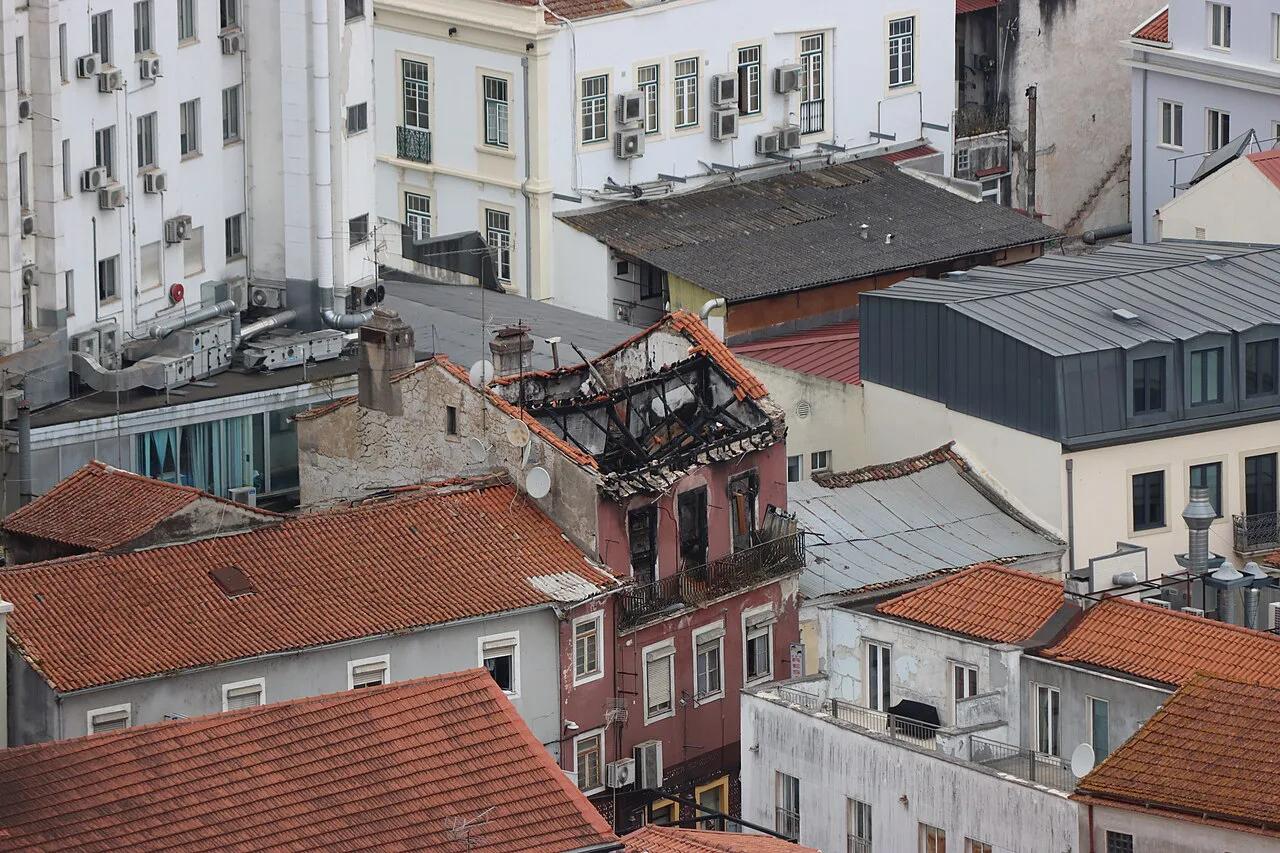

The character of the streets: narrow shopping lanes, squares and churches
The Baixa is a knot of narrow streets where the ground floors are nearly all commerce: clothing, shoes, stationery, phone shops, bakeries, pastelarias and small restaurants, with upper floors given over to offices and flats. Walking is slow because the pavements are busy and the lanes are tight, which is part of the appeal. The payoff is a street life that feels lived-in rather than staged.
Punctuating those lanes are small squares and churches that give the district its breathing spaces. Praça 8 de Maio is the civic heart and works well as a meeting point before or after a wander, since the Câmara Municipal de Coimbra gives that square as its address. It is modest by Iberian standards, but it anchors the street pattern and tells you where you are.
Travessa das Canivetas, a lane in the Baixa, is the contact address given for the @Baixa virtual-visits platform, a useful landmark if you are orienting yourself with a map. Beyond that, the pleasure of the Baixa is cumulative: a church facade here, a tiled shopfront there, a corner café where the regulars stand at the counter.
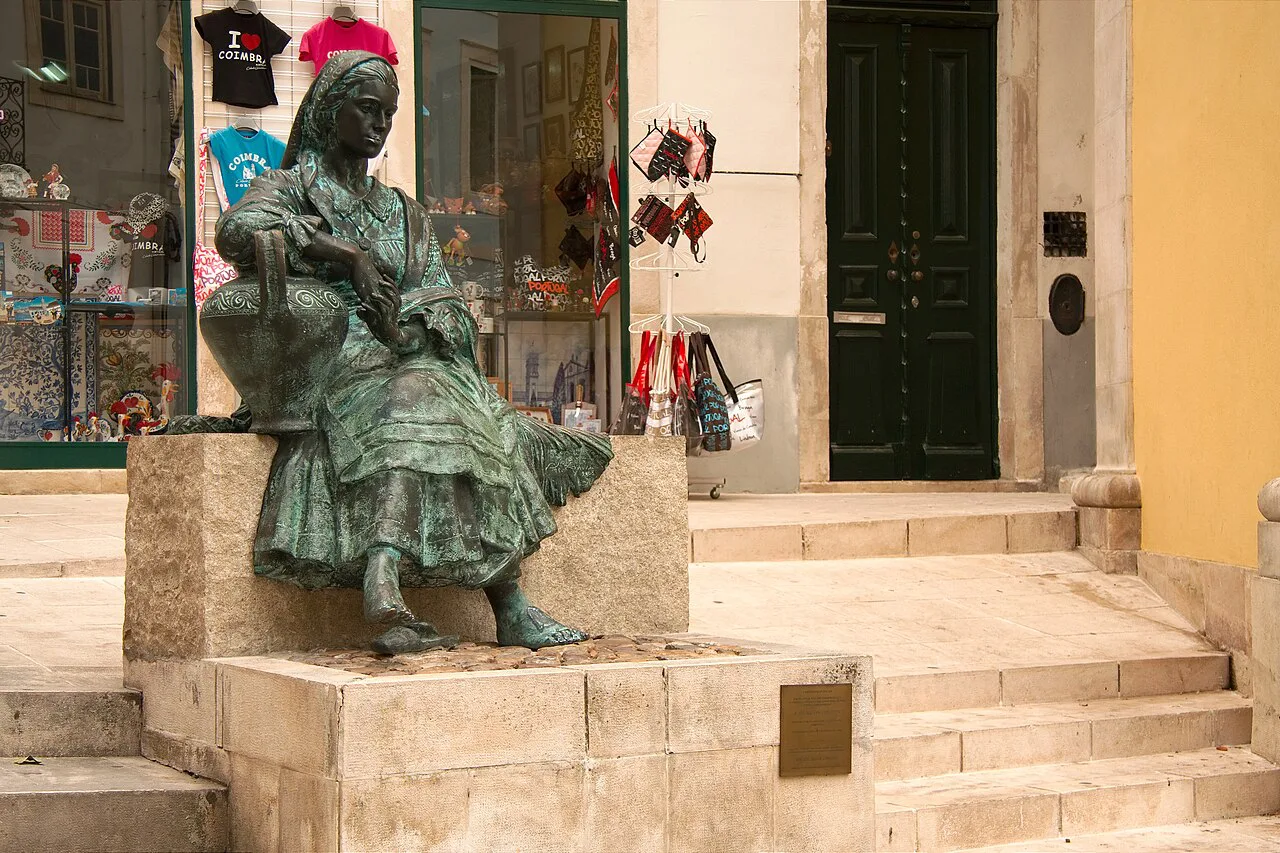

Who the Baixa suits — and who it does not
The Baixa suits travellers who like ordinary city texture: browsing shops, stopping for coffee and a pastry, ducking into a church, and using the district as a base for walking up to the Alta or across to the river. It also suits anyone on a tight schedule, since the lower town is the easier part of Coimbra to cross quickly on foot. If you want to eat and shop within a few minutes' walk of the lanes, this is the most practical quarter.
It suits less well anyone coming for grand architecture or quiet. The streets are commercial and often crowded, the buildings are workaday rather than precious, and the area is tuned to shoppers and office workers rather than to sightseeing. Travellers who want monumental set pieces should plan their days around the university and the historic upper town and treat the Baixa as a thoroughfare.
What to see on a walk through the Baixa
Build a loop rather than a list. Start at Praça 8 de Maio, then wander the lanes around it before heading back towards the river and the lower edge of the Alta. The Baixa is compact enough that you will cross your own path several times, and that is how you find the shops and churches you want to return to.
Churches and squares are the fixed points in that walk, and they are best taken as they come rather than sought out one by one. Small city churches in Portugal commonly keep limited daytime hours, so if a particular interior matters to you, check its door on the day rather than building the route around it. The digital @Baixa views are a useful way to preview which historic points are flagged before you set out.
Allow time for the ordinary sights too: shopfronts, tiled facades, the flow of a working Portuguese downtown at lunchtime. Photographers will find plenty to shoot in these lanes. If you are building a wider sightseeing plan, our guide to Coimbra Attractions: 10 Visitor Guides covers the monuments that need booking and planning.
Where to eat in the Baixa
The Baixa is where Coimbra eats and shops at midday. The lanes around Praça 8 de Maio are full of small restaurants, tascas and pastelarias aimed at office workers and shoppers, with pastries, coffee and everyday lunches at the counter. If you want a fuller meal, look for the places busy with office workers at lunchtime and read whatever menu is posted outside.
In Portugal, restaurants often close one day a week, sometimes more than one, and many close between lunch and dinner; it is normal here and not a sign of a bad kitchen. Rather than treat a specific closing day as fixed, read the notice on the door or the menu board outside before you commit to a particular address. Lunch is generally the more reliable and better-value meal of the day in a district like this.
Cafés and pastelarias fill the gaps between meals, and they are also where you will find the district's social life: a quick bica at the counter, a pastel de nata in the afternoon. Build meals around your walking route rather than the other way round.
Where to stay in the Baixa
Treat the Baixa primarily as a place to shop, eat and walk rather than to sleep: its appeal is the ability to step straight out among the lanes and shops. If easy access to the shops and cafés matters more than quiet, the lower town puts the district's everyday life on the doorstep.
For a calmer residential feel and a different angle on the city, Santa Clara on the far side of the Mondego is a contrast worth comparing; the river views are best taken from the riverside itself rather than from the Baixa lanes.
Getting there and getting around on foot
You do not need transport within the Baixa. It is small, flat and dense, and the whole district can be crossed in a quarter of an hour at a stroll. Wear shoes that cope with calçada, the Portuguese cobbled pavement, which is uneven and slippery when wet.
The Baixa is also the natural stepping-off point for the rest of the city. The climb to the Alta is steep but short, and the walk to the river and across to Santa Clara is gentler. If you want to plan a broader route through the upper town, our guide to Alta Coimbra covers the streets below the university.
The commercial lanes themselves are described as narrow and lively, full of shops and typical restaurants, which is exactly the sort of street pattern you can preview online before arriving.
How much time the Baixa needs in a one-to-four-day Coimbra trip
Give the Baixa half a day, not a day. Two to three hours covers the main lanes, the squares and one or two churches, plus a coffee stop; add an hour if you want a proper lunch and unhurried browsing. On a one-day trip, fold it into the morning before climbing to the Alta, or into the late afternoon after the monuments close.
On a three- or four-day break, the Baixa works best as a repeated habit rather than a single outing: breakfast here, a mid-afternoon coffee, an evening meal, with the district filling the gaps between bigger visits. That is also how you get to know its rhythm.
The @Baixa Coimbra programme was presented publicly in June 2024, with a planned implementation by the end of 2025 and a budget of 1.236 million euros. Some of the smart street furniture and digital signage described may or may not be in place when you arrive, so use the platform's own listing of shops and historic points to see what is taking part rather than assuming the scheme on the ground.
Should you base yourself in the Baixa?
Base yourself in the Baixa if you want shops, lunches, cafés and easy walks to everywhere else on your doorstep, and if you accept that a central commercial district is busy by nature. Choose Santa Clara or the Alta instead if you want quiet, views or a residential feel, and visit the Baixa for an afternoon and a meal.
Whichever you choose, give the district at least a couple of hours on foot with no fixed plan, and pair it with a half-day in the upper town for the monuments. The Baixa rewards patience and repetition more than efficiency.
Explore more Coimbra guides
Frequently Asked Questions
Is Baixa Coimbra the same as the historic centre?
The Baixa is the lower town, the working shopping and civic district; it overlaps with the historic centre but is not the same thing. The monumental sights that most travellers come for, including the university, sit in the Alta above it, and Santa Clara lies across the river. Think of the Baixa as the practical middle layer of Coimbra rather than the sightseeing core.
Do you need a car to explore the Baixa?
No. The district is compact, flat and dense, and the whole of it can be crossed on foot in a quarter of an hour. Wear shoes that deal with calçada, especially when it is wet, and plan to walk up to the Alta rather than drive.
How do I find out which shops and sights take part in the @Baixa Coimbra project?
The project runs a digital platform with interactive 360-degree views where participating shops, services and heritage points are gathered. Use that listing to check what is active before you go, rather than relying on street signage alone.
Is Coimbra a good base for exploring the region?
Coimbra sits in central Portugal on the Mondego, and the Baixa is its lower, walkable, everyday district, with the monumental Alta above it and Santa Clara across the river. Treat the Baixa as the practical base for the city's sights rather than as a springboard for a wider regional tour.