
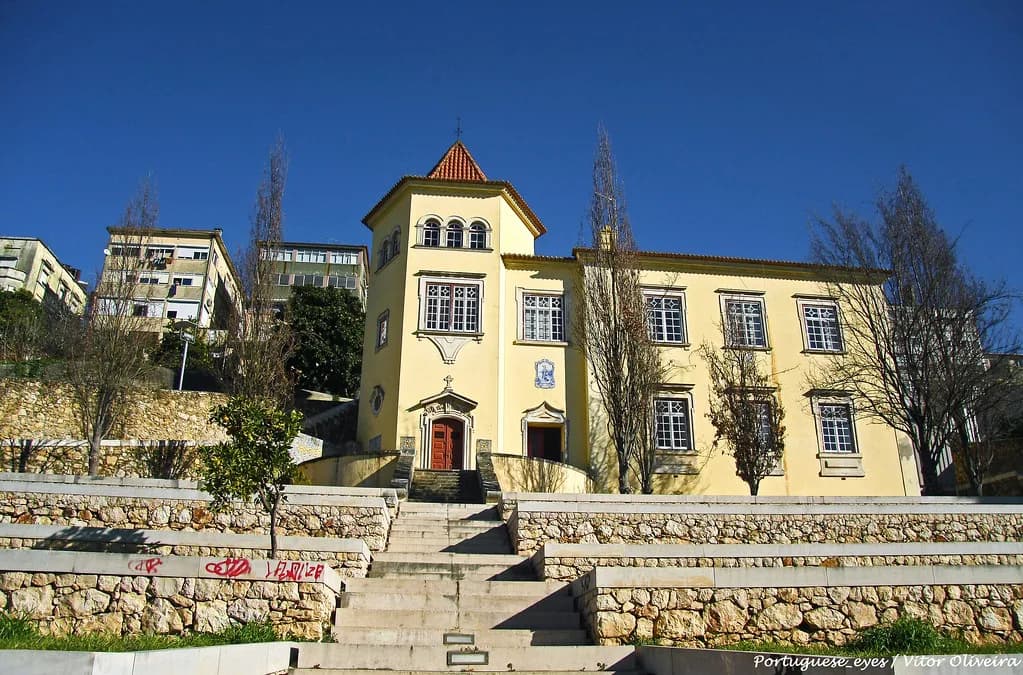
Santa Clara, Coimbra: A Neighbourhood Guide to the West Bank of the Mondego
Santa Clara is a half-day, not a full day. The west-bank neighbourhood sits across the Mondego from Coimbra's historic centre, and its strongest draws — the two Santa Clara monasteries and the Quinta das Lágrimas gardens — belong to one compact place with a story. The converted Convento São Francisco and the miniature park of Portugal dos Pequenitos fill a slow afternoon rather than a demanding itinerary.
This guide covers what Santa Clara is, who it suits and who should stay on the east bank, what to see and in which order, where to eat, and how to get there from Coimbra's centre. Use the Coimbra Neighbourhoods guide to see how this district fits beside the city's other areas.
What Santa Clara is and where it sits
Santa Clara stands on the west bank of the Mondego, opposite the hilltop university and the old centre. The river is the dividing line: cross one of the bridges and you leave the busy streets for a district that is still part of Coimbra but feels quieter and more residential. Coimbra's tourism website calls it a living heritage area on the banks of the Mondego and a place to explore the other side of the river.
Santa Clara was formerly a parish of its own and now forms a union with Castelo Viegas, whose council publishes local notices and contacts. For a visitor the practical shape is simple: the monastery sites and the garden estate cluster on the slope above the river, while the cultural centre and family park sit closer to the bridges.

Who Santa Clara suits — and who should stay on the east bank
Santa Clara suits travellers interested in the Inês de Castro story, religious architecture and quiet river walks, and those who have already seen the university and the old cathedral. It also works for families, thanks to Portugal dos Pequenitos. If your priority is restaurants, bars and student bustle, stay on the east bank, where the Baixa Coimbra guide covers the shopping grid and riverside streets.
It suits less well anyone on a tight schedule who wants every sight within a few minutes of the hotel. The climb to Santa Clara-a-Nova is real, and the distances between the monastery sites, the garden estate and the cultural centre add up. Travellers based in the Alta Coimbra are already doing plenty of walking on the hill, so a taxi across the bridge can be worth it for tired legs.

Monastery of Santa Clara-a-Velha: the flooded Gothic ruin, now a museum
Santa Clara-a-Velha is the older of the two monasteries, with origins in the 13th century, and it preserves the memory of Queen Saint Isabel. Its low position beside the Mondego became its undoing: repeated flooding forced the community out, and the building survived as a shell. It now operates as a museum, which makes it the more atmospheric of the two for anyone who likes archaeology and waterlogged stone. Check the published hours and ticket price before you go, since they are not listed here.
Allow time to read the interpretation boards rather than treating it as a photo stop. The contrast with the newer monastery up the hill is the point: one is a monument to the river's power, the other a working shrine. If you only have time for one, choose Santa Clara-a-Nova for the tomb and the views and treat the old monastery as a bonus for history-minded visitors.
Monastery of Santa Clara-a-Nova: uphill, and the tomb of Queen Saint Isabel
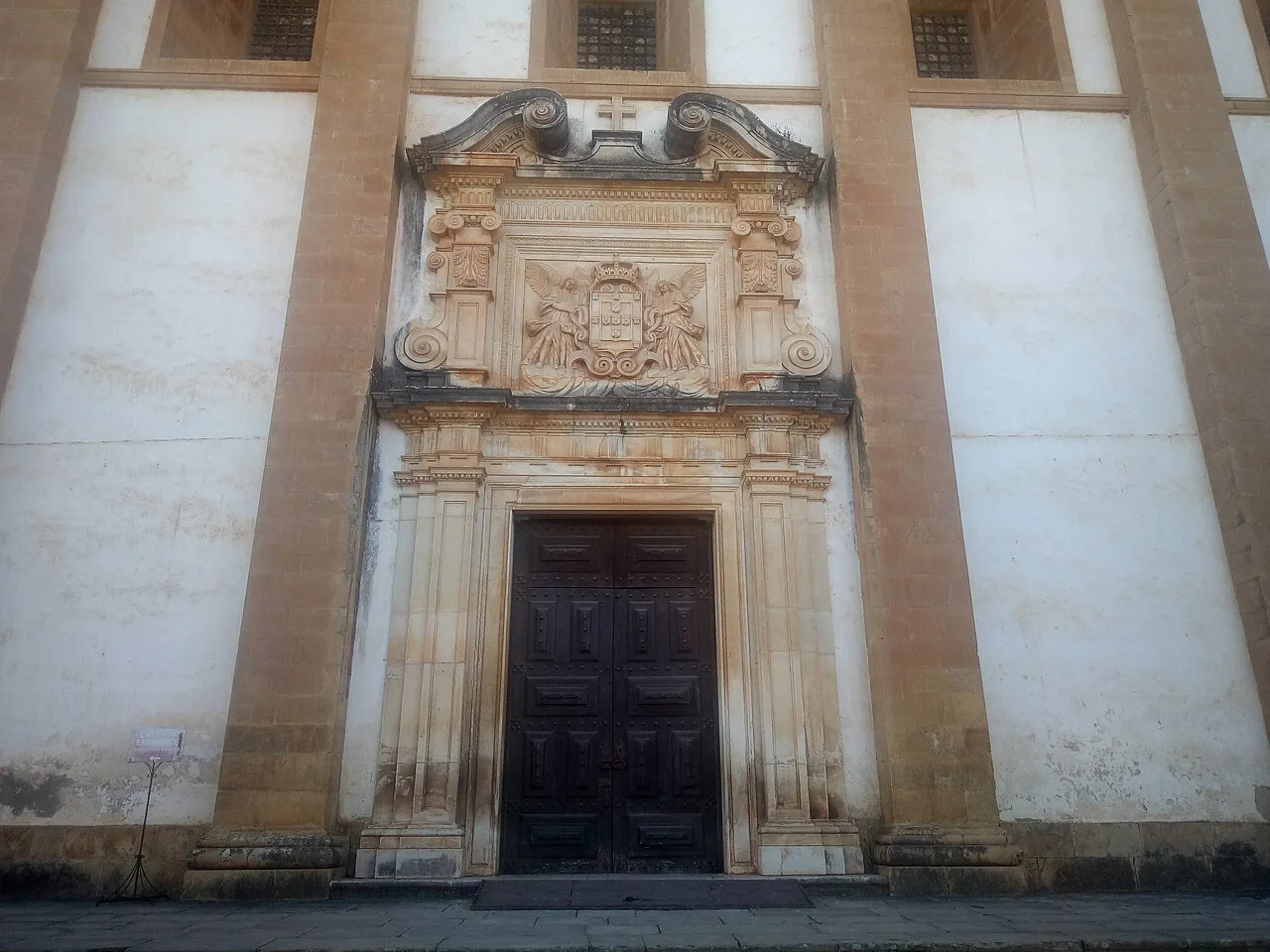
Santa Clara-a-Nova was built in the 17th century on higher ground after the old monastery's floods, and it houses the tomb of Queen Saint Isabel, the city's patron saint venerated for her kindness and the miracles attributed to her. It doubles as one of the best panoramic viewpoints in Coimbra. The uphill walk is the price of that view, and a taxi or a slow ascent with stops is a fair trade.
Dress and behaviour here matter more than at a museum: this is an active religious site as well as a monument, so keep voices low and check the door for service times. Save the climb for clear weather, when the river and the east bank are worth it, and keep the visit short if you are combining it with the gardens below.
Quinta das Lágrimas and the Fonte das Lágrimas: the Pedro and Inês story in gardens
Quinta das Lágrimas is the garden estate that tradition ties to the tragic love of D. Pedro and Inês de Castro. Coimbra's tourism website describes it as a place where history and nature merge and singles out the Fonte das Lágrimas as the spot around which the legend gathers. Treat the story as the reason to come rather than background colour: read the tale first, then walk to the spring, and the garden makes sense.
The estate suits travellers who want a quiet hour between monuments rather than another ticketed sight. Pair it with the older monastery nearby, since the two together tell the story of the river, the court and the saint, and plan lunch in the restaurant block on the same side of the river before crossing back.
Convento São Francisco: the converted convent that now hosts concerts and exhibitions
The Convento São Francisco is an old convent transformed into a modern cultural centre, keeping its religious architecture while hosting concerts and exhibitions. Its programme changes season by season, so the reason to go is as much the building and its river setting as any single event. Check the venue's current programme before making it the centrepiece of a day.
Its riverside position also makes it one of three places the tourism website recommends for panoramic views, so combine a look inside with a pause outside. It is an easy add-on to a walk across the Ponte de Pedro e Inês (Peter and Agnes Bridge). The Coimbra Attractions guide shows how it sits among the city's other monuments.
Portugal dos Pequenitos: miniature Portugal, and whether it is worth it without children
Portugal dos Pequenitos is a park of miniature replicas of Portuguese monuments and typical houses, designed by the doctor and philanthropist Bissaya Barreto, and it has delighted children and adults for decades. It is a family stop, not a general sight: the pleasure is in recognising places you have seen or plan to see. Adults travelling without children can reasonably skip it for the monasteries and the gardens, and those weighing real monuments elsewhere can compare them in our guide to monasteries in Portugal.
With children it fits naturally beside the Convento São Francisco and the riverbank, and it is one of the few Santa Clara sights aimed squarely at younger visitors. It is a park of models, not a theme park with rides, so do not sell it to teenagers as one. Check the park's published hours and prices before committing a morning.
The best panoramic views of Coimbra from this side of the river
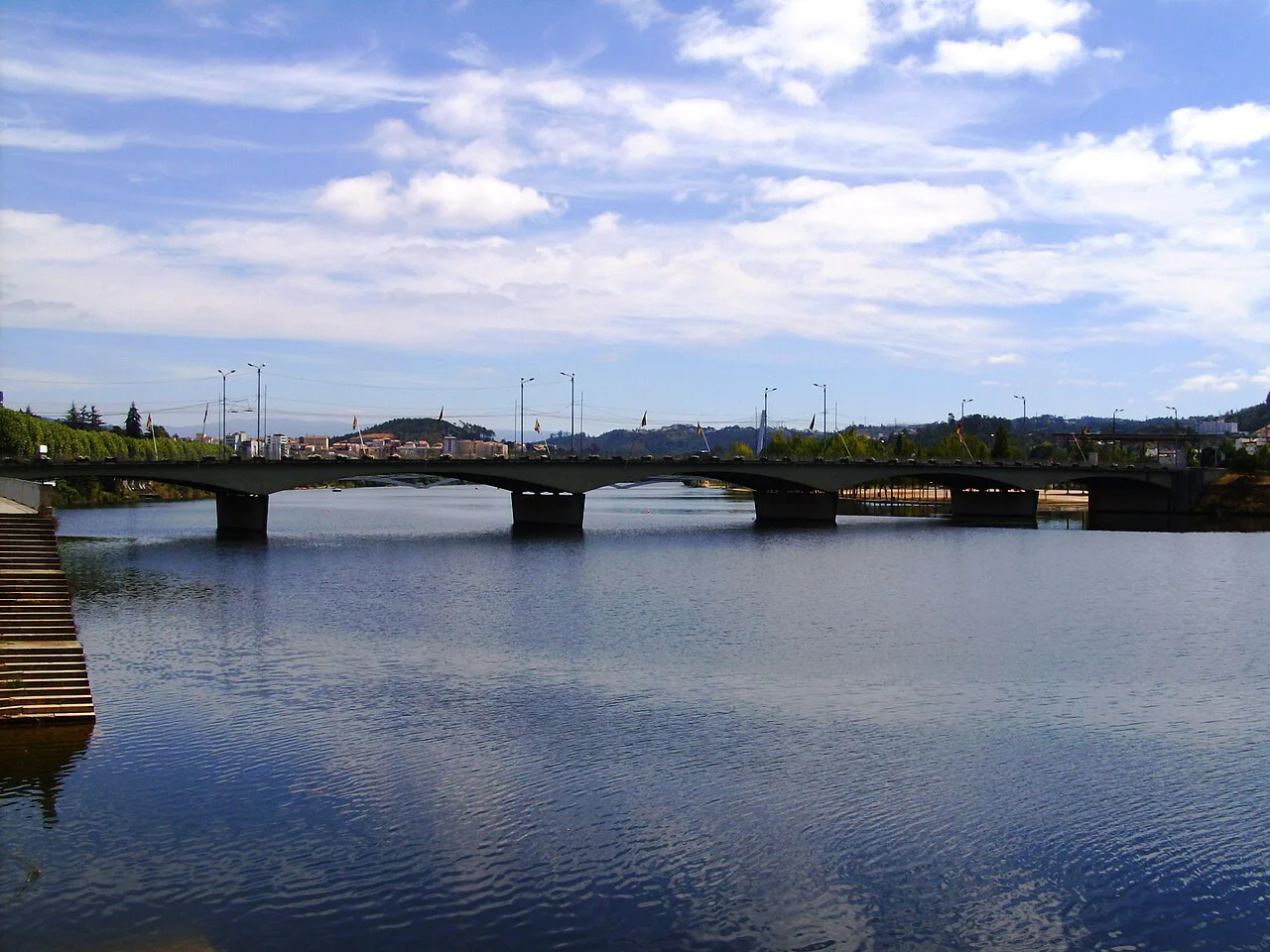
Santa Clara is the vantage point for looking back at Coimbra. The tourism website names three perfect places for panoramic views: the Monastery of Santa Clara-a-Nova, the Convento São Francisco and the Ponte de Pedro e Inês (Peter and Agnes Bridge), which connects the two banks of the Mondego. If you only manage one, the monastery gives height and the bridge puts the river under your feet.
The light changes through the day, and the crossing is short enough to repeat in the evening. Pair a bridge walk with an ice cream from the riverside shops and you have a low-cost way to finish a Santa Clara afternoon. For more ideas on this bank, see things to do in Coimbra.
Walking Santa Clara: how the sights cluster and what order makes sense
Start at Santa Clara-a-Velha, low by the river, then climb to Santa Clara-a-Nova for the tomb and the view. Walk down to the Quinta das Lágrimas for the Fonte das Lágrimas, and finish at the Convento São Francisco and the bridge. With children, put Portugal dos Pequenitos between the convent and the bridge, where it fits the river walk.
The route is short in distance but uneven in gradient, so allow more time than the map suggests. The uphill stretch to Santa Clara-a-Nova is the hardest part, and the tomb is better seen before you tire. With limited mobility, take a taxi to the upper monastery and walk down through the gardens.
Eating in Santa Clara: the restaurant block and the sweet stop afterwards
The tourism website points to a restaurant block in Santa Clara, where local restaurants serve traditional Portuguese cooking, alongside ice cream and pastry shops for a sweet break. Eat a proper meal in the block and take dessert on the river side. Do not expect the density of the Baixa: this is a neighbourhood, and its eating follows local rhythm rather than a food scene.
For more choice at lunch or in the evening, the Praça da República, Coimbra area on the east bank has a wider spread of options. Otherwise a bakery stop after the monasteries is the honest Santa Clara lunch: quick, local and easy to fit around sightseeing. Restaurant closing days vary, so check the door if you are making a special trip.
Where to sleep in Santa Clara: whether the neighbourhood works as a base
Santa Clara works as a base if you want quiet nights and river views more than convenience to restaurants and bars. The trade-off is that you cross the bridge for much of the city's evening life, and the walk back climbs from the river. For a one- to four-day trip centred on the university and the old town, the east bank saves time; for a slower visit, the west bank is a fair choice.
The neighbourhood's accommodation is smaller and more residential than the centre's, so book early if you want to be near the monasteries and treat the bridge as part of the experience. If you prefer to be in the middle of things, look at the Baixa instead.
Getting there from Coimbra's centre and station
From the historic centre, walk down to the river and cross the Ponte de Pedro e Inês (Peter and Agnes Bridge), which lands you in Santa Clara. From the Baixa's shopping streets, the walk leads down to the river and across. Buses cross the river too, but routes and timetables change, so check the information at your stop on the day.
Walking is the most reliable way to link the sights once you are in Santa Clara, and the crossing is part of the pleasure. Allow a comfortable half-hour from the Baixa to the first monastery, more if you stop for the view.
Is Santa Clara worth the crossing?
Yes, if you give it a half-day and go for the story rather than a checklist. The two monasteries, the Quinta das Lágrimas gardens and the bridge views form a coherent walk that many visitors to Coimbra miss, and the quiet is part of the appeal. Skip it if your time is very short or you want the buzz of the centre at night.
Build the day around Santa Clara-a-Nova and the gardens, add the old monastery if you like ruins, and finish with the view from the bridge. Use the Coimbra Neighbourhoods: 4 Area Guides to compare this west-bank district with the Alta and Baixa before choosing a base.