
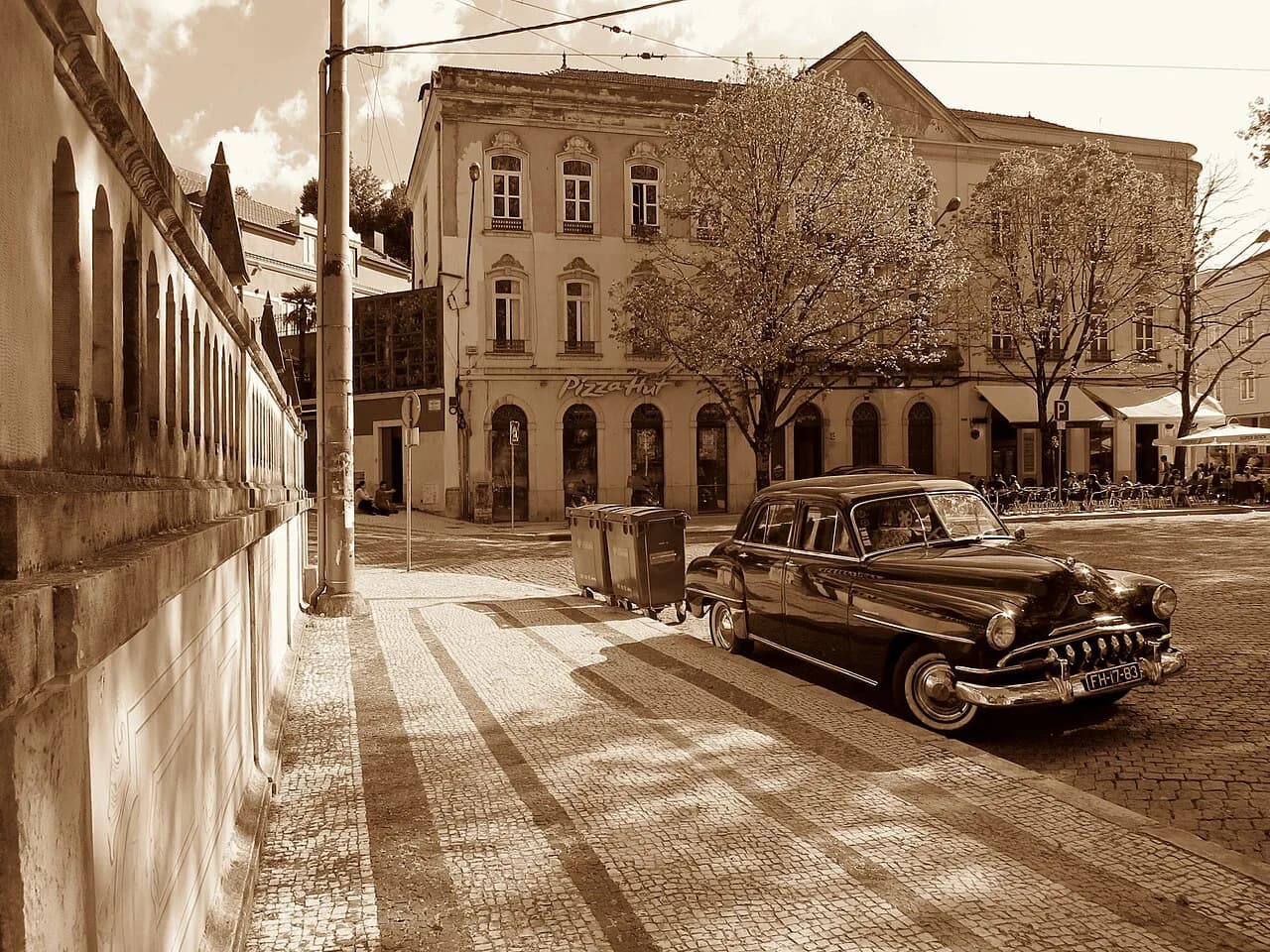
Praça da República, Coimbra: the Student Square and the Streets Around It

Praça da República is worth 20 to 30 minutes of your Coimbra day if you are walking between the Alta and the Baixa anyway, but it is a lived-in student square rather than a monument. It sits on the flat ground between the university hill and the lower town, so it works best as a pause on a route rather than a destination in itself. This guide covers what you actually see there, how the area feels, who it suits and how to fold it into a short break.
Treat the square as an orientation point: from it you can head uphill into Alta Coimbra for the university quarter, or downhill into the Baixa for shopping streets and the river. The two directions give the area its character, half academic and half ordinary city.
What Praça da República is and where it sits
The square is a wide pedestrian space laid out during Coimbra's 19th-century expansion on land once belonging to the Monastery of Santa Cruz, and it was first named Praça D. Luís. It took its present name after the Portuguese First Republic was proclaimed on 5 October 1910, which is why the name reads as civic rather than royal. Locals and students shorten it to "A Praça".
Its position is the practical point: the square links the monumental academic heart on the hill, the Alta, with the 19th-century residential and commercial avenues of the Baixa. That makes it the natural place to switch from sightseeing uphill to errands, coffee and river-bound wandering below. For a wider sense of how the city's districts divide, the Coimbra Neighbourhoods: 4 Area Guides page sets out the options.

What you will see on the square
Underfoot is the classic Portuguese mosaic pavement of white and black stone, the calçada portuguesa, which reads best in low morning or evening light. Around the open space stand multi-storey buildings with revivalist facades from the late 19th and early 20th centuries, mixed with mid-century modernist blocks added later. It is an architectural mix rather than a set piece.
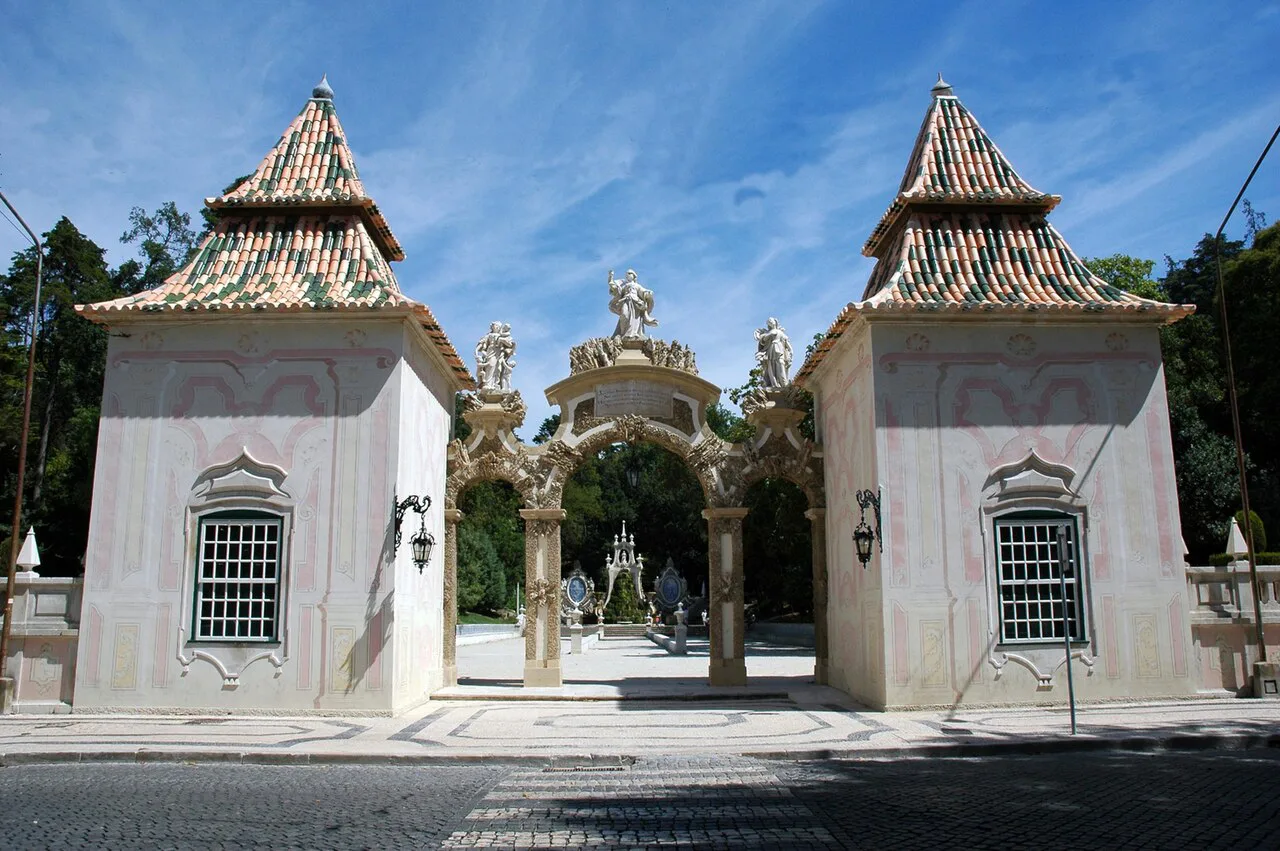
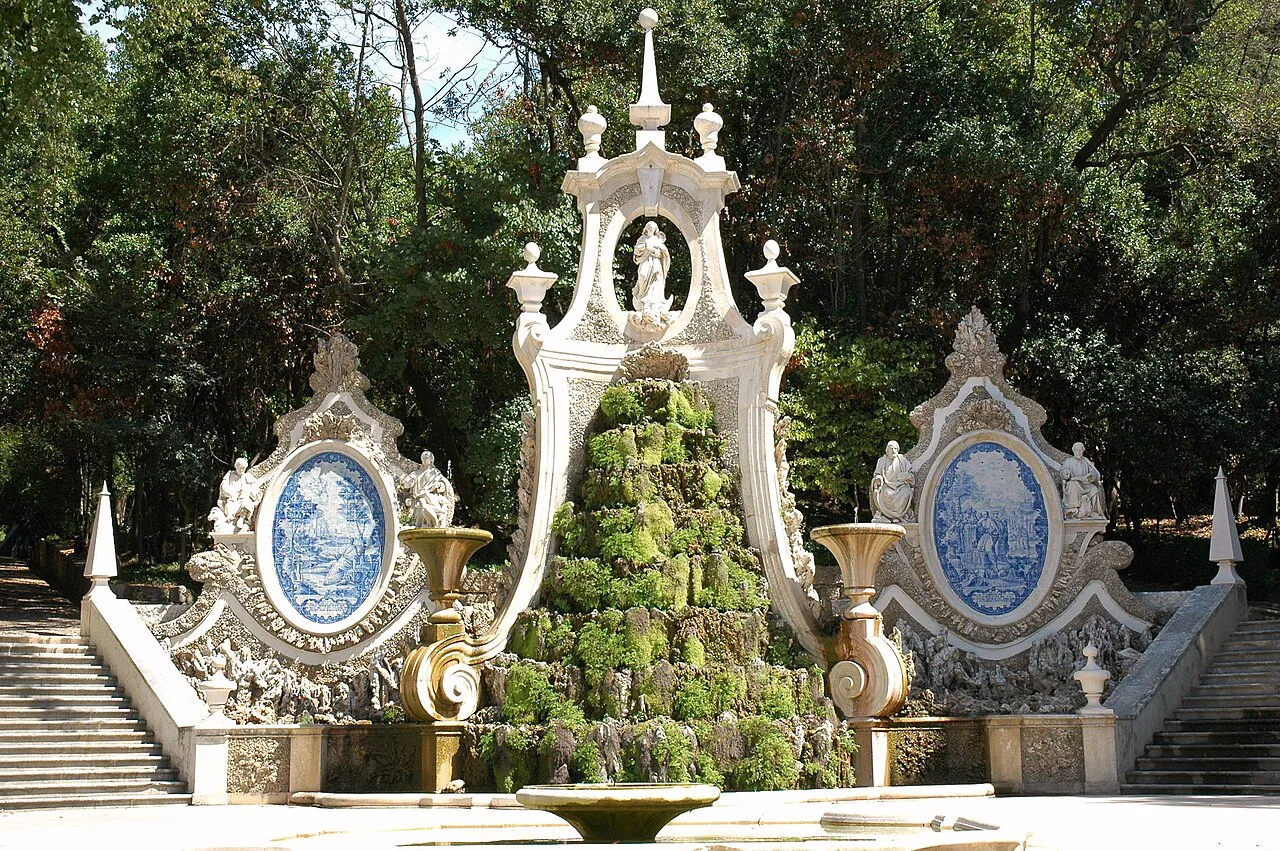
Look for a small curiosity at the edge of the adjoining Parque de Santa Cruz, also known as Jardim da Sereia: road-levelling works raised the level of the square and buried the 13 original steps that once climbed to the garden's 18th-century entrance. The bases of the pavilions flanking the portal remain partly below street level, so the garden gate now sits oddly shallow. It is a two-minute detour that most visitors walk past.

Teatro Académico de Gil Vicente and the Associação Académica
Two institutions give the square its purpose. The Associação Académica de Coimbra, the student association, has its headquarters here, and the Teatro Académico de Gil Vicente (TAGV) stands on the square too. The theatre was designed by Alberto José Pessoa and João Abel Manta in a modernist style and opened in 1961, a date worth knowing as history rather than as a visitor fact.
The TAGV runs a programme of theatre, dance and cinema, which makes it a possible evening anchor if your dates line up. What is on, when it starts and what a ticket costs are published by the theatre itself, so check its own listings before you build an evening around it.
How the area feels: student ground, evening convívios
For residents and students this is simply the main outdoor meeting point, and it functions as the crossroads of the city's nightlife without being a nightlife district in the bar-strip sense. Under local university custom, evening gatherings known as convívios start spontaneously on the square around 23:00 before breaking up into nearby bars and the self-managed student residences called repúblicas.
The soundtrack is cutlery and beer glasses on the metal tables outside, student chatter and acoustic guitars, and during the academic year the square also hosts the outdoor initiation rituals known as praxes. If that energy appeals, an evening here is authentic; if you want quiet, come in the morning.
The square also carries a political past: under the Estado Novo dictatorship it and the neighbouring student housing became a centre of intellectual dissent, culminating in the 1969 Academic Crisis, when students occupied the space to protest against the regime's repression. Reading the square as a protest site as well as a meeting place makes the plain paving more interesting.
Who the area suits, and who might prefer the Alta or the riverside
The area suits travellers who like watching a city work: students between lectures, a theatre with a real programme, and a flat, open space that is easy to cross on foot. It suits anyone staying in the Baixa who wants a short, level walk to the foot of the university hill before starting the climb.
It suits less if your short break is built on monuments and views. Readers wanting the cloisters, the Joanina library and the viewpoints should base the day around the university hill instead, and treat the square as a ten-minute pass-through; the Alta Coimbra guide covers that ground. Those who prefer a calmer, more residential base with the river in reach may find Santa Clara, Coimbra more restful in the evenings.
Getting there and around on foot
The square is open to anyone at any hour, so there is no gate, ticket or timetable to plan around. Arrive on foot: from the Baixa's shopping streets it is a short level walk, and from the square the climb into the Alta begins.
Build the walk as a loop rather than an out-and-back: cross the square, look at the buried steps by the Jardim da Sereia gate, then climb towards the Sé Velha and the university, and come back down through different streets. Comfortable shoes matter more than transport here, because the city's slopes do the work.
Where to eat and drink around the square
Metal tables outside are part of the square's furniture, and Café Cartola is the one named café sitting out on the pavement here. Use it as a marker for a coffee or a beer while you watch the square rather than as a destination in its own right, and judge the menu when you arrive.
For a fuller meal, the eating streets lie in the Baixa within a short walk downhill; the Baixa Coimbra guide sets out that ground. Prices, daily closing days and kitchen hours vary from place to place and are best read off the door or the venue's own page on the day.
Slotting the square into a one to four day Coimbra itinerary
On a one-day visit, use the square as the seam in the middle of the day: university hill and Sé Velha in the morning, lunch in the Baixa, then cross the square on the way to Santa Cruz and the river. On a two-day break, give it a slower pass in the evening when the tables fill, and keep the daylight hours for interiors and monuments.
With three or four days, the square becomes a useful reference point rather than a stop: you will cross it repeatedly between the Alta and the Baixa, which is exactly how locals use it. Plan opening days for museums and monuments building by building, since Portuguese institutions often keep their own weekly closing day.
What is within walking distance
The Jardim da Sereia and Parque de Santa Cruz adjoin the square, giving you a green pause and the buried-steps curiosity in one go. The Mosteiro de Santa Cruz, the Porta e Torre de Almedina and the Old Cathedral of Coimbra all sit within a short walk, which makes a compact circuit possible without transport.
Uphill, the Universidade de Coimbra and its historic buildings sit within the Alta; the Coimbra Attractions: 10 Visitor Guides page gathers the individual sights so you can check each one's opening arrangements. Allow more time than the map suggests, because the gradients slow you down.
Practical points for a short visit
The square has no admission charge and no opening hours of its own, so it costs nothing to include. What does cost money and keep fixed hours are the monuments, theatres and museums around it, and those details are published by each venue; check them for the days you are in town, along with any public holiday closures.
Allow half an hour for the square and its garden edge, and treat any longer stay as time spent watching the city rather than sightseeing. Photography is easiest in the morning, when the calçada pattern is not crowded by tables and people.
Should the square be in your Coimbra plan?
Yes, but as a hinge, not a headline: cross Praça da República between the Alta and the Baixa, look for the buried steps by the Jardim da Sereia, and come back in the evening if the student tables appeal. If your days are short and monument-heavy, pass through once and put the hours into the university hill instead.
Frequently Asked Questions
Is Praça da República worth visiting in Coimbra?
It is worth a 20 to 30 minute pass if you are walking between the Alta and the Baixa, because the square is the natural seam between them. It is not a monument, so do not cut time from the university hill or the old cathedral to see it.
What is there to do around Praça da República in the evening?
The square is the city's main outdoor student meeting point, and gatherings start on it around 23:00 before moving to nearby bars and student residences. The Teatro Académico de Gil Vicente also stages theatre, dance and cinema; check its own programme for what is on during your dates.