
Museu D. Diogo de Sousa: Braga's Archaeology Museum

The Museu D. Diogo de Sousa is Braga's archaeology museum and deserves an hour or two rather than a quick dash: its permanent exhibition traces human occupation of northern Portugal from the Paleolithic to the Middle Ages, with the Roman city of Bracara Augusta as the centrepiece. It suits travellers who want the buried city explained before or after walking its streets. This guide covers where the museum sits, how the rooms are laid out, how long to allow and what to pair with it nearby.
Why the museum is worth an hour or two
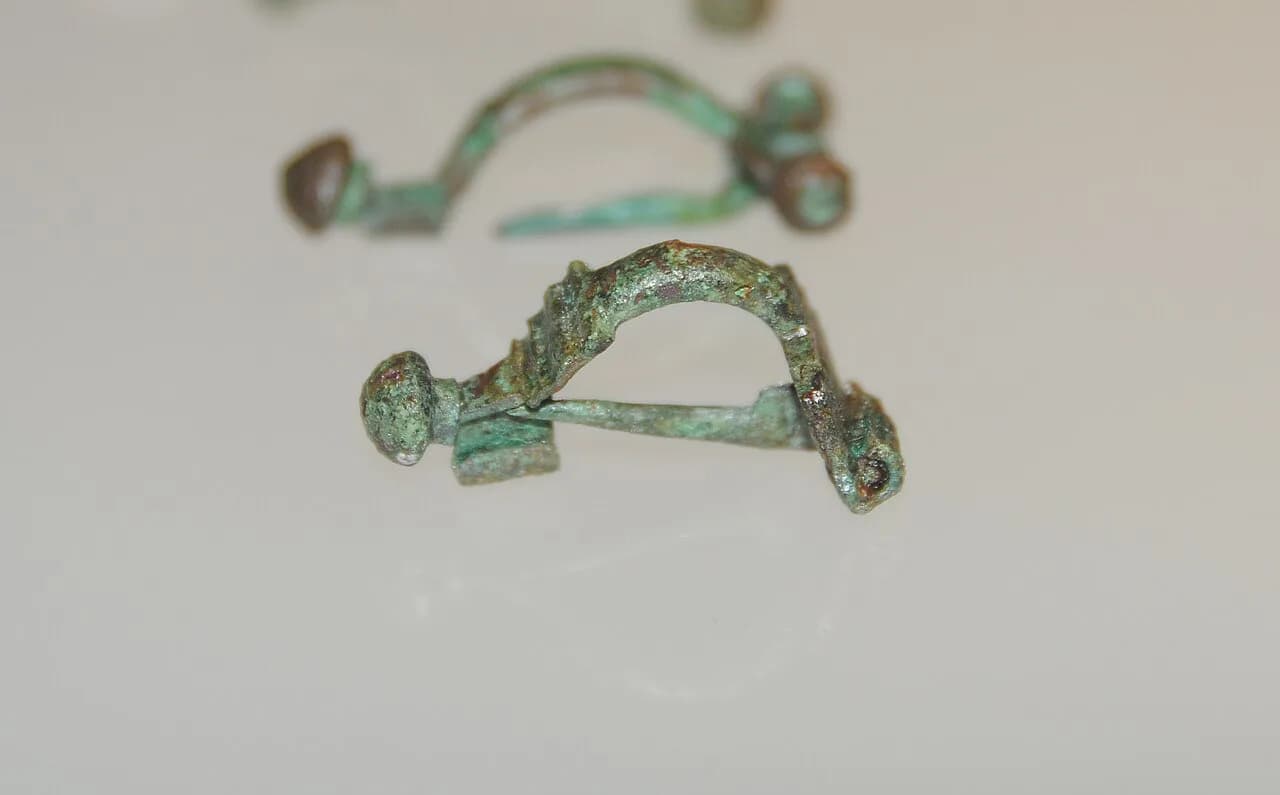
Braga is one of Portugal's oldest cities, and this Museum holds the material evidence behind that claim: the museum presents finds from the Paleolithic through to the Middle Ages, most of the prehistoric and protohistoric pieces coming from sites across the northwest of the Iberian Peninsula. The Roman material excavated in Braga itself is the strongest reason to come, since Bracara Augusta was the only provincial capital of the Roman empire on Portuguese territory and later the capital of the Suevo kingdom. If you have already walked the centre, the displays fill in what stood where.

Where the museum is and how to reach it
The Museum stands at Rua dos Bombeiros Voluntários in Braga, a short walk from the historic centre rather than out on the city fringe, which makes it easy to fold into a morning or afternoon of sightseeing. The museum publishes its address, telephone and email contact details alongside the exhibition information, so you can confirm the exact entrance before setting out. If you are working out how the museum fits with the rest of the city, start from our Braga Attractions: 9 Visitor Guides and slot the museum into the day that stays closest to the centre.

Opening days and hours
The museum opens Tuesday to Sunday from 10:00 to 17:30, which means Monday is out and a weekday morning is the calmest bet. That 17:30 close is the end of the day, not the last entry, so aim to be inside well before it if you want the Roman rooms without rushing. The museum keeps its own opening times on its website if you want to confirm them for the day you plan to visit.
What to see in the permanent collection, room by room
The permanent exhibition is arranged in a clear sequence, so you can follow it without a map. The entry-floor corridor introduces the history of the museum and of archaeology in northern Portugal, starting with Archbishop D. Diogo de Sousa, the figure whose name the museum carries. Room 1 holds the prehistoric and protohistoric collections, running from the Paleolithic to the Iron Age. Room 2 covers how Bracara Augusta fitted into the Roman empire, and how trade and imported technology shaped the local economy.
Room 3 turns to the organisation of public and domestic space in Bracara Augusta, the part that makes most sense of the street plan you have just walked through. Room 4 gathers evidence of the city's roads, the necropolises on its edges, finds linked to Roman and early Christian religious practice, and the medieval nucleus. Work through the rooms in order and the museum reads as a story rather than a case-by-case parade.
The in-situ mosaics on the lower floor
The museum is also an archaeological site: in the basement of the service block you can see remains left exactly where they were found, including a residential structure with two large panels of two-colour mosaic dated to the first century. Many short visits miss this floor entirely because it sits away from the main exhibition route, so ask at the desk or look for the stairs down before you leave. It is the single detail that sets this museum apart from a conventional collection.
The Bühler-Brockhaus donation and the wider Mediterranean
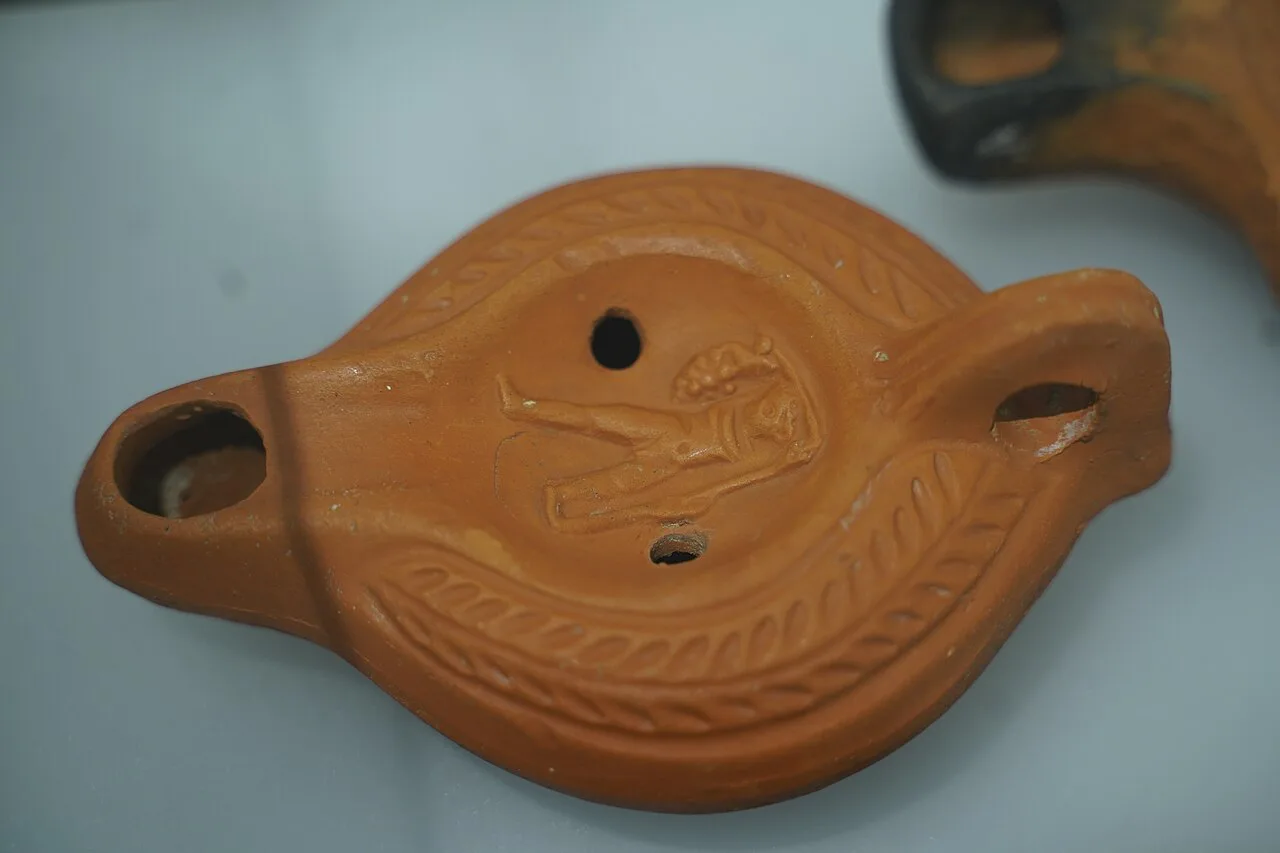
Alongside the Portuguese material, the museum permanently displays an international collection assembled through the Bühler-Brockhaus donation, which widens the story from northern Portugal to the western Iberian Peninsula's relationship with the classical Mediterranean. If you have already visited the Roman sites elsewhere in Portugal, this room gives useful context, and if this is your first encounter it explains why so much Mediterranean pottery and metalwork turns up in Braga's soil. Allow extra time here if you like looking at objects closely.
How much time to allow
An hour covers the main sequence of rooms if you move briskly; two hours lets you read the panels, take in the Bühler-Brockhaus pieces and still find the in-situ mosaics on the lower floor. Build the visit into a half-day rather than a full one, and put it before a walk through the centre so the Roman street layout is fresh in your mind. If you are travelling with children who want interactive displays, treat this as a shorter stop and choose the centre's churches and gardens for the rest of the time.
Shop, garden and the closed café
The museum has a shop and a garden, and its café is temporarily closed to the public, so plan your coffee or lunch elsewhere rather than counting on a break inside the building. The garden makes a calm five-minute pause in good weather, and the shop is the place to look for archaeology titles if you want to read further. Check the museum's own site before relying on the café for anything more than a stop on the way in.
Costs and tickets
The museum publishes details of its ticket desk on its own site, so confirm the current admission charge there before you go rather than assuming it from other museums in the region. Ask about any reduced rate at the desk if you qualify.
Nearby sights to pair with the museum
Braga's centre is compact, and the museum fits neatly with the cathedral quarter and the streets around the Arco da Porta Nova, so you can walk out of the Roman rooms and straight into the medieval city. The Palácio dos Biscainhos is another good pairing, a town palace that shifts the story from antiquity to the eighteenth century in a few minutes' walk. Keep the museum to the morning and leave the afternoon for these, since the light and the crowds both improve for photographs later in the day.
If you want one longer excursion, the Bom Jesus do Monte in Braga is the obvious half-day out, with its monumental stairway and sanctuary up above the city. The Sameiro Sanctuary sits nearby and can be combined with it. It is worth knowing that the two are best treated as a separate outing rather than squeezed in after the museum.
Who the museum suits and who might skip it
The museum rewards travellers who already have some curiosity about Roman Portugal, and it is the natural indoor counterpart to a walk around Braga's historic centre. It is less suited to families expecting hands-on exhibits, and anyone with only a couple of hours in the city should probably choose the cathedral and the central squares instead. If you are weighing up what else to do with a short break, our things to do in Braga covers the wider set of options without repeating the museum.
Should you put the museum in your Braga plan?
Yes, if you want to understand the Roman city under the modern one: an hour or two on a Tuesday-to-Sunday visit, with the first-century mosaics on the lower floor as the reason to slow down. Pair it with the cathedral quarter and the Palácio dos Biscainhos for a full day, and check the museum's own site for the day's opening times and ticket price before you go.
Explore more Braga guides
Frequently Asked Questions
How long should I spend at the Museu D. Diogo de Sousa?
Plan for one to two hours. An hour gets you through the main sequence of rooms from prehistory to the medieval period, while two hours lets you read the panels, take in the Bühler-Brockhaus donation and find the in-situ Roman mosaics on the lower floor of the service block.
Is the museum open on Mondays?
No. The museum opens Tuesday to Sunday from 10:00 to 17:30, so Monday is the day to plan something else in Braga.
Can I get coffee at the museum?
Not at present. The museum's café is temporarily closed to the public, so plan a stop at a café in the centre instead, either before or after your visit.
Where is the museum in relation to Braga's historic centre?
It is on Rua dos Bombeiros Voluntários, a short walk from the historic centre, which makes it easy to combine with the cathedral quarter and the central squares in a single morning or afternoon.