
Palácio dos Biscainhos: A Practical Visitor Guide

Allow 60 to 90 minutes for the Palácio dos Biscainhos in Braga, with the walled garden first and the state rooms second. The 17th-century palace was remodelled in the first half of the 18th century and has housed the Museu dos Biscainhos since 1978, so what you see is a noble household rather than a national art collection. This guide covers where the palace sits on Rua dos Biscainhos, what to look for in the garden and interiors, how to fit it into a short Braga break and which nearby sights pair with it.
What the Palácio dos Biscainhos is
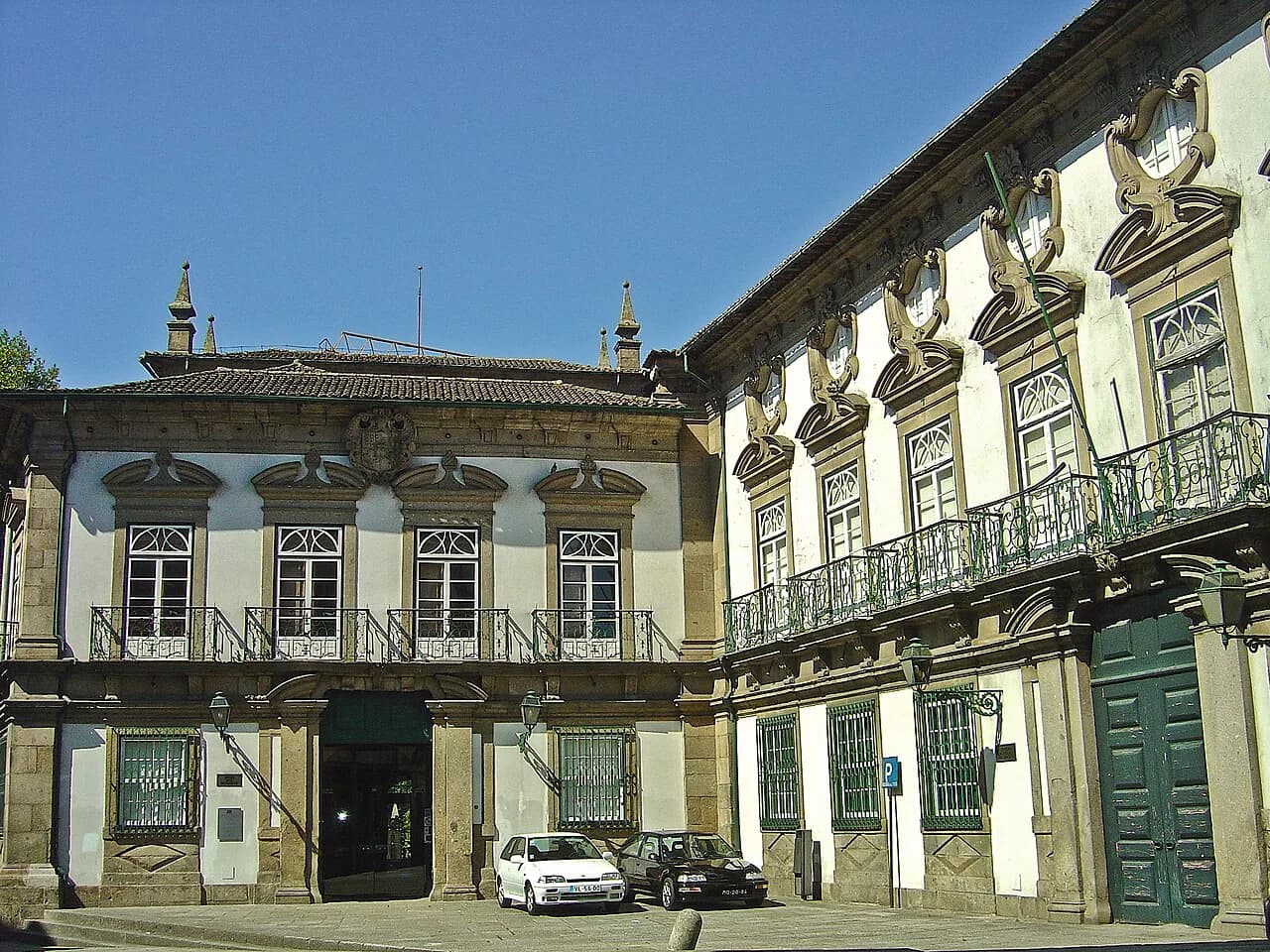
The Palácio dos Biscainhos is a former noble town house on Rua dos Biscainhos, a short walk north-west of Braga's cathedral in the historic centre. It was founded in the 17th century and transformed into its present form in the first half of the 18th century, then became a museum in 1978. The building and its garden form one heritage complex, and the museum's programme is built around illustrating life in a Portuguese noble household across the 17th and 18th centuries.
This is a house museum, not a fortress or a blockbuster gallery. Its value lies in the survival of the interiors as a set: wall panels of 18th-century azulejos, painted and ornamented ceilings, and rooms that show how a wealthy family arranged its living spaces. If you have already spent the morning on the cathedral or the Roman remains, the palace gives you the domestic and decorative layer that the churches and monuments leave out.

Where it is on Rua dos Biscainhos
The address is Rua dos Biscainhos, postcode 4700-415 Braga, and the museum's published contact line is 253 204 650. From the Sé cathedral and the surrounding historic core you reach it on foot in a few minutes through the streets behind the cathedral quarter, which makes it easy to combine with a morning in the centre. Coming from further out, use the centre as your target and walk from there rather than hunting for a dedicated car park.

Start in the garden
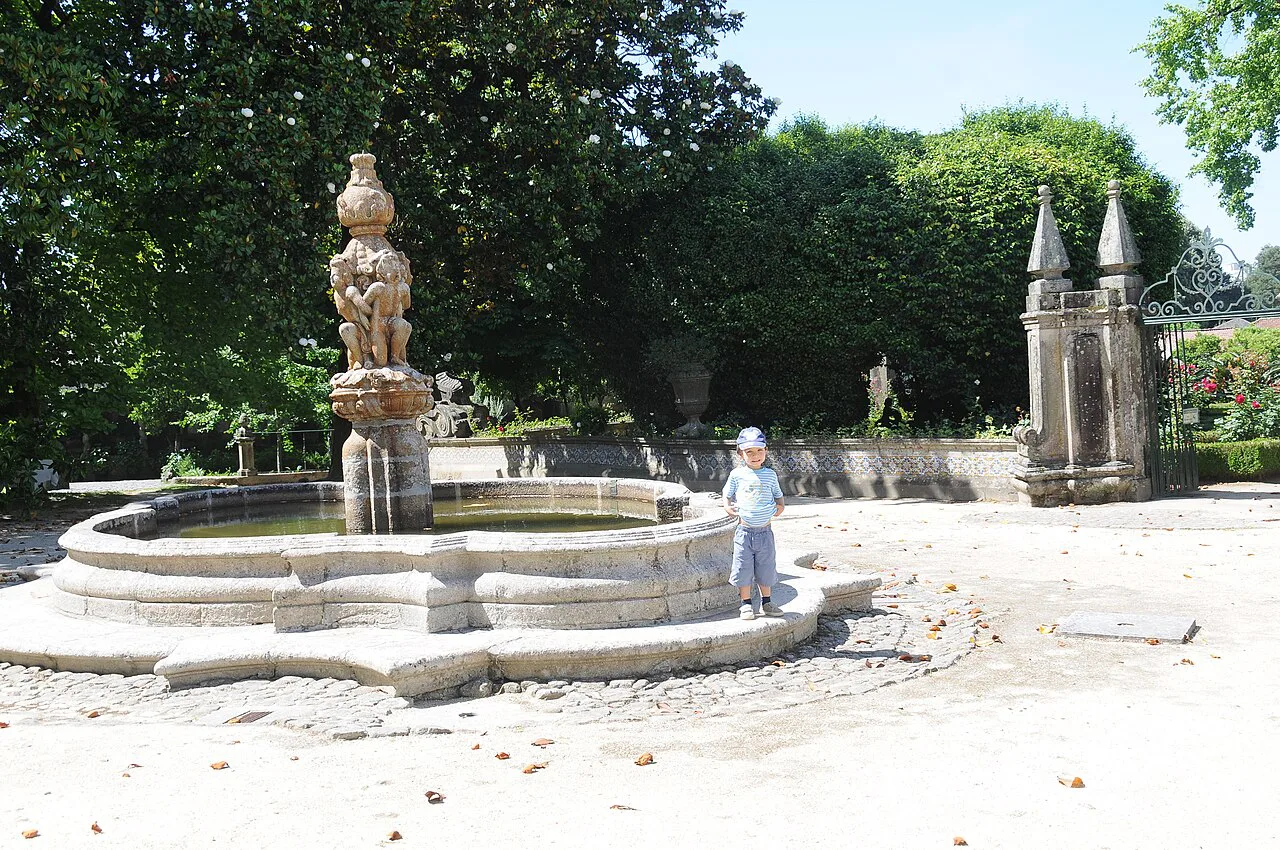
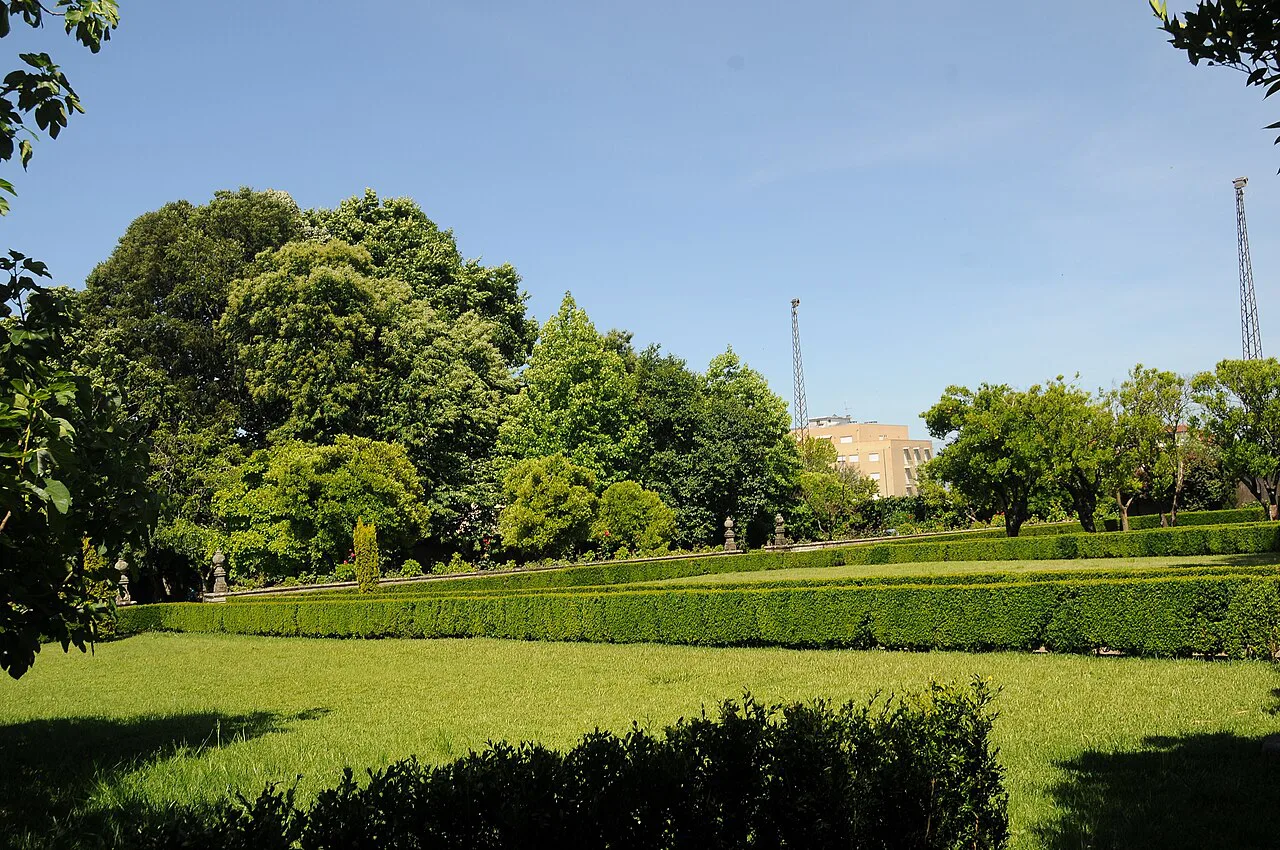
Visitors typically begin with the gardens before entering the palace, which sets up the visit well: you get the outdoor setting of the household first, then see how the rooms behind it were arranged. The garden is a walled, formal space attached to the house, not a public park, and it is the part of the property most often mentioned by travellers as a place to stroll. Allow a leisurely 15 to 20 minutes here before going inside.
Treat the garden as a frame rather than the main event. Its value is in showing the scale of the property and the separation between the noble house and the street outside. If you are visiting Braga with limited time, this is the part you can compress without losing much.
Inside the palace: azulejos and painted ceilings
The interiors are the reason to come indoors. The museum highlights compartments with wall coverings of 18th-century azulejos and ceilings with paintings and ornamental treatment, the kind of decoration that made a Braga town house a statement of rank. Look up as well as at eye level: the ceilings are easy to miss when you are reading labels and looking at furniture.
The collection is presented to illustrate the daily life of the Portuguese nobility in a seigneurial house of the 17th and 18th centuries, so read it as a household rather than a fine-art museum. Objects, furniture and room layout carry the story. If your taste runs to heavier monuments, the palace may feel modest; if you like interiors, domestic history and tile work, it earns its place in a one- to four-day Braga visit.
How long to allow
Budget 60 to 90 minutes for the garden and palace together, and treat that as a generous stop rather than a rushed one. That fits neatly into a Braga day built around the centre, for example after the cathedral and before an afternoon elsewhere. If you are in Braga for three or four days, the palace works well as a quieter mid-morning or early-afternoon visit between larger sights.
Tickets, opening hours and closures
Check the palace's own pages before you set out, because opening times, ticket prices and any closure days can change by season. The municipal museum page gives the address, telephone and email, and points you onward to the official museum and monuments site where the current visiting information is kept. Do not rely on a fixed closure day from memory; confirm it for the week you are in Braga.
What's nearby
The palace sits in the historic centre, so most of Braga's central sights are a short walk away. The Sé cathedral and the surrounding streets are the obvious pairing, and the Arco da Porta Nova and the Jardim de Santa Bárbara are within easy reach on foot for a walk that links the palace to the rest of the old town. Build a half-day loop through the centre rather than treating the palace as a separate trip.
If you want to continue with museums, the Museu D. Diogo de Sousa covers archaeology and the Palácio do Raio gives you another decorated town house to compare. Both are central and pair sensibly with the Biscainhos without turning your day into a museum marathon.
Who should skip it
If your Braga time is one packed day and you are prioritising the big set pieces, the palace is the kind of stop you can drop without regret. Travellers who want dramatic architecture, long vistas or a full afternoon of exhibits will find more payoff at Bom Jesus do Monte, where the sanctuary and its setting fill a half-day on their own. The Biscainhos rewards people who like interiors, tile work and small house museums; it is not the reason to come to Braga.
Should the Palácio dos Biscainhos be on your Braga list?
Put the Palácio dos Biscainhos on your Braga list if you enjoy domestic history, azulejos and painted ceilings, and slot it into a central morning with the cathedral and the old-town streets. It is a 60- to 90-minute stop that works best as the calm, small-scale counterpoint to Braga's larger monuments. Confirm the current opening times and ticket price on the museum's own pages before you go, then build the rest of the day around the centre.