
Theatro Circo, Braga: What to See and How to Plan a Visit

Theatro Circo is worth building an evening around rather than treating as a daytime sight: it is Braga's principal stage, described as a revivalist theatre on the city's main avenue. Outside performance times the building gives you little reason to detour unless a guided visit is running, so the practical question is which show fits your one- to four-day break. This guide covers where the theatre sits, what the auditorium offers, how booking works and how to slot a performance into a walk through central Braga.
What Theatro Circo is
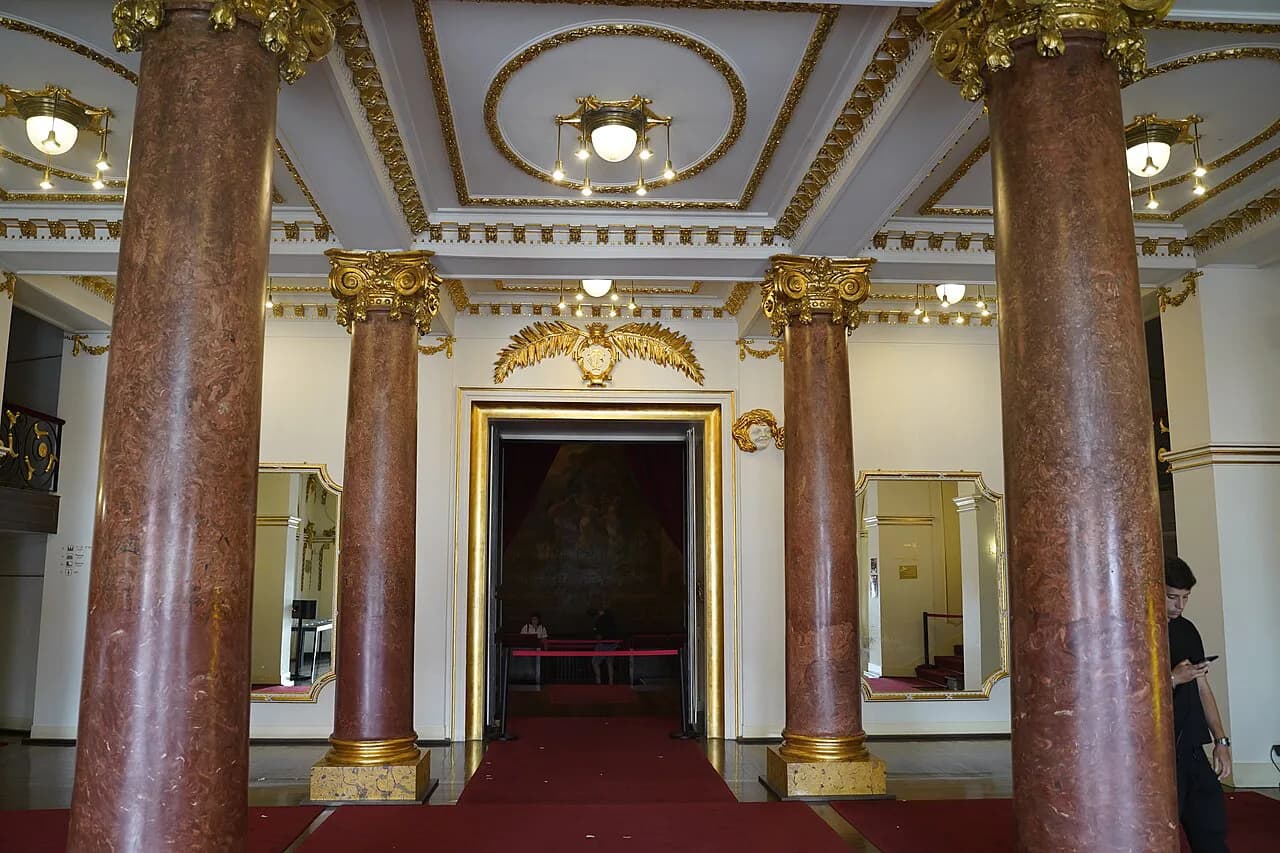
Theatro Circo is described as a 20th-century Portuguese revivalist theatre in the civil parish of São João do Souto, in the municipality of Braga. It is characterised in visitor listings as having opened in April 1915 and as the city's most important cultural space, with events on an almost daily basis. That combination of a century-old auditorium and a busy contemporary programme is what makes it more than a heritage building.
Think of it as the anchor of a Braga evening rather than a museum stop. The theatre's own site presents it as the city's main cultural stage, where history, art and contemporary work meet in the heart of Braga. If your short break is built around sights such as the cathedral and the sanctuaries, a show here is the natural counterweight after a day on your feet.

Where it is and how it fits into a walk through Braga
The address is Avenida da Liberdade, 697, 4710–251 Braga, on the broad avenue that runs through the centre. It sits in São João do Souto, a central parish you will cross on most walking routes between the historic core and the newer part of town. Because it is on the main avenue rather than buried in the medieval lanes, you can reach it on foot from the centre without a detour.
Treat the avenue as the spine of an afternoon: work your way through the central sights, then finish at the theatre for an evening performance. If you are still choosing which monuments to prioritise, the wider set of Braga Attractions: 9 Visitor Guides covers the cathedral, the palaces and the gardens in one place. The theatre then becomes the fixed point your day arranges itself around.

What to see inside
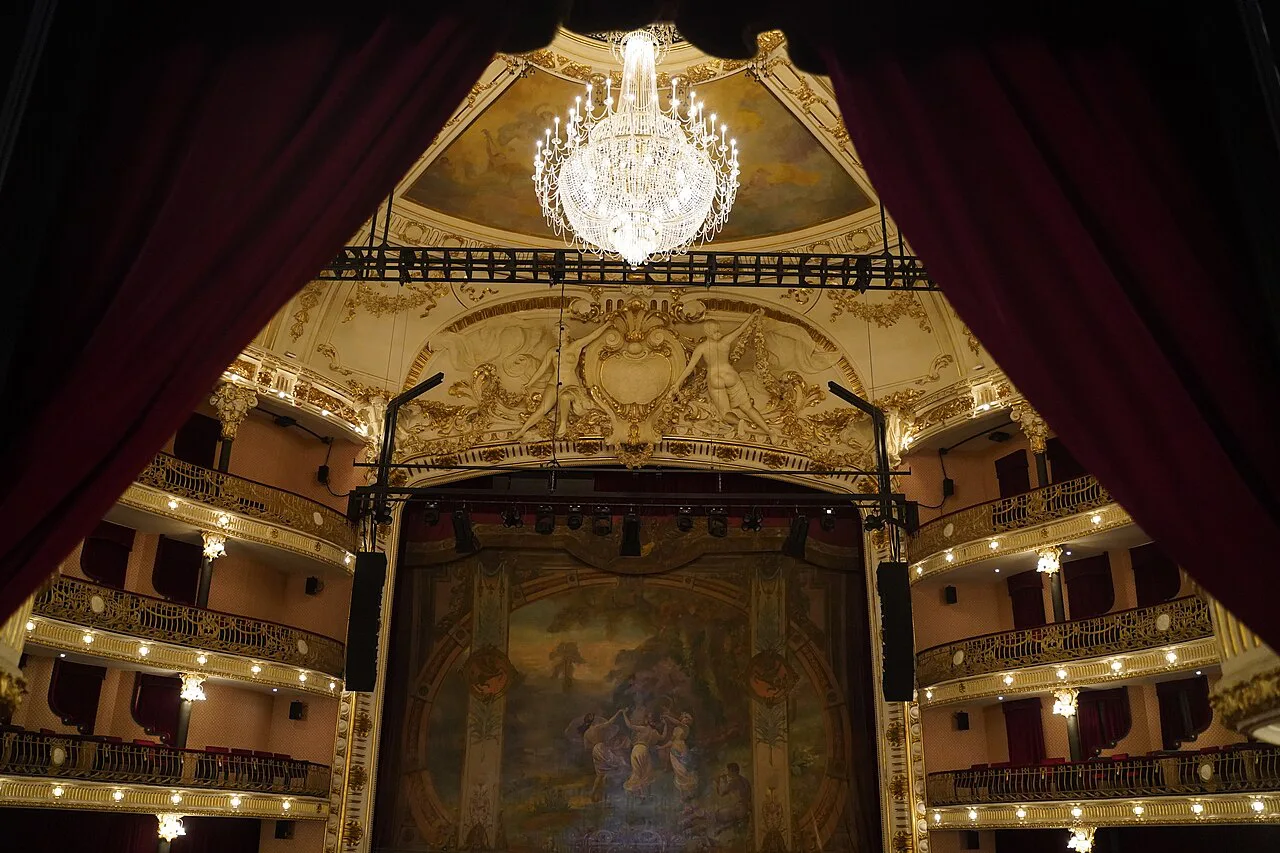
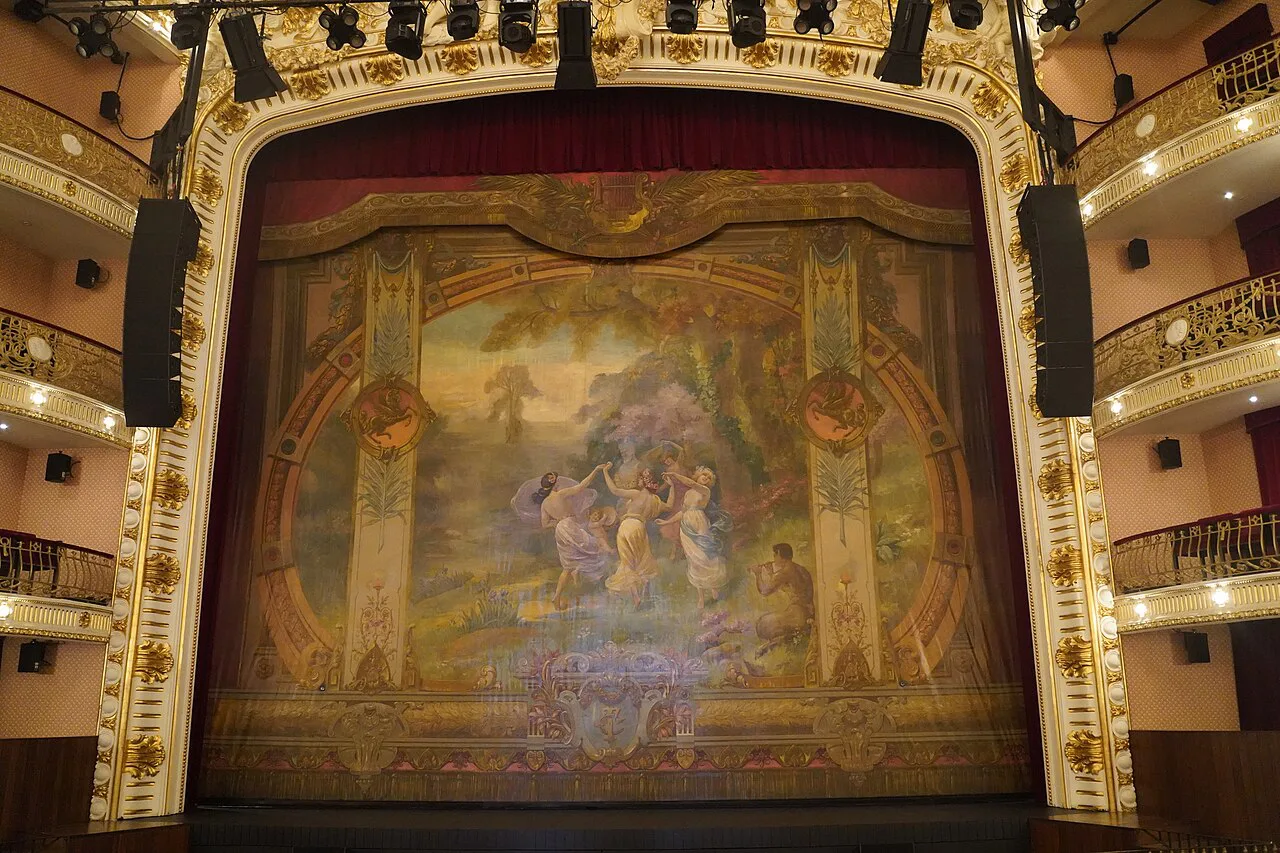
The draw inside is the auditorium itself, and the theatre's own booking form organises seats by zone: 1ª Plateia, 2ª Plateia, Galeria and the 1º, 2º and 3º Balcão. Those names tell you the layout before you commit, and choosing the zone is the first decision when you book. If a particular production matters to you, decide on the zone first and then look at what is available in it.
The theatre publishes zone names rather than a detailed seat plan in the material available, so treat the zone as your main choice before booking. Because the boxes and balconies sit at different heights and angles to the stage, the view and the atmosphere vary between levels. Pick the zone that suits how you want to watch the show, then look at what is available in it.
What's on: theatre, dance, music and multidisciplinary work
Programming spans theatre, dance, music and multidisciplinary work, so a single short break can offer something quite different each night. Listings on the theatre's own site include dance pieces, music bills and a festival slot for Semibreve, alongside mediation and theatre performances marking the twentieth anniversary of the building's reopening. Check the programme for your own dates rather than assuming a particular genre will be on.
Some events are flagged as suitable for children and young people, which makes the theatre a realistic option for families who want an evening out without splitting up. Festival periods, such as the Semibreve slot, cluster several performances into a few days and can fill the calendar quickly. If your trip coincides with one, book early rather than leaving it to the day.
Tickets and booking
Tickets are sold through the theatre's Bilheteira, and an online seat reservation is only valid once the theatre confirms it by email. That step matters: submitting your details through the form does not by itself secure the seats, so keep an eye on your inbox before you build the rest of the evening around a show. Check the Bilheteira section for the production you want.
Booking in advance is the safer choice for a short break, particularly for festival performances and one-off anniversary shows, which are the kind of dates that sell out first. The theatre's programme runs close to a daily schedule, so decide your date before you travel and reserve through the Bilheteira rather than gambling on the door.
Accessibility and guided visits
The theatre's website has separate sections for accessibility and for guided visits, and both are worth reading before you book if either matters to your group. A guided visit is the way to see the building when you are not attending a performance, and it is the main reason to come here in daylight hours. Check what is scheduled for your dates rather than assuming a tour will be running.
If step-free access, seating with more space or help on the night affects your plans, raise it when you book so the theatre can advise on which zone suits you. The seating is spread over stalls, balconies and a gallery, and the experience differs by level. Sorting this out in advance is far easier than doing it at the door.
How much time to allow and when to go
Allow the length of the performance plus around half an hour either side for finding the entrance on Avenida da Liberdade, collecting tickets and settling into your seat. Shows at the theatre are generally evening events, which suits a Braga itinerary: spend the day at the monuments and gardens, then eat before or after the performance. The theatre's programme pages give start times for each production.
If you are not seeing a show, do not build your day around the theatre unless a guided visit is scheduled. That is the honest trade-off: the building is a working venue, not an attraction with regular daytime opening for casual visitors. Put the hours you save into the sights nearby instead.
Nearby: pairing a show with central Braga
A show on Avenida da Liberdade pairs naturally with the centre's other sights. The Jardim de Santa Bárbara gives you a shady pause before the evening, the Palácio do Raio and the Palácio dos Biscainhos cover baroque architecture and decorative arts, and the Sé de Braga anchors the historic core. Build a loop that ends near the theatre rather than doubling back across town.
For archaeology and Roman Braga, the Museu D. Diogo de Sousa and the Termas Romanas do Alto da Cividade fill a morning, and the Arco da Porta Nova marks the old gate on a central walk. If you have a full day beyond the city, Bom Jesus do Monte in Braga is the classic excursion, and the Sameiro Sanctuary sits higher up the same hill. Keep those for daylight and save the theatre for the evening.
Sameiro Sanctuary is the quieter of the two hilltop sites and works best combined with Bom Jesus rather than as a separate trip. Whichever you choose, plan it for the daytime and return to the centre for the performance. That rhythm gives a short Braga break both its landscape and its culture in one day.
Is Theatro Circo worth an evening of your Braga break?
Yes, if you are going to a performance. The theatre earns its place in a one- to four-day Braga itinerary as an evening out in a revivalist building with a programme that runs close to nightly, covering theatre, dance, music and multidisciplinary work. Choose your date, pick a seat zone and reserve through the Bilheteira, then wait for the email confirmation before counting on the seats.
If you are not seeing a show, the case is much weaker: come only for a guided visit, and check what is scheduled before you set out. Otherwise spend the day at the city's monuments and gardens and leave the theatre for a future trip. It is a stage first and a heritage sight second, and planning around that distinction is what makes a visit work.
Frequently Asked Questions
Is Theatro Circo worth visiting if you are not seeing a show?
Only if a guided visit is running. The theatre is a working venue rather than a daytime attraction, so outside performance times there is little to see. Check the guided visits section of the theatre's website for your dates before making the trip.
Do you need to book Theatro Circo tickets in advance?
It is the safer approach for a short break, especially for festival performances and one-off shows. Online reservations are only valid once the theatre confirms them by email, so reserve early enough to receive that confirmation before you travel.
How old is Theatro Circo?
Visitor listings date its opening to April 1915, making it a century-old venue, and it has since been restored. Its architecture is described as Portuguese revivalist, and it sits in the parish of São João do Souto in central Braga.