
Baleeira Fort (Forte da Baleeira), Sagres: What to Expect
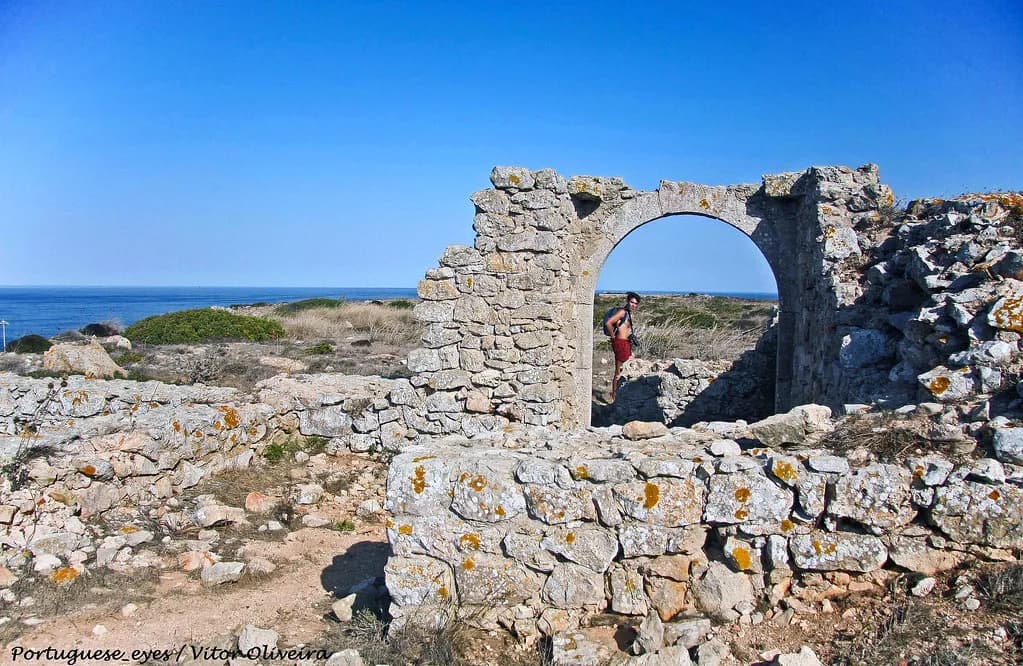
Baleeira Fort, or Forte da Baleeira, is a brief harbour-side stop: a small fortified position on the cliffs above Porto de Baleeira, at the village end of the Sagres peninsula. Allow ten to twenty minutes for the views and the walk past it, and treat it as one link in a circuit that takes in the larger fortress and the cape.
What Baleeira Fort is and where it sits
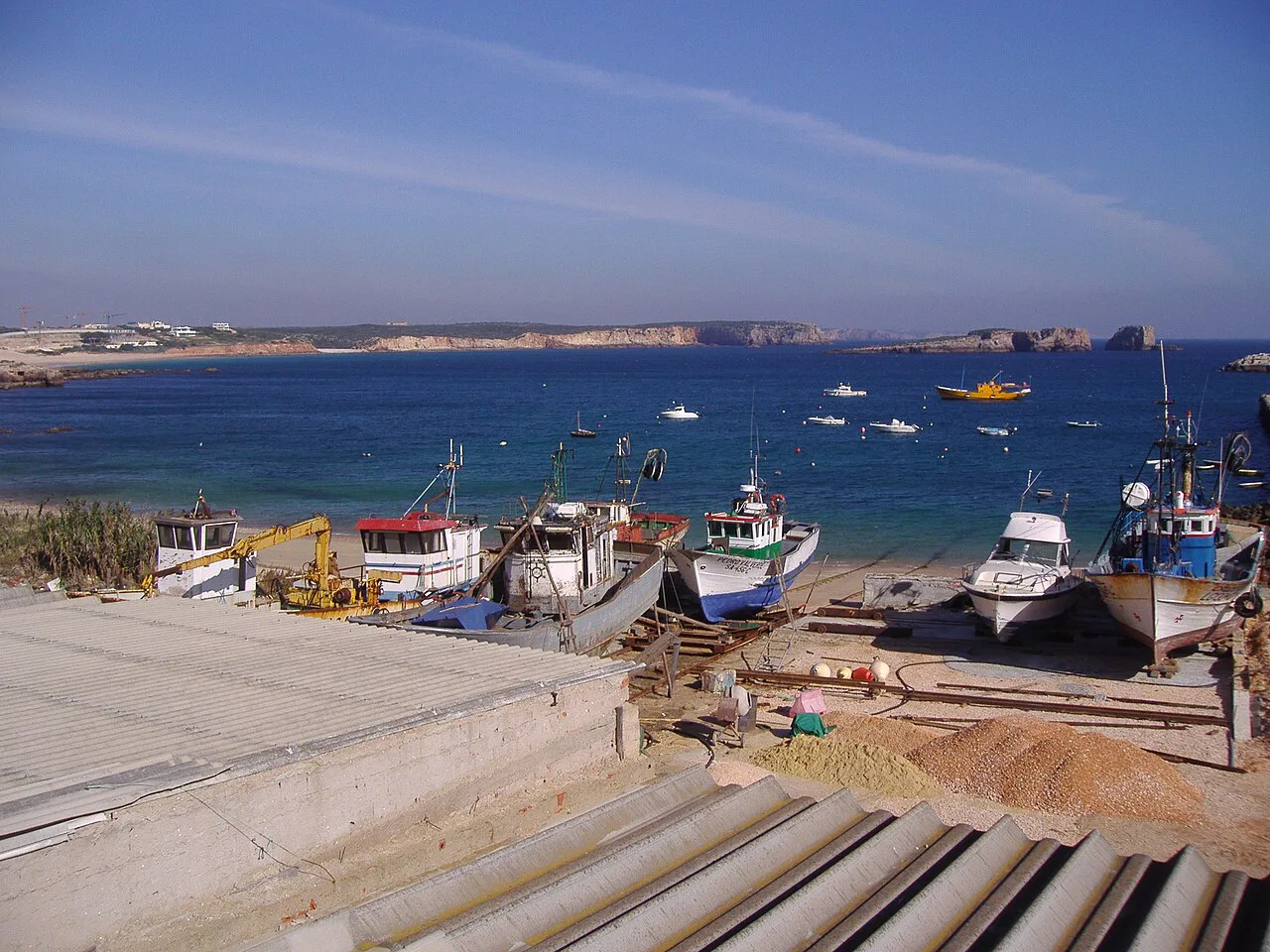
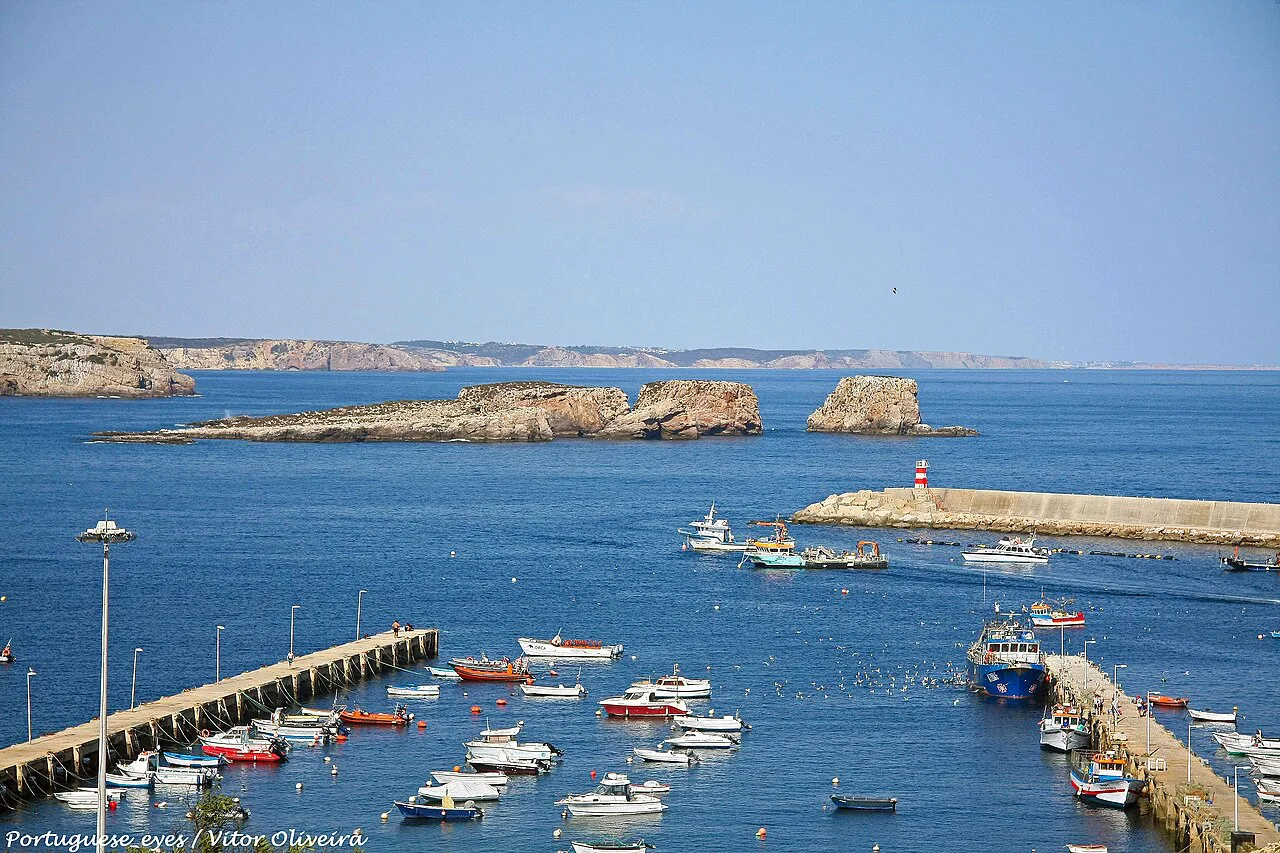
Forte da Baleeira stands on the cliff line above Porto de Baleeira, the working fishing harbour on the western side of Sagres village. The harbour is where the village meets the Atlantic, with fishing boats, tides and a weathered waterfront, and the fort is associated with that seaward setting. Read the spot as a historic marker and lookout over the harbour rather than as a walled complex to tour.
Sagres itself is the south-western corner of the Algarve, wrapped into the Parque Natural do Sudoeste Alentejano e Costa Vicentina, the protected coastal park that runs up the wild west coast. The peninsula is short and walkable, with the harbour on one flank, the village in the middle and the great headland of the Fortaleza de Sagres at the tip. The fort is the first historic marker you meet when you walk out from the village towards the cape.

How to reach it on foot
From Sagres village, walk down towards the harbour on the Baleeira side and follow the coast road and cliff paths until you reach the fort above the boats. The distance is short enough that most travellers will cover it in a quarter of an hour or so from the centre, though the exact walking time depends on where you start. Wear proper shoes: the cliff edges and the paths around the harbour are uneven underfoot.
The most sensible approach is a one-way peninsula circuit: harbour and fort first, then the Fortaleza de Sagres, then out to the cape, with a taxi or a lift back if your legs are done. The Sagres Attractions: 4 Visitor Guides hub sets out the other stops on that loop so you can sequence them without backtracking.

What you actually see at the fort
The appeal of the spot is its position above the harbour, with the Atlantic opening out in front and the cliffs running away towards the cape. This is the same stretch of coast that drew sailors and mapmakers to Sagres, seen from a low, quiet vantage point. Come for the light on the water and the harbour below.
There is no substantial built attraction to work through here, so treat the stop as a viewpoint over the harbour and the coast and then move on. The view from the path is the main reason to come.
The wider setting is what gives the spot its weight: this is the coast from which Infante Dom Henrique the Navigator backed the voyages that pushed Portuguese ships down Africa and on to Brazil, India and the Far East. The fort you see today is not the original fabric, and the story belongs mostly to the headland beyond it.
How much time to allow
Budget ten to twenty minutes at the fort itself, plus the walk to and from the village. That makes it a natural filler between the harbour and the main fortress, not a half-day in its own right. If you are short of time, the Fortaleza de Sagres and the cape deserve the hours.
A comfortable half-day on foot runs: harbour and fort, then the fortress, then the cape, with a drink back in the village. Travellers with a full day can add the coves and cliff paths on the western side, keeping the fort as a short pause rather than a destination.
If you have already walked out to Ponta da Atalaia on the west coast, you will recognise the pattern: a headland, a view and a story, with very little built infrastructure. Ponta da Atalaia rewards the same kind of traveller who likes a short clifftop stop with a big horizon.
Praia da Baleeira below the fort
Just below the fort, Praia da Baleeira is a pebble cove with clear turquoise water, backed by derelict buildings from its days as a fishing factory. It is a place for a quick look and a photograph rather than a long beach day, and the ruins give it a rougher, more industrial character than the polished Algarve coves further east. Pair the cove with the fort in one stop.
Sea conditions here are Atlantic, not Mediterranean, so judge the water by the swell on the day rather than by how it looks from the cliff. The stones make it less comfortable for lying out than a sand beach, which is why most visitors treat it as a viewpoint with a swimming option.
Nearby: the fortress and the cape
The main historic sight on the peninsula is the Sagres Fortress (Fortaleza de Sagres), a short walk further out towards the headland. It is a large wall cutting the mainland off from the promontory, with 60-metre cliffs on the other three sides, a giant wind compass used to aid early navigation, and the small chapel of Nossa Senhora da Graça. Plan on around 30 minutes inside for most visitors.
Fortress hours are given as 9:30 to 17:30 in low season and 9:30 to 20:00 in high season, with an adult entrance fee of €3 and €1.60 for children. Confirm at the gate before you build your day around them.
Beyond the fortress, the Cabo de São Vicente marks the south-western tip of Europe, with one of the continent's tallest lighthouses watching the Atlantic. The cape has been a place of cult since the fourth century BC, and most of what survives today dates from the eighteenth century, remodelled in the nineteenth to guide shipping towards Africa, the Mediterranean and the Americas. It is the natural end point of the peninsula circuit.
An honest trade-off
Baleeira Fort is a short, understated stop, not a museum visit, and the views are the main event. If you arrive expecting a full touring experience, you will be disappointed; if you arrive on the way to the fortress and the cape, it fits neatly into a short pause on foot. Its real value is the harbour scene below.
Check the current position on access before you set out, since no reliable published guidance covers opening times or entry rules for the fort itself. If you cannot get onto the site, walk the harbour wall, look at the cove and carry on towards the fortress.
Is Baleeira Fort worth the detour?
Yes, but on the right terms: as a ten-to-twenty-minute pause above the harbour on the way to the Fortaleza de Sagres and the Cabo de São Vicente, not as a destination in its own right. Walk it, photograph the cove and the boats, then spend your real time at the fortress and the cape, whose lighthouse is covered in the Sagres lighthouse guide.
Frequently Asked Questions
Is Sagres worth visiting?
Yes, if you want a wild Atlantic edge rather than resort Algarve. The peninsula packs a working harbour, a clifftop fortress, a famous cape and the protected coastal park into a short, walkable area, and the Baleeira fort is a small part of that circuit. Travellers looking for sand beaches and a lively resort scene will find Sagres quiet and windswept.