
Sagres Lighthouse: Visiting the Farol de Sagres at Cabo de São Vicente
The Sagres lighthouse, properly the Farol de Sagres, stands on Cabo de São Vicente, the most south-westerly point of mainland Europe. It is not a place you tour inside: the tower is not open to visitors, so treat the trip as a 30- to 60-minute stop to look at the light, walk the headland and take in the Atlantic. For most travellers the headland setting is the strongest reason to make the drive out to the cape.
This guide covers the position and history of the Farol de Sagres, the approach from town, how long to allow, and what sits nearby. It sticks to what can be confirmed rather than promising tower access or sunset timetables.
What the Sagres lighthouse is and where it stands
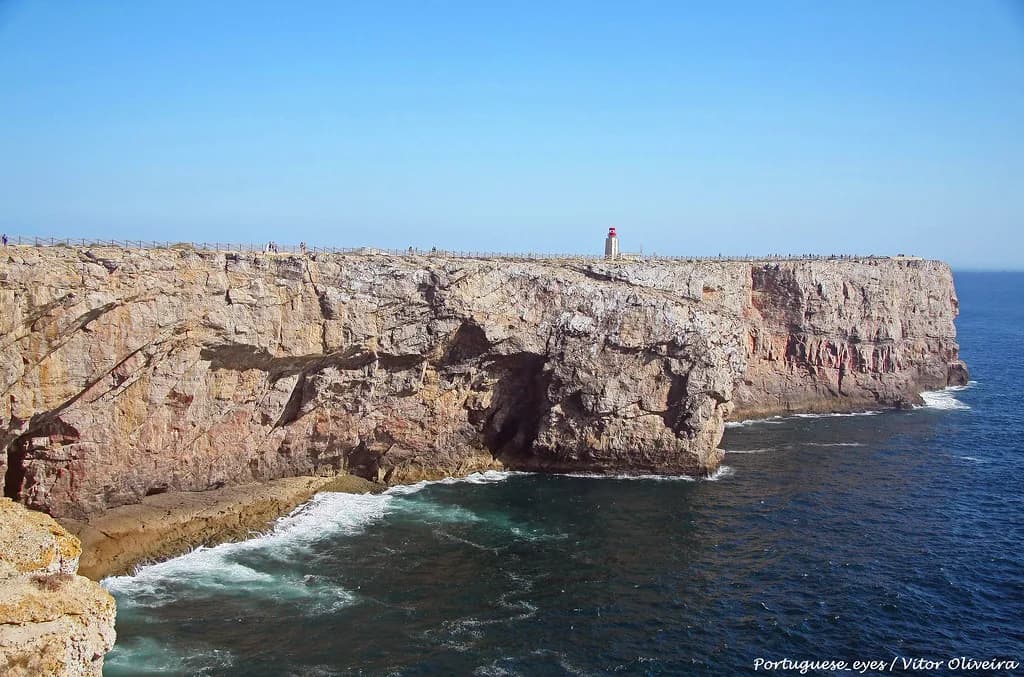
The lighthouse sits on the Cabo de São Vicente headland, the rocky promontory that marks the south-west corner of Portugal and of mainland Europe. It is the landmark that pulls most visitors out of Sagres town, and its setting is what makes it worth the detour.
There has been a light on this promontory since as early as 1500, originally built to guard the coast against raiders, before the present tower was commissioned. That long history of marking the cape is part of why the site feels like more than a roadside viewpoint.

How to reach Cabo de São Vicente from Sagres
The cape lies a short drive west of Sagres along the coast road, with the landscape flattening into scrub and rock as you approach. The final stretch is open, windswept and without much cover, so allow for that if you are driving yourself.
Walking or cycling from Sagres is possible for the fit, but the road is exposed and the wind can be strong; a car or taxi is the more comfortable option if you have limited time. If you are planning a wider day in the area, the Sagres Attractions: 4 Visitor Guides page sets this stop alongside the town's other sights.

The lighthouse itself: the 1846 tower
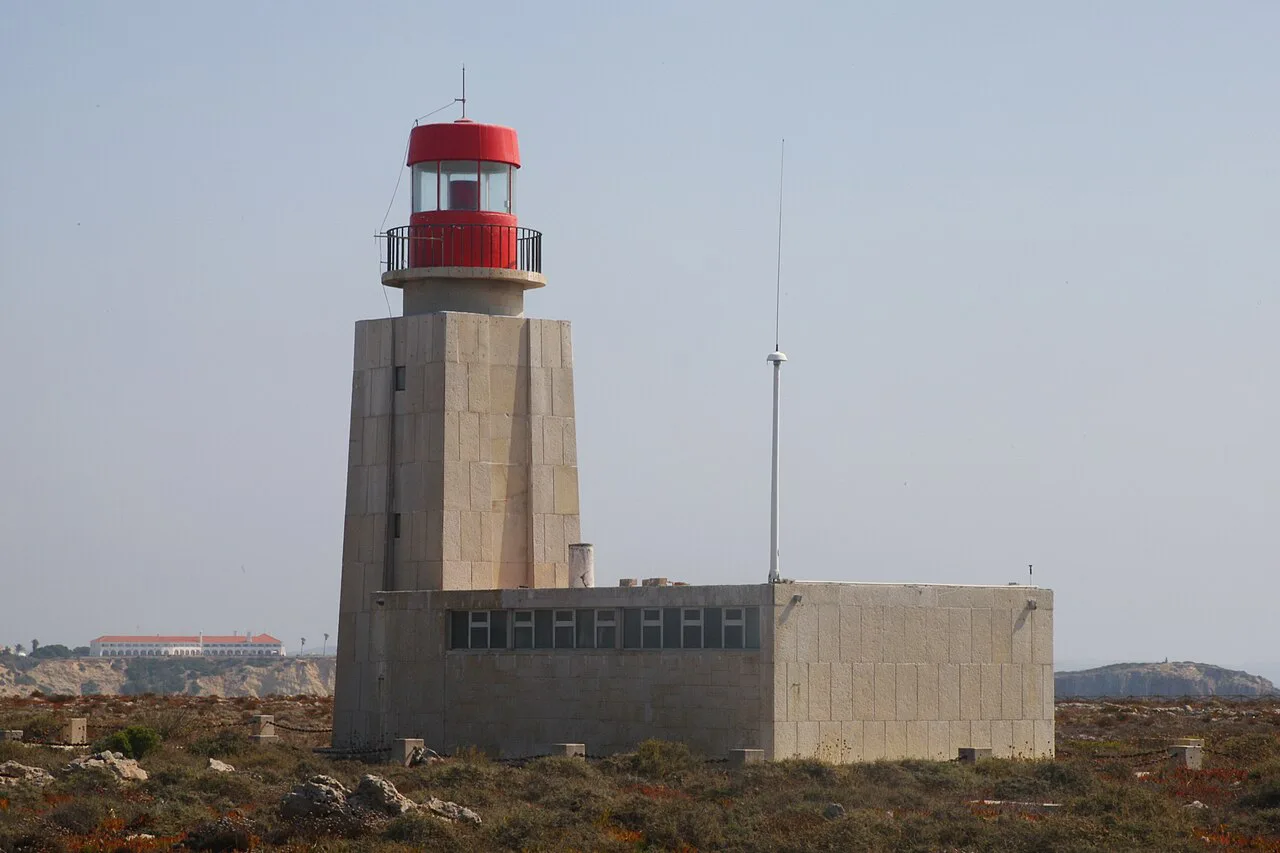
The current Lighthouse of Cabo de São Vicente was commissioned by Queen Maria II in 1846 and built on the ruins of a Franciscan monastery destroyed in an earthquake. It originally burned an olive-oil lamp, a detail that makes the scale of the engineering feel surprisingly modern for its age.
The tower reaches 28 m, with its light at a focal plane of 86 m above sea level and a white flash every five seconds. Those figures explain why the beam carries so far over open water.
Why the light matters
Today's light is considered one of the most powerful in Europe, and its position has helped guide shipping to and from the Americas, often as the first landfall sighted after a long crossing. Standing at the cape, that role is easy to picture.
The cape's exposed position also means the weather can change quickly here; the headland is open to the Atlantic and is not sheltered by the town. Pack a windproof layer and expect the light and views to shift with the cloud.
Henry the Navigator and the age of exploration
Henry the Navigator spent many days on the cape, likely near the lighthouse, planning voyages of exploration down Africa. That link gives the site a place in Portugal's early overseas expansion rather than just its coastal defence.
You can fold the cape into a visit to the fortress at the town end: see Sagres Fortress (Fortaleza de Sagres) for the other side of this stretch of coast.
How much time to allow, and whether to come for sunset
Allow 30 to 60 minutes at the cape for the drive-in, a walk along the promontory and a look at the lighthouse exterior. There is no interior tour to build into that time, so the stop works best as part of a wider Sagres half-day.
Sunset is the obvious draw and the cape's exposed setting makes it evocative, but clear skies are never guaranteed. A place that must be seen if you visit the Algarve area, especially at sunset, is how one visitor summarised the experience, and that matches the draw of the light and open horizon.
What else is at the cape: the headland itself
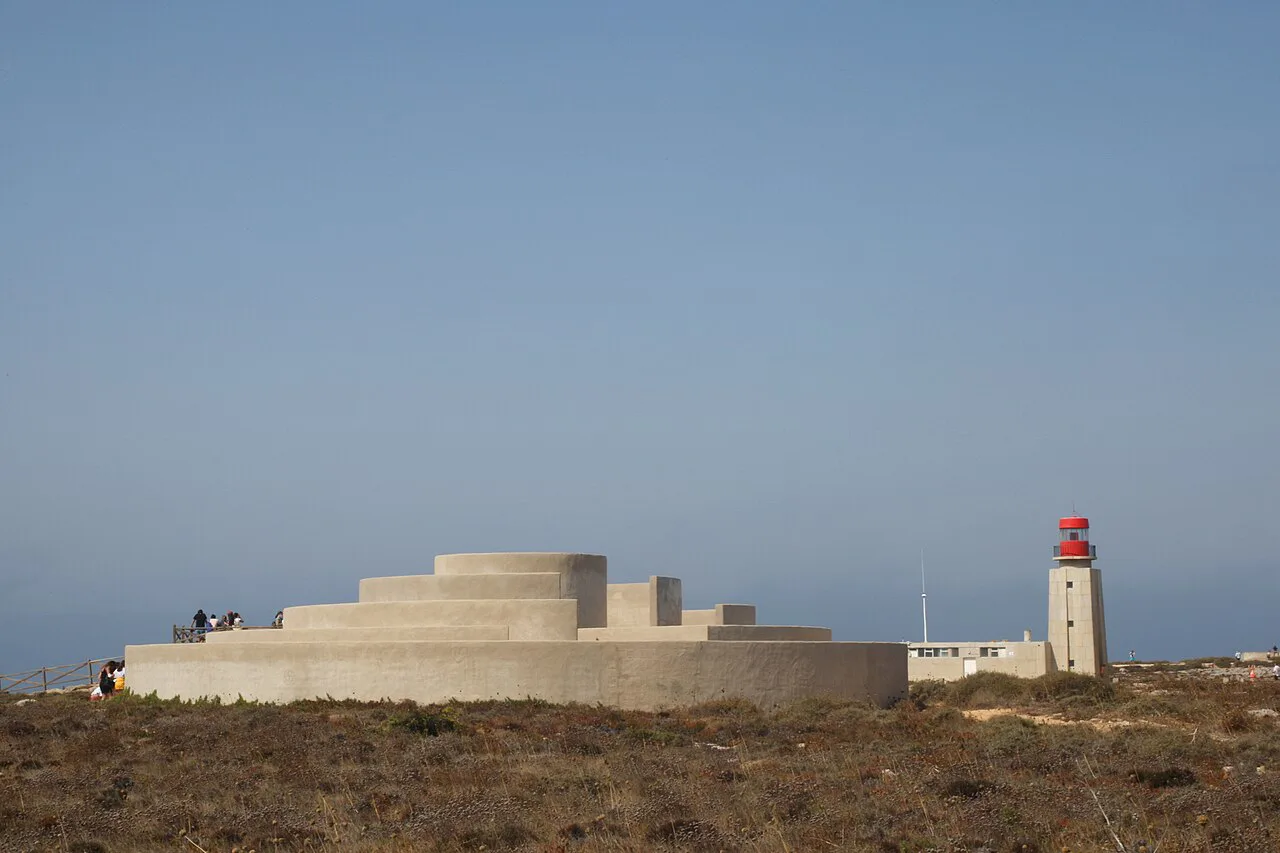
Beyond the tower, the promontory is mostly bare rock and scrub, with cliff edges that drop to the Atlantic and views back along the Algarve coast. The view, not the building, is the main attraction, so bring your time and attention for the landscape.
The ground is uneven and windy, so wear proper shoes and keep away from the cliff edge. There is little shelter, so a short visit in poor weather is sensible.
Practical limits on visiting the lighthouse
The lighthouse is not open to visitors, and there is no climbing the tower or museum inside. Plan for the exterior and the setting rather than an internal visit.
The tower is a working navigational light rather than a monument with ticketed opening, and there is no climbing inside. Check the current position online before you drive out if access to the headland matters to your plans.
Nearby: Sagres and the wider coast
Back in town, the Sagres Fortress (Fortaleza de Sagres) and the cliff paths around it make a natural pairing with the cape, and the Baleeira fort is another short stop on the same stretch of coast. If you are filling a day, the Sagres page collects the town's main sights, and the things to do in Sagres guide helps you sequence them.
For a cliff-top change of scene, Ponta da Atalaia lies a little way along the coast north of Sagres. If you are comparing Portuguese lights, the Nazaré lighthouse sits on a sixteenth-century fort above some of the biggest waves ever surfed.
Is the Sagres lighthouse worth the drive?
Yes, if you accept that the visit is about the headland and the light rather than going inside. The Farol de Sagres is a short, dramatic stop that works well within a half-day built around the town and its fortress.
Go out for the setting, plan for 30 to 60 minutes, and treat the tower as scenery rather than an attraction. That way the cape delivers exactly what it offers.
Explore more Sagres guides
Frequently Asked Questions
Can you go inside the Sagres lighthouse?
No. The tower is not open to visitors, so the visit is to the exterior and the Cabo de São Vicente headland around it. Check current status online before you travel.
Why is Sagres called the end of the world?
The Cabo de São Vicente was long seen as land's end because it is the most south-westerly point of mainland Europe. That edge-of-the-world feeling is part of why the cape draws visitors.