
Palácio da Galeria, Tavira: Visiting the Town Museum

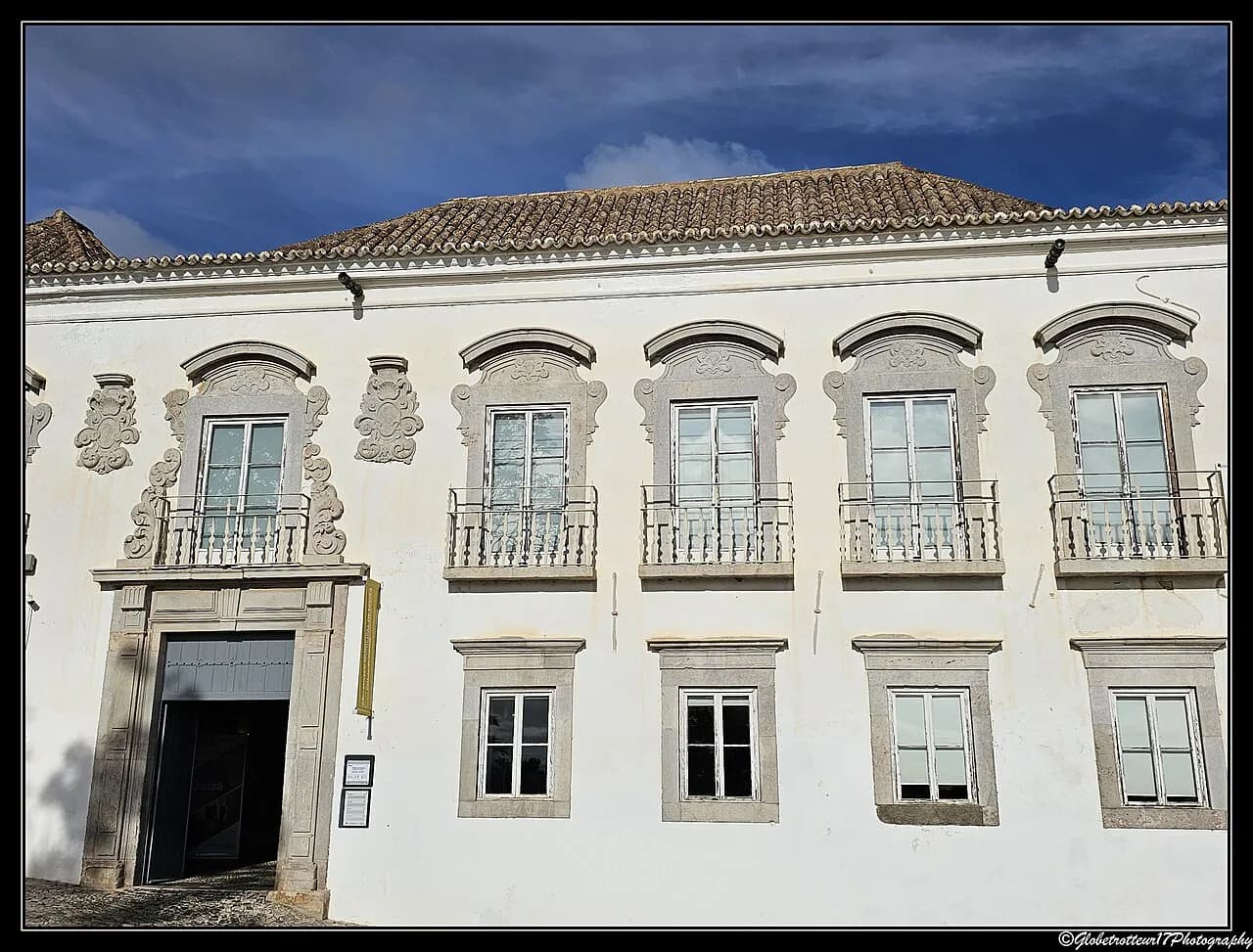
Palácio da Galeria is the central building of Tavira's municipal museum, the Museu Municipal de Tavira, and the best single stop for the town's history and cultural life. It pairs the local-history core with temporary exhibitions of Portuguese contemporary art, so the displays reward both quick browsers and slower readers. This guide covers what the palace is, how to find it on foot, what is inside, how long to allow and which nearby stops fit around it.
What Palácio da Galeria actually is
The Palácio da Galeria is the núcleo central, or central branch, of the municipal museum, dedicated to local history and to cultural expression past and present. It is not a standalone palace-museum but one venue in a network run by the same municipal service. That matters for planning: you are visiting a town museum in an old building, not a stately home preserved as a period interior.
Because the palace is the central núcleo, its displays set the context for everything else in town, from the churches to the riverfront. Start here if you have only a day in Tavira, and start elsewhere if you have already read up on the town's history. The museum describes the venue as the home of local history and the expressions of the past and present, so expect interpretation rather than rows of unlabelled objects.

Where it sits in Tavira and how to find it on foot
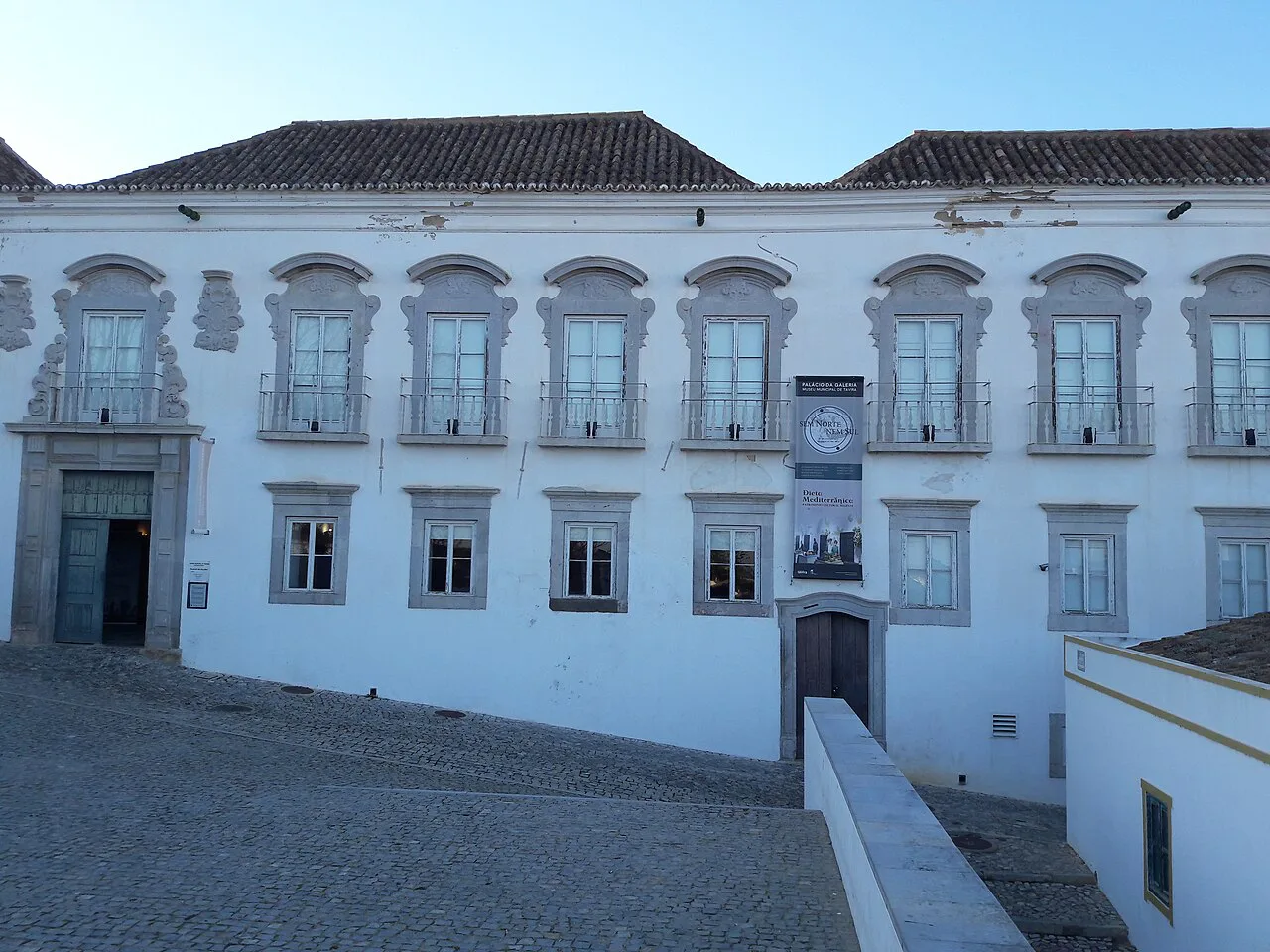
The palace sits in the historic centre of Tavira, on the Algarve's eastern side in the Faro District, within easy walking distance of the riverfront and the main squares. Approach on foot from the centre rather than driving in, since the old streets are narrow and better covered on foot. Tavira is a compact town, so any central landmark puts you within a short stroll of the door.
Use the river as your handrail: the Gilão splits the centre, and the Ponte Antiga in Tavira is the obvious crossing between the two halves of town. From the bridge, follow the lanes inland and uphill into the older streets, where the palace sits among the parish churches. The museum's own page is the place to confirm the entrance and any access notes before you set out, since signage in the old centre is modest.

What is on display inside
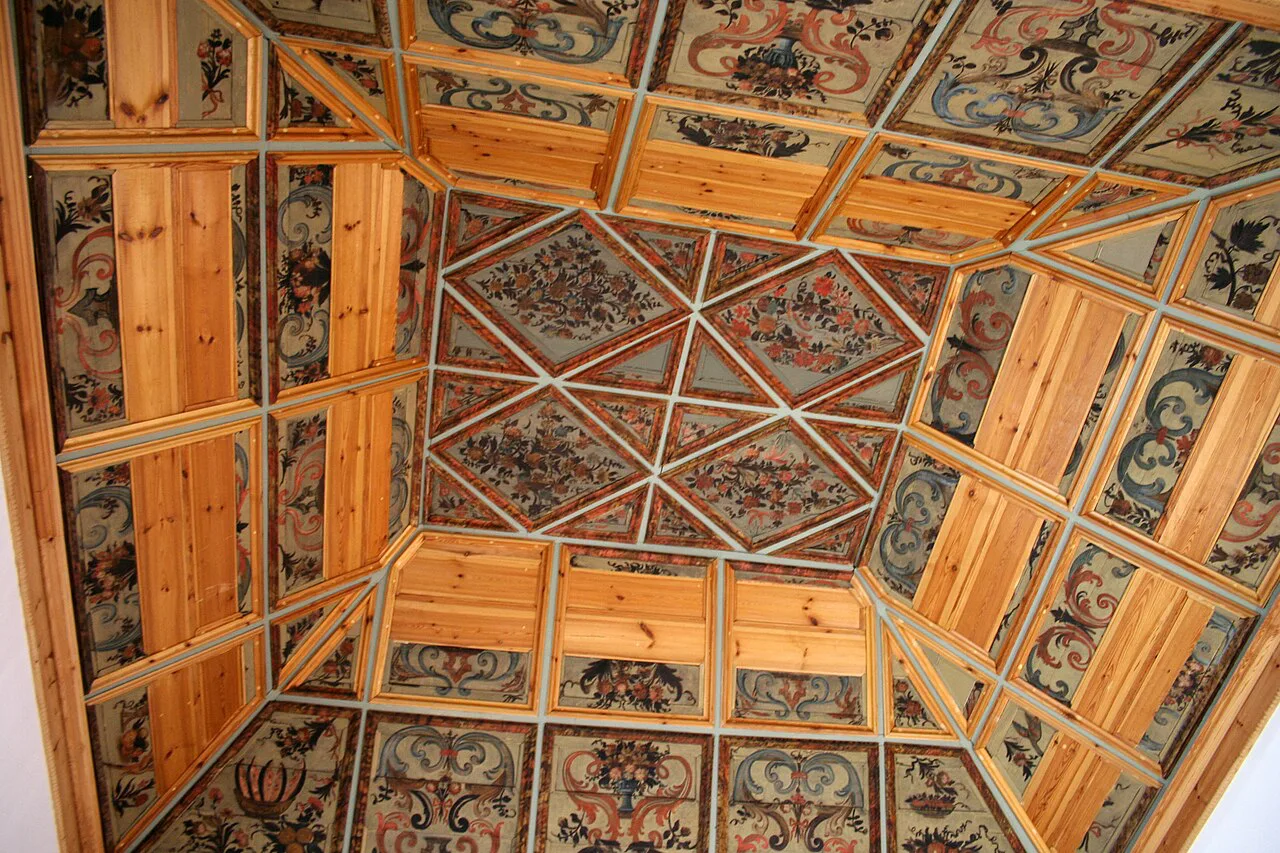
Inside, the palace combines its local-history displays with temporary exhibitions of Portuguese contemporary art. Reviewers have described the building as lovely and cool inside, with a temporary show of contemporary Portuguese works. Treat the art programme as the variable part of the visit and the local-history material as the constant.
What is hanging in the temporary galleries changes, so the honest advice is to arrive without a fixed list and give the rooms a fair look. If contemporary art is not your interest, the history core still justifies the stop, and the two parts are short enough that neither wears out its welcome. The museum's núcleos page is where the individual branches are set out.
How long to allow and how to pace the visit
Allow about an hour for the Palácio, or ninety minutes if you read the panels and linger in a temporary show. This is a small-town museum, not a half-day out, and padding the visit does the place no favours. Pace it as one stop in a morning loop of the old centre rather than a destination in its own right.
A sensible shape is the palace first, then the churches and riverfront while the history is fresh. If you are travelling with someone who tires of museums, split up: the palace is compact enough that one of you can finish while the other waits in the shade outside. Children get through the rooms quickly, so plan a reward stop nearby.
The museum's other núcleos
The Museu Municipal de Tavira extends beyond the palace, and the Núcleo Museológico Islâmico is the branch most worth knowing about alongside the central building. It belongs to the same municipal museum, so it belongs in the same visit plan rather than on a separate day. Check the museum's own listing for what each núcleo covers before you build an itinerary around them.
Whether one ticket covers more than one building is the kind of detail that changes how you spend an afternoon, so confirm it at the desk or on the museum's page rather than assuming. If a combined ticket exists, the Islamic núcleo and the palace make a logical pair. If not, judge each branch on its own merits and put the saved time into the town's churches.
Opening days, tickets and closures
Opening days, ticket prices and any closures are the one thing to confirm before crossing town. The Museu Municipal de Tavira's own site sets out the núcleos; confirm which days the palace and its branches open and what admission costs before you set out. Check the same details for any second branch you plan to add, since the buildings can keep different hours.
Build the visit around confirmed times rather than a guess. Keep a fallback in mind: the town's churches and riverfront walks fill an hour without a ticket. Check the museum's details the day before you go, particularly around public holidays.
Practical notes for a hot afternoon
The palace is cool inside, which reviewers single out, and that makes it a strong choice for the hottest part of an Algarve afternoon. Plan it for early afternoon, when the streets are bright and the churches may be shut, then come out into the cooler evening. The thick old walls do the work for you, so there is no need for a long indoor lunch instead.
Leave the car out of the centre and walk, since the lanes around the palace are tight and the town is small enough on foot. Carry water for the walk between stops, and keep a light layer for the galleries if you are sensitive to air conditioning. The palace is a good rainy-day stop too, with the added advantage that the town empties out.
Nearby after the museum
The Igreja da Misericórdia, Tavira is the obvious next stop for azulejo work and a calm interior, a few minutes from the palace in the old centre. Pair it with the riverside for a natural half-day: museum, church, then a slow walk over the Ponte Antiga. The Igreja de Santa Maria do Castelo, Tavira sits higher up near the castle, and makes a third stop if your legs hold.
For eating, the streets around the palace hold plenty of restaurants, cafés and bars, and the practical move is to look at menus on the door rather than commit to a name in advance. The Jardim do Coreto Tavira gives you a shaded pause between the museum and a meal, with benches and a central position in town. If you want a fuller list of what to do with the rest of the day, the things to do in Tavira guide sets out the options.
Is the palace worth an hour of your Tavira day?
Yes, if you want the town's story in one place and a cool hour in the middle of a hot day. The Palácio da Galeria is a modest municipal museum rather than a blockbuster, so skip it if your priority is churches and riverfront walks, and give it the first hour if context matters to you. Confirm the day's opening and admission on the museum's page, then build the rest of the day around the old centre.
Frequently Asked Questions
How do I get to Palácio da Galeria from Tavira's riverfront?
Walk inland from the Gilão and the Ponte Antiga into the historic centre, where the palace sits among the old streets and churches. The museum's own page is the best place to confirm the entrance and any access notes before you set out.
Do I need to book tickets in advance?
The museum publishes its own admission and visiting arrangements, and nothing indicates that advance booking is required for a small municipal venue. Check the Museu Municipal de Tavira page for the current position rather than assuming, especially around public holidays.
Can I combine the palace with the Islamic núcleo in one visit?
Both belong to the same municipal museum, so they pair naturally in a single afternoon. Whether one admission covers both buildings is a detail to confirm at the desk or on the museum's núcleos page, since it affects how you plan the rest of the day.
Is Palácio da Galeria suitable on a hot or wet day?
Yes. Reviewers describe the interior as cool, which makes it a sensible stop in the heat of an Algarve afternoon, and it works equally well when rain pushes you indoors. The galleries are compact, so it fills an hour rather than an afternoon.