
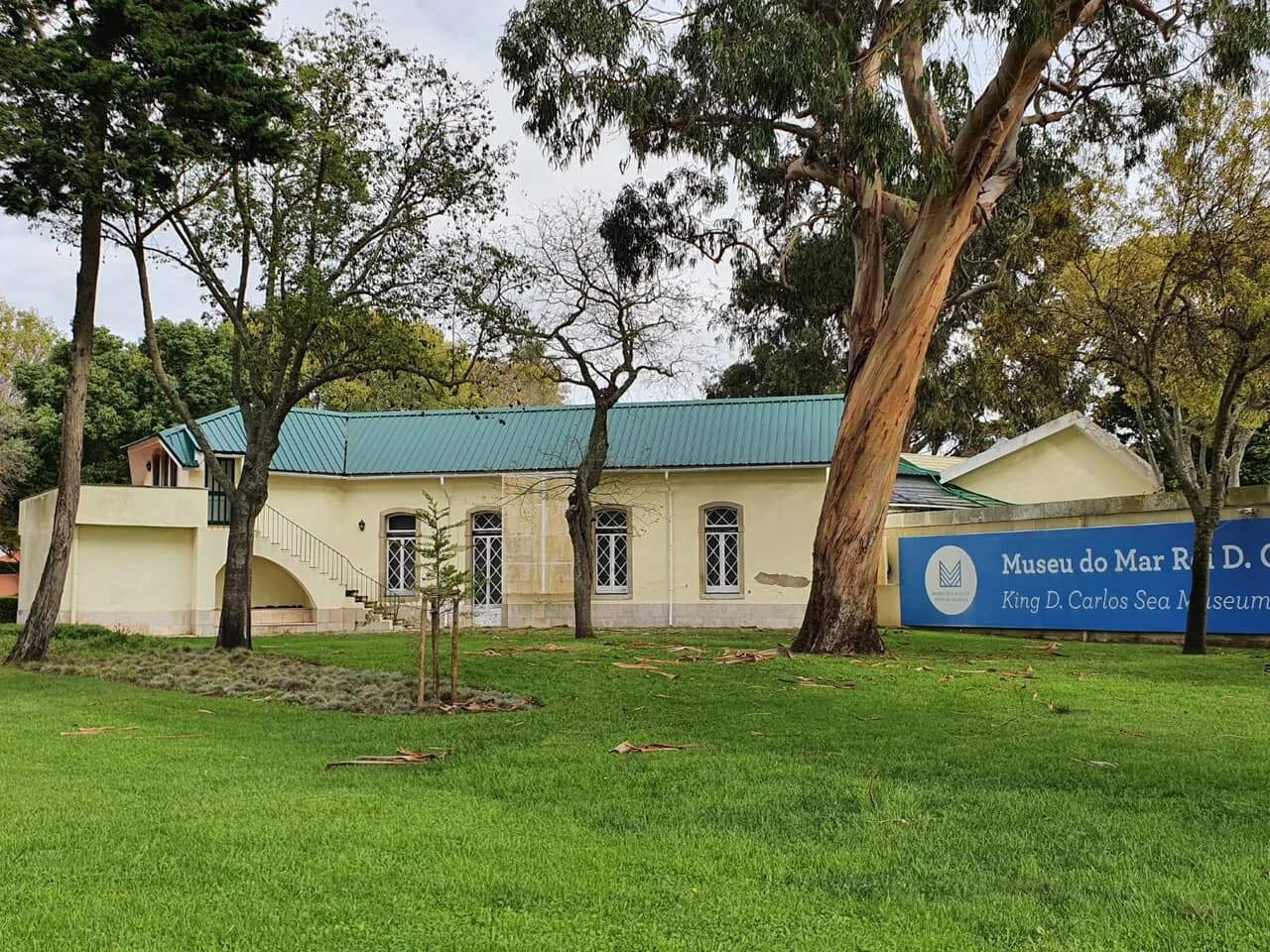
Museu do Mar Rei D. Carlos: Cascais's Sea Museum

The Museu do Mar Rei D. Carlos is a small municipal museum in central Cascais, close to the citadel, and it needs roughly an hour rather than a half-day. It works best as one stop inside a walking loop of the old town, not as the reason for a trip. This guide covers where it sits, what the rooms hold, the D. Carlos story behind the collection and the practical details you can pin down before you go.
A small municipal museum built on Cascais's seafaring past
The museum is run by the Câmara Municipal de Cascais and named after King D. Carlos, the monarch whose oceanographic work gives the collection its centre of gravity. Its scale is modest: a handful of rooms, a shop and a temporary exhibition space rather than a national institution. That intimacy is the point, since you can read most of the labels without the fatigue a larger maritime museum brings.
The subject matter is the town's long relationship with the Atlantic: fishing families, navigation, shipwrecks and the royal family's summers on this coast. Visitors who arrive expecting an aquarium or a hands-on science centre should reset expectations, because this is a display-and-object museum. It suits travellers who like small local collections and want context for the coastline before walking it.
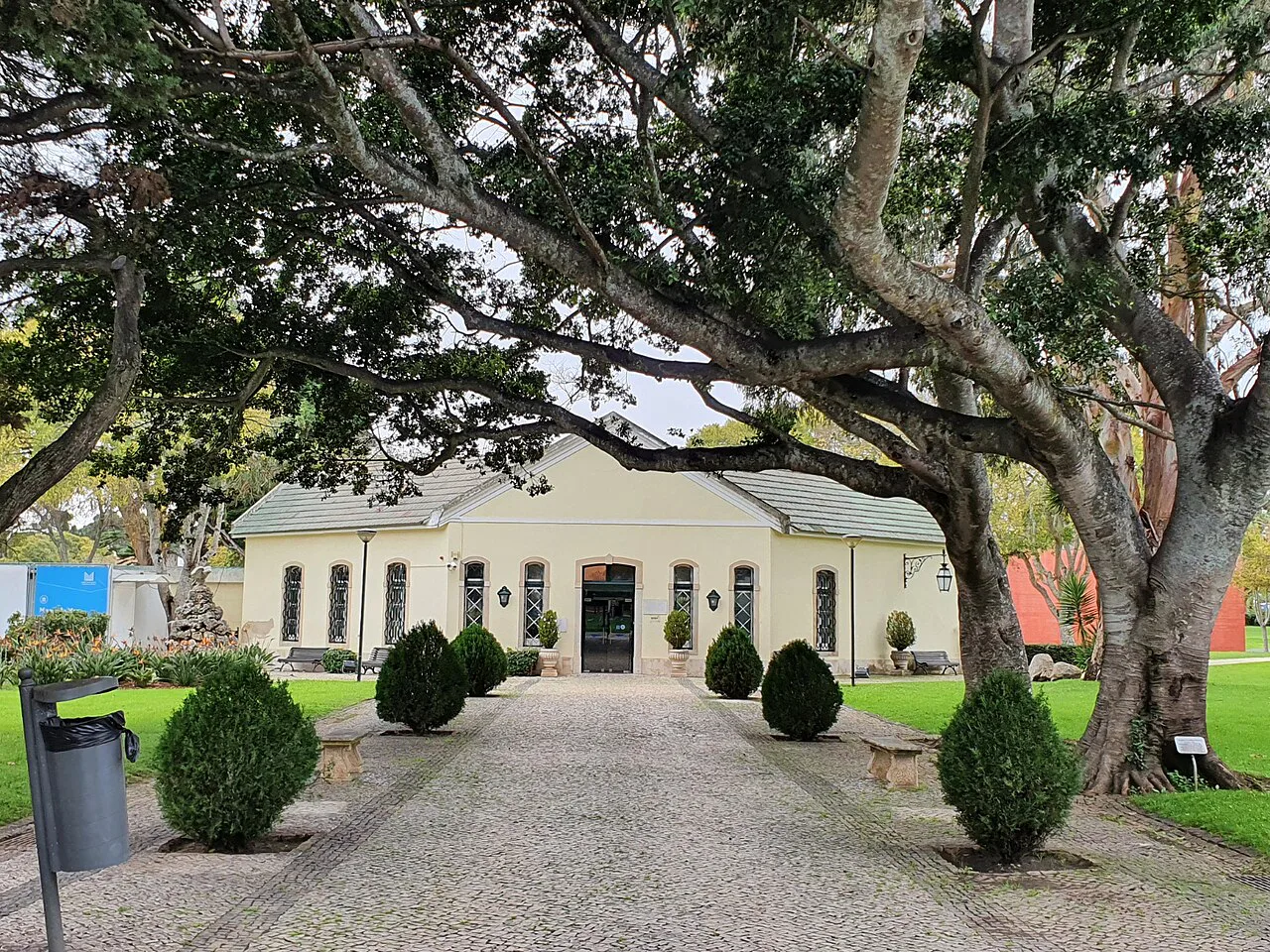

Where it is: Rua Júlio Pereira de Mello, near the citadel
The address is Rua Júlio Pereira de Mello in Cascais, a short walk from the citadel, which puts it comfortably inside a central loop from the station and the old town streets. That position also makes it easy to combine with the waterfront.
Because it sits among the town's central sights rather than out on the coast road, the museum pairs naturally with the waterfront rather than with the cliffs. Build it into a morning that moves between the citadel, the harbour edge and the shopping streets. If you want the bigger picture of what else fills a short break here, Cascais Attractions: 7 Visitor Guides sets out the individual sights worth slotting around it.
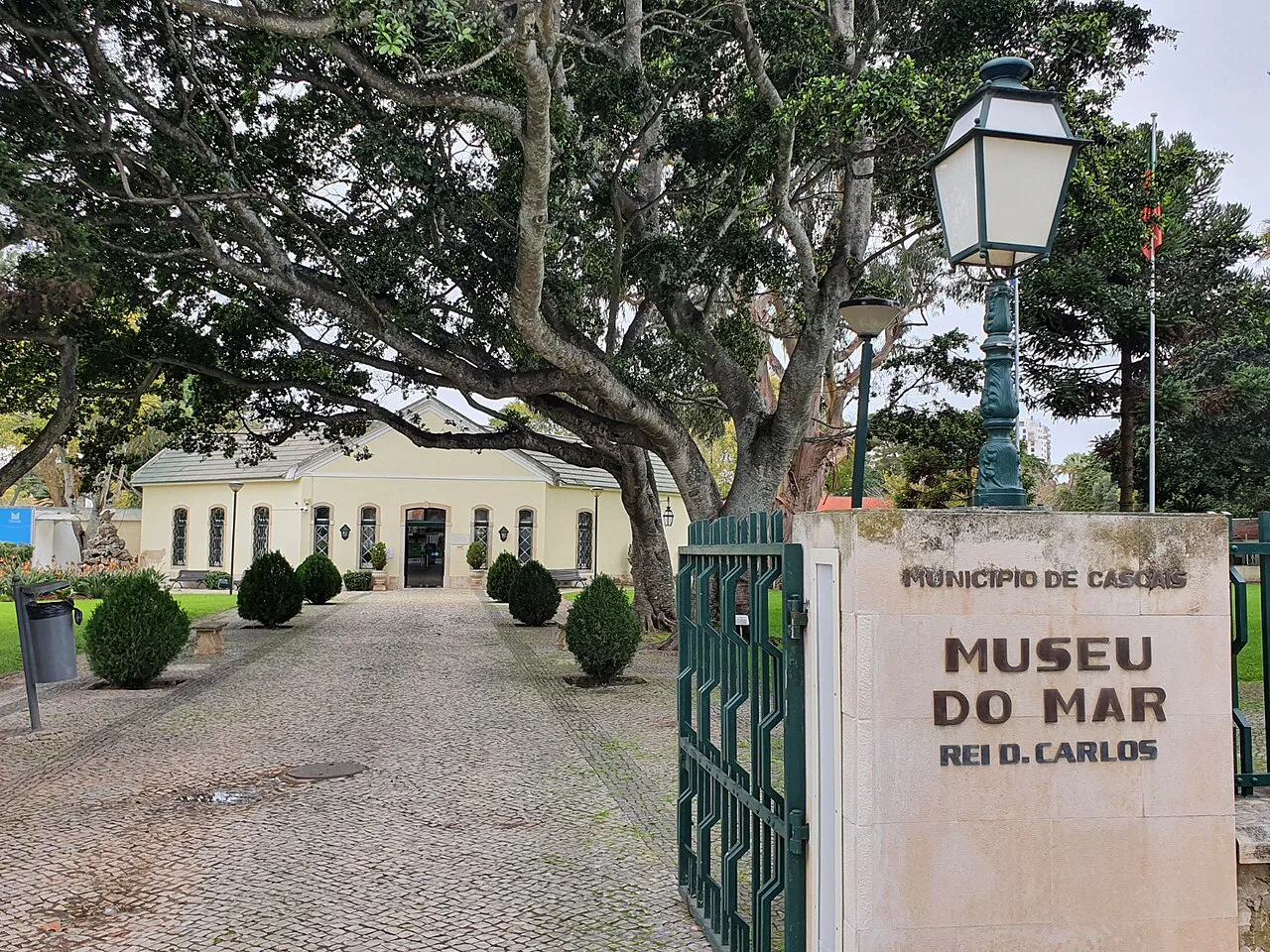

Opening days and hours
The museum's hours are listed as Tuesday to Friday from 10:00 to 17:00, so it is one of many Cascais sights to save for a weekday rather than a Monday.
Small municipal collections sometimes close for public holidays, so it is worth confirming the current timetable on the museum's own pages before you set out. If your short break is built around a Monday arrival, put the sea museum on the second day and use the first for outdoor wandering.
What the seven exhibition areas cover
The permanent exhibition divides into seven distinct areas, among them Gentes do Mar (People of the Sea), Oceano Aberto (Open Ocean), Naufrágios (Shipwrecks) and Marinha e Navegação (Seamanship and Navigation). Other rooms turn to marine fossils and the world of molluscs, alongside a section devoted to D. Carlos and oceanographic science. The spread is wide for the floor space, so treat each room as a taster rather than a deep dive.
The fishing room, Gentes do Mar (People of the Sea), is the one that grounds the collection in ordinary local life, with the gear and working objects of a coastal community. The shipwreck material, Naufrágios, ties Cascais to a wider Atlantic story of routes and losses. Neither room is large, which means children can move through without losing patience.
King D. Carlos and the oceanography collection
D. Carlos was a working oceanographer as well as a king, and the museum holds material on his findings, his instruments and replicas of his yacht Amélia across several rooms. That combination of royal patronage and genuine scientific curiosity is what lifts the museum above a simple room of old boats. Look for the cases that connect his expeditions to the wider study of the Atlantic.
For readers with an interest in how ocean science developed, the D. Carlos rooms are the reason to come and are worth the bulk of your time here. Everyone else can circle them in fifteen minutes and still take something away.
Nineteenth-century navigation objects and logbooks
The Marinha e Navegação section holds navigation objects from the nineteenth century, including logbooks and the sort of practical kit a working crew carried at sea. Picnic baskets and boat replicas sit alongside them, which gives the room a human texture rather than a technical one. It is the part of the museum that rewards slow reading most.
Photography is the sensible approach if a particular instrument catches your eye, since there is no substitute for seeing the object itself.
The museum shop
The shop is small and souvenir-sized, with a porcelain piece listed at 12.50 euros and a mug at 6.00 euros on the museum's own site. Both make lightweight, packable gifts that carry the museum's name rather than generic town merchandise. If you are travelling with hand luggage only, the mug is the safer buy.
How long to allow and who it suits
Aim to budget around an hour, or a little more if you read every label in the D. Carlos rooms.
Travellers who prefer big interactive museums or aquariums will find the displays more traditional, which is worth knowing before you decide to go in. Those who enjoy municipal collections and local history usually come away pleased. It also works as a first stop that makes the rest of the coastline legible.
Nearby: the citadel and the rest of central Cascais
The citadel is a natural next stop, since the museum sits close to it and the surrounding lanes lead back towards the centre. From there the coast road runs west towards the cliffs, where Boca do Inferno is the obvious extension of a sea-themed morning. That cliff blowhole is a short ride or a longer walk from the centre and needs only a brief stop of its own.
Inland, Parque Marechal Carmona, Cascais gives you shade, peacocks and a country-house museum in one block, which suits a family afternoon after a museum morning. The Museu dos Condes de Castro Guimarães sits inside that park, so the two combine without extra travel.
If modern art is more your register than maritime history, the Casa das Histórias Paula Rego is the other central museum worth building into the same day.
Is the sea museum worth an hour of your Cascais break?
Yes, if you have an hour going spare and an interest in how a fishing town became a royal summer resort. The museum is small, central and built around a genuinely unusual figure in D. Carlos, and it fits neatly between the citadel and the waterfront. Skip it if your short break is already full of coast and you would rather spend the time outdoors.
Explore more Cascais guides
Frequently Asked Questions
Do I need to book tickets for the Museu do Mar Rei D. Carlos in advance?
The museum's own site has no advance-booking page, and this is a small municipal collection rather than a timed-entry attraction. Check the museum's own site before a holiday weekend in case of a temporary exhibition or a change in arrangements.
Is the museum suitable for young children?
It is a compact museum with boat replicas, fishing gear and maritime objects, which tends to hold a child's attention for a short visit. Plan around an hour rather than a full morning, and pair it with the park or the waterfront so the day does not hinge on one indoor stop.
Can I visit the Museu do Mar and the Casa das Histórias Paula Rego on the same day?
Both sit in central Cascais, so a morning at one and an afternoon at the other is realistic without any transport beyond walking. Check each venue's opening days first, since a closed day will break the plan.