
Centro Cultural de Cascais: a Visitor's Guide to the Exhibitions and Building

Treat the Centro Cultural de Cascais as an exhibition venue run by the Fundação D. Luís I rather than a museum of the town, and give it an hour unless a show really grabs you. Its appeal rises and falls with the programme, which the Foundation publishes in advance, so a rainy afternoon or a repeat visit is the natural slot rather than a first-timer's must-see.
This guide covers where the building sits in relation to Cascais old town, how its floors and chapel are used, how to read the exhibition calendar and which museums to pair with it. Admission and daily hours belong to the venue itself, so confirm them before you set out rather than relying on a secondary listing.
What the Centro Cultural de Cascais is and why it earns an hour
The building belongs to the Bairro dos Museus network of museums and cultural venues across the municipality, which is the framework Cascais uses to group its collections and galleries. That puts the Centro Cultural in the same family as the town's house museums and the Paula Rego galleries rather than in the souvenir-shop category of local attractions.
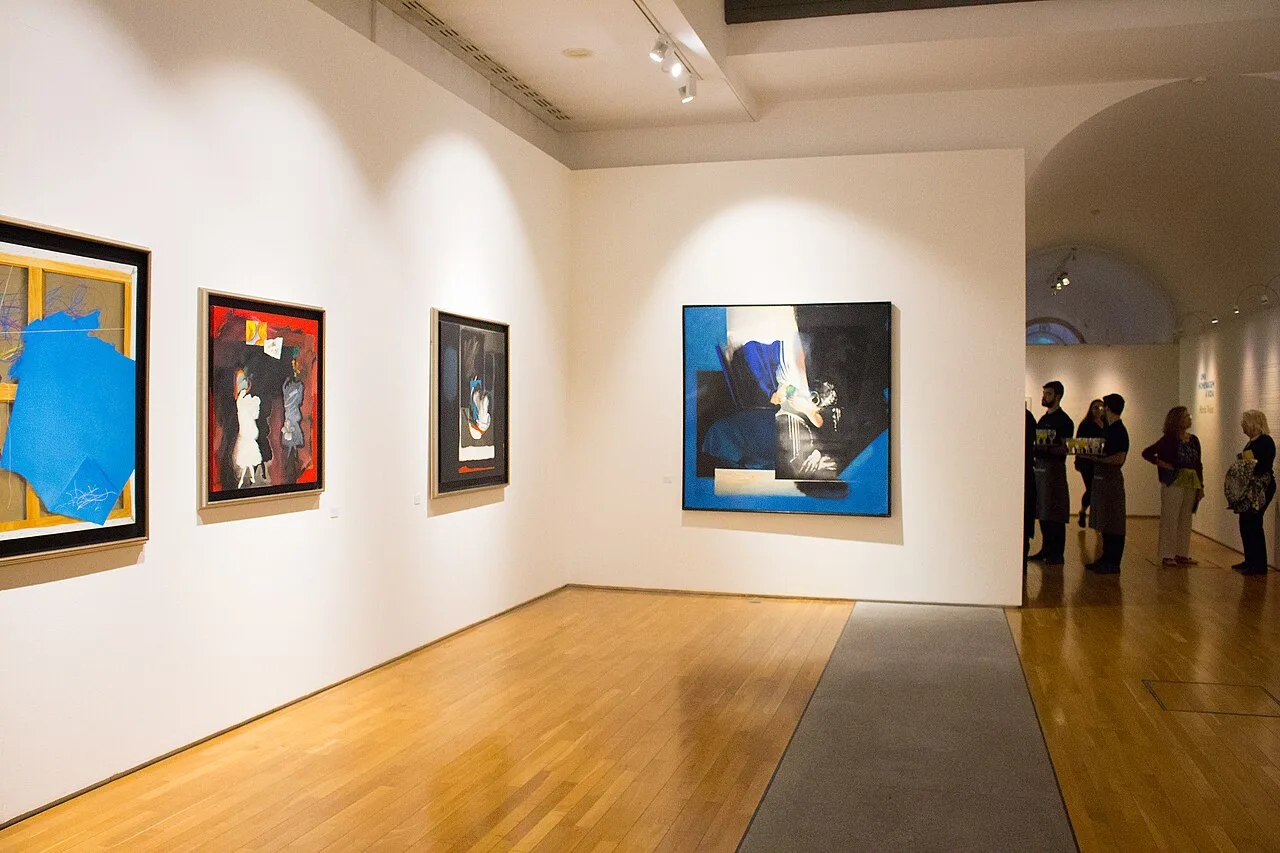
Its programme is contemporary and mixed: painting, photography, drawing and film cycles all appear in the Foundation's listings, often with a curator credited and a run of several months. Visitors who want a fixed, unchanging collection should look at the town's house museums instead; those who enjoy whatever is currently hanging will find the hour well spent.

Where it sits in Cascais and how to walk there
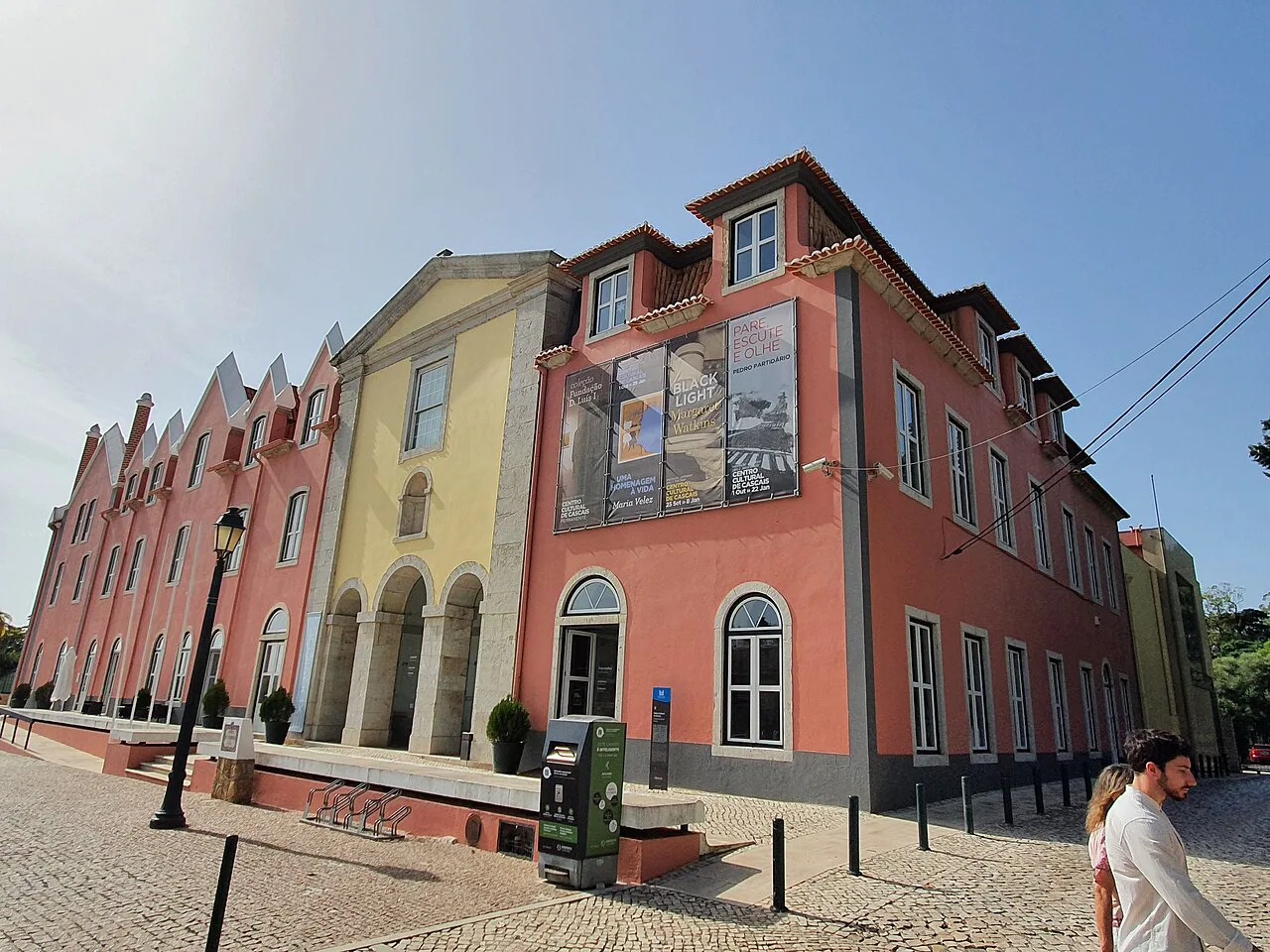
The Centro Cultural sits on the western side of Cascais, within easy walking distance of the old town, the marina and the coast road towards Boca do Inferno. From the centre, a slow walk of around fifteen to twenty minutes takes you through the shopping streets and out towards the quieter cultural quarter, so it works as the far end of a loop rather than a separate trip.
If you are using Cascais Attractions: 7 Visitor Guides as a plan for the day, treat this as the indoor anchor and build the outdoor stops around it. The clifftop viewpoint at Boca do Inferno and the gardens at the Parque Marechal Carmona both sit within comfortable walking range, which makes a natural half-day of culture and coast.

Inside the building: exhibition floors, chapel and auditorium
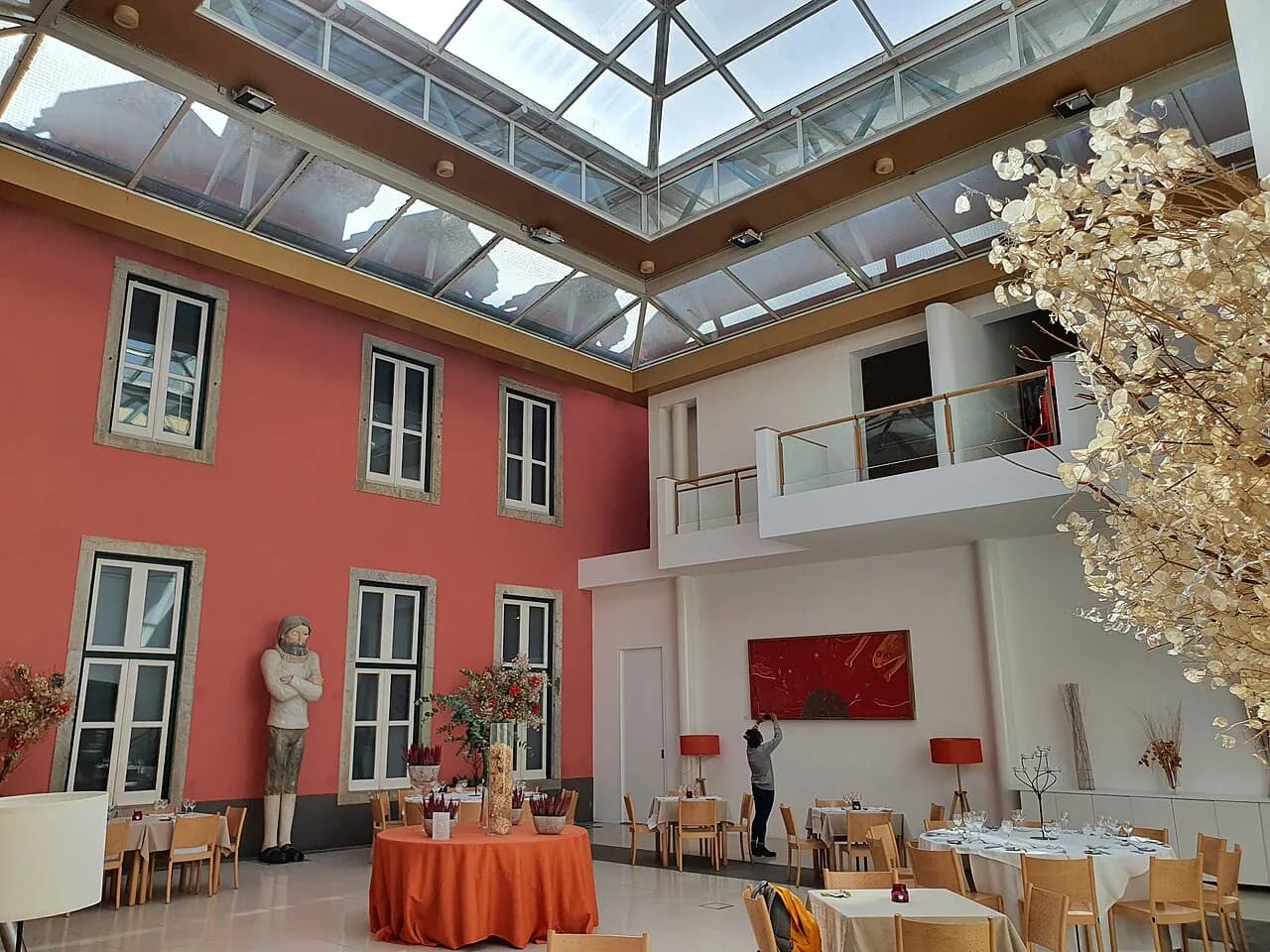
The Foundation's listings describe exhibitions spread across Piso 0, Piso 1 and Piso 2, plus a Capela (chapel) used for at least one show and an auditorium named after Maria de Jesus Barroso. Knowing the floor matters: if a single exhibition is your reason for coming, check which level it occupies so you do not spend your hour hunting for it.
Beyond temporary shows, the Foundation lists a permanent display of its own collection on the mezzanine, which gives the building something to see even when the headline show is not to your taste. Plan on reading the floor labels at the entrance and working downwards or upwards rather than treating the whole building as one continuous gallery.
What's on: the rotating programme and the permanent collection
The Foundation publishes its programme with a mix of long exhibitions, cinema cycles and one-off talks, each with a named curator, room and run of dates. The Cascais cultural calendar is dense, so check which show is up during your dates before committing a slot, and note the room: some events take place in the auditorium rather than the galleries.
The permanent displays include works from the Fundação D. Luís I collection, alongside changing loans and thematic shows. That combination means a repeat visit rarely looks the same as the last one, which is exactly what makes the venue a good fit for travellers who have already done the classic Cascais sights.
How long to allow and when to slot it in
Allow around an hour: enough time for two floors at a normal pace and a pause in the chapel if it is open as part of a show. Larger temporary exhibitions can stretch that, so if a single artist is the draw, read the room list first and budget two floors rather than all three.
A mid-morning or early-afternoon slot works best, since it leaves the brighter part of the day for the coast and the old town. Rainy days are the obvious case for putting it first, and it pairs neatly with the Museu dos Condes de Castro Guimarães in the Parque Marechal Carmona, which sits a short walk away.
Tickets, opening days and closures
Admission prices, opening days and any closures for the Centro Cultural are set by the venue and published by the Foundation; confirm them on the Foundation's own pages before travelling, especially around public holidays. Treat any secondary listing's hours as a hint rather than a promise, since exhibition venues change schedules around installs and events.
Visitors' reviews of the gallery mention friendly staff, clean toilets and a coffee stop on site, which is useful if you are breaking up a walking day with children or a slower companion. Beyond that, plan around the published programme rather than assumptions about when museums open.
Is it worth it for families, rain and short trips?
For a short break of one or two days in Cascais, the Centro Cultural is a strong rain option and a weaker first stop in bright weather. Families with young children will get more out of the garden and the seafront, while couples or solo travellers with an interest in contemporary art can easily fill an hour here.
The honest trade-off is that the visit's value depends on what is hanging, so it slips down the list if a show does not appeal. In that case, the Casa das Historias Paula Rego and the Farol de Santa Marta give you two nearby alternatives with fixed displays and coastal interest.
Nearby: the other museums that tell Cascais's story
Cascais divides its story across several museums rather than concentrating it in one place. The Museu dos Condes de Castro Guimarães, in its garden setting, covers the town's grand-house history, while the Casa das Histórias Paula Rego holds the largest public collection of the artist's work in a building designed by Eduardo Souto de Moura.
If you want maritime history instead, the Museu do Mar Cascais is the third pillar of the group, and the three together make a full day for a dedicated museum-goer. For a broader plan covering the coast, the old town and the museums, the things to do in Cascais page sets out the options by area.
Practical points: booking, photography and access
The building's floors and chapel arrangement suggest a mix of gallery and event spaces, so check the programme page for whether a particular show needs a ticket or allows walk-ins. Photography rules vary by exhibition, and the venue's own signage is the reliable guide on the day.
Access between floors matters if you are travelling with a pushchair or a mobility aid; the Foundation's site is the place to confirm lifts and entrances before you go. Pair the visit with a walk through the old town for an easy, flat finish to the day.
Should you build the Centro Cultural into your Cascais day?
Build it in if a current show appeals and you want an indoor hour near the old town; skip it if you are short on time and the programme does not grab you. Its value is the programme, not the building alone, so a quick look at the Foundation's listings will tell you within a minute whether it earns a slot.
If it does not, the town's house museums and the Paula Rego galleries will fill the same hours with more certainty. Either way, treat the cultural quarter as one cluster and walk it in a single loop rather than making separate trips.
Frequently Asked Questions
Is the Centro Cultural de Cascais free to enter?
Admission is set by the venue, so check the Foundation's own pages for the current policy before you go rather than relying on third-party listings.
How long does a visit take?
Around an hour covers two floors at a comfortable pace; add time if a large temporary exhibition is on and you want to read the labels.
Is the Centro Cultural good for children?
It suits older children and teenagers with an interest in art; families with younger children often prefer the nearby gardens and seafront.