
Igreja de São Francisco, Guimarães: A Visitor's Guide to the Church and Convent

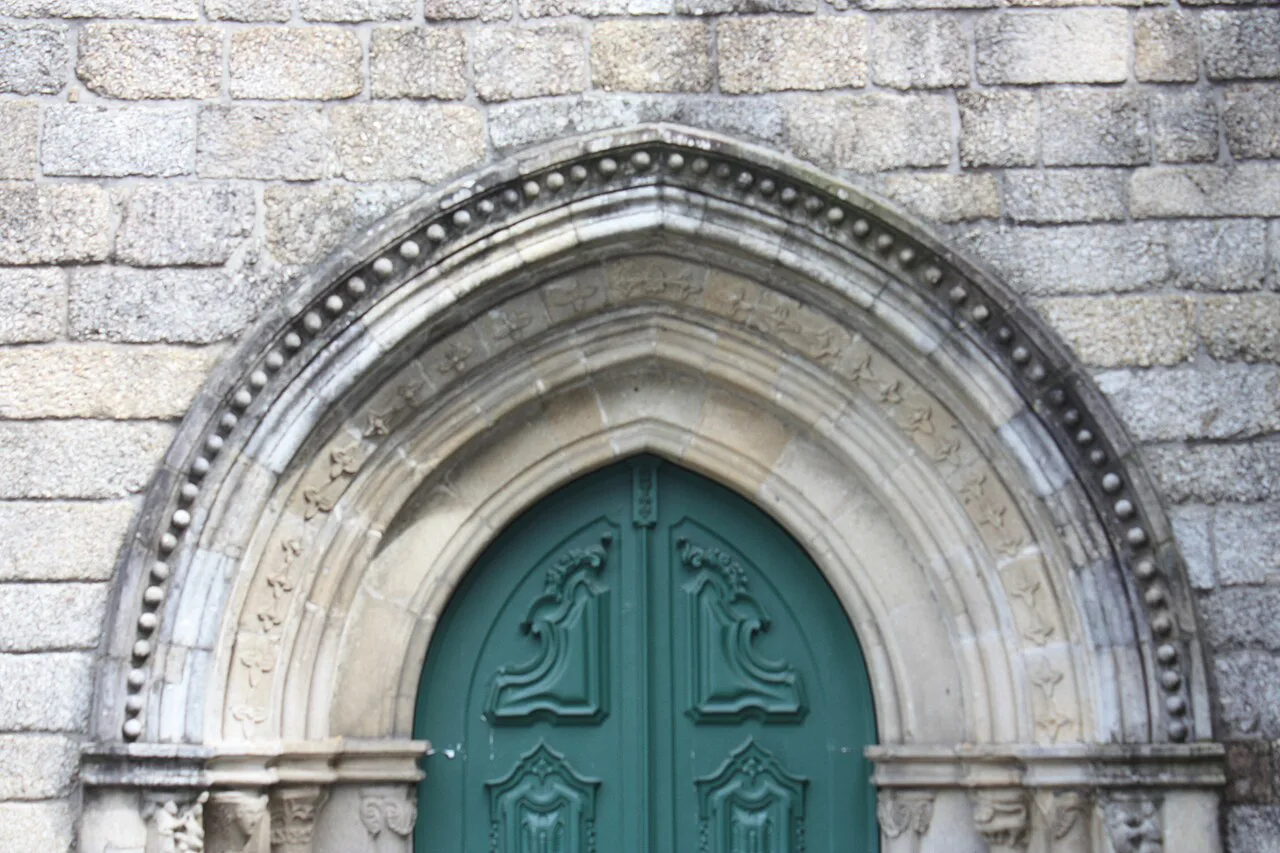
The Igreja de São Francisco is a Franciscan church and convent in Guimarães, granted by D. João I in 1400 and built across the whole of the 15th century. Its plain medieval shell hides one of the city's richest baroque interiors, with a gilded retable and azulejo panels. This guide covers what to look for inside, how long to allow and how to slot the visit into a walk through the old centre.
Treat it as a 30 to 45 minute stop rather than a half-day. The church rewards close looking at the carving and tiles, and the visit is short but dense rather than a room-by-room museum circuit.
What the Igreja de São Francisco is
Construction of the convent and church was granted by D. João I in 1400, and the work stretched through the 15th century. D. Constança de Noronha, the first Duchess of Braganza, took a particular interest in enlarging the convent after her husband's death and was buried in front of the high altar.
The building is a Franciscan foundation, so expect a restrained Gothic structure rather than a cathedral-scale showpiece. What makes it worth a detour is what was added later, especially the 18th-century remodelling of the interior. It sits within easy walking distance of the other sights in the old centre, which you can browse in the wider guide to Guimarães Attractions: 6 Visitor Guides.

Where it sits in the old centre
The church stands in Guimarães' historic centre and close to the Rua de Santa Maria. That places it naturally on a walking loop that also takes in the Largo da Oliveira and the streets around it, rather than requiring a separate trip.
If you start at the Largo do Toural, Guimarães' main square and a common arrival point, the church is a short walk through the old streets. Build the sequence around the Largo da Oliveira, the Rua de Santa Maria and São Francisco, and you cover the compact core without doubling back.

The exterior: cruzeiro and statues
In front of the church stands a cruzeiro, a stone cross monument, along with two sculptures. One depicts São Gualter, the patron of the city's Gualterianas festivities, and the other São Francisco; both were Franciscan disciples who lived in Guimarães in the 13th century.
Pause here before going in: the pair of statues ties the church to the city's own story rather than to a generic saint's cult, and the small square gives you a clear view of the facade. It is also the natural meeting point if your group splits up.
Inside: the baroque remodelling
The interior was transformed by major 18th-century reforms that turned the sober Franciscan temple into a baroque church. Its centrepiece is one of the most notable gilded Joanine retables in Guimarães, an altarpiece in the baroque taste of the Joanine era.
Look also at the azulejo panels, which depict the life and miracles of Santo António. The blue-and-white tiles set against the gold carving are the interior's defining contrast, so give them a few minutes rather than walking straight to the altar.
The Sacristy and its painted ceiling
The Sacristy deserves a deliberate look, with a ceiling formed of painted panels and a collection of sacred art. It is a small room, but the painted ceiling and the stored pieces make it more than a passing space.
Access to rooms like the Sacristy can depend on staffing and on whether a service is under way, so ask at the entrance what is open that day before you plan your route through the building.
The Sala do Capítulo and the 1591 cloister
The Sala do Capítulo is a 15th-century Gothic room whose portal and windows open onto the austere, harmonious cloister, dated 1591. Even if you only see it from the doorway, the framed view of the cloister is one of the building's best compositions.
Part of the convent building functions as a residence for seniors, so the church and its immediate interior rooms, rather than the whole monastic complex, are what you visit. Treat the view through the portal into the cloister as the point of the stop.
Later history: from barracks to the Ordem Terceira
With the extinction of the religious orders in 1834, the church passed to the Ordem Terceira de São Francisco. The convent itself served as a barracks, a court and a military hospital before being returned to the Ordem Terceira in 1875, and part of the building now functions as a residence for seniors.
That history explains why you visit a church and glimpsed cloister rather than a full monastic circuit: much of the convent is in other use. Keep your expectations to the church interior, the Sacristy and the chapter-room view, and the visit makes sense.
How much time to allow
Budget 30 to 45 minutes for the church, Sacristy and chapter-room doorway. Add time if you like baroque carving, because the retable and tiles reward slow looking more than a quick sweep.
Combine it with the Largo da Oliveira, a few minutes away, where the Colegiada de Nossa Senhora da Oliveira and the surrounding cafés make a natural next stop. The Museu de Alberto Sampaio is the obvious longer add-on if you want a museum after the church.
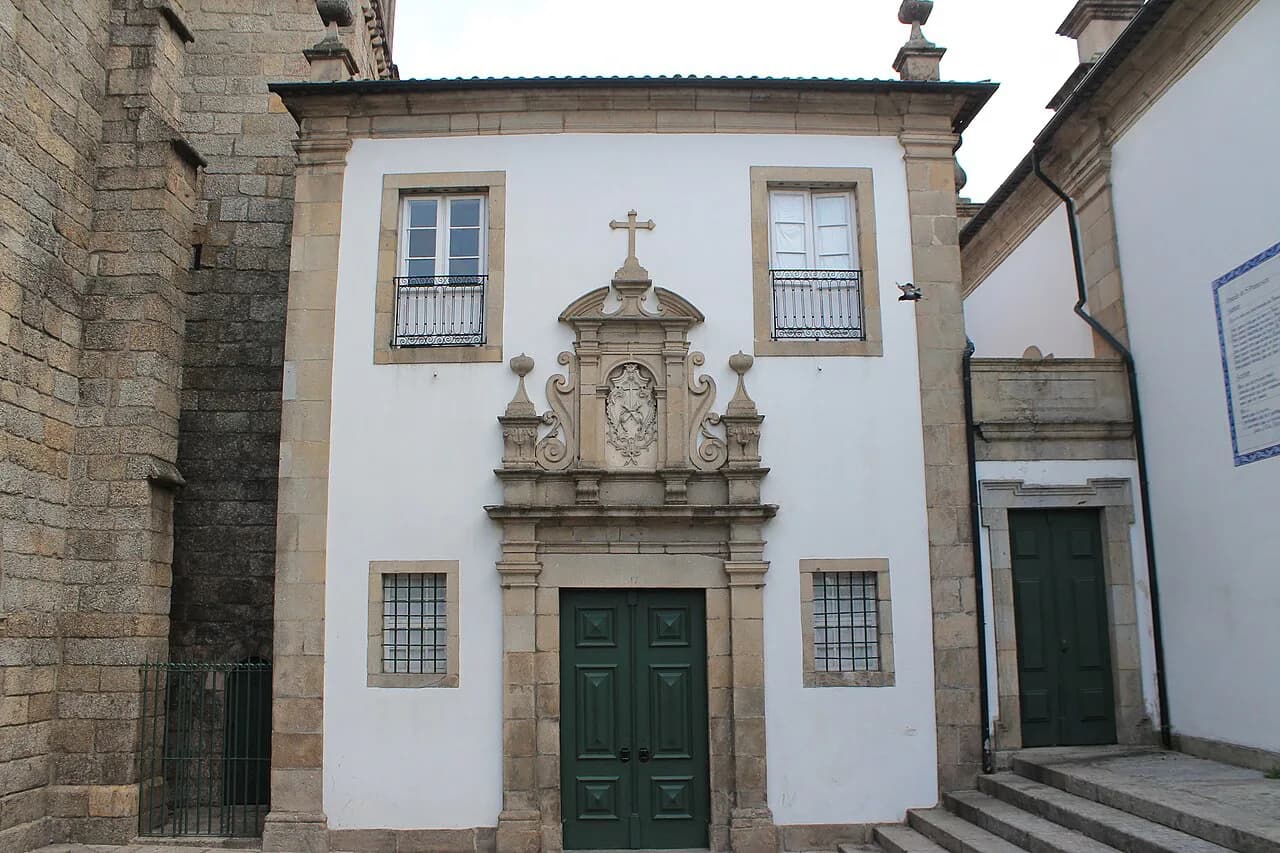
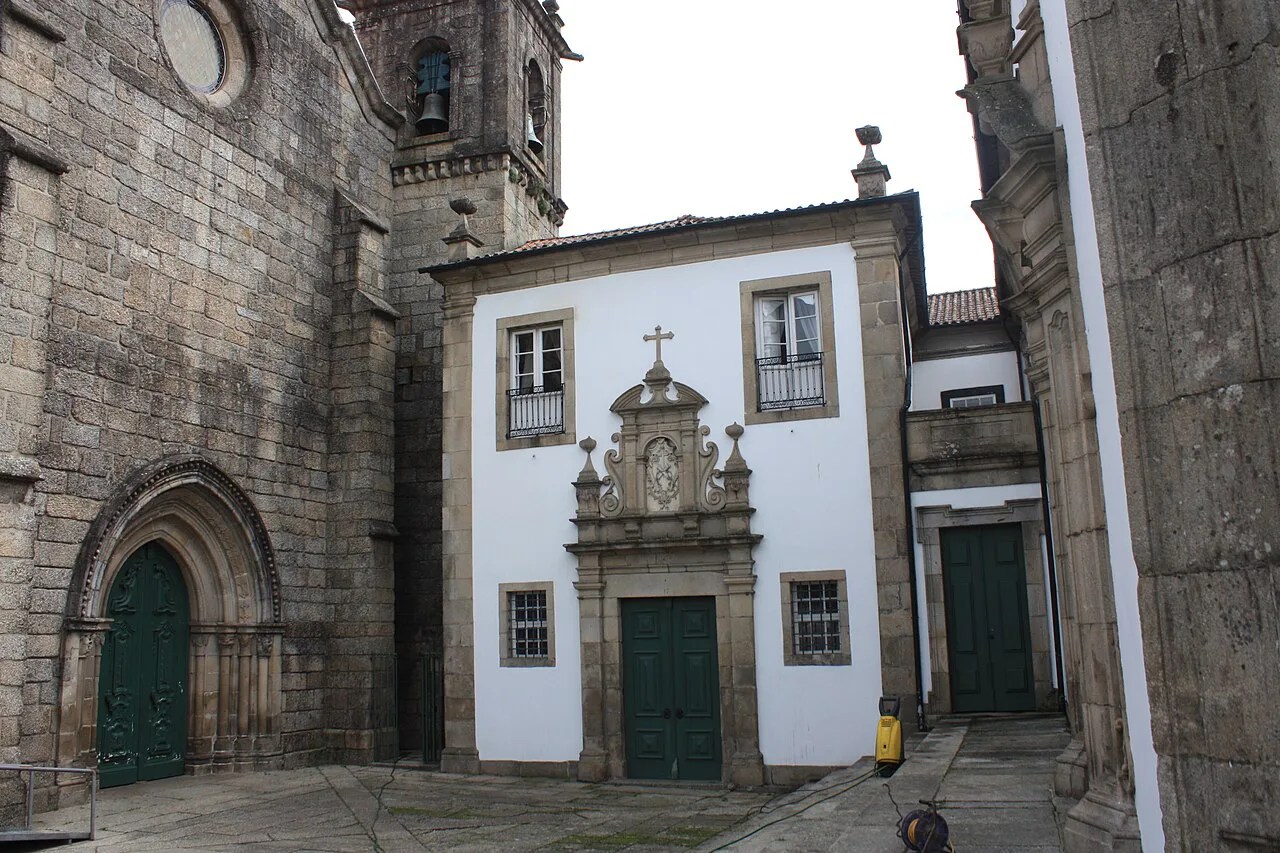
The adjoining Capela de São Francisco
Attached to the main Ordem Terceira building next door is the Capela de São Francisco, an 18th-century chapel dedicated to Nossa Senhora da Conceição. It is usually not open to the public, but entry is free when it is.
Do not build your day around it. Glance at the exterior as you pass and treat any open door as a bonus rather than the purpose of the walk.
Practicalities before you set out
Guimarães Turismo, the city's tourism service, is the place to confirm current opening times and entry details for the church before you go. The tourism office can also tell you whether the Sacristy or chapter room is accessible on the day of your visit.
Portuguese churches often close at lunchtime and religious buildings may be shut during services, so plan the church for mid-morning or mid-afternoon and keep the Largo da Oliveira as a fallback. If you want the wider set of city sights in one place, the Guimarães attractions guide covers the castle, the palace and the religious buildings together.
Is the church worth the stop?
Yes, if you are already in the old centre: the gilded retable, the azulejo panels and the view into the 1591 cloister justify 30 to 45 minutes, and the church sits on a natural walk between the Largo do Toural and the Largo da Oliveira. Skip it only if baroque interiors leave you cold.
Pair it with the Palace of the Dukes of Braganza if you want a fuller half-day, and check times with Guimarães Turismo before you set out.
Explore more Guimarães guides
Frequently Asked Questions
Is the Igreja de São Francisco in Guimarães free to enter?
The sources do not give a fixed entry price for the church, so confirm with Guimarães Turismo or at the entrance before you visit. The adjoining Capela de São Francisco is free when it happens to be open, though it is usually closed.
What are the opening hours of the Igreja de São Francisco in Guimarães?
The sources do not give fixed opening hours for the church, and access can depend on services and staffing. Ask at the entrance or check with Guimarães Turismo on the day.
Who is buried in the Igreja de São Francisco in Guimarães?
D. Constança de Noronha, the first Duchess of Braganza, was buried in front of the high altar after her charitable works on the convent.