
Palace of the Dukes of Braganza: A Visitor's Guide to the Paço dos Duques

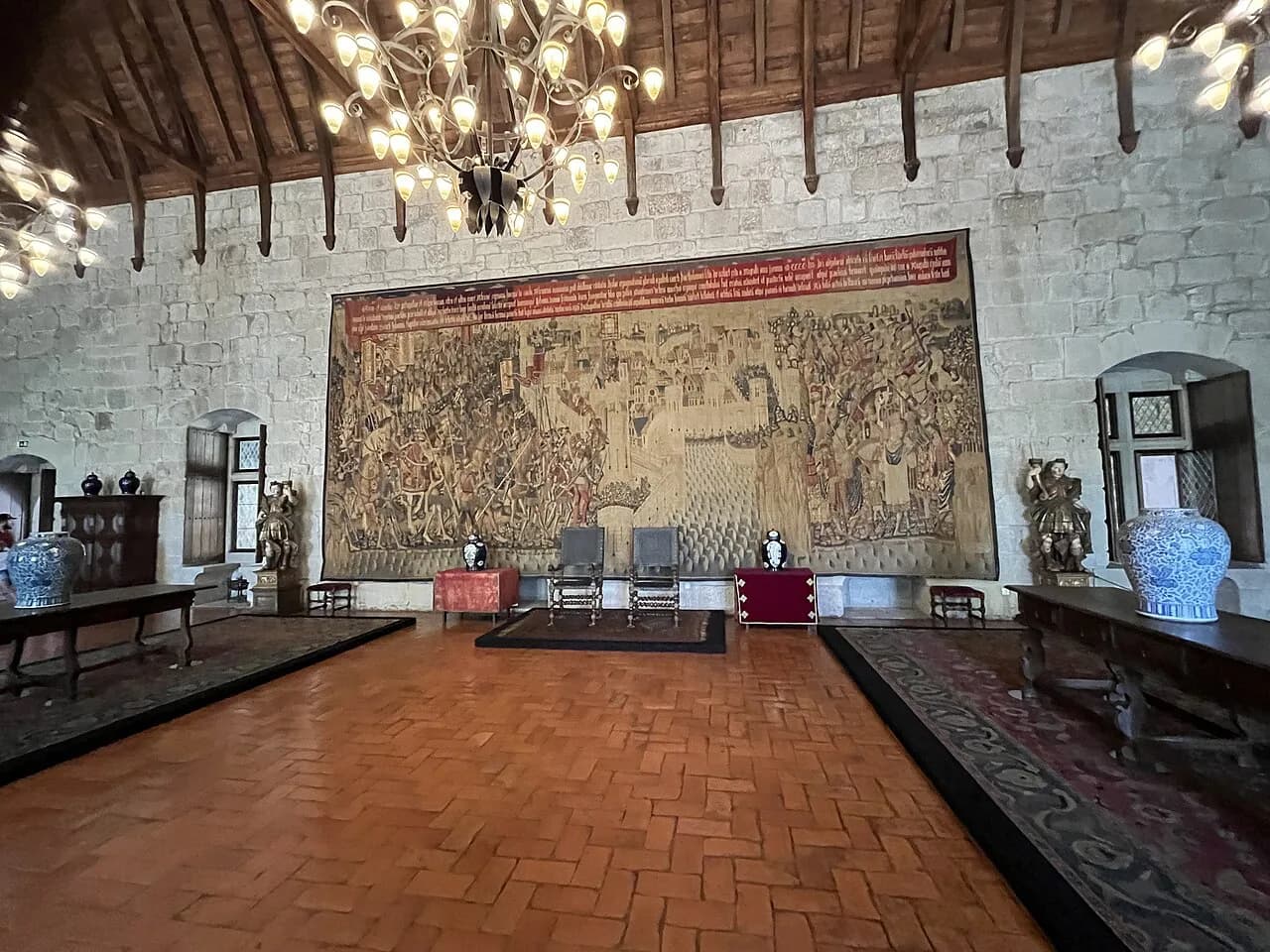
The Palace of the Dukes of Braganza, the Paço dos Duques de Bragança, earns roughly an hour of your Guimarães day: it is a house museum rather than a gallery, its rooms dressed with seventeenth- and eighteenth-century tapestries, porcelain, furniture, painting, sculpture and arms so that you walk through a lived-in interior. It sits on Monte Latito, the hill above the old centre, in one cluster with the Castelo de Guimarães and the Igreja de S. Miguel do Castelo. This guide covers what the building is, how to reach it on foot, what the rooms hold, how much time to allow and what a ticket buys.
Where the Paço dos Duques de Bragança sits
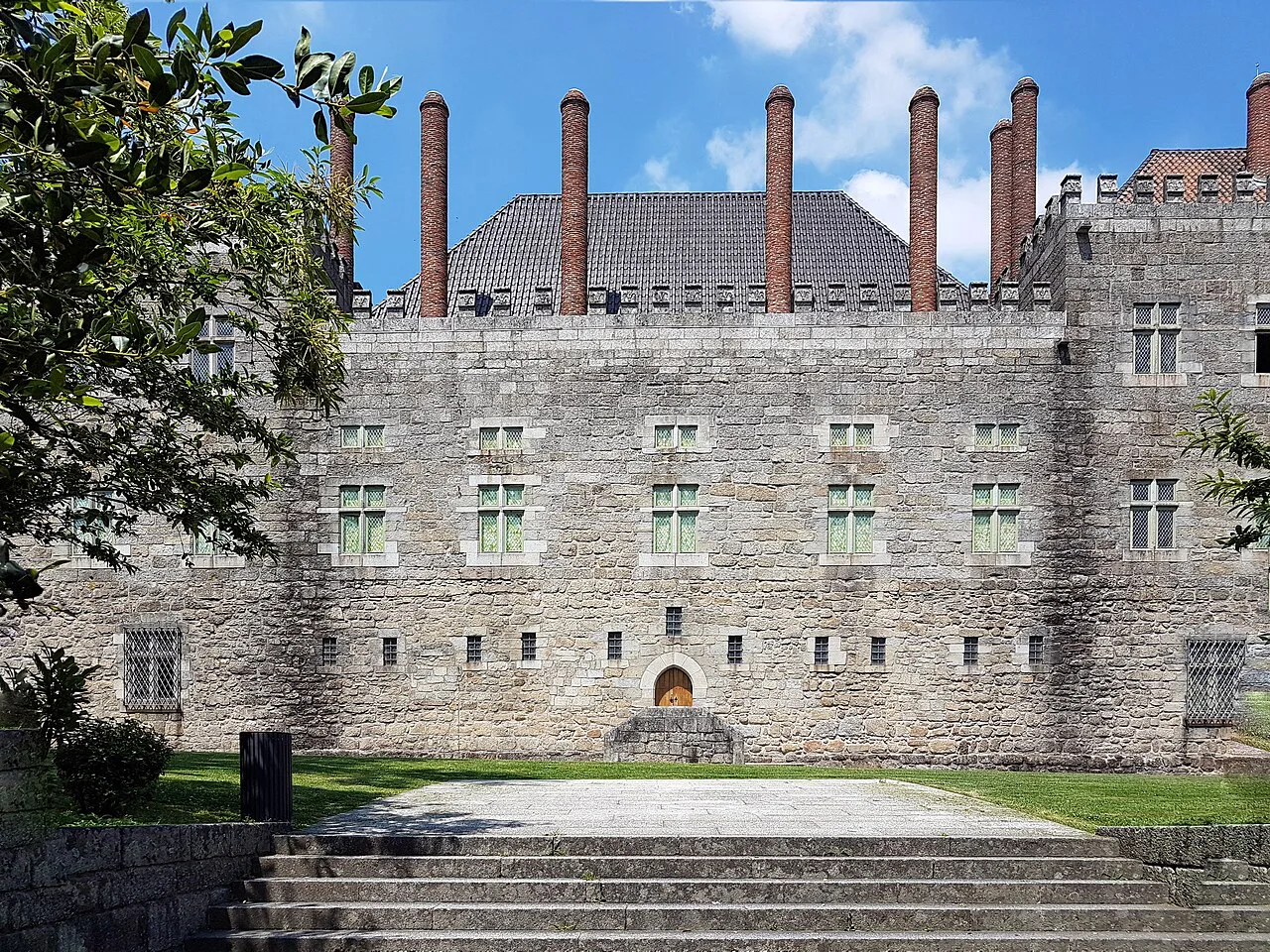
The palace stands on Monte Latito at Rua Conde Dom Henrique, the address the museum lists, and that same hilltop holds three national monuments: the palace, the castle and the small Romanesque church. Treat the three as a single stop rather than three separate trips, because the walking between them is a matter of minutes. You see the palace's granite walls and steep slate roofs before you arrive, which makes it easy to orient yourself when you come up from the lower town.

What the palace is: a 15th-century residence rebuilt in the 20th
The palace was begun in the 15th century by D. Afonso, an illegitimate son of King D. João I who became 8th Count of Barcelos and later 1st Duke of Bragança, and it is tied to the origins of the House of Bragança. It fell into progressive ruin over the following centuries, and between 1937 and 1959 it was comprehensively rebuilt to a design by the architect Rogério de Azevedo before reopening in 1959 as a National Palace and museum. Knowing that matters: the medieval silhouette is genuine in spirit, but most of what you walk through is a careful 20th-century reconstruction, and one wing is used as an official residence for the Presidency of the Republic, so it is not a working ducal household.
The palace's own site carries the fuller history, a room-by-room route and a virtual visit you can use to decide whether the interior is for you before you climb the hill.

Getting there on foot from the historic centre
From the old town, the natural approach is uphill through the centre: come through the Largo do Toural and the Porta da Vila into the narrow streets, then follow the signs for the castle and the palace. It is a short, steady climb of ten to fifteen minutes at an easy pace, with cobbles and some gradients, so wear shoes that cope with calçada rather than smooth soles. The walk is the point as much as the destination, since it passes the squares and facades of the lower town that most visitors photograph.
If you prefer to plan the centre first, our guide to Largo da Oliveira and its Colegiada shows what to see before or after the climb, and it is close enough to pair with the hill in one morning. Allow for the gradient on the way back down as well when you are timing a lunch booking.
Opening hours and ticket price
The palace opens every day of the week, Monday to Sunday, from 10am to 6pm, and an adult ticket costs €5.00; tickets can be bought at the ticket office or online. It closes on 1 January, 1 May, Easter Sunday, 13 June and 25 December, along with any short notice closure the museum posts, so confirm the day before if your trip falls on a public holiday.
What to see inside: tapestries, porcelain, furniture, painting, sculpture and weaponry
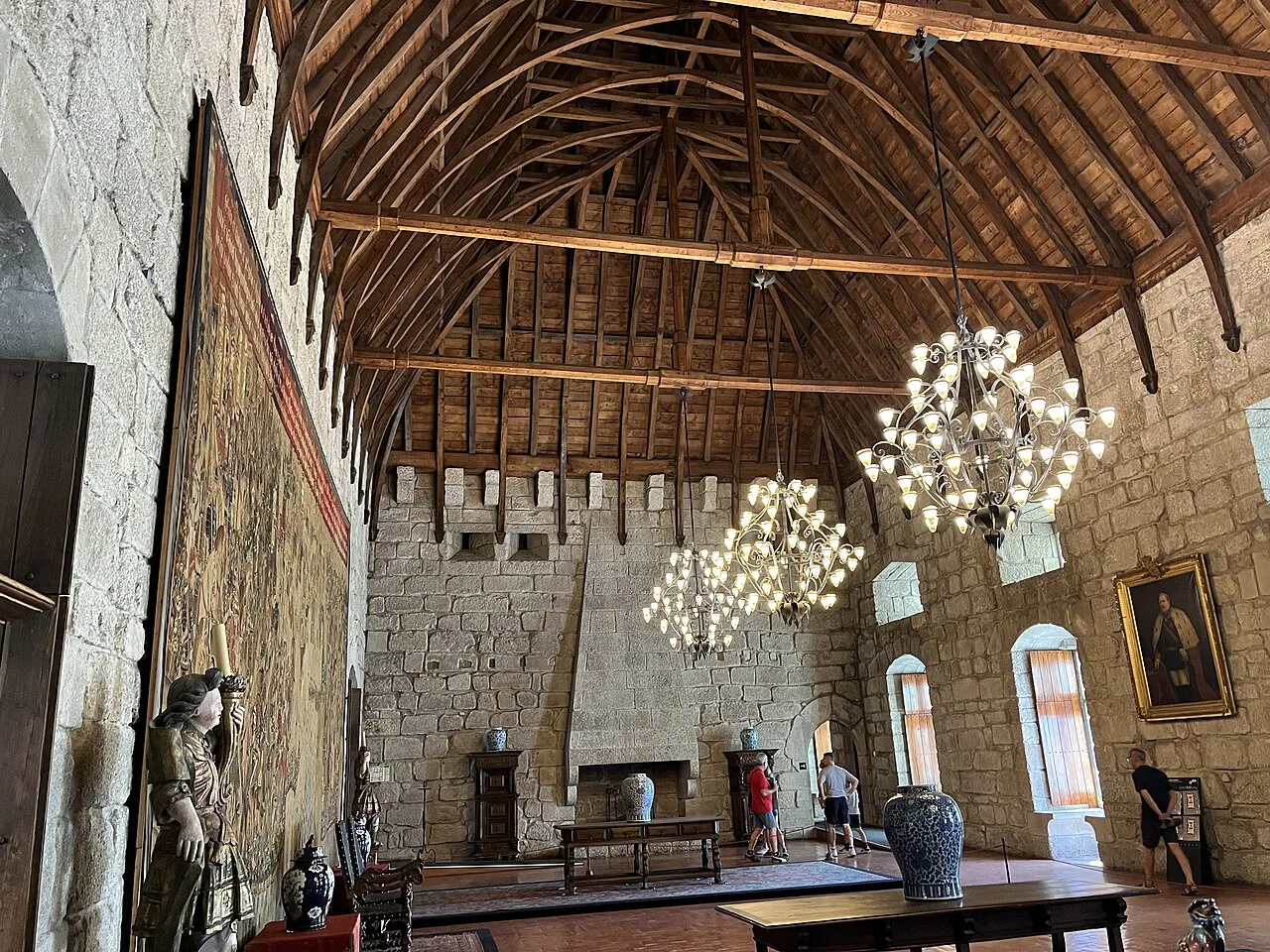
The permanent exhibition furnishes the rooms largely with pieces made in the 17th and 18th centuries: tapestry, porcelain, carved furniture, painting, sculpture and a collection of arms and armour. The effect is deliberately domestic, with objects arranged as if the household had just stepped out, which rewards slow looking over checklist ticking.
How much time to allow
An hour covers the state rooms at a comfortable pace, and ninety minutes lets you read the labels and linger in the hall and chapel without holding anyone up. Add a further hour if you intend to walk the castle walls and step into the church on the same hill, which turns the visit into a half-day rather than a quick stop. If you are in Guimarães for only one full day, put the palace and castle together in the morning, when the rooms are quieter, and keep the afternoon for the lower town.
Nearby on the same hill: the Castelo de Guimarães and Igreja de S. Miguel
The Castelo de Guimarães stands a few minutes away and is promoted by the same monument service as the castle most closely tied to the foundation of Portugal, a squat granite fortress you can walk around and climb. The Igreja de S. Miguel do Castelo, a small Romanesque church beside it, is traditionally linked with the baptism of D. Afonso Henriques. Opening arrangements and any admission charges for the castle and church change independently of the palace, so check the monument's own pages before you set out rather than assuming they follow the palace's hours.
Practical points: closures, access and where to confirm details
The clearest source for hours, holiday closures and ticket prices is the Museus e Monumentos de Portugal listing, which also gives the palace's telephone number and email if you need to ask about access or group visits. The palace is on a hill with stepped and sloping streets around it, so anyone with limited mobility should plan the approach in advance. For the rest of your time in the city, Guimarães Attractions: 6 Visitor Guides map out what else is worth the walk.
Is the Paço dos Duques worth the climb?
Yes, if you want a furnished interior rather than empty stone: an hour and €5 buys you tapestry, porcelain, arms and a sense of how the Bragança household lived, with the castle and church next door to round out the hill. Skip it if your day is already full of museums and you would rather spend the time in the squares below. Either way, pair it with a walk through the Largo do Toural and the old streets so the climb does double duty.
Explore more Guimarães guides
Frequently Asked Questions
Do you need to book the Palace of the Dukes of Braganza in advance?
Tickets are sold at the palace's own ticket office as well as online, so you can buy on the day; buying online can save time at busy periods. Check the official listing if you are visiting on a public holiday, when closures can apply.
Is the Paço dos Duques de Bragança the same as the Castle of Guimarães?
No. The palace is a 15th-century residence rebuilt in the 20th century and run as a museum, while the Castelo de Guimarães is the separate granite fortress a few minutes away on the same hill. They are usually visited together, but they are different buildings with their own admission arrangements.
Does the Duke of Braganza live in the palace?
Not in the palace you visit. The museum building includes a wing used as an official residence for the Presidency of the Republic. The palace is a national monument and museum rather than a private ducal home.