
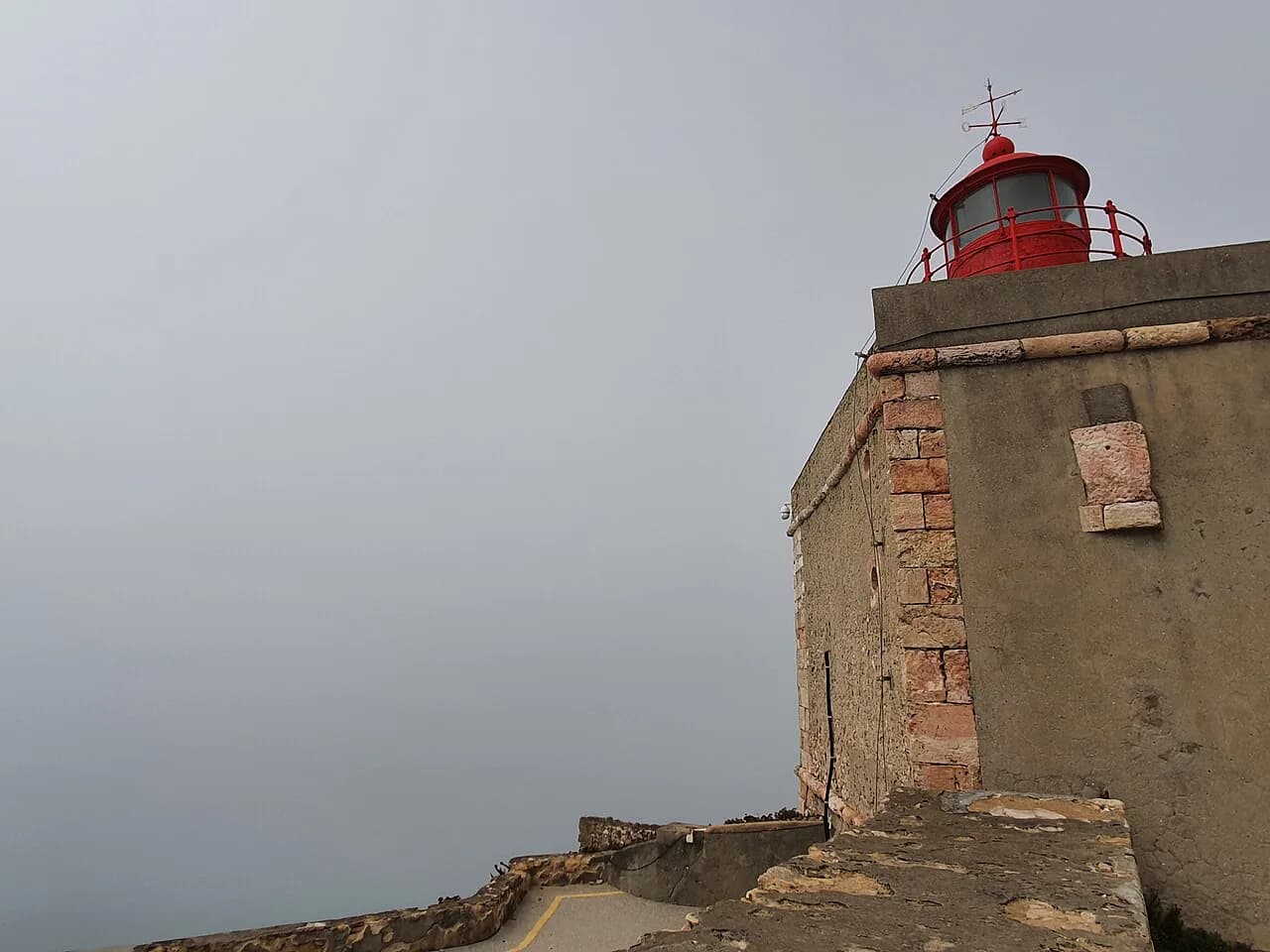
Forte de São Miguel Arcanjo: Nazaré's Clifftop Fort and Lighthouse

The Forte de São Miguel Arcanjo is a compact clifftop fort and lighthouse at the far end of the Sítio promontory, above Praia do Norte in Nazaré. It is worth an hour of your time for the sea views, the lighthouse and the small exhibition on the town's giant waves.
This guide covers where the fort sits, how to walk or drive up to it, what is inside, how long to allow and which nearby sights fit around it. Because the sources here do not publish ticket prices or daily hours, check them at the gate or the town's tourism office before making the climb. For the wider choice of sights in town, see Nazaré Attractions: 5 Visitor Guides.
A 1577 fort that became a lighthouse
The fort was built in 1577 at the tip of the Sítio promontory and was converted into a lighthouse in 1903. It protected the town and guided fishing boats home, and it has been open as a tourist attraction since 2015.
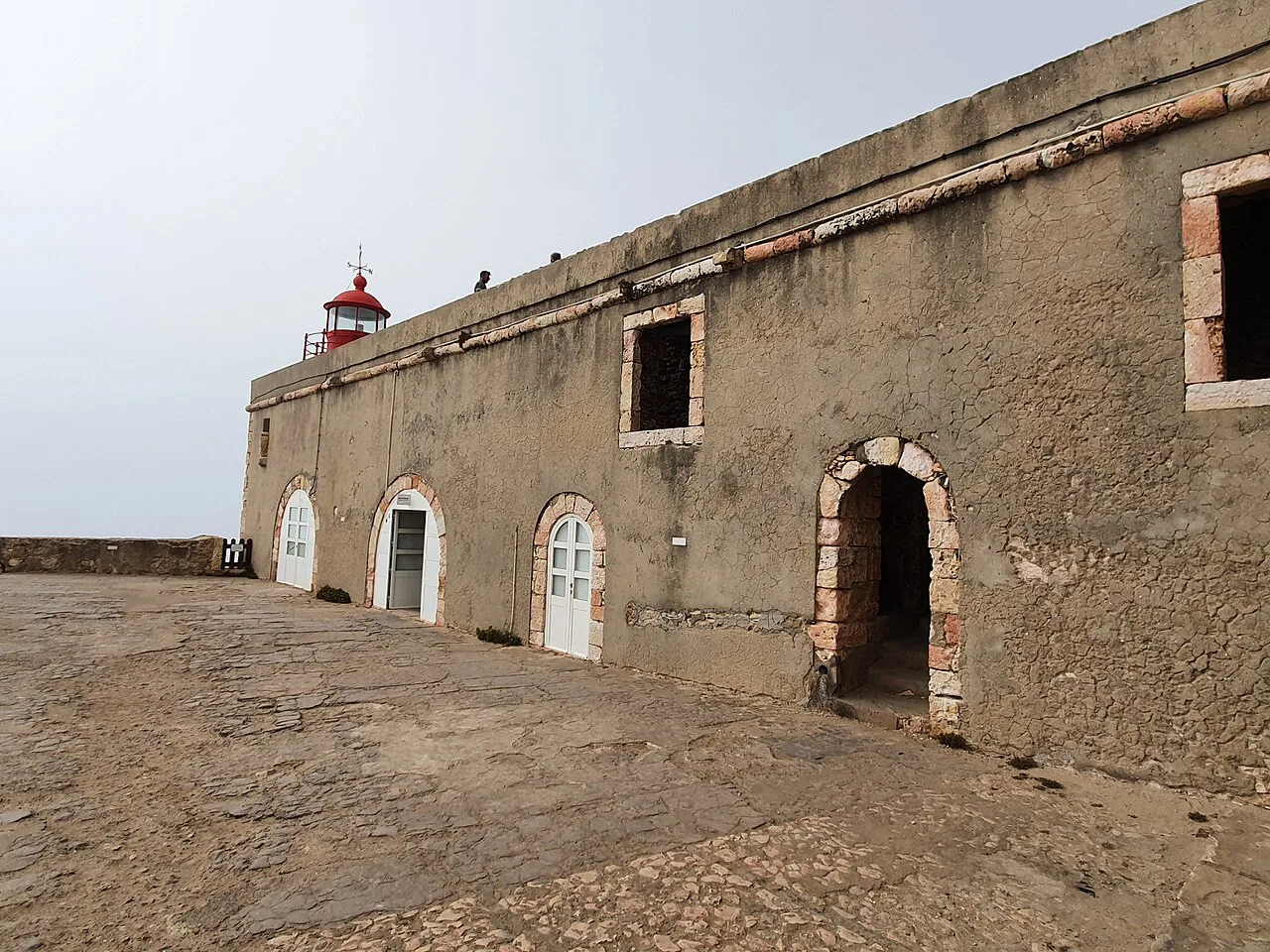
The dedication to the archangel Michael is visible above the entrance, where an image was sculpted in 1644 when the fort was expanded. French troops in the early 1800s briefly took it over during the invasions of Portugal, which explains the military rather than decorative feel of the masonry.

Where it sits above Praia do Norte
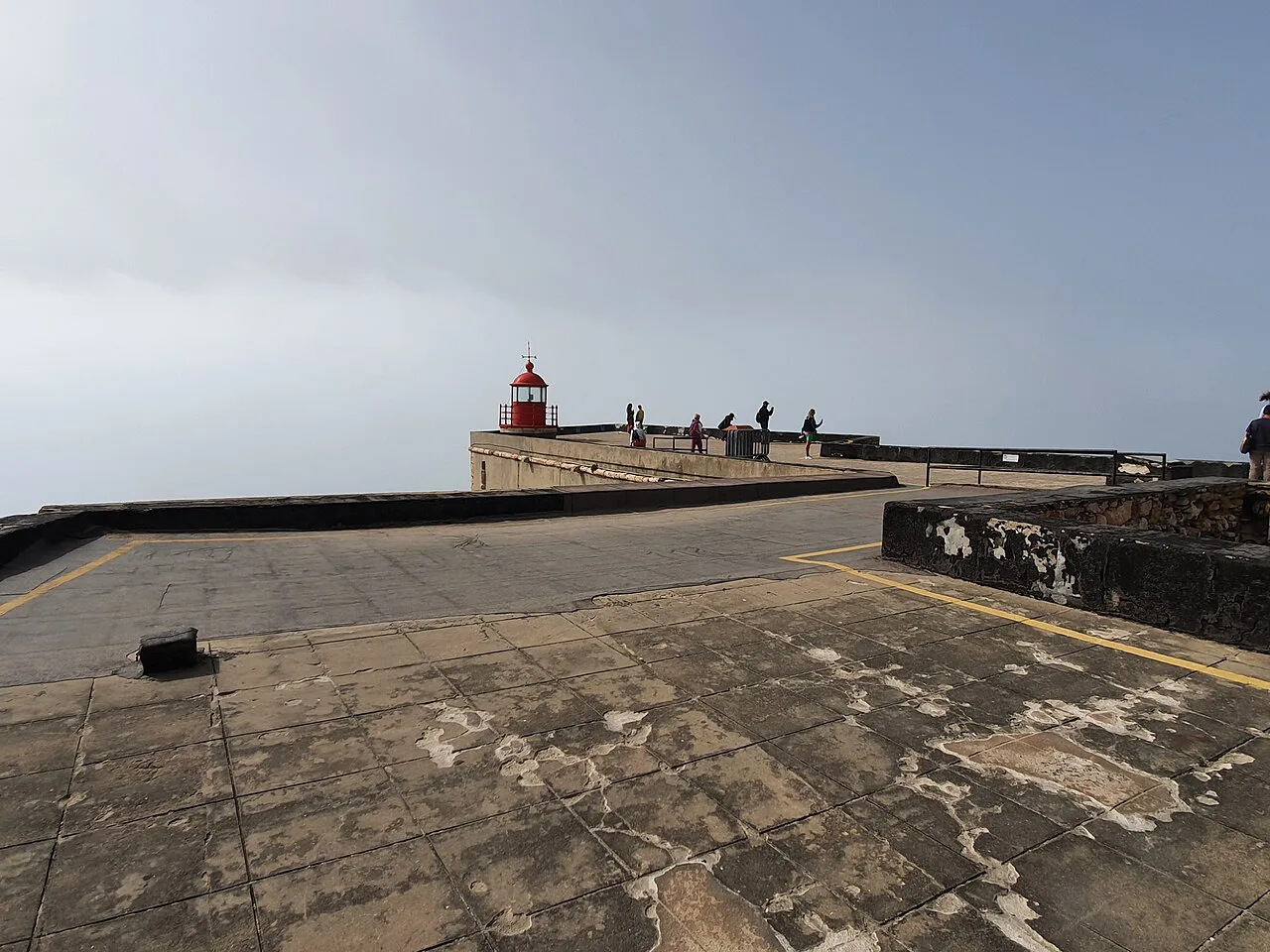
The fort stands on the clifftop that looks down on Praia do Norte, the beach known for holding the record for the world's biggest waves. That position is the whole point of a visit: you get a clear sightline along the coastline and, in the right conditions, a view onto the surf breaks below.
Do not expect to walk down to the sand from the fort itself; the drop is steep and the beaches are reached from the town below. Treat the fort as a viewing platform and a museum, and save the beach for a separate stop.

How to get to the fort
Coming from Praia da Nazaré, take the funicular up to the Sítio and then walk down the road behind the Sanctuary of Nossa Senhora da Nazaré; allow around 15 to 20 minutes on foot to reach the fort. If you drive, follow the signs from the centre of Nazaré and use the car park above the beach.
For the layout of the two halves of town, the beach at sea level and the Sítio on the cliff, the Sítio da Nazaré overview is the page to read first. It explains the geography that makes the climb necessary.
What to see inside: the wave and surfing exhibition
The interior holds a surf-themed exhibition on Nazaré's giant waves, with displays that offer scientific explanations for how they form. Expect videos and photographs of the big-wave sessions, plus a collection of surfboards donated by surfers who have ridden here.
It is a small museum rather than a full afternoon's worth, and the exhibits are more about the phenomenon than about the fort's military history. Read the wave-science panels first, then take the lighthouse terrace for the view.
The lighthouse and the exterior
The lighthouse was installed in 1903 and remains the structure's working feature, with the lantern and gallery giving the widest outlook in the Sítio. The 1644 expansion added the entrance where the archangel image sits.
Do not confuse the fort's lighthouse with the town's other coastal viewpoints when planning which to climb. This site is the one above Praia do Norte, reached from the Sítio; the Nazaré Lighthouse guide covers the town's lighthouse story separately.
Watching the giant waves from the fort
Autumn and winter are when the biggest swells arrive, and during international competitions the fort is where many spectators stand to watch the pros ride the giant waves. If a big swell is forecast during your break, plan the fort for that day.
Outside competition periods the view is simply a long stretch of Atlantic coast, which is still the reason most people come up here. Pair the fort with a stop at the Miradouro do Suberco for the classic photograph over the town.
How long to allow and what to pair with it
An hour covers the exhibition, the lighthouse terrace and a slow look along the cliffs. Add another hour if you want the Sanctuary of Nossa Senhora da Nazaré, which sits on the same clifftop and is reached on the walk between the funicular and the fort.
If you like local history, the Museu Dr. Joaquim Manso down in the town covers fishing and ethnography and gives context to the boats you see from above. It is a sensible second stop on the same day rather than a substitute for the fort.
Nearby sights on the Sítio
The Ermida da Memória, a tiny chapel on the cliff edge, is a short walk from the fort and is tied to the legend of the Nazaré image. The Sanctuary of Nossa Senhora da Nazaré, with its tiled interior and market square, sits between the funicular station and the fort.
Walking back, the Suberco viewpoint gives the best view over the red roofs and the beach, and the funicular returns you to the seafront without the uphill slog. The Sítio da Nazaré page covers the neighbourhood itself if you want to linger.
Practical points before you set off
The climb is the main practical test: whether you take the funicular and walk down from the Sanctuary or drive up and park near the fort, allow for the return uphill if you plan to walk back. Wear shoes with grip, because the clifftop paths and the fort's stone surfaces are uneven.
The fort is municipal heritage, and the town council lists it among Nazaré's monuments and heritage. Check the council page for the current visiting arrangements and any seasonal changes before you go.
Is the fort worth the climb?
Yes, if you are already going up to the Sítio for the Sanctuary and the viewpoint: the fort adds a lighthouse, a wave-science display and a view over Praia do Norte for modest effort. Skip it if you have only an hour in Nazaré and want the beach and the town instead.
Explore more Nazaré guides
Frequently Asked Questions
Do I need to book tickets for the Forte de São Miguel Arcanjo in advance?
No advance-booking system is published for the fort, so treat it as a turn-up attraction and confirm the current arrangements at the entrance or the town's tourism office on the day you visit.
Can I walk from Nazaré beach to the fort?
Yes, but it is a climb. You can take the funicular up to the Sítio and then walk about 15 to 20 minutes down the road behind the Sanctuary to reach the fort, or drive up and park near it.
Is the fort suitable for young children?
The exhibition and lighthouse are small and easy to move through, but the clifftop paths and the fort's stone surfaces are uneven, so keep hold of small children near the edges and wear sensible shoes.