
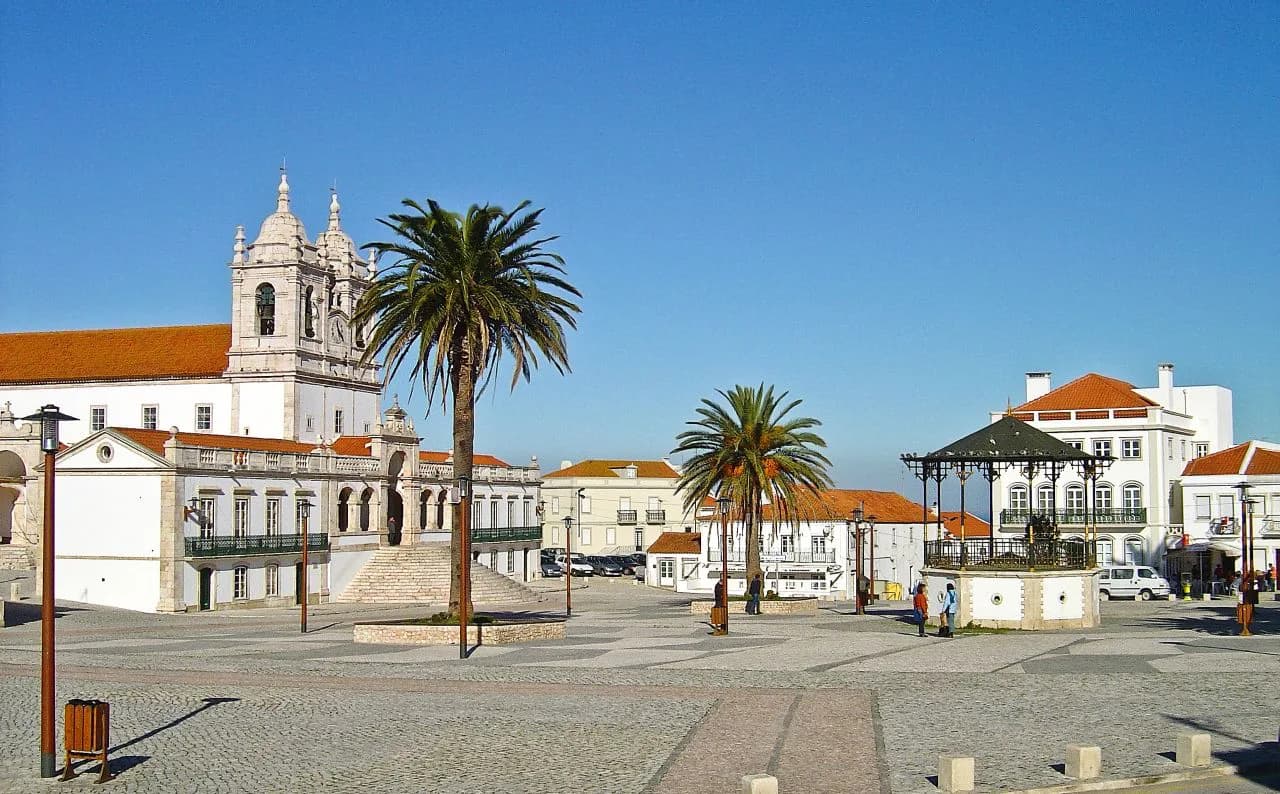
Museu Dr. Joaquim Manso: Nazaré's Folk Art and Fishing Museum

Allow about an hour: the Museu Dr. Joaquim Manso is a small municipal folklore collection that gives context on Nazaré's fishing life, regional costume and daily traditions before or after you walk the seafront. It is not a headline sight, and the town's official visitor pages treat it as one of several local facilities rather than a major national museum.
This guide covers what the collection actually holds, how it fits between the beach and the clifftop Sítio, how long to budget, and which nearby landmarks pair naturally with it on a one- to four-day break. It deliberately sets expectations: this is an hour of local history, not an afternoon of galleries.
What the Museu Dr. Joaquim Manso is
The museum belongs to the Câmara Municipal da Nazaré, which lists it among the town's cultural venues alongside the Biblioteca Municipal, the Cine-teatro and the Galeria Municipal Paul Girol. That municipal status tells you what to expect: a locally assembled collection about the town itself rather than a national art museum.
Its subject is Nazaré's own heritage, above all the fishing community that shaped the town and the costumes and objects attached to it. Some visitors describe it as a folklore museum of regional costume, old fishing boats and everyday objects from the town, which matches the municipal framing.
Museus e Monumentos de Portugal also carries a page for the museum within its national listing, so it appears in both the municipal and the national museum directories. Either page is a sensible place to confirm the museum is operating before you build it into a day.
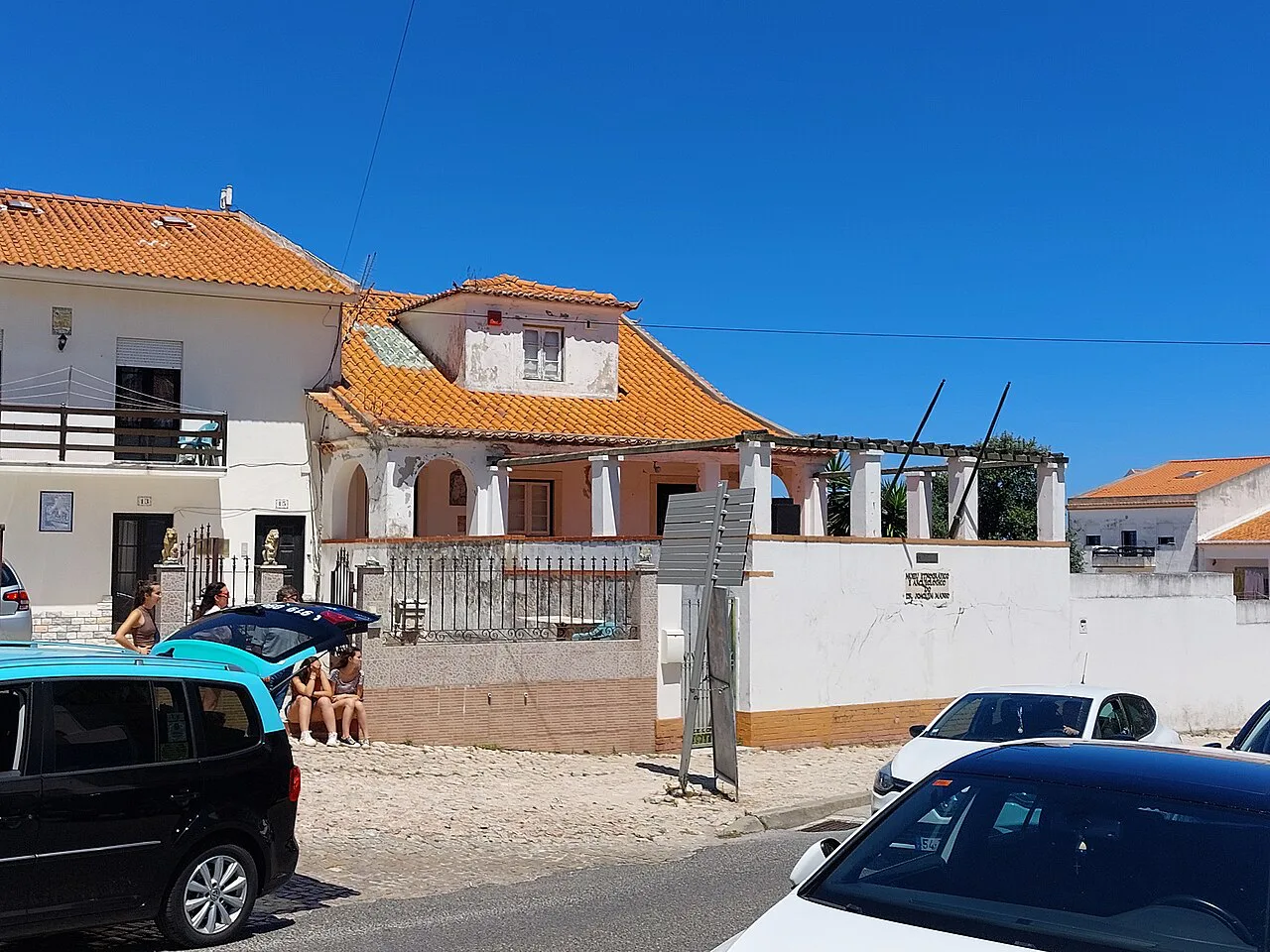

Where it sits in Nazaré
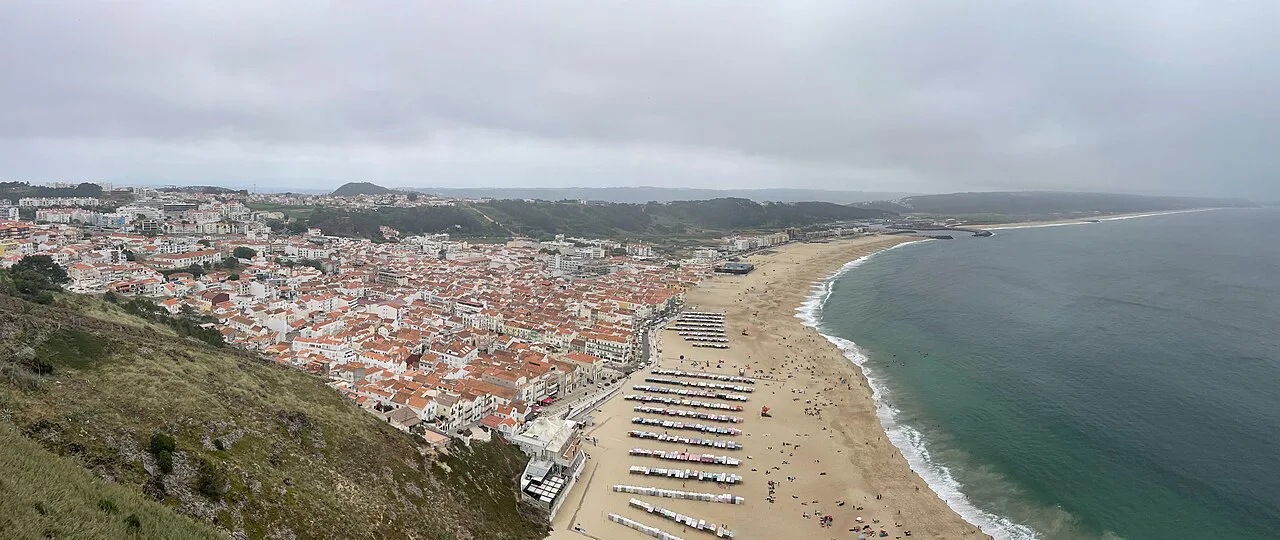
Nazaré splits into two halves: the Praia da Nazaré seafront, where the fishing quarter and the beachfront restaurants sit, and the Sítio on the clifftop above, reached by road or by the Ascensor da Nazaré funicular. The museum sits in the lower town, so it slots into a walk around the seafront rather than a trip up to the cliff.
Treat it as a stop on a lower-town loop rather than a destination in its own right: pair it with the Mercado Municipal and the seafront, then take the climb to the Sítio separately. The climb is steep on foot, and the funicular is the usual alternative when legs or time are short.
The town's own visitor section groups the museum with the Posto de Turismo and the Centro Cultural in the old fish auction building, all within a compact central area. That clustering is what makes a half-day lower-town wander practical, before you head up to the clifftop fort separately.

What to see inside
Expect regional costumes, old fishing boats and objects of Nazaré daily life, displayed as a folk collection rather than as fine art. The strongest reason to go is to connect the costumes and boats you see in the street and on the sand with the working life that produced them.
Because the collection is modest, read the labels rather than skimming the cases: they carry the local context that gives the rest of Nazaré its meaning. If you are travelling with children, the boats and costume displays usually hold attention longer than the documents.
The museum's own listing is the place to check what is currently on show, since small municipal museums rotate displays and occasionally host temporary exhibitions. Cross-check with the national museum page if the municipal site is being updated.
How long to allow and who it suits
Budget around an hour. That is enough for the core costume and boat displays at a comfortable pace, and it leaves the rest of the day free for the seafront, the market and the climb to the Sítio.
It suits travellers who want context on Nazaré's fishing culture, especially on a first visit or a rainy hour when the beach is uninviting. It is less compelling if you have already spent time in Portugal's larger folk and maritime collections, or if your break is only a day and the clifftop sights are the priority.
Anyone with a serious interest in ethnography should weigh the trip against the bigger national museums elsewhere in Portugal. For a short break in Nazaré itself, the museum works as a supporting act, not the main event.
Tickets and opening days
Ticket prices and opening days are not confirmed here; the museum's municipal page and the Museus e Monumentos listing are the places to check before travelling, including any public-holiday closures. Confirm current details on the official pages before you set out, as small municipal venues can adjust their schedules.
Do not rely on review remarks about admission when planning your day: treat any such comment as a traveller anecdote rather than confirmed policy. Check the official pages for the current position before you go.
Other Nazaré sights to pair with it
The Forte de São Miguel Arcanjo at the edge of the Sítio is the obvious companion: a clifftop fort with the famous wave views below, and the natural next stop after the museum if you are heading uphill. Give it its own slot rather than squeezing it into the museum hour.
The Nazaré lighthouse, next to the fort, is where the big-wave watching happens in winter, and it makes sense to combine the two in one clifftop visit after the lower town. The miradouro do Suberco nearby gives the classic view back down over the beach and the fishing quarter.
Back at sea level, the Mercado Municipal and the seafront restaurants fill the rest of a lower-town morning, and the Centro Cultural in the old fish auction building is another municipal stop in the same cluster. Combined, these make a coherent half-day without any long transfers.
A candid verdict
Worth an hour if you want to understand Nazaré's fishing culture and the costumes and boats you will see around town; skippable if your time is tight or you have already covered Portugal's larger folk collections. Set expectations for a small municipal museum and it will do its job well.
Should the museum make your Nazaré shortlist?
Put the Museu Dr. Joaquim Manso on your list if you have a spare hour in the lower town and want the local story behind the boats and costumes. Skip it if your break is a single day built around the clifftop and the beach.
Either way, pair it with the seafront and the market, then head uphill to the fort and lighthouse for the views. Check the official pages for current opening and admission details before you go.
Explore more Nazaré guides
Frequently Asked Questions
Is the Museu Dr. Joaquim Manso free to enter?
Admission is not confirmed here. Traveller reviews mention free entry, but that is not a reliable basis for planning, so check the museum's municipal page and the Museus e Monumentos listing for the current position before you go.
What are the opening hours of the Museu Dr. Joaquim Manso?
Opening days and hours are not confirmed in the available official information. Check the museum's municipal page and the Museus e Monumentos listing before travelling, as small municipal venues can vary their schedules.
How do I get to the Museu Dr. Joaquim Manso from the Nazaré seafront?
It sits in the lower town among Nazaré's municipal cultural venues, so it can be reached on foot as part of a seafront walk. The clifftop Sítio is a separate climb, usually done by funicular or road.