
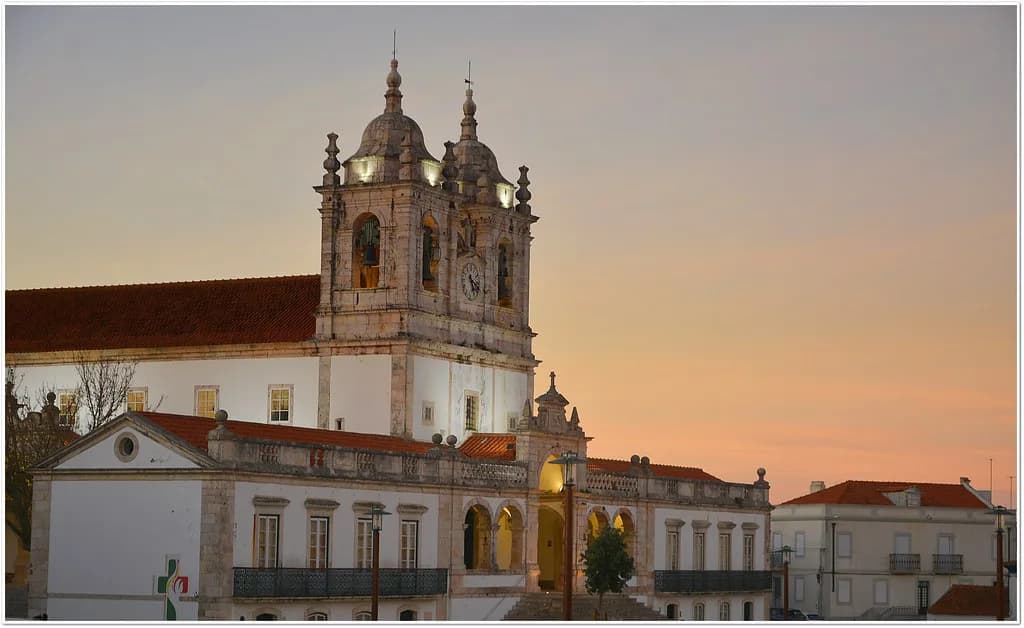
Sítio da Nazaré: the Cliff-Top District Above the Town
Sítio da Nazaré is worth two to three hours: it is the district at the town's highest point, reached by funicular, and it holds the area's standout viewpoint, the Sanctuary of Our Lady of Nazaré and the small legend chapel of Ermida de Memória within a short walk of each other. This guide covers what each part is, how the funicular links the seafront to the clifftop, and how much time to give it within a short Nazaré break.
What Sítio da Nazaré actually is
The Sítio is a district, not a single monument, sitting at Nazaré's highest point and reached by funicular from the town below. It combines three things travellers tend to blur together: a broad clifftop viewpoint, the sanctuary church, and the small chapel that commemorates a legend. Treating them as one place is the mistake that makes the visit feel thin; treating them as three stops a few minutes apart makes it feel complete.
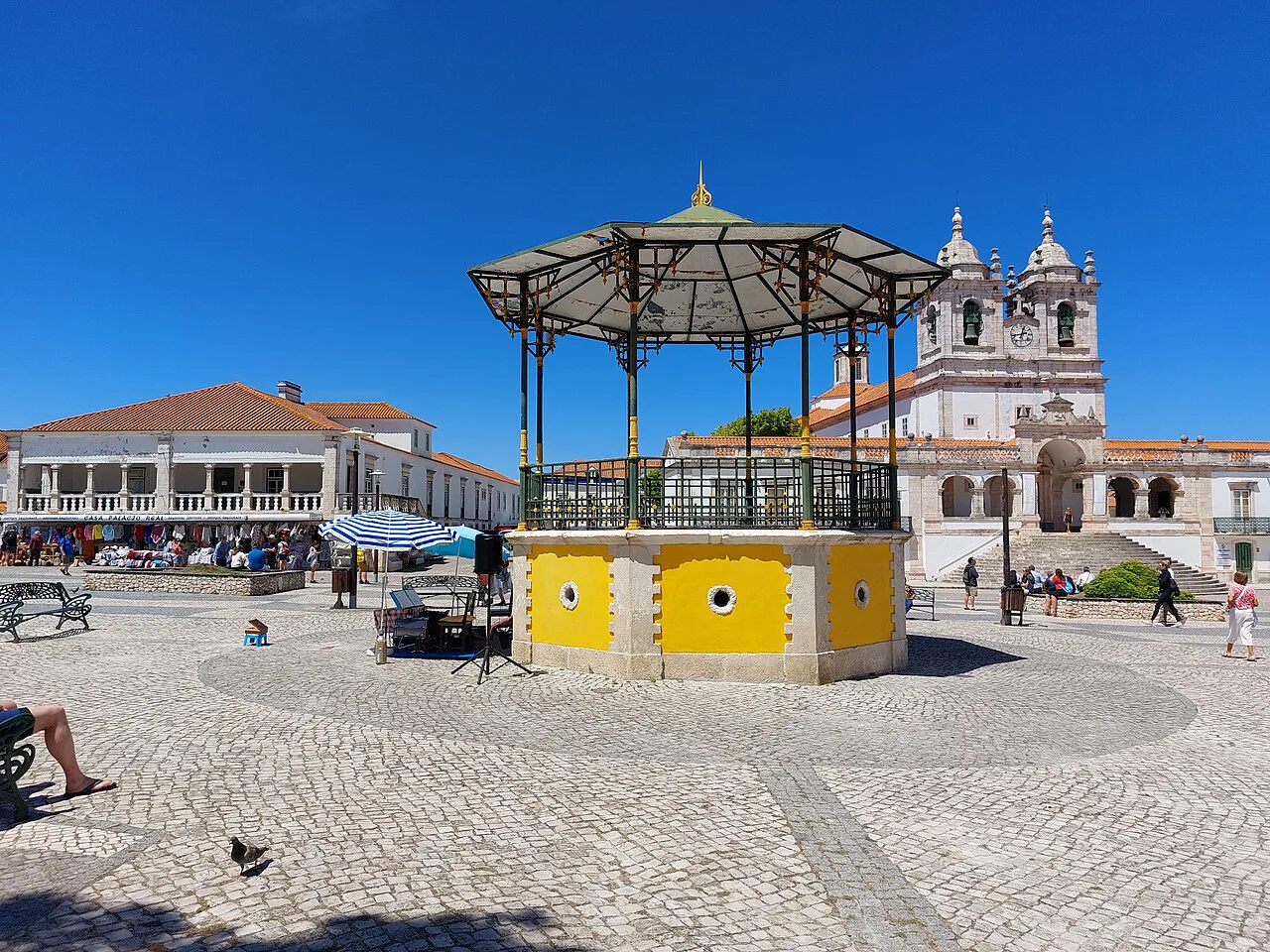
The clifftop district is built around the Santuário de Nossa Senhora da Nazaré and an open miradouro, the lookout terrace that draws most day visitors up the hill. Because the sanctuary, the terrace and the lanes of shops sit close together, you can cover the core on foot without any further transport once you are up there.

Where it sits above Nazaré and how the funicular works
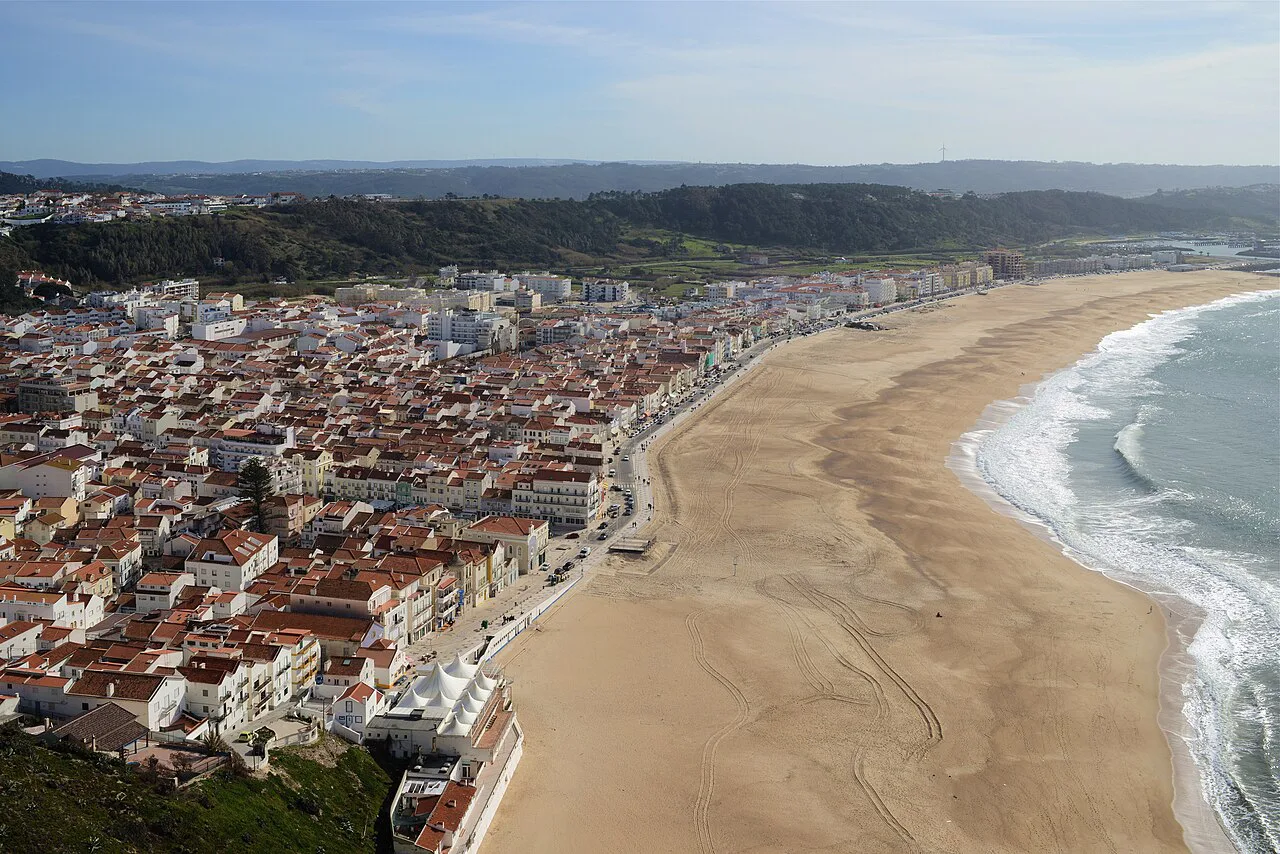
The Sítio occupies the headland directly above the town and the beach, so the climb is vertical rather than long. The funicular is the practical link between the seafront and the clifftop, and it is the reason a visit does not eat into your day with a long walk uphill. Ride up, wander the district, and decide at the top whether to walk back down for the views on the way.
The funicular is the standard way up between the seafront and the clifftop district. Fares, running times and frequency are not details to plan around in advance; confirm the current arrangements at the lower station before you travel, particularly outside the main season.
The miradouro: what you look down on and how long to allow
From the terrace you look down on the town's rooftops, the sweep of the beach and the Atlantic beyond, which is why the Sítio serves as the best viewpoint in the area. Allow twenty to thirty minutes at the railing, more if you want photographs at different angles or a coffee on the terrace. The light changes through the day, so a late-afternoon visit gives a softer view than harsh midday sun.
The clifftop position is what makes the viewpoint work, giving you an elevated angle over the coastline and the water below. If surfing conditions are the reason for your trip, continue to the Forte de São Miguel Arcanjo, the preserved clifftop fort along the same elevated coastline.
Santuário de Nossa Senhora da Nazaré and the Dom Fuas Roupinho legend
The sanctuary exists because of a 12th-century legend: Dom Fuas Roupinho, commander of a fortress, was hunting a deer when he was about to ride over the cliff edge, invoked Our Lady of Nazaré, and was saved. In gratitude he ordered a small chapel built, the Ermida de Memória, and the larger Sanctuary of Our Lady of Nazaré followed in the 18th century. Read the story as legend rather than verified history, and the buildings make sense as a sequence rather than as one church.
The sanctuary remains the focus of the cult of Our Lady of Nazaré, honoured with large festivities in September. If you are in the district outside that period, expect a working church rather than an event site; opening hours for the interior are best confirmed on arrival or through the town's tourism office, since they change with services.
Give the sanctuary and the Ermida de Memória around forty-five minutes together, including the short walk between them. The chapel is small, so the time goes on the sanctuary interior and on reading the legend panels rather than on distance.
Crafts and food of the Sítio
The district's shops reflect the town's connection with the sea: nets, buoys, baskets and traditional puppets dressed in the typical seven-skirt costume are the local handicrafts to look for. These are small purchases rather than a shopping expedition, so budget half an hour of browsing among the lanes near the sanctuary. Buying directly from the workshops keeps the money in the district.
Food here leans on fish and shellfish: caldeiradas (fish casseroles), soups, açorda and dried horse mackerel are the dishes the district is known for. That makes the Sítio a sensible lunch stop rather than just a viewpoint detour, though it is worth checking a menu before sitting down because dried fish is not to every taste.
Nearby: the Chapel of São Gião and the surrounding coast
In the surrounding area, the 7th-century Chapel of São Gião is one of the rare Visigothic holy places surviving in Portugal. It is a specialist stop rather than a crowd-pleaser, so prioritise it only if early medieval architecture interests you. Confirm access arrangements locally before making the trip.
Back on the town side, the Nazaré lighthouse and the clifftop fort above the big-wave zone make a natural pairing with the Sítio, since both use the same elevated coastline. Walk or drive between them rather than treating each as a separate outing.
The Museu Dr. Joaquim Manso gives context to the fishing culture you have just seen on the clifftop. It is a short add-on rather than a separate half-day.
How much time to give Sítio da Nazaré
Two to three hours covers the funicular up, the miradouro, the sanctuary, the Ermida de Memória and a browse of the craft shops, with time left for lunch. That is enough to feel you have seen the district properly without padding it into a full day. If you add the fort and lighthouse, treat it as a half-day rather than squeezing everything into one morning.
Within a one- to four-day Nazaré break, the Sítio works best as a morning or late-afternoon block paired with the seafront below. The town's beach, Praia da Nazaré, and the funicular's lower station are on the same stretch, so the two fit together naturally on the same day.

Is the Sítio worth the ride up?
Yes, provided you go for all three parts rather than the view alone: the miradouro, the sanctuary and the Ermida de Memória together justify the funicular ride and the two to three hours. Skip it only if you have a single half-day in Nazaré and would rather spend it at beach level.
Build the visit around a meal rather than a checklist: ride up late morning, see the sanctuary and the viewpoint, then eat a fish lunch in the district before walking back down or taking the funicular. That order keeps the walking short and the day unhurried.
Explore more Nazaré guides
Frequently Asked Questions
Do you have to take the funicular to reach Sítio da Nazaré?
No. The funicular is the practical and quickest link between the seafront and the clifftop district, but the Sítio can also be reached by road by car or taxi. Fares, timetables and how often it runs change, so check at the lower station on the day you plan to travel.
How long does a visit to Sítio da Nazaré take?
Two to three hours is a realistic allowance for the funicular, the miradouro, the Sanctuary of Our Lady of Nazaré, the Ermida de Memória and a look around the craft shops. Add time if you want a sit-down fish lunch in the district or to continue to the fort and lighthouse on the same headland.
What is the Dom Fuas Roupinho story?
It is a 12th-century legend about the commander of a fortress who was saved from riding over the cliff edge after invoking Our Lady of Nazaré. In gratitude he ordered the small Ermida de Memória to be built, and the larger 18th-century sanctuary followed. It is told as legend rather than documented history.
Is Nazaré in Portugal worth visiting?
Nazaré earns its place on a short Portuguese break because the Sítio combines a strong clifftop viewpoint, a sanctuary with a distinctive legend and a separate big-wave coastline. It suits travellers who want a compact town with elevated outlooks rather than a city break, and it fits comfortably into one to four days.