Is Aveiro Worth Visiting? An Honest Answer for a Short Break
Yes, Aveiro is worth visiting for moliceiro canals, Art Nouveau streets, salt pans and ovos moles. Here is what it does well and how many days it needs.
On this page
Aveiro is worth visiting if you want a compact, flat Portuguese city where canals, tiled buildings and a working lagoon fit into a day or two on foot. It is not a monument-heavy destination, so come for the moliceiro boats, the Art Nouveau streets and the salt pans rather than big-ticket sights. This guide sets out what Aveiro does well, where it falls short and how many days it needs.
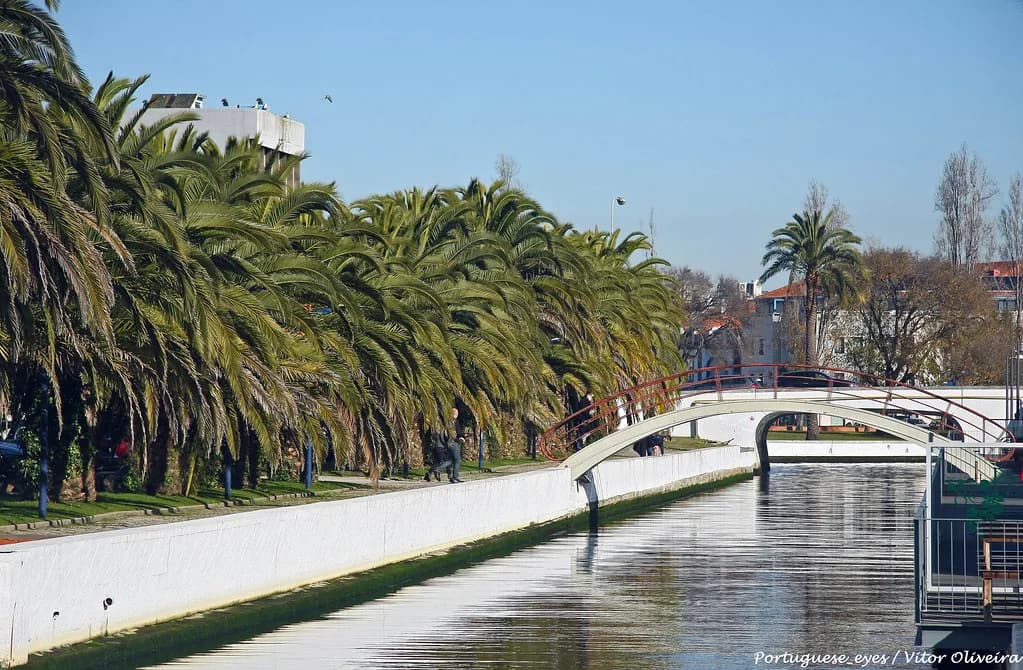
The city sits on the Ria de Aveiro, a shallow coastal lagoon that runs inland from the Atlantic, about 75 km south of Porto. Canals built in the early nineteenth century drained the surrounding marshes and brought trade back to a port that had silted up in the mid-1500s, and they are still what most visitors come to see.
What Aveiro does well: canals, moliceiro boats and the Ria de Aveiro
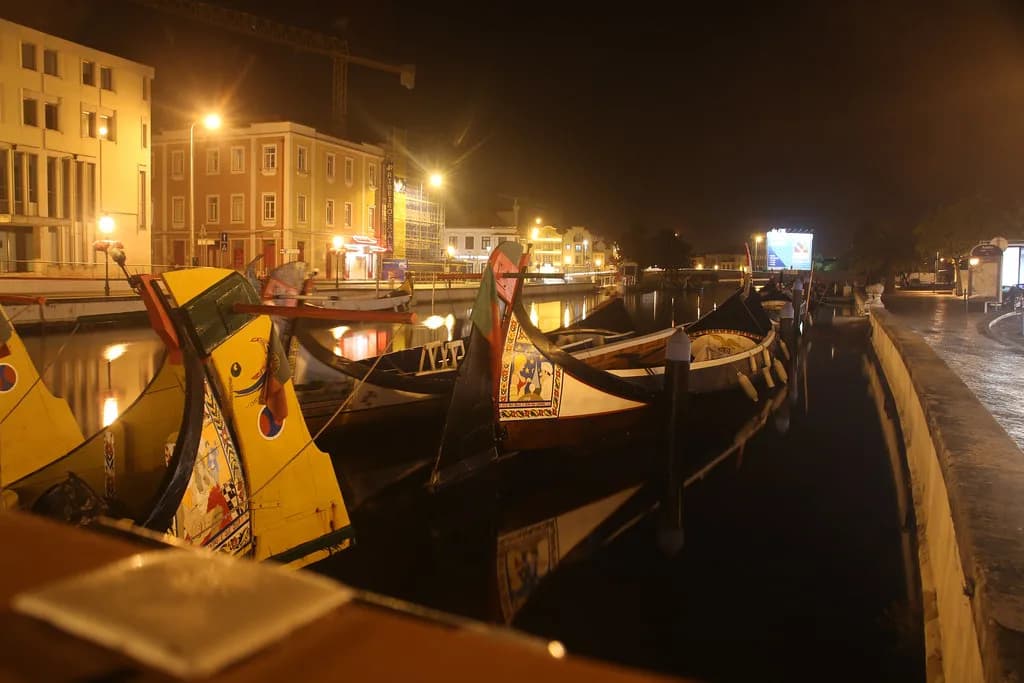
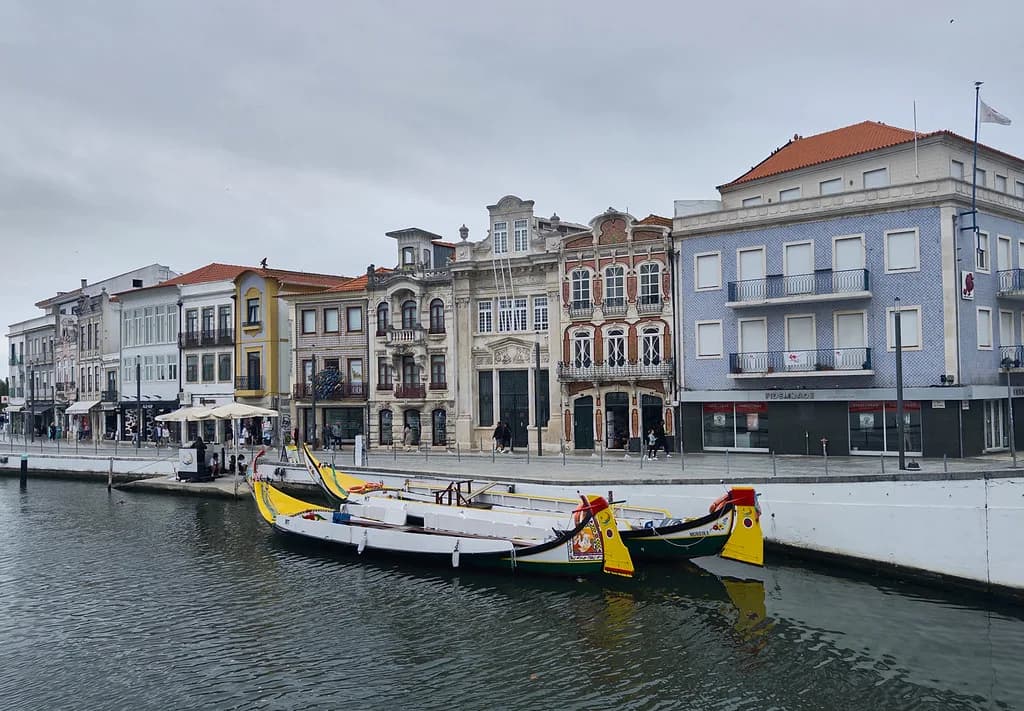
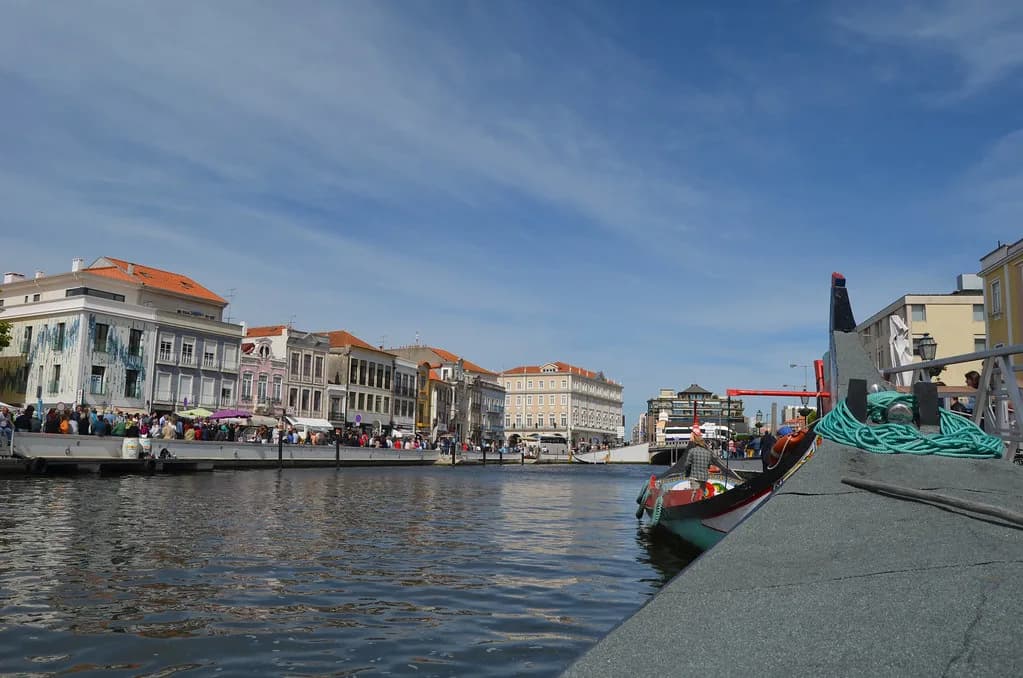
The canals are the reason Aveiro gets called the Venice of Portugal, a comparison that comes from the narrow moliceiro boats gliding past colourful façades rather than from any real scale. Aveiro's canal system is much smaller and less extensive than Venice's, so treat a boat ride as a lovely hour on the water rather than a day's sightseeing. Moliceiros once carried fishermen and seaweed; today they mostly carry visitors.
Book a moliceiro ride for the late afternoon if you want to dodge the busiest queues and get better light on the water. Look closely at the painted bows: some carry sly, suggestive scenes and jokes in Portuguese, which is half the fun of the trip. From the water you see the whole centre, including the oversized ovo mole statue beside the main canal.

The old centre on foot: Art Nouveau streets, azulejos and the train station tiles
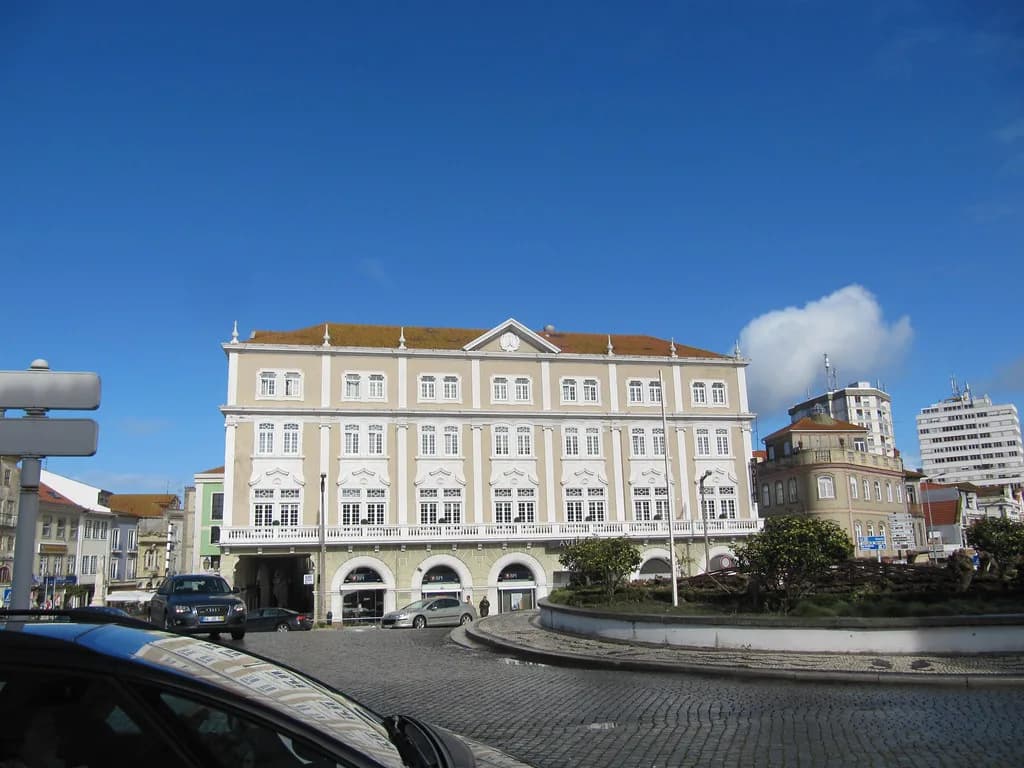
Start at the train station, which is a sight in its own right: blue and white azulejos cover the walls with scenes of salt-flat workers, seaweed collectors and fishermen heading up the canals. The building dates from the mid-1800s and has been restored with its original features intact. It is a ten-minute look that sets up the rest of the city.
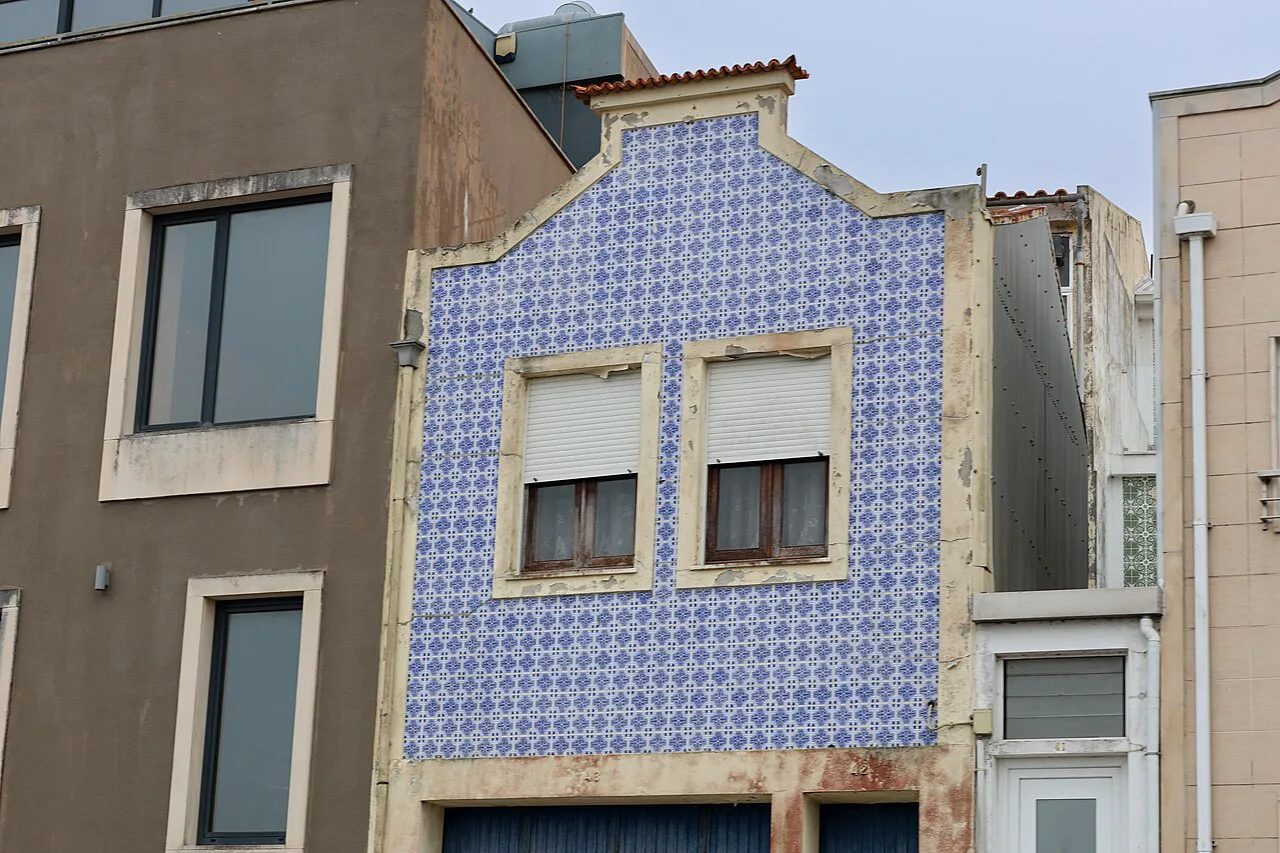
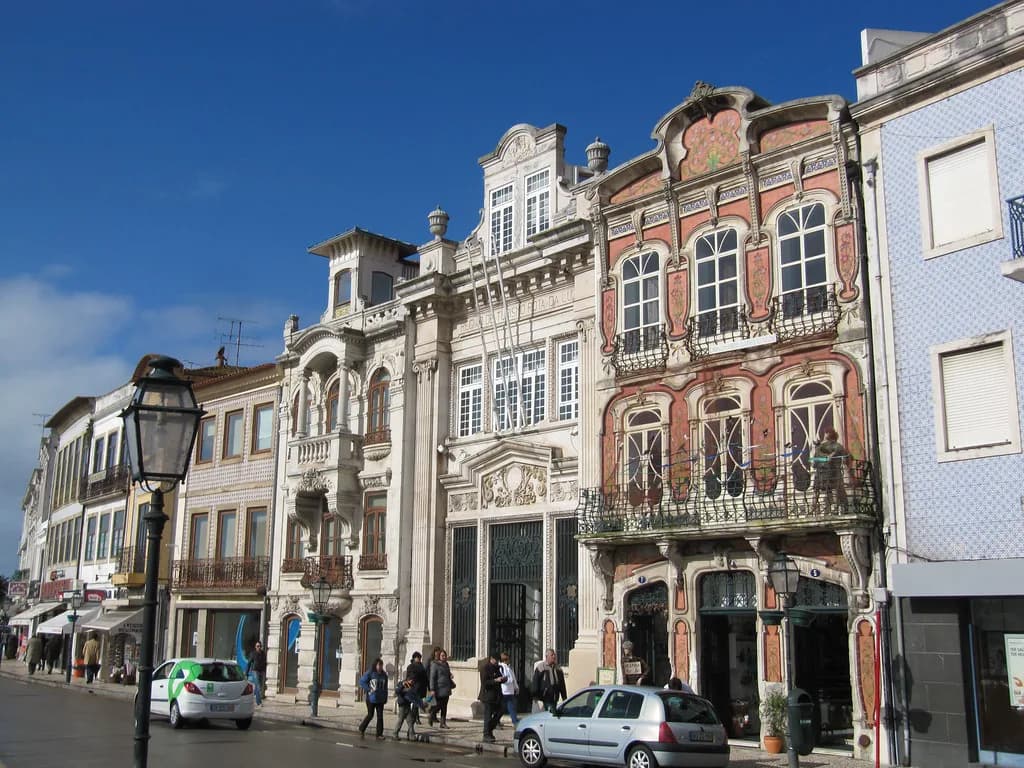
From there, walk the old quarter, where curvy Art Nouveau façades and tiled fronts sit close together. The centre is compact, flat and easy on foot or by bike, and most of the sights lie within a short distance of each other. Give the streets an unhurried hour rather than ticking off addresses.
Salt pans and the Troncalhada ecomuseum
Salt production was once one of Aveiro's main industries, and the Salinas da Troncalhada are the surviving flats within walking distance of the centre. Piles of fresh salt appear through the season, and late afternoon turns the shallow water pink and gold. It is a quiet, slightly scruffy corner of the city, and all the better for it.
The Ecomuseu da Marinha da Troncalhada explains how the salt was worked and why it mattered to the city's fortunes. It is a small, specialist stop, so slot it into the walk out to the pans rather than making it the purpose of the trip.
Ovos moles and tripa: the local pastries worth seeking out
Ovos moles are Aveiro's signature sweet: bite-sized shells, fish or barrels made from egg yolk and sugar. The recipe carries protected geographical indication status, which means the real thing is made in Aveiro. Confeitaria Peixinho is the oldest shop selling them, and the powdered-sugar fug inside is part of the experience. Opinion on the taste divides; try one before buying a box.
Tripa is the second local pastry, a thin turnover folded into a rectangle around sweet or savoury fillings, from cinnamon sugar to ham and cheese. Order one with coffee mid-morning, when a pastelaria is quiet and the pastry is fresh. Both make sensible edible souvenirs, since they travel better than most Portuguese cakes.
Costa Nova and Barra: the lagoon side of a short break
Across the lagoon, Costa Nova is known for its bold striped houses and fresh seafood, and it makes a natural half-day from the city. Barra has a busier summer scene, and further north the São Jacinto Dunes Nature Reserve offers boardwalks and a wilder stretch of coast. Add them only if you have a second day, because they pull you away from the centre.
Base yourself in the centre for a short break and treat the lagoon side as an excursion, since the boats, cafés and tiled streets you came for are all in town. If you are planning the split, our Aveiro itinerary sets out how to give the centre a full day and the coast another.
How many days does Aveiro need?
One day covers the canal ride, the station tiles and the old quarter at a gentle pace; two days add the salt pans, the museums and a trip across the water to Costa Nova. Three days lets you slow down and take the lagoon-side excursions without rushing back.
If your time budget is tight, keep the centre for the first day and add Costa Nova only if the weather holds, since the boats and the striped houses are outdoor pleasures. Our guide to how many days in Aveiro weighs a one-, two- and three-day plan in more detail.
Who will love Aveiro, and who may not
Aveiro suits people who enjoy wandering flat streets, looking at tiles and architecture, eating pastries and taking a boat ride. It is also a good stop between Porto and Coimbra without a car, with enough to fill a relaxed day or two. Families and couples on a short break tend to get on well with it.
If you want grand monuments, big museums or a nightlife scene, Aveiro will feel thin, and a day is probably enough. Come expecting a small city with a strong sense of place rather than a checklist of sights, and the trip works.
Is Aveiro expensive? What a short break costs
Aveiro is not a pricey city by Portuguese standards: the pleasure here is in wandering, boat rides and small pastries rather than admission tickets. Moliceiro trips, museum entries and meals are sold at the counter and online, so confirm current prices there before you budget. A short break can be done modestly if you eat where locals do and keep the boat trip to one.
Trains from Porto take about an hour and from Lisbon around two and a half hours, which makes Aveiro a cheaper base than either city for a couple of nights.
Aveiro or more time in Porto and Coimbra?
Porto is an hour north and Coimbra lies inland on the same line, so Aveiro slots neatly into a route between them rather than competing with either. Porto has the river, port lodges and a far larger historic centre; Coimbra has the university and its library. Aveiro's advantage is that it is small, flat and quick to grasp.
If you have only three days in the region, give Porto two and Aveiro one; if you have four or five, add Coimbra and use Aveiro as a calm overnight stop. Either way, Aveiro rewards a night rather than a rushed afternoon.
How to get there and around without a car
Aveiro is easy without a car: trains run frequently from both Lisbon and Porto, and the station is a short walk from the historic centre. Driving works too, with parking near the canal area and the salt museum, but you will not need the car in town.
Once there, walk or cycle: the centre is flat and compact, with canal-side paths linking the main sights. Buses reach Costa Nova and Barra when you want the lagoon side.
Is Aveiro the right stop for your trip?
Aveiro earns its place on a short Portuguese break if you want canals, tiles, salt pans and pastries in a walkable city, with the lagoon beaches a short hop away. It will disappoint anyone chasing grand monuments or nightlife, so match it to your appetite for slow wandering.
Give it one full day as a minimum and two if you want Costa Nova and the salt pans without hurrying. Check opening times for the ecomuseum and any museum you plan to enter before you go, since Portuguese sights keep their own hours.
Explore more Aveiro guides
Sources
Notes for your next Portuguese break
Optional updates to our town guides.
You might also like
Continue reading
More guides you'll find useful