
Museu Nacional Machado de Castro: A Visitor's Guide

The Museu Nacional Machado de Castro deserves an hour or two of any short Coimbra break, less for a single masterpiece than for the layers under your feet: a Roman forum, a Christian temple, an episcopal palace and a museum since 1911, all on one site above the old town. The collections came largely from abandoned monasteries and convents of the Coimbra diocese, so they read as a survey of Portuguese religious art. This guide covers where the museum is, its two timetables, what to prioritise inside and how it slots into a day in the upper town.
Why the Museu Nacional Machado de Castro is worth an hour or two
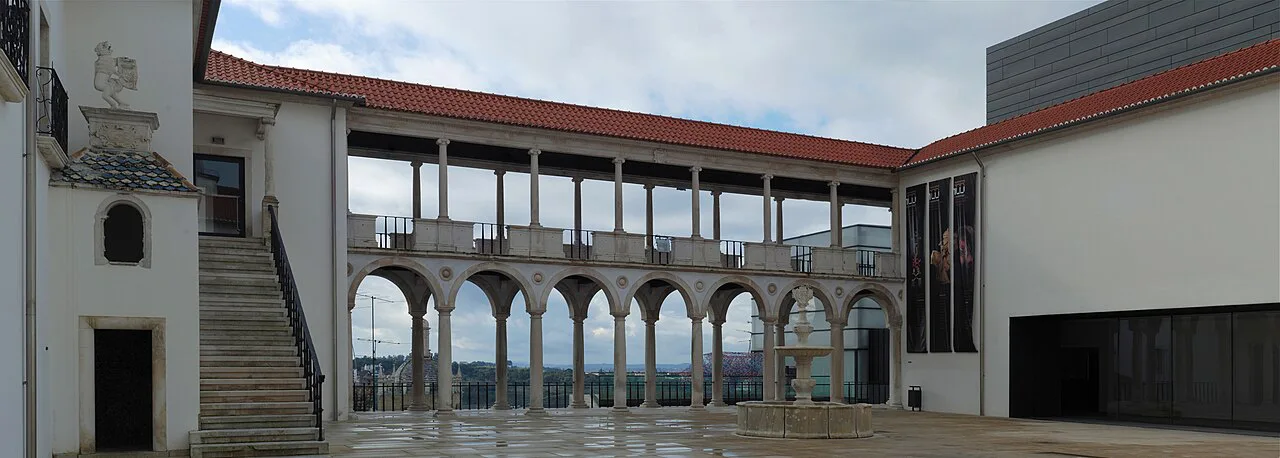
Few museums in Portugal sit on quite so much history. The site was the administrative, political and religious centre of Roman Coimbra, became a Christian temple by at least the eleventh century and served as the bishop's palace from the second half of the twelfth century before opening as a museum in 1911. That sequence is the reason to come: you walk through rooms that have been reused for centuries, with the sixteenth-century loggia over the main courtyard as the most photogenic survivor.
The renovation was entrusted to the contemporary architect Gonçalo Byrne, whose work knitted new circulation into the old palace without erasing it, which suits travellers who like buildings as much as objects. If your interests run to tiled interiors and university ceremonial rather than religious sculpture, the historic university quarter up the hill will give you more for the same hours, and our guide to the Universidade de Coimbra covers that visit in detail.

Where the museum is and how to reach it
The museum stands at Largo Dr. José Rodrigues, 3000-236 Coimbra, in the old upper town, within walking distance of the university quarter, so the two visits belong together. The streets climb steeply, so most visitors arrive on foot from the Baixa or from the Sé, and sensible shoes matter more than any transport plan.
If you are building a single day around the upper town, start at the museum when it opens, walk up to the Paço das Escolas for the university and the Biblioteca Joanina, then drop down to the cathedral quarter. Our Coimbra Attractions: 10 Visitor Guides page maps the main sights so you can judge how much fits before lunch.

Opening hours in summer and winter
The museum runs two timetables. From April to September it opens continuously from 10:00 to 18:00; from October to March it opens 10:00 to 12:30 and again 14:00 to 18:00, with a long lunchtime break in the middle of the day.
That winter split is the one practical trap. Arriving between October and March around 13:00 means finding the doors shut, so either come in the morning slot or plan a late lunch in the old town and return after 14:00.
The building: Roman forum, episcopal palace, Renaissance loggia
The great courtyard is the first thing that stops people, dominated by a sixteenth-century loggia that gives the space its ceremonial weight. Understanding what stood here before sharpens the visit: this was the administrative, political and religious centre of Roman Coimbra, near the crossing of the cardo and decumanus, the two main streets of a Roman town plan, then a Christian temple, then the episcopal Paço from the second half of the twelfth century.
Look at the loggia before you go inside, because it frames the courtyard and explains why the building feels like a palace rather than a purpose-built gallery. Allow a few minutes here rather than hurrying towards the ticket desk.
The Cripto-pórtico: the Roman level under the courtyard
The Cripto-pórtico is the Roman construction that once supported the courtyard and the buildings around it, preserved beneath the museum floor. It is the single easiest thing to miss if you head straight for the sculpture galleries, and the strongest reason to slow down at the start of the visit. Walk it deliberately, reading the panels that explain how the forum related to the two main streets of the Roman city.
Stone sculpture from pre-Roman to Renaissance
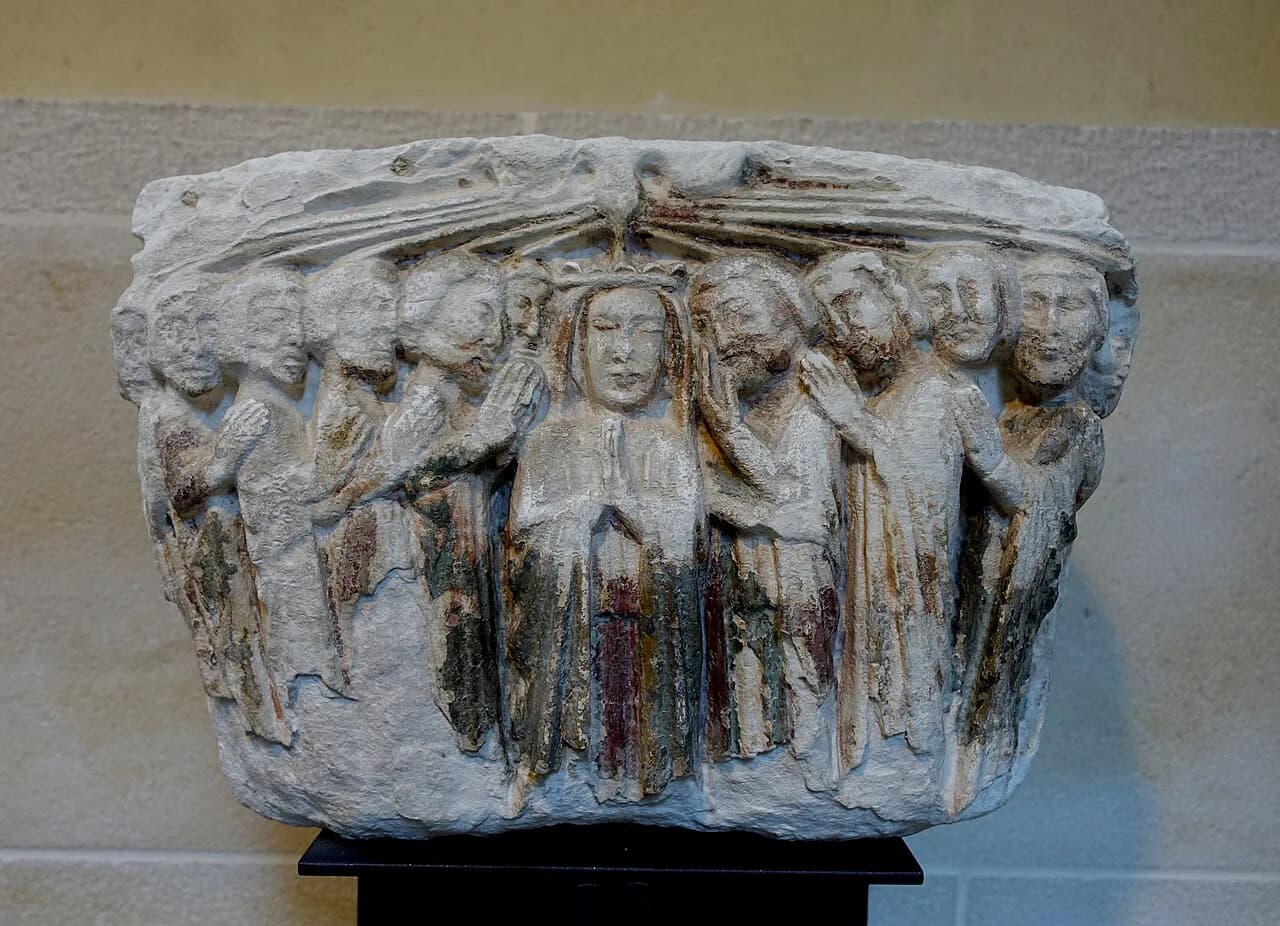
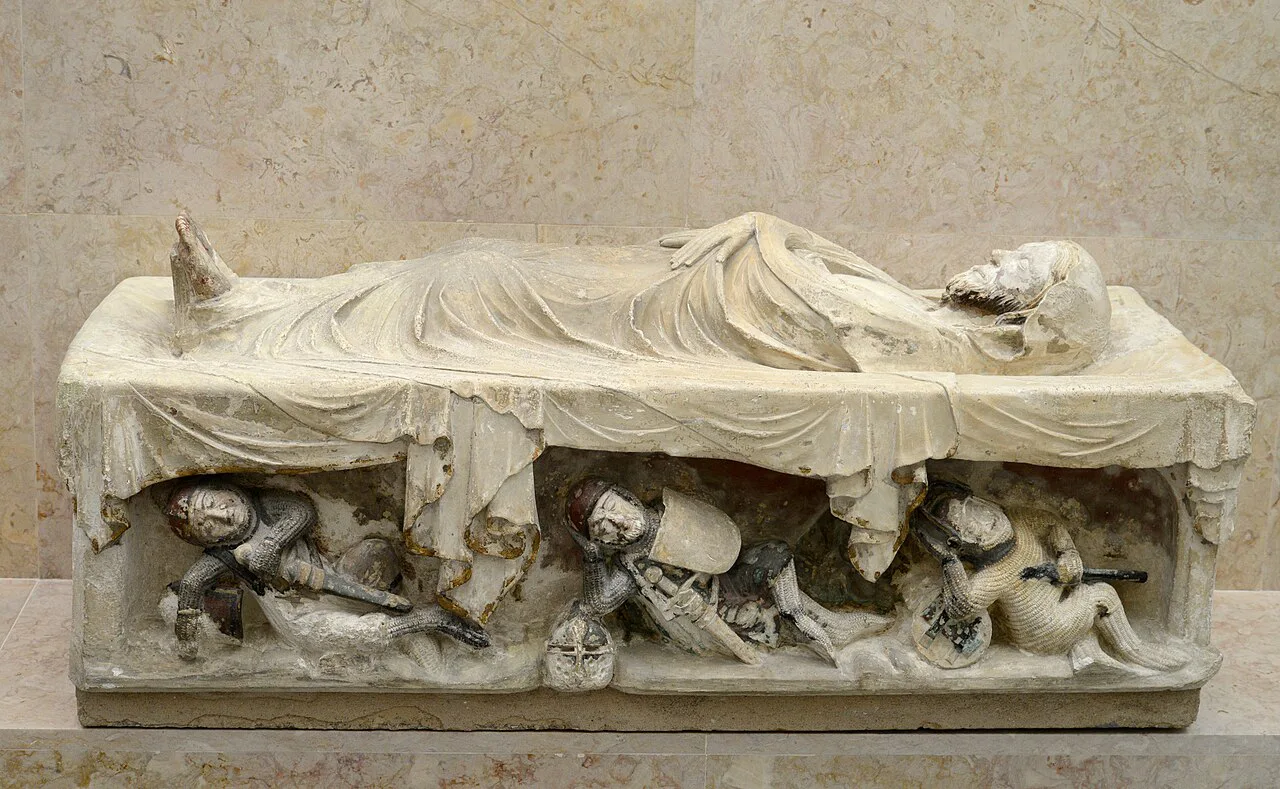
Sculpture is the heart of the collection, split into four distinct parts by material and style and spanning Portuguese and foreign work from the eleventh to the eighteenth century. The first sequence traces Portuguese stone carving from the pre-Roman era to the end of the Renaissance, which makes it the most useful section for anyone wanting a crash course in how Portuguese religious art developed.
If sculpture is your priority, give this section the bulk of your time and treat the decorative arts as a coda. If you have only an hour, choose between the sculpture and the treasury rather than attempting both at speed.
The Treasure of Queen Santa Isabel and the Custódia
The precious metals display breaks its chronological sequence to accommodate the Treasure of Queen Santa Isabel, the pieces from her monastery dedicated to Santa Clara that have been preserved across the centuries and are treated as the museum's most precious holdings. For a visitor with limited time this is the second unmissable stop after the Cripto-pórtico, and it gives the religious objects a human story rather than a purely aesthetic one.
The Custódia Anjo do Sacramento is the other showpiece: a kneeling angel holding a shining sun, acquired in 1914 from the former convent of Santíssimo Sacramento in Alcântara, Lisbon. It is an example of Joanine Baroque, and the drama comes from the contrast between the delicate angel and the monumental host, and between the figure's earthy colour and the brightness of the silver and stones. Note that it is the exception to the Coimbra provenance of most of the metalwork, since it arrived from Lisbon.
The other collections: ceramics, textiles, furniture and archaeology
Beyond sculpture and metalwork, the museum holds ceramics, textiles, furniture and archaeology, mostly from the monasteries and convents of the Coimbra diocese. These galleries reward a slower visitor and give context to the church interiors you will see elsewhere in the city, particularly if you plan to visit the Igreja Santa Cruz later in the day.
Treat them as optional rather than essential on a first visit. If you are in Coimbra for two or three days, they are a good rainy-afternoon fill; on a one-day stop, they are the first thing to cut.
How long to allow and how to pace the visit
The short core is the courtyard and loggia, the Cripto-pórtico and the Treasure of Queen Santa Isabel, which fills a satisfying hour. Add the sculpture galleries and the Custódia and you are at two hours; add the decorative arts and you can stretch to three. The winter lunchtime break means a two-hour visit has to fit inside one of the two opening windows from October to March, so plan the day around that constraint rather than fighting it.
Start high and work down. Do the Cripto-pórtico and sculpture while you are fresh, then the treasury, then the optional galleries, and finish in the courtyard with the loggia in front of you. That order also suits anyone combining the museum with the university, since the climb to the Paço das Escolas is easier before a long museum morning.
Who will get the most from it, and who might prefer elsewhere
This is a museum for travellers interested in religious art, architecture and urban layers. If you have only an afternoon in Coimbra and little appetite for sculpture and vestments, the university buildings will give you a stronger single impression of the city, and the Biblioteca Joanina, Coimbra is the more memorable set piece for most visitors.
Families with small children and travellers who want a quick hit of spectacle should weigh the museum against the walk up to the Torre da Universidade de Coimbra for the view. There is no shame in choosing one over the other on a short break; the museum rewards time that a rushed schedule cannot give it.
What is nearby in the upper town
The museum sits within a short walk of the Sé Velha (Old Cathedral), Coimbra, a Romanesque building that pairs well with the museum's medieval sculpture, and of the Sé Nova, Coimbra further up towards the university. Both are worth a look on the same circuit, and the Capela de São Miguel, Coimbra inside the university complex adds a tiled interior that contrasts sharply with the museum's stone.
Combine the museum with the university quarter for a full morning, then descend to the Baixa for lunch. Our things to do in Coimbra page helps you decide what else earns a place in a one- or two-day plan.
Should the museum make your Coimbra shortlist?
Yes, if you can give it an unhurried hour and you enjoy reading a building as much as looking at objects. The Roman level, the loggia and the Treasure of Queen Santa Isabel justify the climb on their own, and the split winter timetable is easy to work around once you know it.
Skip it, or save it for a longer trip, if your Coimbra day is already crowded with the university and the cathedral quarter. Check the day's opening hours and the admission charge with the museum before you set out, then build the rest of the morning around the university and the Sé.
Explore more Coimbra guides
Frequently Asked Questions
Is the Museu Nacional Machado de Castro worth visiting?
It is worth an hour or two if you are interested in religious art, architecture and the Roman and medieval layers of Coimbra. The Cripto-pórtico, the Renaissance loggia over the courtyard and the Treasure of Queen Santa Isabel are the strongest reasons to go. Travellers with only an afternoon and no interest in sculpture may prefer to concentrate on the university quarter.
What are the opening hours of the Museu Nacional Machado de Castro?
The museum runs two timetables: 10:00 to 18:00 from April to September, and 10:00 to 12:30 then 14:00 to 18:00 from October to March, with a long lunchtime break in winter. Plan a morning visit or a return after 14:00 between October and March. Admission charges change over time, so confirm the current price with the museum before you go.