How Many Days in Nazaré? One, Two or Three Days
Nazaré needs one day for the beach and Sítio, and two to slow down. See what one, two and three days cover and when the swell justifies a longer stay.
On this page
Give Nazaré one full day if you are passing through, and two days if you want the town to feel like more than a stop. The place has two halves: the low seafront where the fishing quarter and beach sit, and Sítio on the clifftop above, reached by a funicular, and both belong to the same visit rather than to separate days. This guide sets out what one, two and three days actually cover, how the seasons change the answer, and when a day trip from Lisbon is the smarter call.
The verdict is not about ticking off sights, because Nazaré has few that demand hours. It is about whether you want the big-wave story and a slower wander, which a second day buys, or whether the beach and the view back over the rooftops from Sítio are enough.
What one day in Nazaré covers
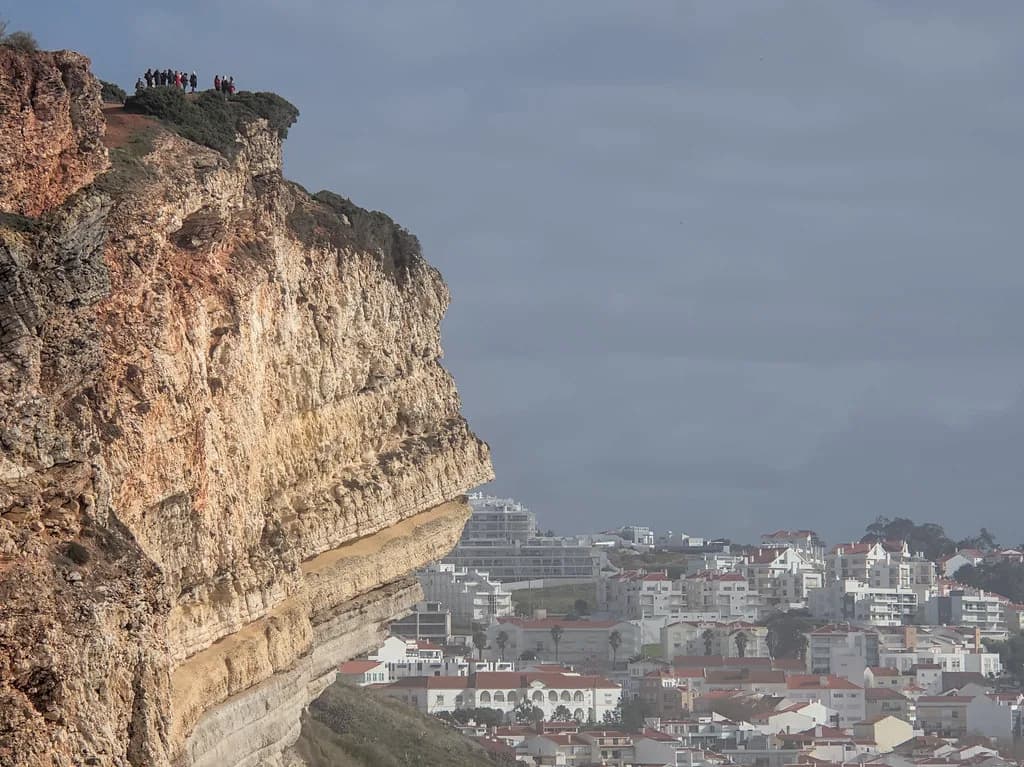
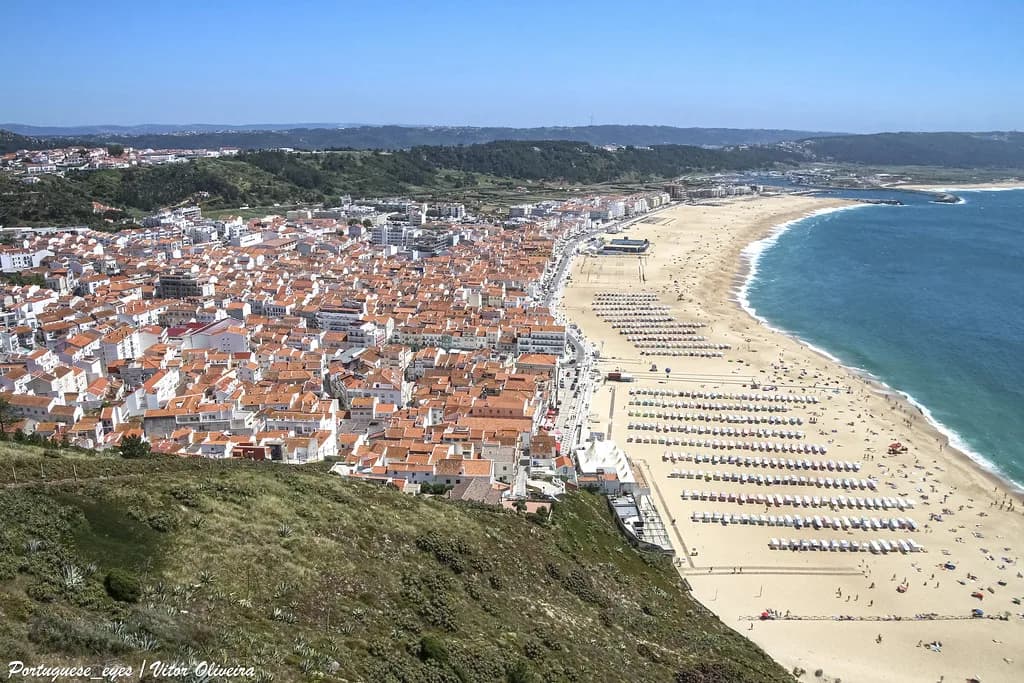
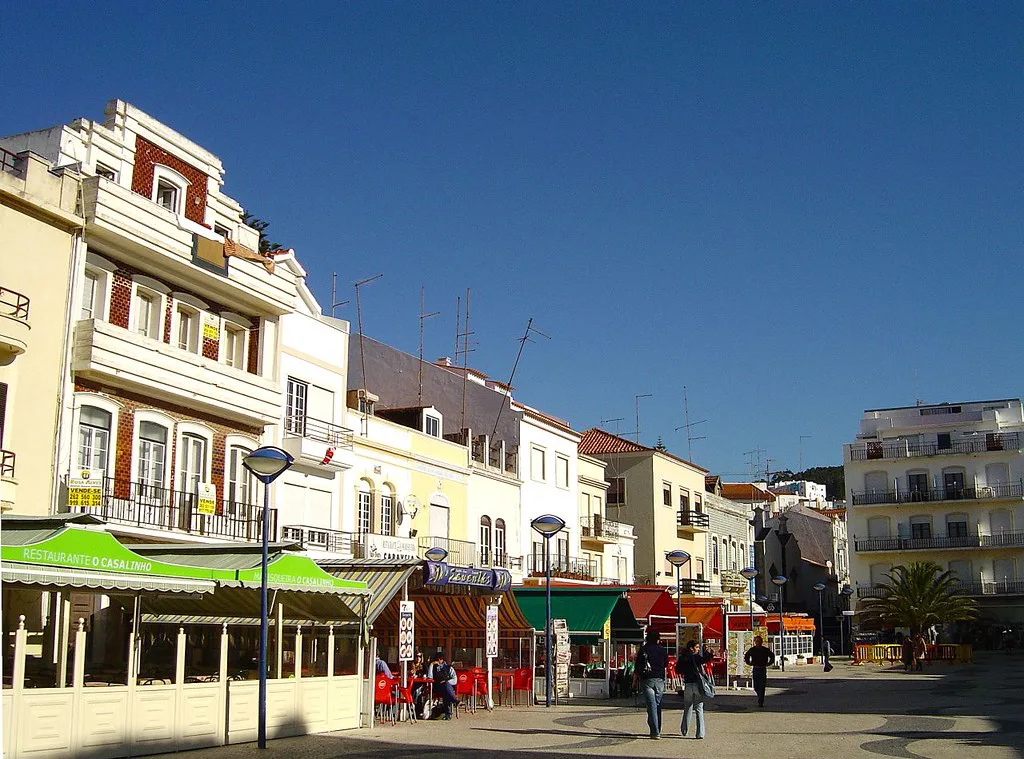
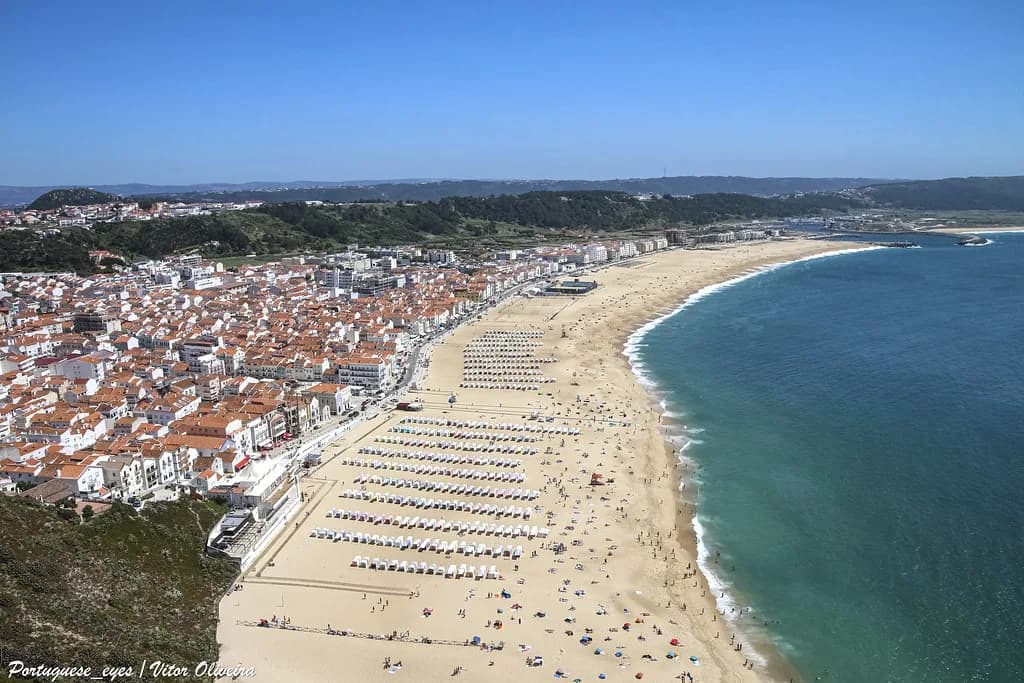
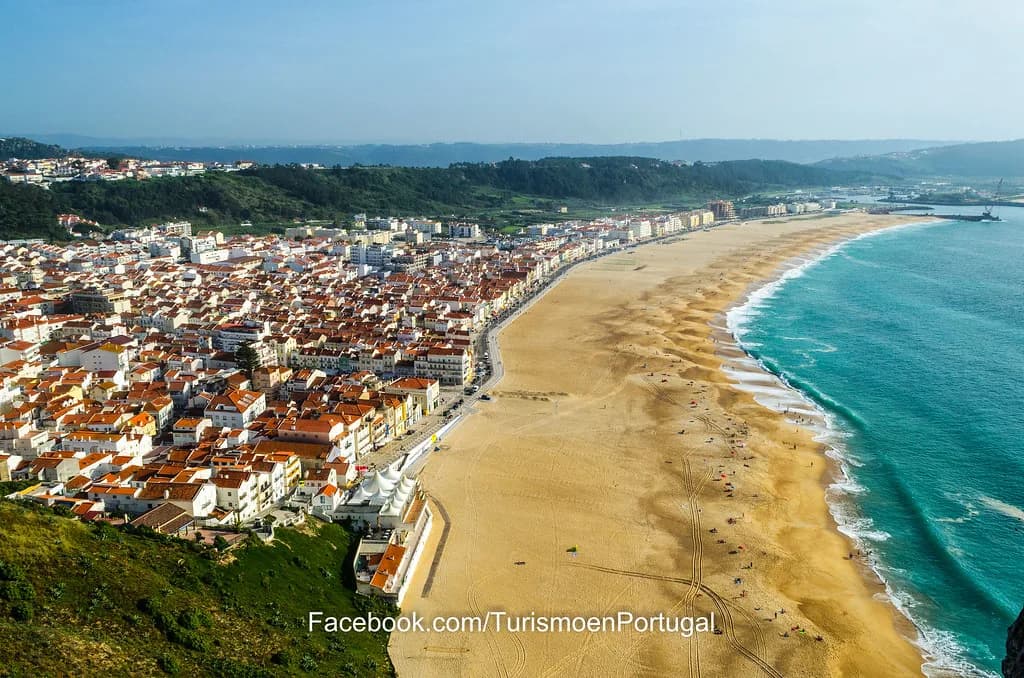
One day is enough for the classic shape of the town. Start on the seafront at Praia da Nazaré, where the whitewashed lanes of the old fishing quarter run back from the sand, then take the funicular up to Sítio for the view back down over the beach and the orange roofs. The ride is short and the clifftop is the point: the whole town, the Atlantic and the line of the coast open up in one go.
Build the rest of the day around the two levels rather than trying to see everything. Walk the narrow streets behind the seafront, where the traditional life of the town is still visible, and stop for coffee and a pastel de nata before heading up. Sítio has its own small streets and a chapel, and it is worth half an hour of wandering after the viewpoint.
A well-paced Nazaré itinerary fits the funicular, the Sítio viewpoint and a slow lunch into a single day without panic. What it does not fit is Praia do Norte, the big-wave beach on the other side of the headland, which is a separate walk or drive from the seafront and deserves its own time.
What two days add
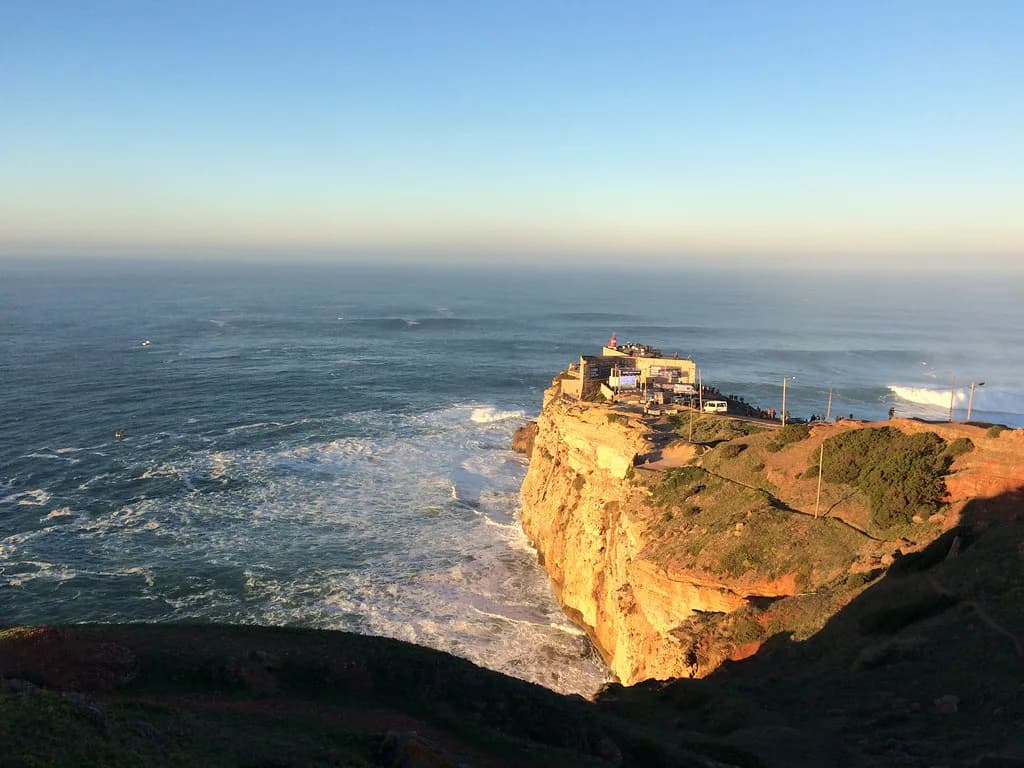
The second day buys you Praia do Norte and the big-wave story. The north beach is where the Nazaré Canyon funnels Atlantic swells into some of the largest waves ridden anywhere, and the town's fame rests on it; the canyon's effect was explored by local bodyboarder Dino Casimiro before the American surfer Garrett McNamara brought worldwide attention with a record ride in 2011. Seeing the beach itself, and the scale of the water when the swell is up, makes the story concrete.
The rest of day two is the slower version of day one. Revisit Sítio in better light, sit on the clifftop with a drink, and eat a proper seafood lunch rather than a sandwich. A small family-run place a few blocks from the seafront, serving whatever is fresh that day, is the sort of spot to look for; the seafront also has beach cafés for something quicker.
Two days is also the point at which Nazaré stops feeling like a beach stop and starts feeling like a working town with a surf industry attached. If you are weighing whether the extra night is worth it, the honest answer is that the second day is what makes the first one make sense.

When three days makes sense
Add a third day for bad weather or for a gentler pace, not for more sights. Nazaré sits on the Atlantic and rain can wipe out an afternoon on the beach or the clifftop, so a spare day gives you room to shift plans. The town is also a convenient base for inland day trips to Alcobaça, Batalha, Tomar and Fátima, which is exactly what a wet day is for.
Three days also suits anyone who wants the beach, the viewpoints and the seafood without clock-watching. The trade-off is that Nazaré is small, and a third day spent entirely in town will repeat what you have already done.
Timing your visit: winter swells and shoulder seasons
Season decides whether you need the extra day. The strongest Atlantic swells arrive between November and March, peaking in December, January and February, so if the giant waves are the reason for the trip, a longer stay gives you more chances of catching a big day. Outside that window the town is a beach and clifftop destination first.
For the town itself, late spring and early autumn are the comfortable compromise, with generally pleasant temperatures and fewer crowds than high summer. Expect the sea to be cold whenever you come, because the Atlantic here is bracing even in August.
Is Nazaré better as a day trip from Lisbon?
A day trip from Lisbon works if you only want the seafront, the funicular and the Sítio view. There are no direct trains, but direct buses run through the day from Lisbon's Oriente or Sete Rios stations, and driving takes around an hour and a half from the city on the A8.
Stay overnight if you want Praia do Norte, the big-wave story and an evening in the old streets after the coaches have gone. The honest verdict, as set out in Is Nazaré Worth Visiting? What the Town Does Well, is that a short break here works best as a two-day stop rather than a rushed one.
Where the two halves of town sit
Nazaré is split by the clifftop. The lower town, with the beach, the fishing quarter and most of the restaurants and cafés, sits at sea level; Sítio sits on the cliff above and is reached by the funicular or by road. Treat them as two floors of one town: go up for the view, come down to eat.
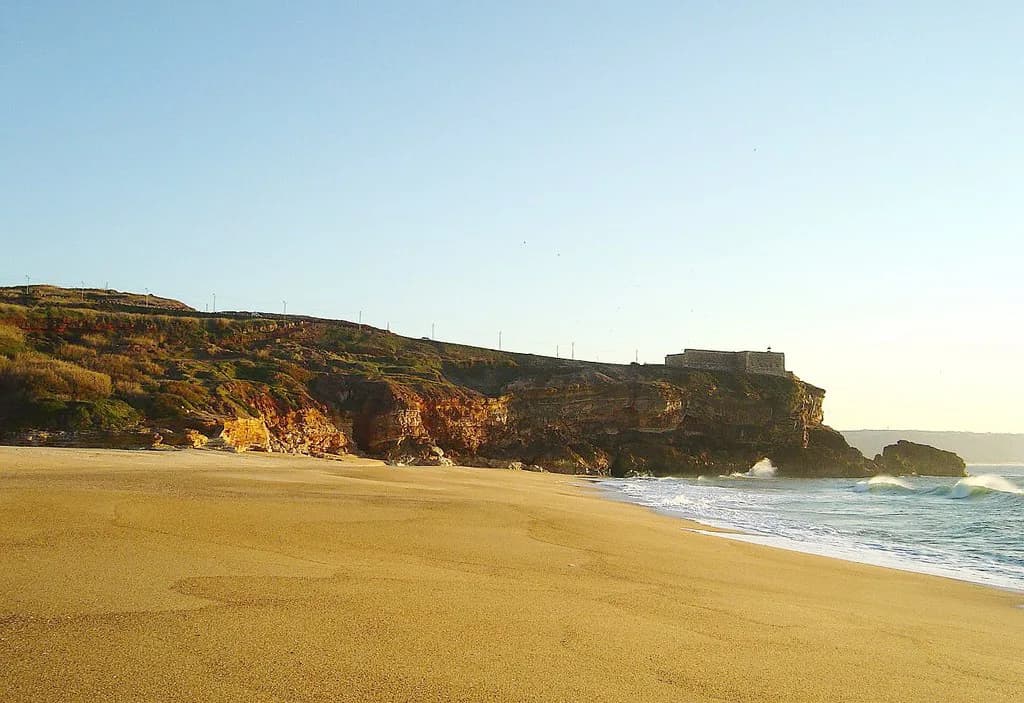
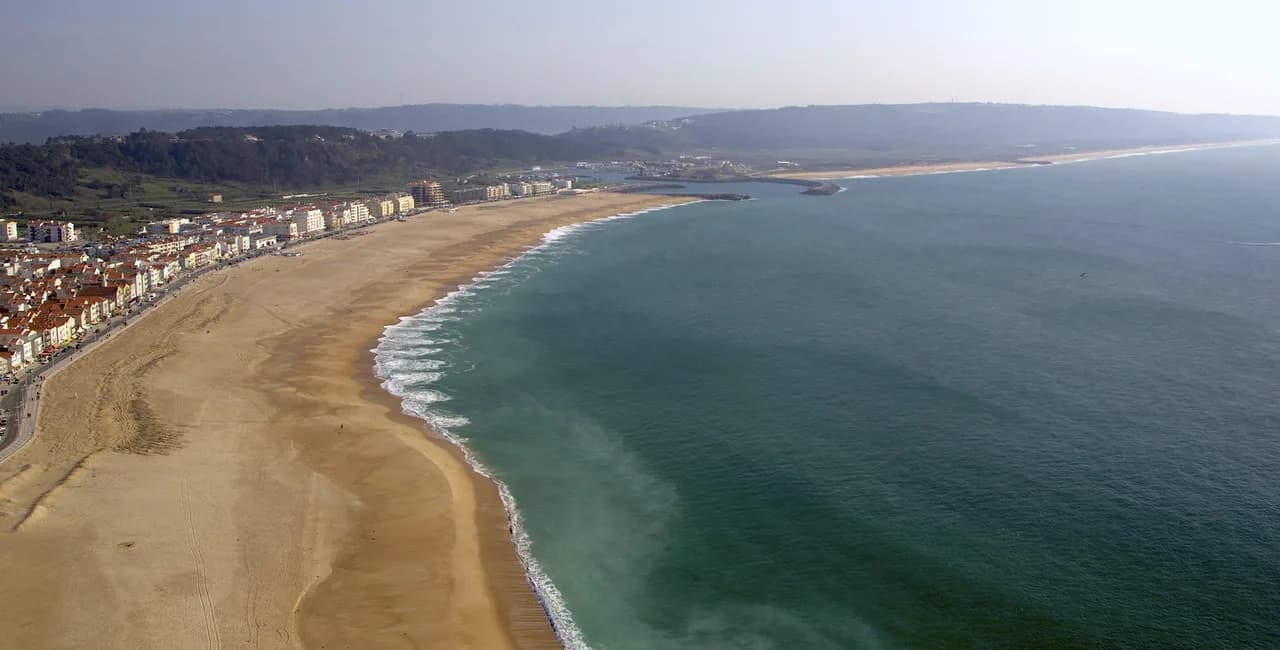
Praia do Norte lies beyond the headland to the north, a separate walk from the seafront end of town. Plan it as its own outing rather than an add-on to a Sítio morning, and check the surf and weather before you set off, since conditions decide whether the beach is spectacular or simply wild.
One day or two in Nazaré?
Book two days unless Nazaré is a brief stop on a longer coastal drive. The first day gives you the beach, the funicular and the Sítio view; the second gives you Praia do Norte, the big-wave story and a slower meal, which is what most travellers remember.
Explore more Nazaré guides
Frequently Asked Questions
How long should you spend in Nazaré?
One full day covers the seafront and Sítio, and two days add Praia do Norte and a slower wander. A third day only helps if the weather is unreliable or you plan inland trips from the town.
What is the best month for Nazaré?
For the biggest Atlantic swells, the months between November and March are when the waves are at their strongest, with December to February the peak. For the town and beach, late spring and early autumn give generally pleasant weather and fewer crowds.
Sources
Notes for your next Portuguese break
Optional updates to our town guides.
You might also like
Continue reading
More guides you'll find useful