Best Time to Visit Nazaré: Season by Season
The best time to visit Nazaré depends on whether you want big-wave season, quieter streets or warm beach weather. Here is how each season compares for a short break.
On this page
The best time to visit Nazaré depends on which of its two experiences you are after. If you want a chance of seeing the huge Atlantic swell at Praia do Norte, aim for the swell season running late September through to March; if you want comfortable walking between the beachfront and the clifftop Sítio, spring and early autumn are the calmer bet. This guide sets out how each season changes the town, the crowds and the number of days worth booking, and you can line it up with the Nazaré Itinerary.
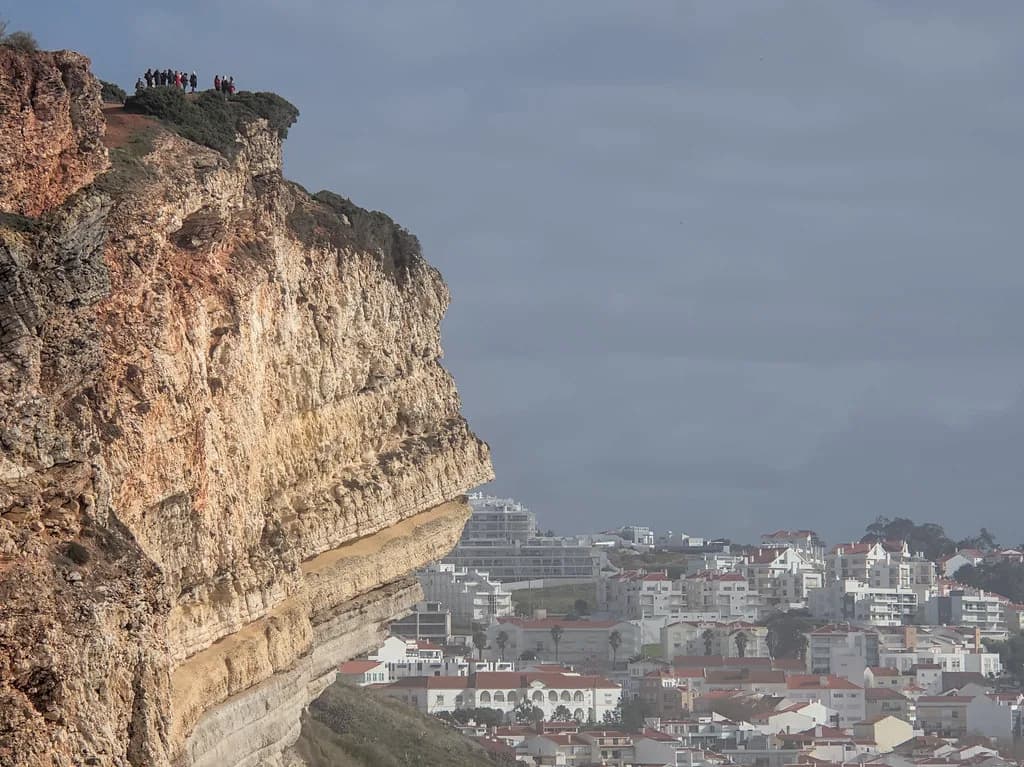
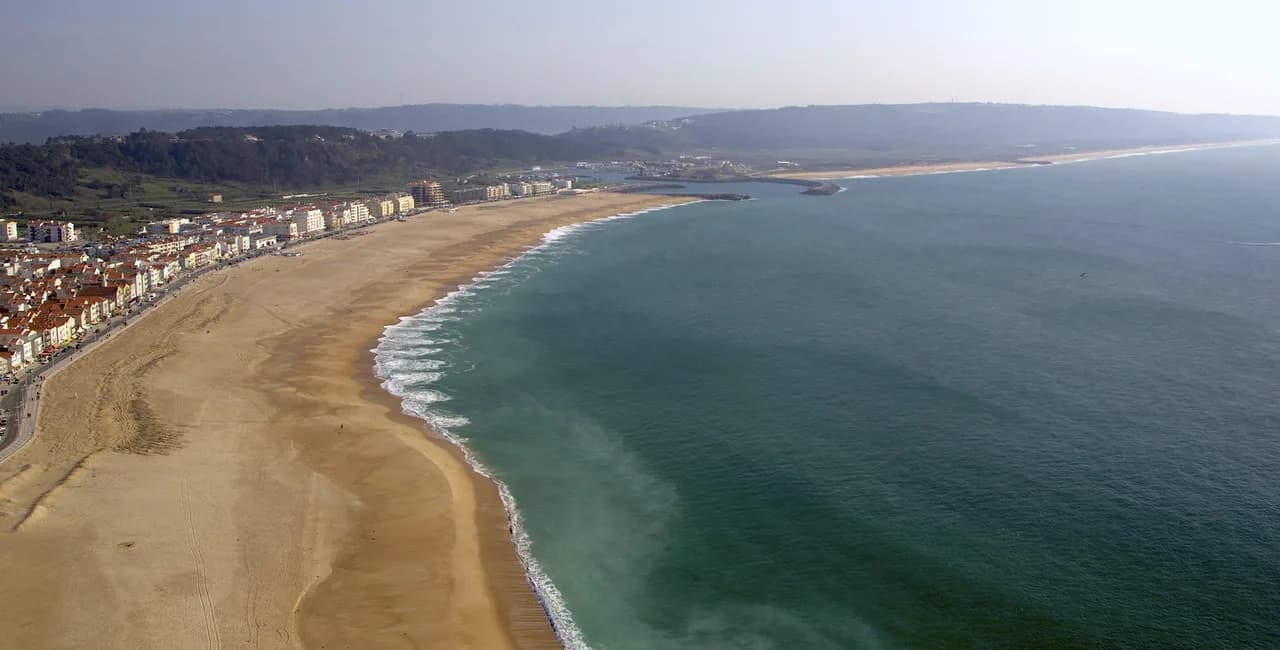
Nazaré splits into two levels: the town itself along the seafront, and Sítio on the clifftop above, reached by road or the famous funicular. Big-wave watching happens on the Praia do Norte side, north of the headland, while the main town beach faces a different stretch of coast. Understanding that geography is the first step in picking your dates, and the second is accepting that no month guarantees a giant wave; our guide to How Many Days in Nazaré? What One, Two and Three Days Cover helps size the trip.
The short answer: pick your season by what you want from the trip
For wave spectacle, the swell season is late September to March, matching the wider North Atlantic pattern. For dry walking and sightseeing between the seafront and Sítio, spring and early autumn give the best balance of light, temperature and thinner crowds. For a straightforward beach-focused break, high summer is warmest but busiest.
Wave size is not calendar-driven. Swell direction, wind strength and direction, and tide all affect whether the big sets form, so a week in November can deliver a spectacle one day and a flat sea the next. Build any wave-watching plan around several days rather than a single booked date.
The practical trade-off is simple: the months with the best chance of dramatic surf are the months when you will want a waterproof jacket and will find shorter daylight for exploring. The months with the easiest sightseeing are the months when Praia do Norte is most likely to look like an ordinary beach. Decide which matters more before you book, and read Is Nazaré Worth Visiting for an honest take.
Big-wave season at Nazaré: what late September to March means for Praia do Norte
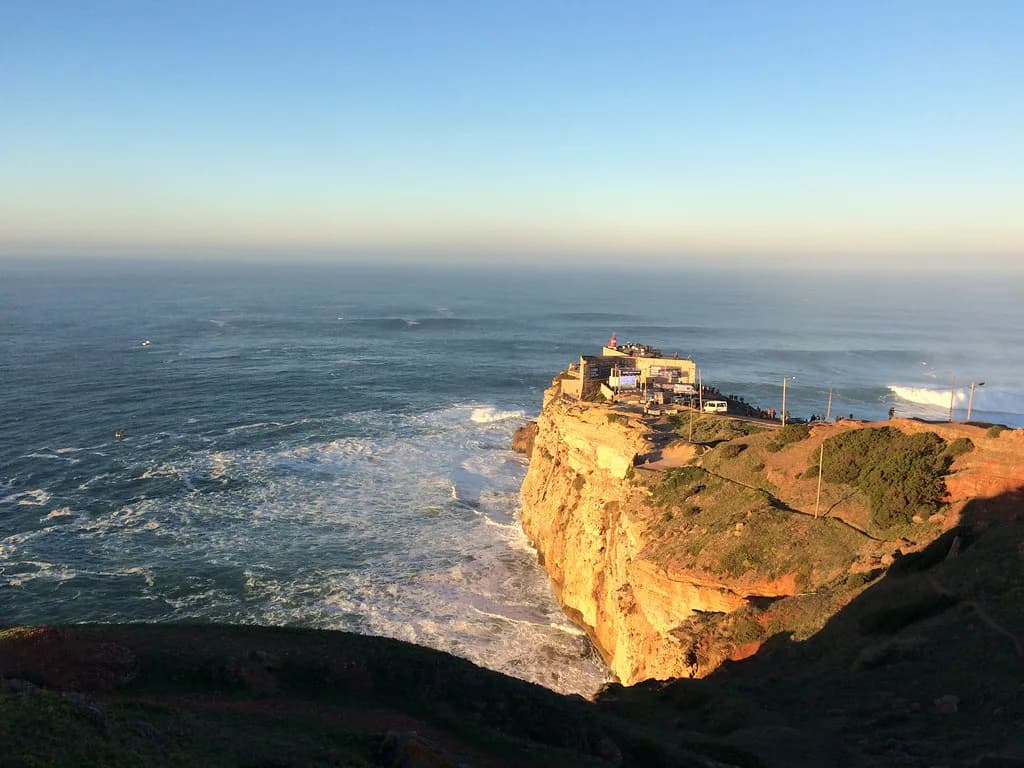
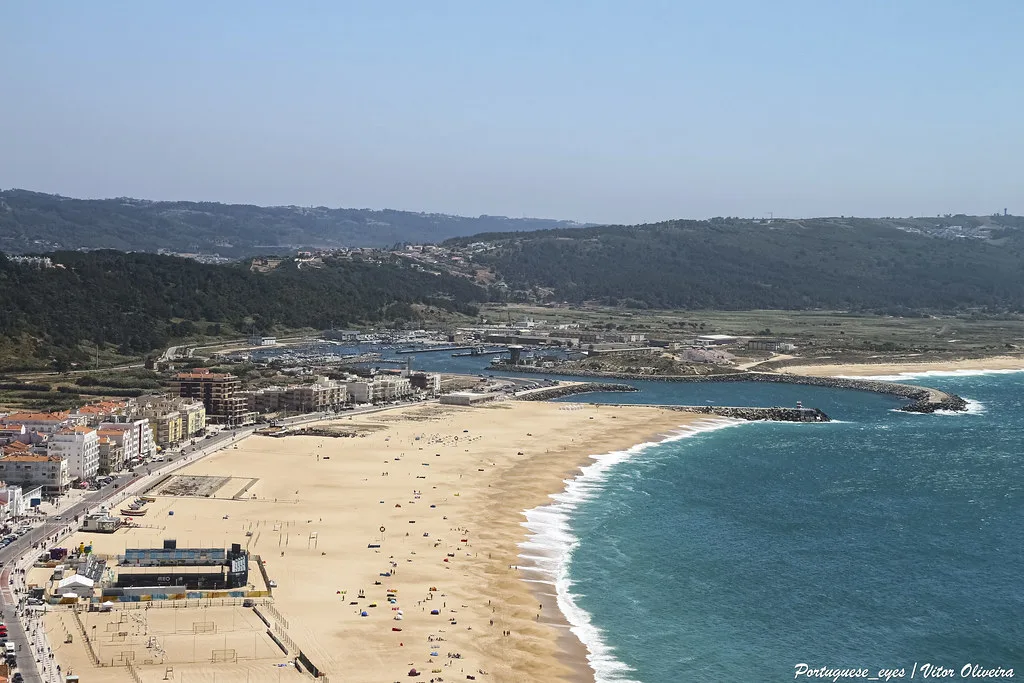
Swell season at Nazaré runs from late September through to March, matching the wider North Atlantic pattern. This is the window when large Atlantic swells can produce the towering faces the town is known for, and when the clifftop above Praia do Norte draws photographers and spectators. Outside this window the same viewpoint is a quieter place to look at the coastline; see our Lisbon to Nazaré notes for getting here.
Neither month nor forecast guarantees a giant wave day. November is often described as the month when the largest swells usually arrive, but wind direction and speed plus tide times decide whether a given day delivers, so treat any single date as a gamble. A three-night stay inside the season gives you several tides and weather windows instead of one.
Expect cold, damp clifftop conditions in midwinter and dress for wind. The clifftop above Praia do Norte is the natural place to watch from, but the walk and the exposure are part of the experience, so a short break in January needs more indoor padding than one in May.
Summer in Nazaré: warm weather, crowds and the beach below the Sítio
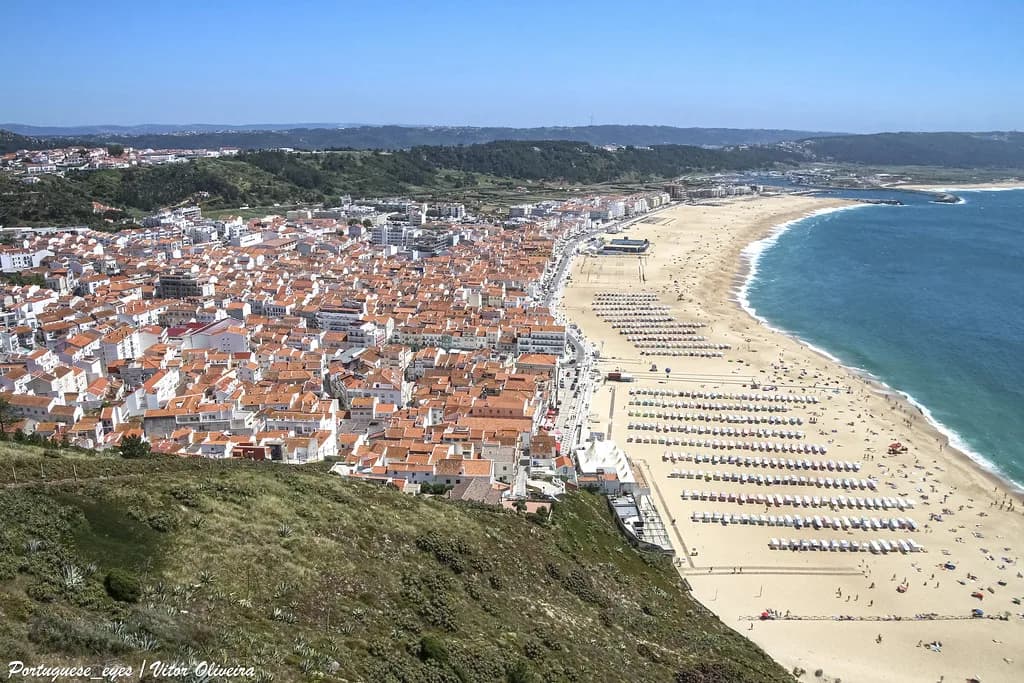
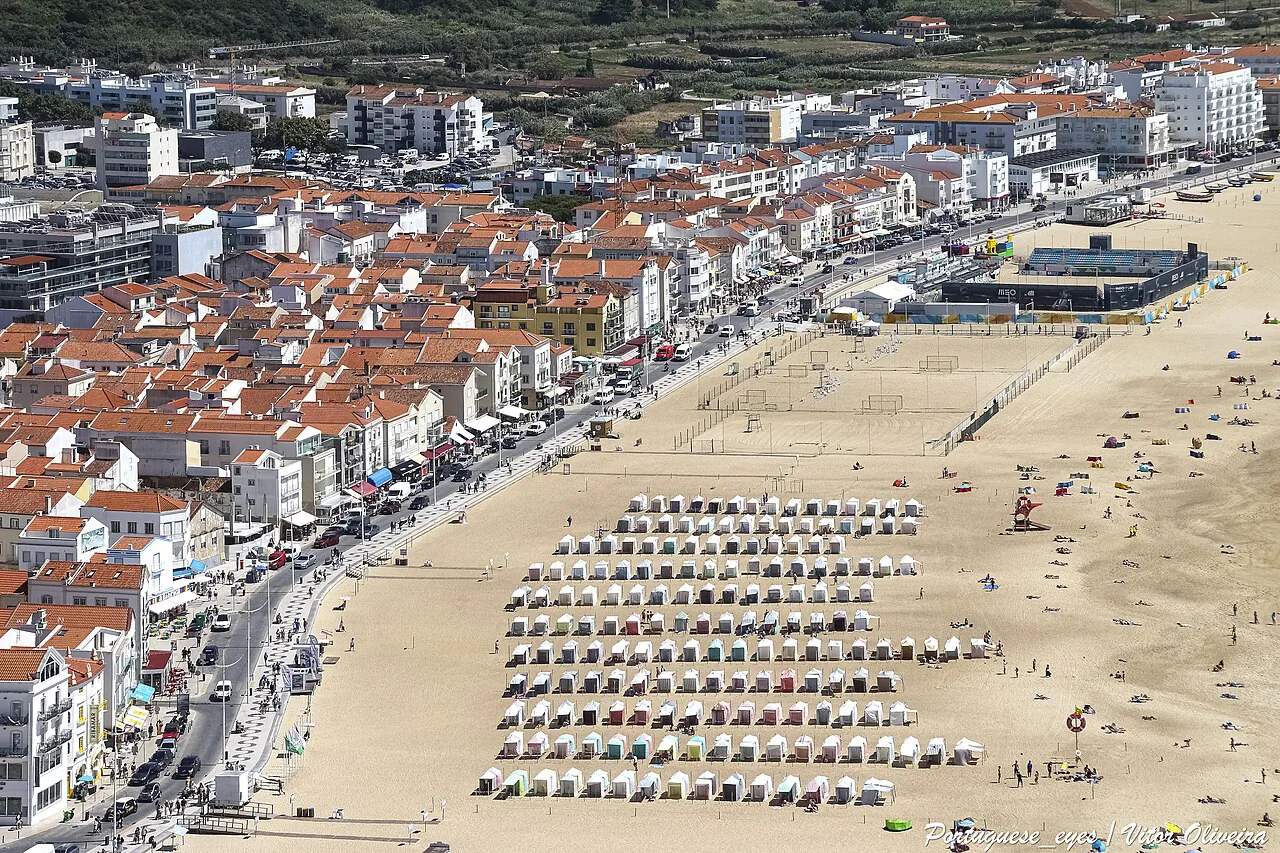
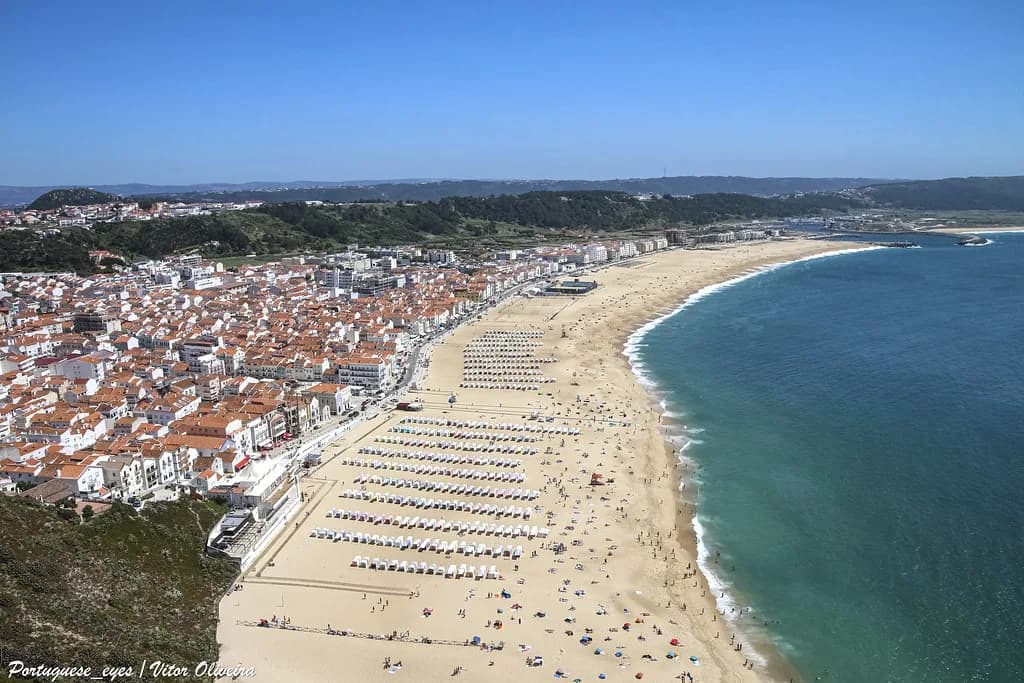
High summer brings the most reliable beach weather and, with it, the largest crowds along the seafront and up at Sítio. The town beach below the clifftop is the place most visitors swim, and it is a different proposition from the surfing zone at Praia do Norte. If your short break is about sun and sea rather than surf, July and August are the obvious choice, provided you accept fuller restaurants and busier streets.
Summer is also when the big-wave show is least likely, so do not book a July trip expecting the famous walls of water. Swim only where and when conditions allow and follow local flags and lifeguard advice rather than judging the sea by how it looks from the sand. One sentence of caution is enough: this is an Atlantic beach, not a sheltered lagoon.
Spring and autumn: the middle-ground months for walking and sightseeing
April to June and September to early October offer the most comfortable conditions for the walking this town rewards: the seafront, the climb or funicular up to Sítio, and the clifftop paths towards Praia do Norte. These months sit at the edges of the swell season or just outside it, so you get some wave potential in early spring and late autumn without committing to midwinter weather.
This is the window to pick for a first visit. You can cover the town's sights at an easy pace and still spend an hour on the clifftop hoping for a set, and the streets are less compressed than in August. The compromise is that the sea is colder than in high summer and the weather can swing between bright and squally within a day.
Winter beyond the waves: quiet streets, short days and what to plan around
Outside the surf spectacle, winter in Nazaré is quiet: fewer visitors, shorter daylight and a town that feels more like itself. That suits travellers who want the clifftop views and the two-level layout without crowds, and it pairs well with a one or two night stop rather than a long stay. Build your day around daylight hours, because the Sítio viewpoints are the point.
Check opening arrangements for individual monuments and museums directly before you travel, since seasonal hours vary across Portugal's heritage sites. The same applies to the funicular linking the town to Sítio, which is the easiest way up if you would rather not walk.
How crowded Nazaré gets and when to time a short break to avoid the crush
Crowds track the two draws: summer beach weather and big-wave days. August is the busiest for general tourism. If you want space, aim for late spring or late September, when the weather still cooperates but the peak school holidays have passed.
If your priority is the waves, accept the crowd as part of the deal and arrive at the Praia do Norte viewpoint early in the day. If your priority is the town, avoid weekends in high summer and check whether any local event is running before you fix dates, since events can transform the atmosphere and the traffic.
How many days Nazaré needs and how the season changes that
In the warm months, two days is a comfortable allocation: one for the town and beach, one for Sítio and the clifftop walk to Praia do Norte. In the swell season, two or three days gives you several chances at a big day, so you will not want to leave on the morning the sets arrive. See Things to Do in Nazaré for the specifics.
Three days is generous for the town itself and works when you use Nazaré as a base for the surrounding Leiria District coast. One day is enough only if you are passing through and want the clifftop view and a meal. The season shifts the calculation mainly by changing how much time you will want to spend outdoors waiting for the sea to perform.
What to expect from the water: the beach at Nazaré and the big-wave zone
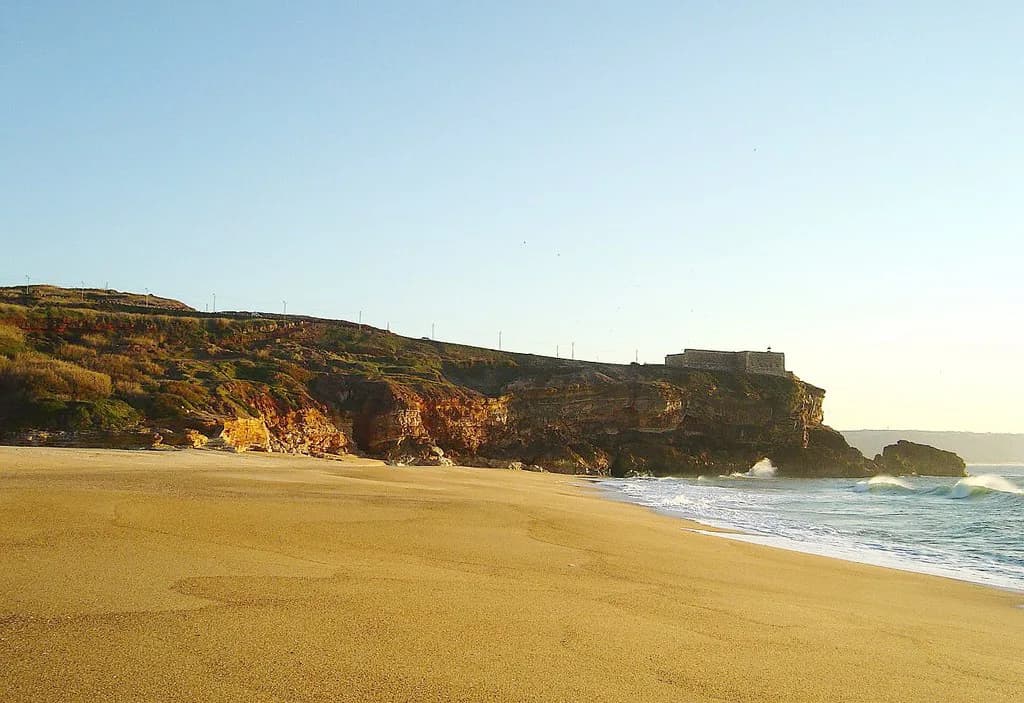
Keep the two beaches separate in your head. The town beach below Sítio is the family swimming side, while Praia do Norte is the big-wave zone and not a place to swim when the swell is running. Watching from the clifftop above Praia do Norte keeps you clear of the water and gives you a wide view over the bay.
Surf conditions vary hugely day to day, and even in the swell season the sea can be manageable rather than monstrous. If you surf, treat Nazaré as an expert environment and read local guidance before paddling out. If you are watching, bring binoculars and patience, and plan a second clifftop visit.
Which month should you book for Nazaré?
Book late April to June or September to early October if you want to walk, sightsee and still have a shot at seeing swell; book November to February if the waves themselves are the reason for the trip and you can accept cold, wet, unpredictable days. Book July or August only if warm beach weather and a lively seafront matter more than spectacle.
Whichever window you choose, give yourself at least two nights and keep one day flexible for the clifftop. Check the funicular and monument hours for your exact dates before you commit, and treat any big-wave forecast as a bonus rather than a promise.
Explore more Nazaré guides
Sources
Notes for your next Portuguese break
Optional updates to our town guides.
You might also like
Continue reading
More guides you'll find useful