
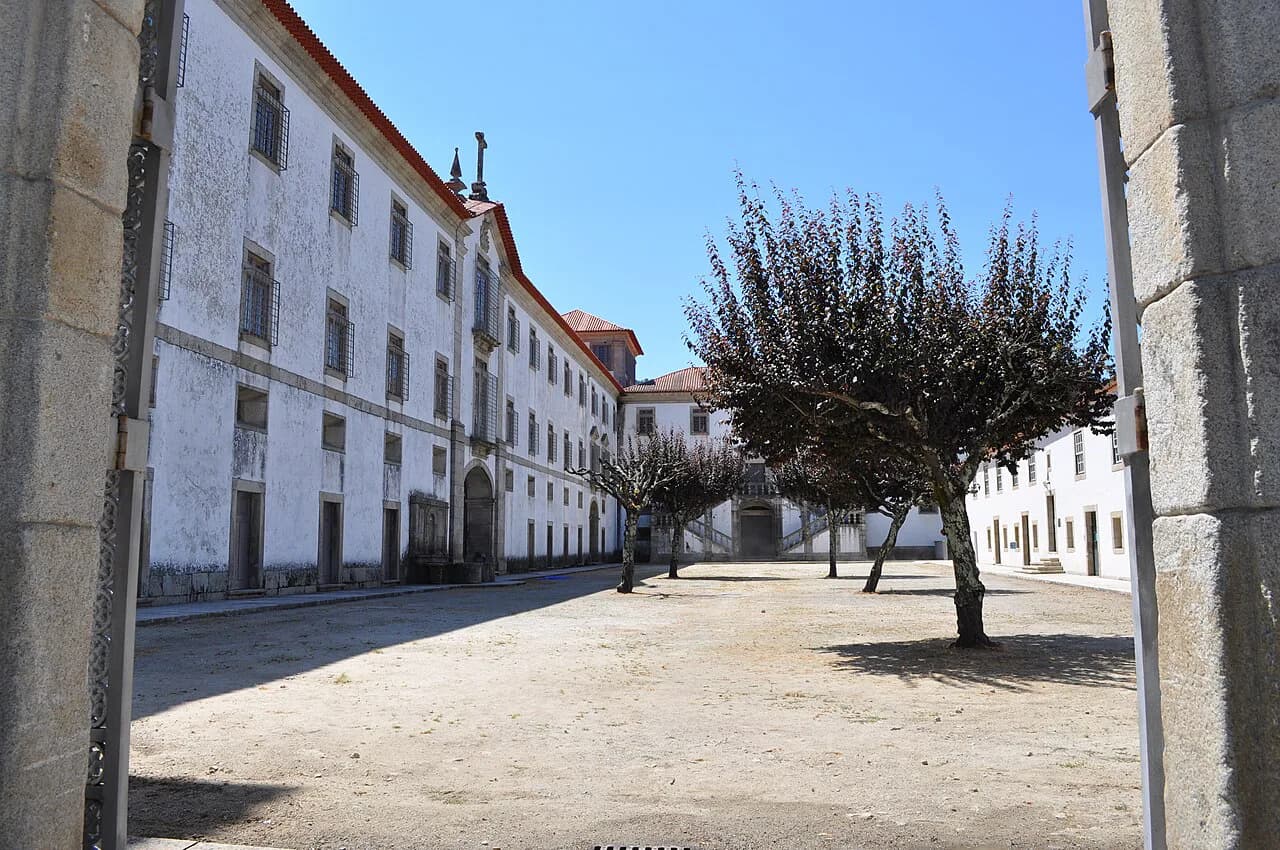
Arouca Monastery: What to See Inside the Mosteiro de Arouca
Arouca Monastery is a former Cistercian convent with a sacred art museum, cloister and kitchen. Here is what to see and how to plan a half-day visit.
On this page
Arouca Monastery is a former convent in the small inland town of Arouca, and the cloister, kitchen and museum of sacred art are the reasons to go inside. Allow a half day for the complex and the walk into the historic centre, more if you pair it with the Paiva Walkways. This guide covers what the building is, why the story of Mafalda of Portugal still shapes how it reads, and how to choose between a self-guided look round and a guided walk.
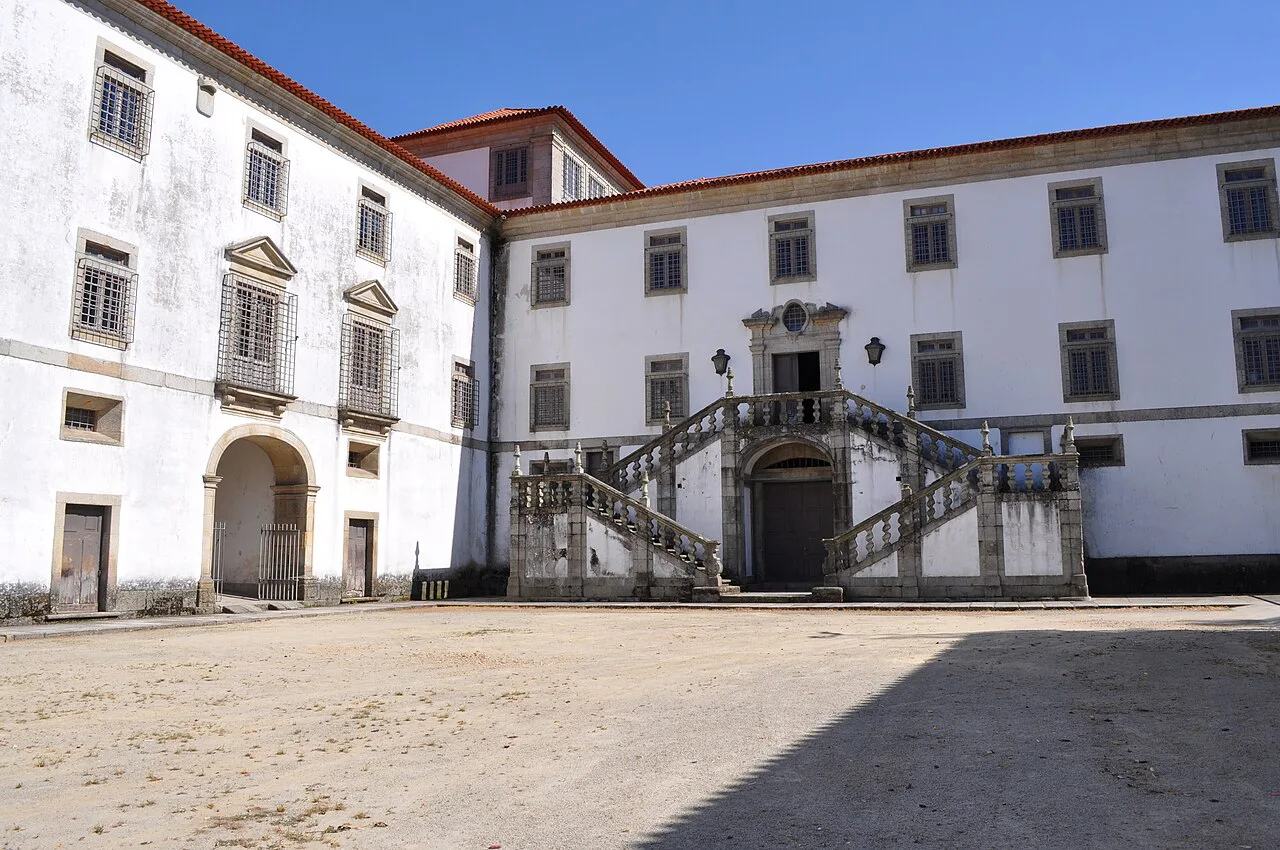
The Mosteiro is a monastic complex rather than a single church: the visit takes in rooms, including a kitchen, and a cloister as well as the church and the sacred art collection. That layout rewards a slower visit than a cathedral stop, because the interest is spread across domestic spaces as much as the nave.
What Arouca Monastery is and why it matters
The Mosteiro de Arouca is a former monastic house in the town centre of Arouca, in the hills inland from Porto and Aveiro. It is best known for its sacred art and its royal connections, and it anchors the town as the obvious first stop. As part of a wider circuit of former convents, it sits comfortably alongside the monasteries in Portugal that reward a detour rather than a tick-box stop.
What distinguishes Arouca from a bare ruined abbey is that the complex is substantially intact, with the cloister, domestic rooms and a sacred art collection still in place. The church interior is described as a place for meditation and prayer, and also for contemplation, which catches the atmosphere better than any summary. Go in expecting quiet rooms rather than spectacle, and the visit makes more sense.
The story behind it: Mafalda of Portugal and a failed marriage
Mafalda of Portugal, married to Henry I of Castile, was the driving force behind the founding of the monument, and she ended her days living there as a nun. Her marriage failed and she was later beatified, which is why the building carries a royal as well as a religious story. Keeping that thread in mind turns a sequence of rooms into a narrative about one woman's retreat from dynastic politics.
The town has staged events that lean on exactly this history, including the 2025 programme Arouca, the History behind a Monastery, which paired Baroque-themed activities with a historical re-enactment in July 2025 and had free admission. Treat that as history and check the town council's own events page for what is running during your dates.
Inside the complex: cloister, kitchen and the museum of sacred art
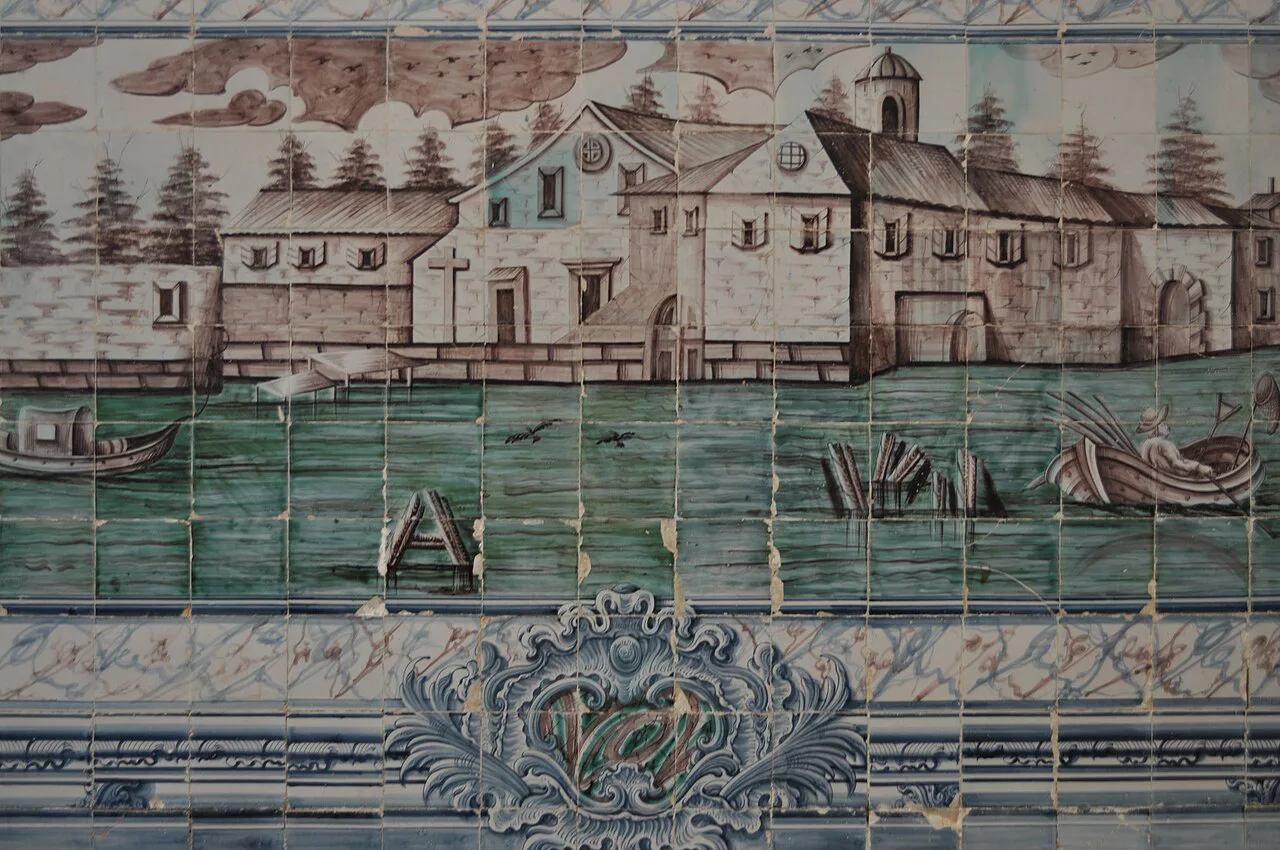
The guided route through the complex takes in the cloister, the kitchen and the museum of sacred art. The kitchen is the surprise for most travellers: a domestic space that says more about daily monastic life than any display case. Give the sacred art collection the most time, since it holds the paintings and sculpture that explain the foundation's wealth.
In the church, the mood is contemplative rather than theatrical, and the interior rewards a slow look at the details rather than a quick circuit. Photography suits the place, so bring a camera if that is your habit, but keep voices low where others are praying. If you have seen the tiled interiors of Santa Clara-a-Velha in Coimbra, the contrast in scale and setting here is part of the appeal.
If your taste runs to carved stone and restrained Romanesque interiors rather than gold and painting, plan the Arouca stop as one piece of a broader Romanesque route through the centre and north. The two tastes complement each other rather than compete.
Getting there: Arouca as an inland stop from Porto or Aveiro
Arouca sits inland from both Porto and Aveiro, which makes it a natural short break rather than a day bolted onto a coastal itinerary. The monastery is in the town itself, so once you arrive the visit starts on foot without a further transfer. A guided tour meets at the Mosteiro de Arouca, so the start point is the complex itself rather than an out-of-town car park.
A guided tour beginning at the monastery is the simplest way to get the history without assembling it yourself. Because the meeting point is the Mosteiro de Arouca, you arrive at the complex itself before the group sets off, so there is no separate transfer to arrange.
The 2.5-hour guided tour: what it covers and what it costs
A Civitatis guided tour of Arouca runs for two and a half hours with an English-speaking guide, meeting at the Mosteiro de Arouca and finishing at the Calvário de Arouca. Admissions, traditional sweets and water are included, and the operator lists the tour from US$ 28. Free cancellation is available up to 24 hours before the start, and booking closes two days ahead if seats remain.
The route leaves the monastery for a walk through the historic centre and reaches the Chapel of Mercy, built in 1612, which is small but noted for the quality of its paintings and religious sculpture. From there it continues to the Calvário de Arouca, a granite hill with stone crosses tied to the Fogaréus procession that ends there. What you buy with the fee is context and a route you would otherwise have to assemble yourself; what you give up is the freedom to linger.
Walking into town afterwards: Capela da Misericórdia and the Calvário
After the monastery, walk into the historic centre rather than back to the car. The Capela da Misericórdia, the Chapel of Mercy, is worth the detour for its paintings and sculpture, and it makes a natural pause between the convent and the hill. The streets between the two are short enough to cover on foot in an afternoon.
The Calvário de Arouca, a granite mount set with stone crosses, is the traditional end point of the walk and a place for reflection rather than views alone. It is also where the popular Fogaréus procession finishes, which explains why the path feels ceremonial rather than wild. Go late in the day if you want the softer light and fewer people.
Where to eat near the monastery
The guided tour includes traditional sweets, which takes the edge off before you decide where to eat properly. Arouca's centre is compact enough to walk, so once you have finished at the Calvário you can pick a place on foot.
How long to allow, and pairing it with the Paiva Walkways and 516 Arouca bridge
Give the monastery and the town walk half a day, and a full day if you add the river sites. The Paiva Walkways and the 516 Arouca bridge are the obvious add-ons, and tour operators list day trips combining walkways, bridge and transport; treat any figure as the operator's current listing rather than a fixed rate, and check what each option includes before booking.
The honest trade-off is depth against breadth: the monastery plus the Calvário is a contemplative half day, while adding the walkways turns it into a longer day with more time in the car or minibus. If your break is only two or three days, do the monastery properly first and treat the bridge as the bonus.
Lorvão Monastery, nearer Coimbra, is the closest comparison for anyone building a monastery-focused trip: a Cistercian house with a rich interior in a quiet setting. Visiting both in one trip shows how differently Portuguese convents wear their wealth.
Is Arouca Monastery worth the detour?
Yes, if you are already heading inland for the Paiva valley or want a quiet, history-rich half day away from the coast. The cloister, kitchen and sacred art collection justify the trip on their own, and the Mafalda story gives the rooms a thread. If you only want a quick church stop, this is more than you need.
Book the guided walk if you want the Calvário and the Chapel of Mercy explained in English and included admissions; go self-guided if you prefer to set your own pace. Either way, start at the monastery and walk into town afterwards.
Sources
Notes for your next Portuguese break
Optional updates to our town guides.
You might also like



Continue reading
More guides you'll find useful





