
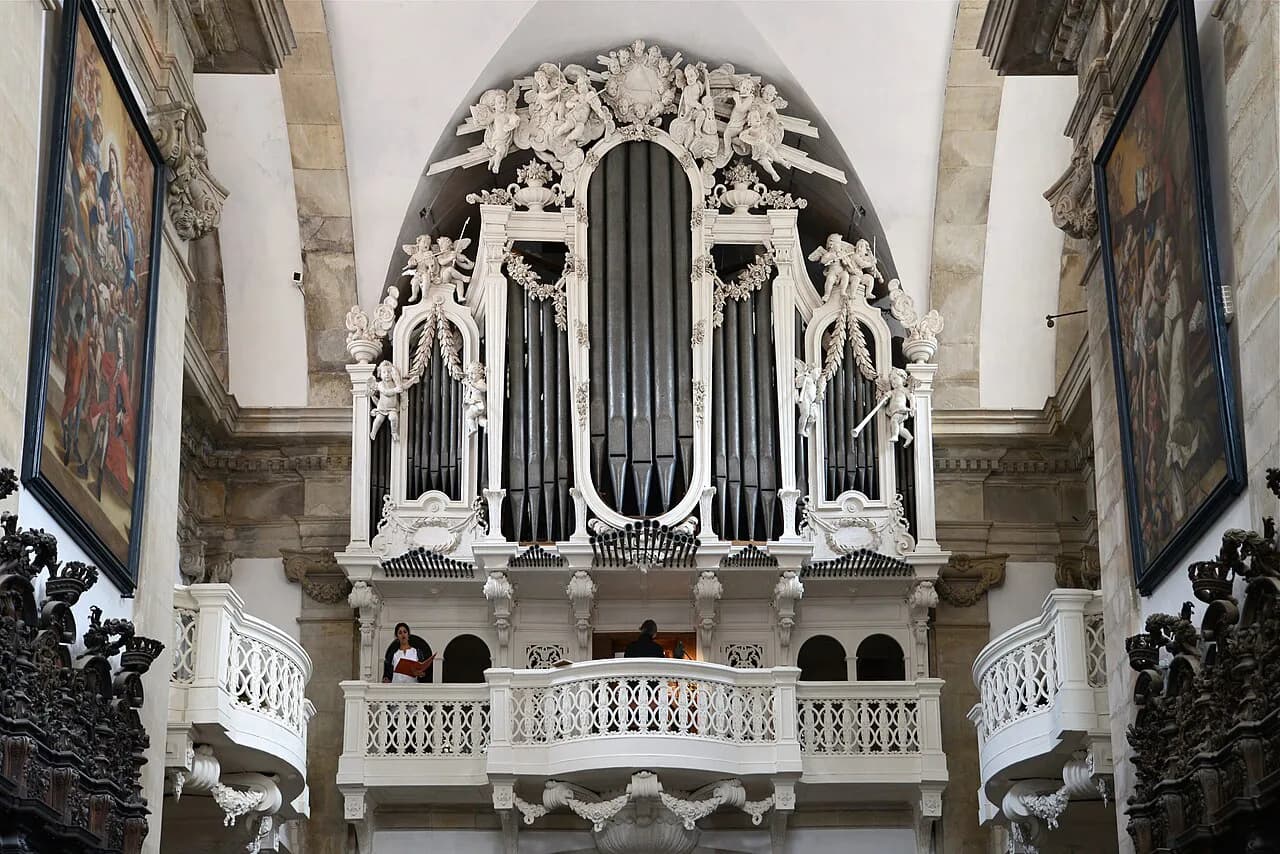
Lorvão Monastery: Visiting the Convent Near Coimbra
Lorvão Monastery near Penacova holds the silver tombs of Santa Teresa and Santa Sancha. Here is what to see inside and how to plan a short visit.
On this page
Lorvão Monastery is worth a half-day from Coimbra if you want a working convent church with royal tombs rather than a ruined shell. The Mosteiro de Santa Maria de Lorvão sits in a valley in Penacova municipality, and the published visit lasts up to 45 minutes. This guide covers what to see inside, the Cistercian story behind it, the published visiting schedule and how to fit it into a short break.
The monastery is a single focused stop, not a day out in itself. Pair it with the Penacova hills or a Coimbra monastery such as Santa Clara-a-Velha, and treat the published times as the schedule rather than a promise of what you will find on the day.
Where Lorvão is and why it is worth the detour
Lorvão is a parish in Penacova Municipality, and the monastery stands in the village of Lorvão in a valley surrounded by hills. The setting is part of the appeal: you arrive through wooded slopes rather than a city street, and the church and convent buildings sit quietly among the houses.
The detour pays off for the royal tombs and the Cistercian history, not for scale. This is a compact convent church, so an hour or so on site is realistic including the walk around the outside. If you are working through the country's religious houses, it earns a place alongside the bigger names in this guide to monasteries in Portugal.
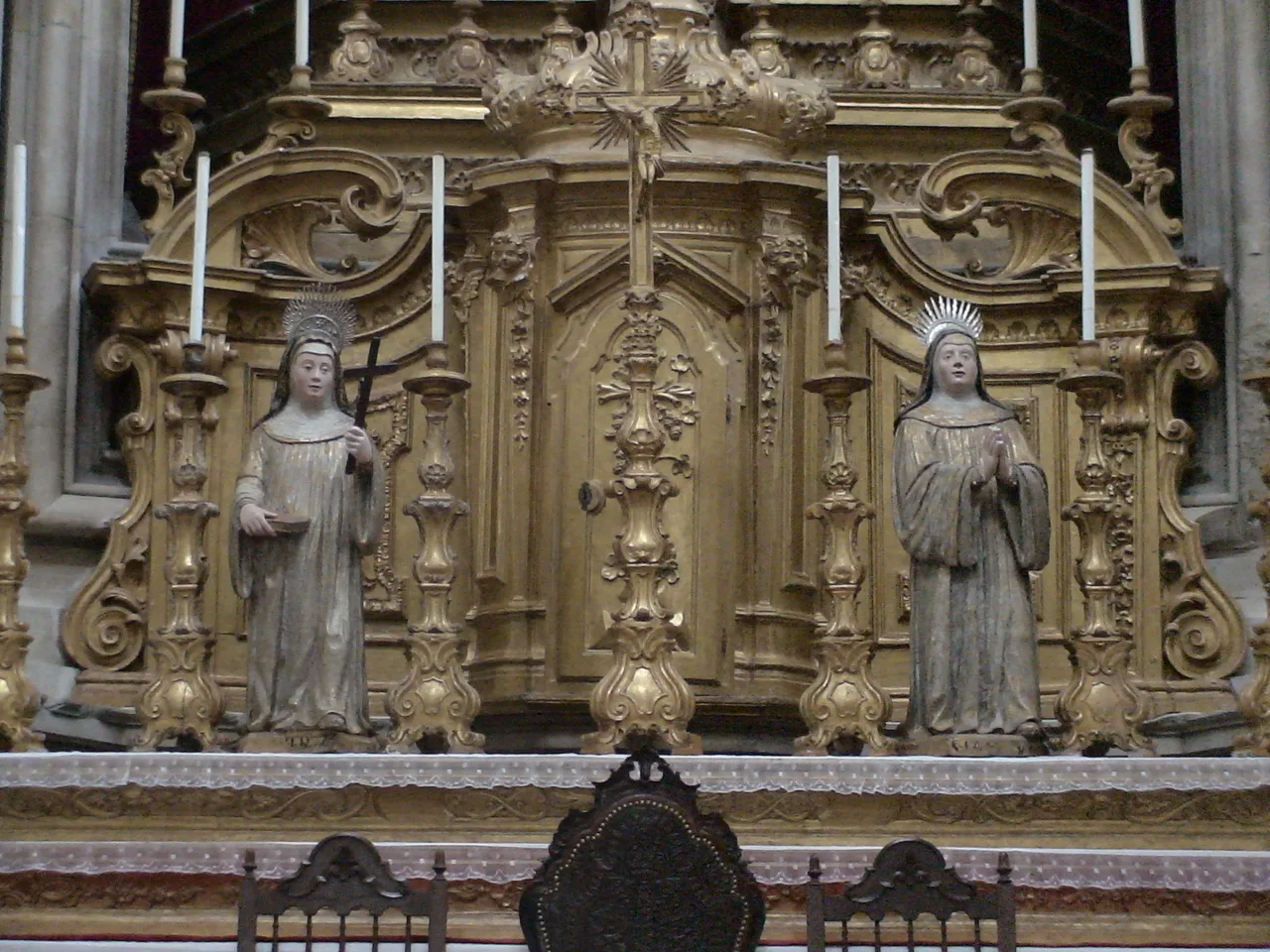
The church and the silver tombs of Santa Teresa and Santa Sancha
The church is the heart of the visit and holds the monastery's greatest treasures: the silver tombs of Santa Teresa and Santa Sancha, granddaughters of D. Afonso Henriques. The monastery's own account describes the church as both a place of worship and a museum space visited daily, which is the key thing to understand before you go.
Because it is a working church, a Sunday morning visit competes with mass. The published schedule sets Sunday mass at 11:30 and Wednesday mass at 18:30, and visits end one hour before any religious service. If you want the church to yourself for the tombs, aim for a weekday slot rather than a Sunday.
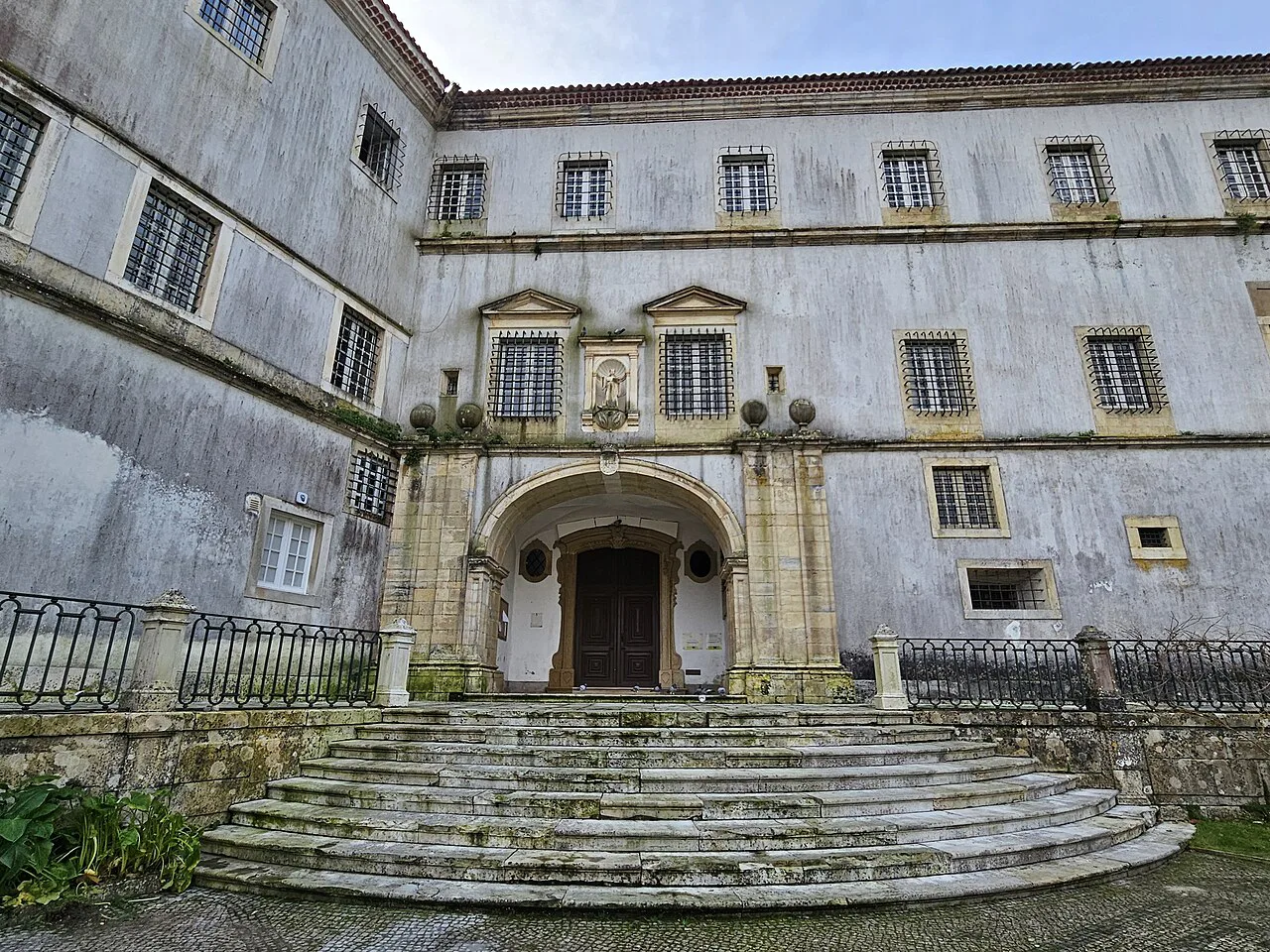
The Cistercian story: an annulled marriage and a nunnery
Teresa was married to Afonso IX of León, but the Pope annulled the marriage because the couple were close cousins. She returned to Portugal and founded what the monastery describes as the first Cistercian nunnery in the country, and Lorvão became one of the richest houses in the kingdom, home to nuns of high nobility.
That royal and aristocratic patronage explains the quality of what survives. It also links Lorvão to other Portuguese convents with royal women at their centre, such as the Mosteiro de Arouca, where Mafalda of Portugal left a comparable mark.
The Chapter House and its Visigothic stone
The monastery reports a foundation date of 547, and the argument rests on a carved Visigothic stone kept in the Sala do Capítulo, the Chapter House. Seeing that stone is the reason to slow down in the Chapter House rather than pass through: it is the physical evidence behind the claim that Lorvão is one of the oldest monasteries in Europe.
Treat the sixth-century date as tradition rather than certainty. The official date is the monastery's own, and the stone supports an early Christian presence; whether the building you stand in dates from then is another question. The honest approach is to read the claim on site and enjoy the carving for what it is.
Convent sweets and the village of Lorvão
Lorvão is associated with doçaria conventual, the convent sweets tradition that runs through Portuguese religious houses. The monastery's own site gives the subject its own page, which is the signal to look for the local pastries in the village rather than at the monastery door. No specific shop can be recommended here, so ask locally or look for the sweets in Penacova.
Opening days and times for visits
The monastery publishes a visiting schedule of Tuesday to Saturday from 09:15 to 12:45 and 14:00 to 17:45, and Sunday from 09:15 to 10:30 and 14:00 to 17:45, with visits of up to 45 minutes in groups of up to 10 people and surfaces cleaned between groups. The published notice is tied to a specific alert period, so treat these as the stated arrangement and confirm with the municipality before travelling.
No ticket price is stated for the monastery, so budget for the trip but not for a stated admission fee. If you need a firm answer on cost, contact Penacova municipality through the details on the monastery's site before you set out.
How long a visit takes and how group visits work
Plan on 45 minutes inside, the maximum published visit length, plus time to walk around the village and church exterior. The group limit of 10 people means it is not a place to turn up with a coach party; smaller groups fit the published format. A short visit also leaves room for a second stop the same day.
The published arrangement caps visits at 45 minutes and groups at 10 people, so plan as though your time inside is bounded rather than open-ended. That structure suits a short-break itinerary where you want to know how long a stop will take.
Getting there from Coimbra and fitting it into a short break
Lorvão lies in Penacova municipality, and the monastery is best reached by car from Coimbra, which puts it in half-day range rather than an all-day expedition. The village sits in a valley surrounded by hills, so allow for winding approach roads and a slower final stretch.
A sensible short-break plan gives Coimbra two days and Lorvão one morning, with the monastery as the first stop before lunch. If you are building a religious-houses itinerary, pair it with the Cistercian and Romanesque stops on the Romanesque route in Portugal, or with Arouca if you are heading north.
Is Lorvão Monastery worth the half-day from Coimbra?
Yes, if you want a working convent church with royal silver tombs and a genuine Cistercian story, and you accept that the visit is short. The 45-minute group format and the split daily schedule (closed over lunch and between the morning and afternoon Sunday slots) mean you should build the trip around the published times, not the other way round.
Skip it if you are after a monument you can explore at your own pace for a whole afternoon. Lorvão rewards a focused stop before moving on, and its tombs and Chapter House stone give you more to think about than the size of the building suggests.
Sources
Notes for your next Portuguese break
Optional updates to our town guides.
You might also like



Continue reading
More guides you'll find useful





