
Romanesque Route Portugal: Planning a Northern Portugal Drive
The Rota do Românico links Romanesque churches, monasteries and a castle across the Sousa and Tâmega valleys. Here is what to see and how to plan a short drive.
On this page
The Romanesque Route, or Rota do Românico, is a cultural touring route through northern Portugal's Romanesque churches, monasteries and manorial monuments, and two days are enough to see its strongest set at a civilised pace. Seeing it properly means driving between small villages, since the monuments are spread across the Sousa and Tâmega valleys rather than gathered in one town. This guide names the buildings worth the detour, splits them into two non-overlapping legs and explains how to slot Amarante, Felgueiras and the castle at Arnoia into a one- to four-day break.
Plan around distance first and architecture second. The monuments sit in separate municipalities, so a day of three or four stops beats a day of seven with the car constantly turning round. If you already know you enjoy Portugal's religious architecture, the wider circuit of monasteries in Portugal gives context for what makes this route different.
What the Romanesque Route Is and Where It Runs
The route is a network of monuments rather than a single walled circuit, and its Romanesque core is concentrated in the valleys north-east and east of Porto. The monuments are distributed across the municipalities of Amarante, Baião, Castelo de Paiva, Celorico de Basto and Cinfães, so the drive takes in several small councils rather than one town.
The route is jointly managed with regional tourism bodies, and conservation work on individual churches continues, so a building occasionally sits behind scaffolding rather than open as you imagined. The Church of São Vicente de Sousa in Felgueiras, for instance, has had conservation works co-funded through the NORTE 2030 regional programme.
The route is promoted as the Northern Romanesque route by the regional tourism bodies, so the route's own website is the place to confirm which buildings currently welcome visitors and how they are grouped by municipality. Confirm opening arrangements before you build a driving day.
Which Monuments Anchor a Short Trip
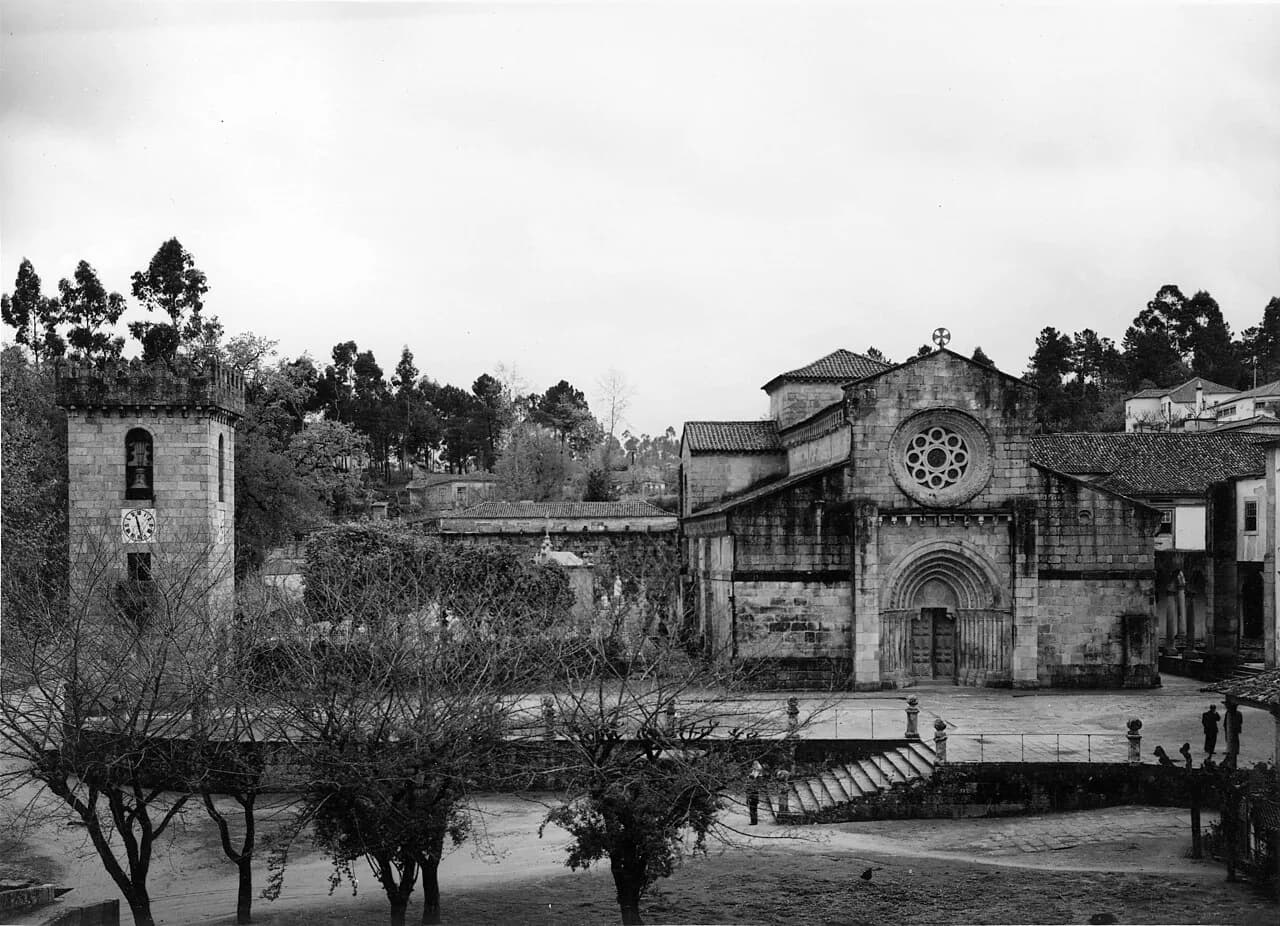
Six buildings justify the drive on their own. The Church of the Monastery of São Pedro de Ferreira is among the most distinctive Portuguese Romanesque monuments, combining façades and ornamental motifs from different regional schools in one harmonious shell. São Pedro de Cête, close to Paço de Sousa, shows how a parish church anchored the organisation of its territory in the 10th and 11th centuries.
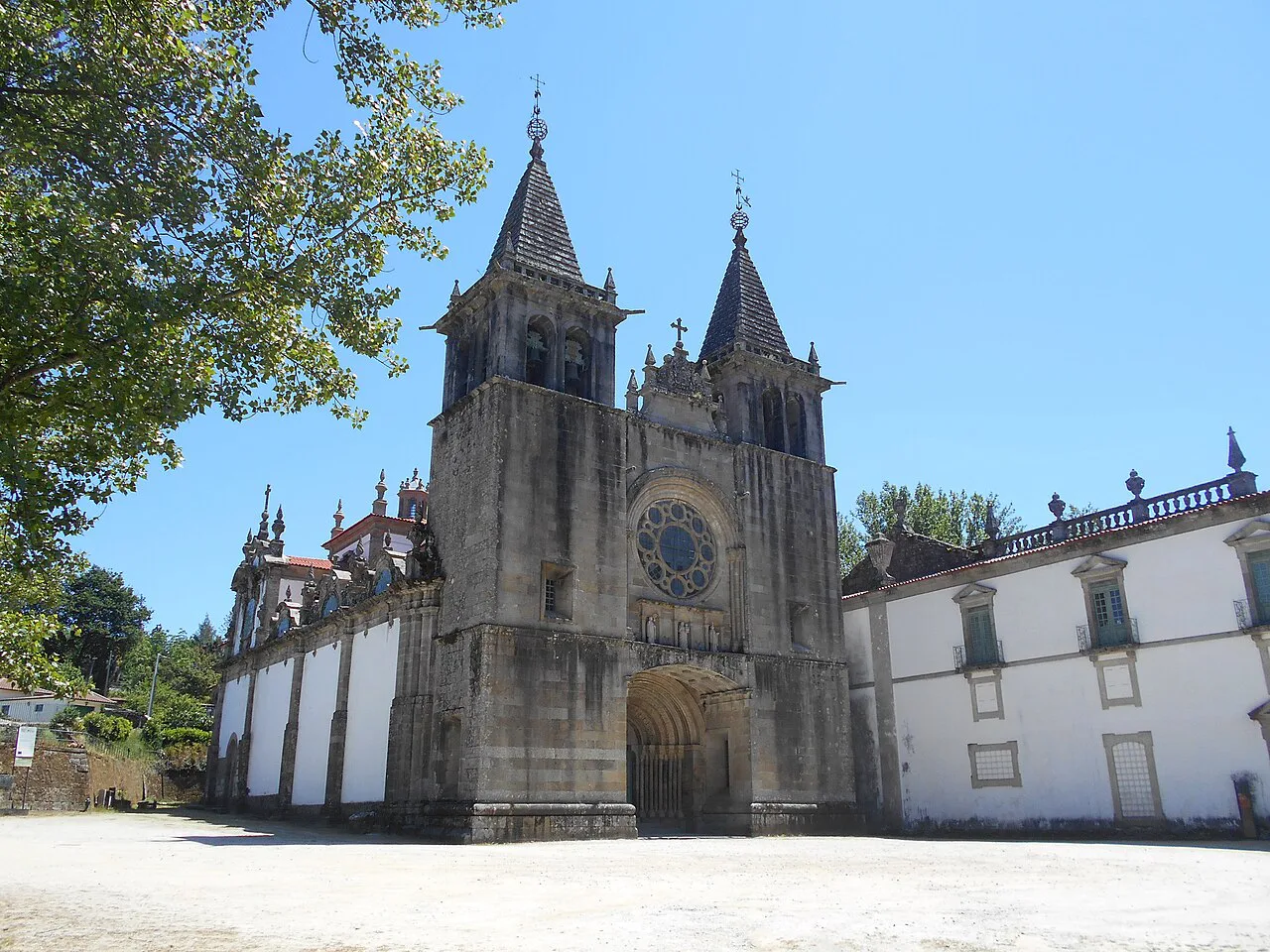
The Monastery of Travanca is the scale stop: unusually large for Portuguese Romanesque, with rich sculptural decoration and a tower whose portal depicts the Agnus Dei, the Lamb of God. Travanca was one of the most important monasteries in the Entre-Douro-e-Minho region in the Middle Ages, which explains the ambition of the building.
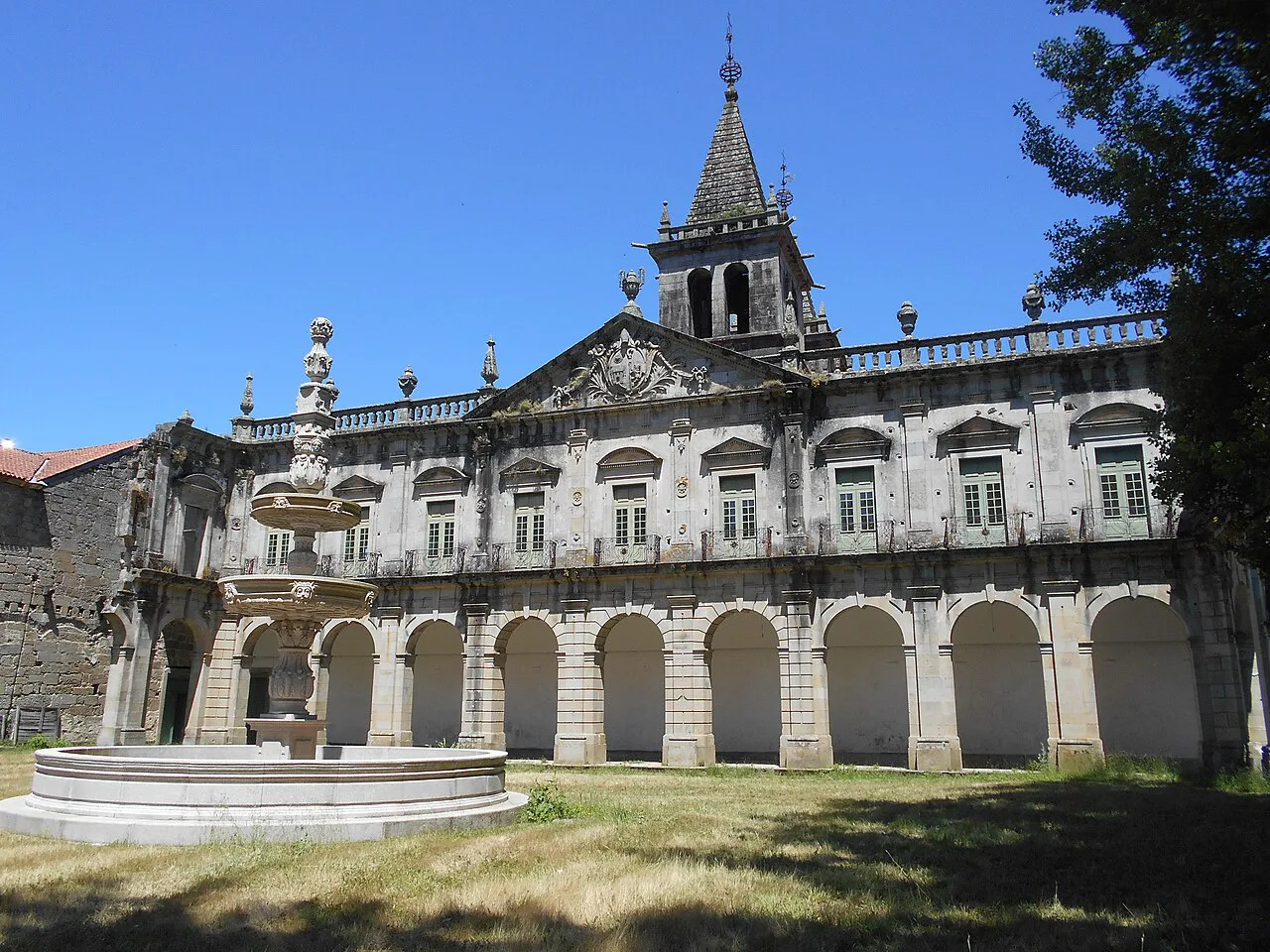
At Vila Boa do Bispo, the Monastery of Santa Maria keeps medieval carving on its main façade and a cluster of tombs inside, and its foundation is tied to a local lineage whose power was based in the region after the Reconquest. Pombeiro, one of the most important Benedictine monasteries of the Entre Douro-e-Minho, preserves its medieval plan, apse chapels and main portal despite 17th- and 18th-century rebuilding.
Paço de Sousa is the southern anchor of the Sousa leg, and the leg from Cête to Paço de Sousa makes a natural half-day drive between villages. The Memorial of Ermida, a rare type of remembrance monument of which only six examples survive in Portugal, sits along this stretch and rewards a short stop.
Amarante as a Base: Historic Centre, Convent and Bridge
Amarante makes the most practical base because three of its sights sit within a few minutes' walk of each other on either side of the Tâmega. The historic centre's narrow streets lead to the Convent of São Gonçalo and the bridge over the river, and the Amadeo de Souza-Cardoso Museum holds a large collection of works by writers and artists.
Amarante's bakeries sell the convent sweets the town is known for, including the São Gonçalo cake — the joke being whether you can eat it without laughing. Buy one after the bridge rather than before, so it survives the walk.
Use Amarante as the pivot for the second half of the route: the Tâmega valley stops lie east and north of town, the Sousa valley stops to the south and west. That geometry is the reason a single base works here.
The Tâmega Valley Leg: Castle of Arnoia and Old Basto
North of Amarante, the Castle of Arnoia is a Romanesque castle on a height above the old land of Basto, and it comes with an interpretation centre. Below it, the old town of Basto keeps its pillory, audience house and apothecary, reminders of a period when the road between the Sousa and Tâmega valleys made this a busy place.
Nearby, the Church of São João Baptista de Gatão was built between the 13th and 14th centuries and mixes Romanesque forms with elements announcing the later period. Its isolated setting makes it the most photogenic stop of the day if you catch it in low light.
The Tâmega leg pairs naturally with a stop at the Quinta de Lourosa, which produces Vinho Verde, giving the day a wine angle without a separate detour. Keep the drive short: the castle, the church and Basto's old town are enough for one afternoon.
Pombeiro and Felgueiras: São Vicente de Sousa and Margaride pão-de-ló
West and south of Amarante, the Sousa leg is the richest single stretch of the route. The Monastery of São Salvador de Travanca and the Monastery of Santa Maria de Pombeiro can be paired with the Church of São Vicente de Sousa, which was part of a convent completed in the 13th century — an inscription beside its north portal dates its solemn consecration to 1214.
In Felgueiras, the House of the Pão-de-Ló of Margaride is a house museum with huge wood-fired ovens built in 1730, where you can see how the sponge cake and the local cavacas are made. It is a good mid-afternoon pause between monuments.
Pombeiro rewards time inside rather than outside. Its main portal capitals are a standout example of Portuguese Romanesque sculpture, and the surviving medieval plan gives a clearer sense of monastic layout than most churches on the route.
How Many Days the Route Needs
One day covers a single valley leg plus Amarante, and that is the minimum worth doing. Two days let you split Sousa and Tâmega without rushing, which is the right call for a short break.
Three days add the climb to the Castle of Arnoia, a proper look at the old town of Basto and a longer stop in Amarante, including the Convent of São Gonçalo and the Amadeo de Souza-Cardoso Museum. Four days only make sense if you want a slow loop and time in every church, which most travellers on a short break do not.
If your interest is monastic architecture more broadly, the Arouca monastery is a strong extension, linked to the legend that the Memorial of Ermida was one of the stops on the procession carrying the body of Mafalda of Portugal to her monastery. The Mosteiro de Arouca fits naturally as a fourth-day addition rather than a stop on the route itself.
How to Structure the Drive Without Backtracking
Drive the Sousa leg on one day and the Tâmega leg on another, returning to Amarante in the evening. On Sousa day, work from Cête and Paço de Sousa westward through Travanca, Pombeiro and Felgueiras before returning. On Tâmega day, head north to Arnoia and Basto, then back via Gatão and the Quinta de Lourosa.
This split avoids the single biggest planning mistake on the route: treating the monuments as a circular tour when they sit in two valleys either side of town. Confirm the distances on the route's own website before fixing each day so you plan around them rather than guess.
Build slack into each day. Rural roads slow you down more than the distances suggest, and a village with one monument may have nothing else to occupy a spare hour.
What to Expect Inside a Romanesque Church
Look at the portals first. Capitals at Pombeiro and Travanca carry carved narrative and ornament, and the north portal inscription at São Vicente de Sousa is the building's documentary anchor. Towers, where they survive, are often the most dramatic exterior feature, as at Travanca.
Tombs and memorials fill the interiors. Vila Boa do Bispo keeps a set of tombs alongside its medieval façade carving, and the Memorial of Ermida belongs to a small group of Portuguese remembrance monuments tied to burial and funeral processions.
Expect austere stone, not gilded baroque. Part of what makes the route's buildings distinctive is that later centuries left their mark unevenly: Pombeiro was heavily reworked in the 17th and 18th centuries but kept its medieval plan and apse chapels.
Practical Trade-offs: Sparse Hours and Lunchtime Closures
Most monuments are small village churches, and the route includes a castle and interpretation centres alongside them. Check the route's website for each building before you set out, and treat the drive itself as part of the experience rather than dead time between stops.
The other constraint is rural spacing. Expect short drives between villages, parking in small squares and very little else to do within walking distance of a church. That is the argument for fewer stops per day than you think you need, and for choosing the interpretation centre at Arnoia when a church is shut.
Conservation work can also close buildings for a period, so plan a second choice for each day. A restoration like the one at São Vicente de Sousa can take a church off the visitor circuit for a stretch.
Where to Eat Along the Route
Regional lunches are best taken in a town rather than a hamlet, and Amarante, Felgueiras and Penafiel all work as midday stops on the two legs. The route includes a regional lunch in Penafiel on its suggested itinerary, which is a sensible cue for where to break the drive.
Sweet stops are part of the route's own logic: the pão-de-ló and cavacas of Margaride at Felgueiras, and the convent sweets of Amarante, including the São Gonçalo cake, sold in local bakeries.
Plan one long lunch and keep the rest of the day simple. For a wider frame on Portuguese monastic heritage and its sweets, the Lorvão Monastery is a useful parallel.
What the Route Does Not Cover, and Where to Add Guimarães or Braga
The Romanesque Route focuses on Romanesque monuments in the Sousa and Tâmega valleys, so it skips Guimarães and Braga entirely. Both cities are Romanesque-relevant and worth adding if you have a fourth day, but they need their own half-day rather than a fly-by.
For the tail end of the break, Coimbra's Santa Clara-a-Velha gives a contrasting monastic ruin in the centre of Portugal, and the wider guide to monasteries in Portugal helps you decide which monasteries deserve a detour beyond this route.
If you are driving from Porto, treat the city as a transport hub and head straight into the valleys. There is no point using up a day of a short break there when the route starts within a manageable drive.
Which Two-Day Split Suits You?
Choose the two-day split if you want the route's undisputed highlights: Sousa day for Travanca, Pombeiro, Ferreira and São Vicente de Sousa, Tâmega day for Arnoia, Basto and Gatão. Choose one day if you only have a single spare day, and take the Sousa leg with Amarante in the evening.
Book Amarante as a base, plan a long Penafiel lunch on Sousa day, and keep the pão-de-ló of Margaride as the afternoon anchor. Skip nothing on the Sousa leg, and add a fourth day only for Arouca or an extra Amarante morning.
Frequently Asked Questions
Do you need a car for the Rota do Românico?
Yes. The monuments sit in different municipalities across the Sousa and Tâmega valleys, so a car removes the problem of scattered village churches with limited public transport. Use Amarante as a base and drive each valley separately rather than trying to cover both in one day.
Are the Romanesque churches open every day?
Opening arrangements vary by building, and some village churches have very limited visiting times. The route publishes monument information on its website, so check the specific church before you set out and have a second stop ready in case a building is closed for conservation work.
Is the Romanesque Route in Portugal worth doing?
Yes, for anyone interested in Romanesque architecture. The route offers unusually large monasteries such as Travanca and Pombeiro, distinctive churches such as São Pedro de Ferreira, and a Romanesque castle at Arnoia, with Amarante's convent, bridge and museum as an urban counterpoint.
Sources
Notes for your next Portuguese break
Optional updates to our town guides.
You might also like



Continue reading
More guides you'll find useful





