Is Nazaré Worth Visiting? An Honest Answer for a Short Break
Yes, Nazaré is worth visiting for a working fishing town, a big Atlantic beach and the São Miguel Arcanjo fort. Here is who it suits and how long to allow.
On this page
Nazaré is worth visiting if you want a working Portuguese fishing town with a broad Atlantic beach, a clifftop old quarter and the fort where the big-wave story is told. It is not a monument-heavy city break, and anyone hoping for guaranteed giant waves will often be disappointed, because the biggest swells follow the winter pattern rather than a timetable.
This guide separates the two levels of town, explains what the fort and the cobbled back streets actually offer, and weighs surf season against the calmer shoulder months. Pair it with our Nazaré itinerary when you are ready to put the pieces in order.
Is Nazaré worth visiting? The short answer
Yes, provided you want a seaside town rather than a checklist of monuments. The centre is compact, the two halves of town sit on different levels, and a single full day covers the beach, the climb to O Sítio and the old fishing streets. If you are weighing up one, two or three days, see how many days in Nazaré to match the shape of your break.
The case for going rests on three things: the scale of the beach, the clifftop views back over the town, and the way the place still reads as a fishing port rather than a purpose-built resort. The case against is equally plain: there are few indoor sights, the water is cold Atlantic, and much of the fame hangs on a spectacle that depends on the ocean.
What Nazaré does better than a resort town
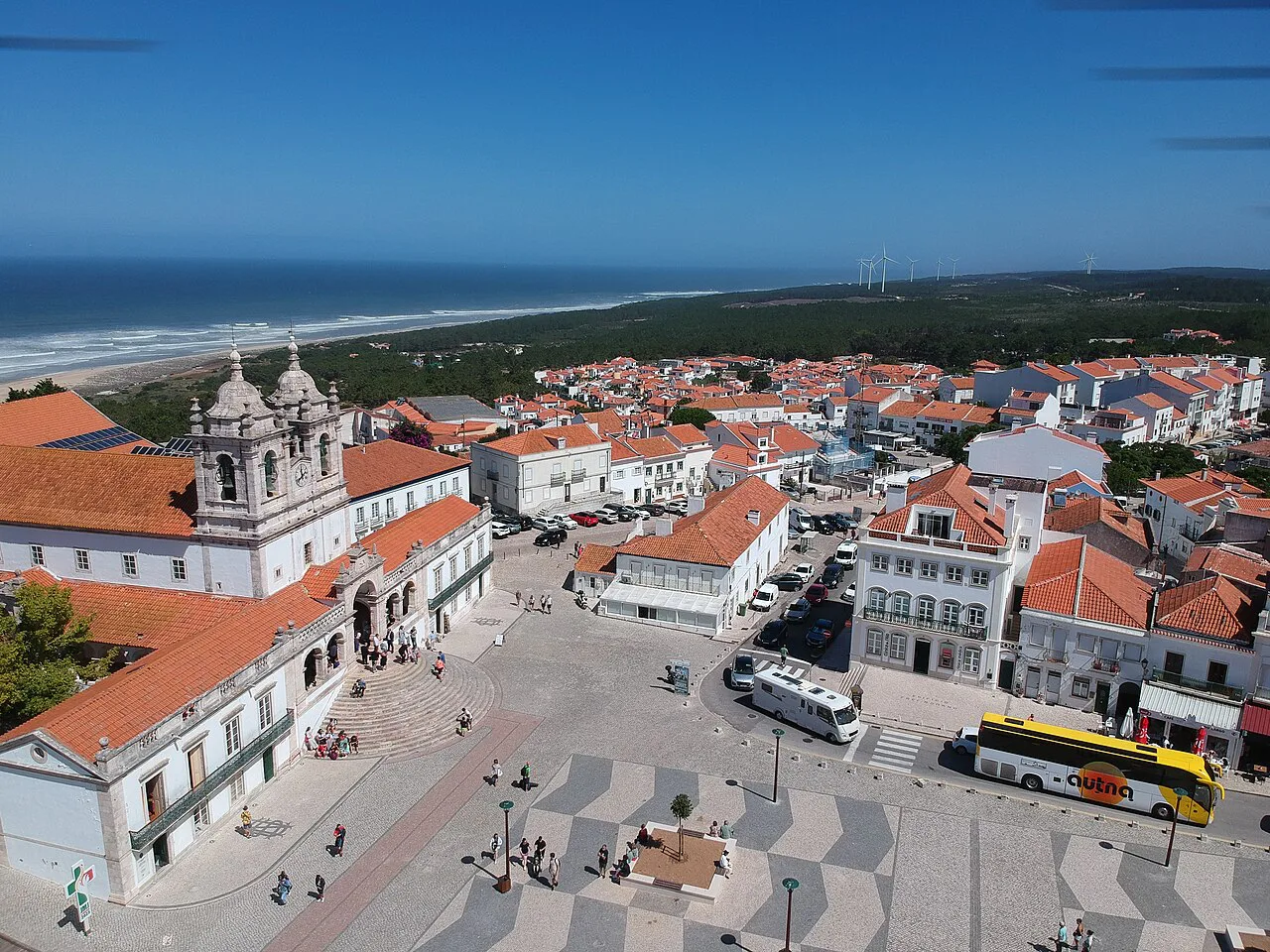
Nazaré grew as a fishing village before it became a big-wave destination, and that history is still visible in the boats, the drying fish and the narrow streets set a few blocks back from the sand. The old town and the newer seafront sit alongside each other without much polish, which is precisely the appeal for travellers tired of purpose-built coastal strips.
Its position on the Atlantic coast of central Portugal, roughly halfway between Lisbon and Porto, makes it a practical stop on a longer coastal drive. The trade-off is that it rewards a slower pace: come expecting to wander, eat fish and watch the sea rather than tick off galleries.
The two halves of town: Praia da Nazaré and O Sítio
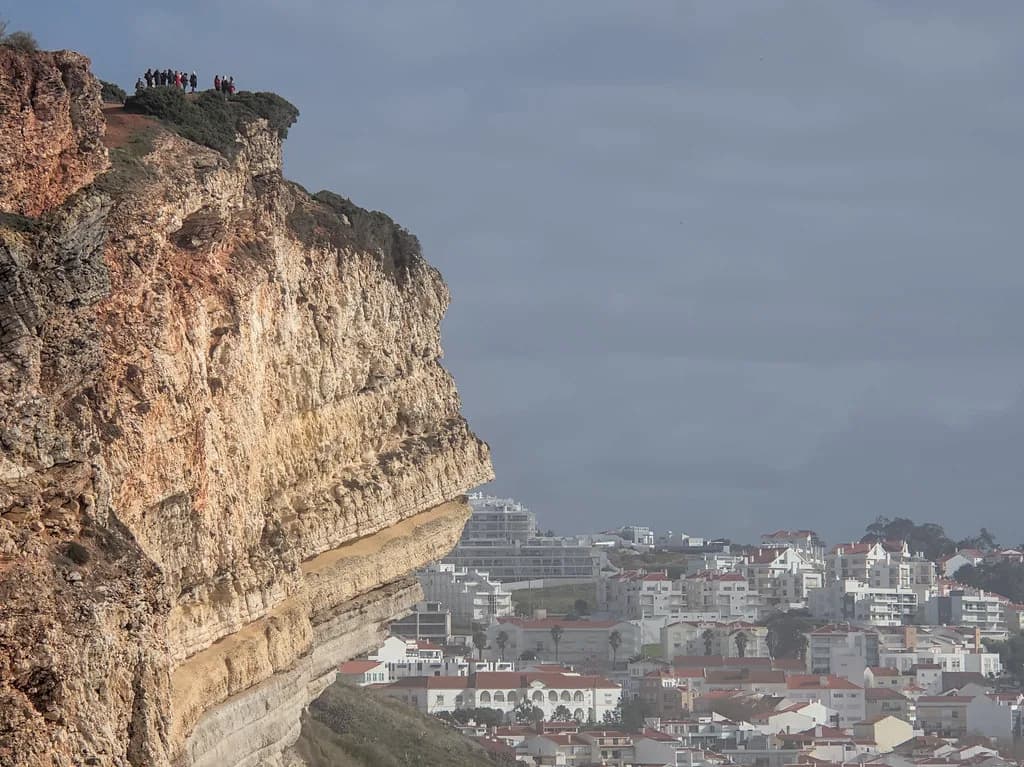
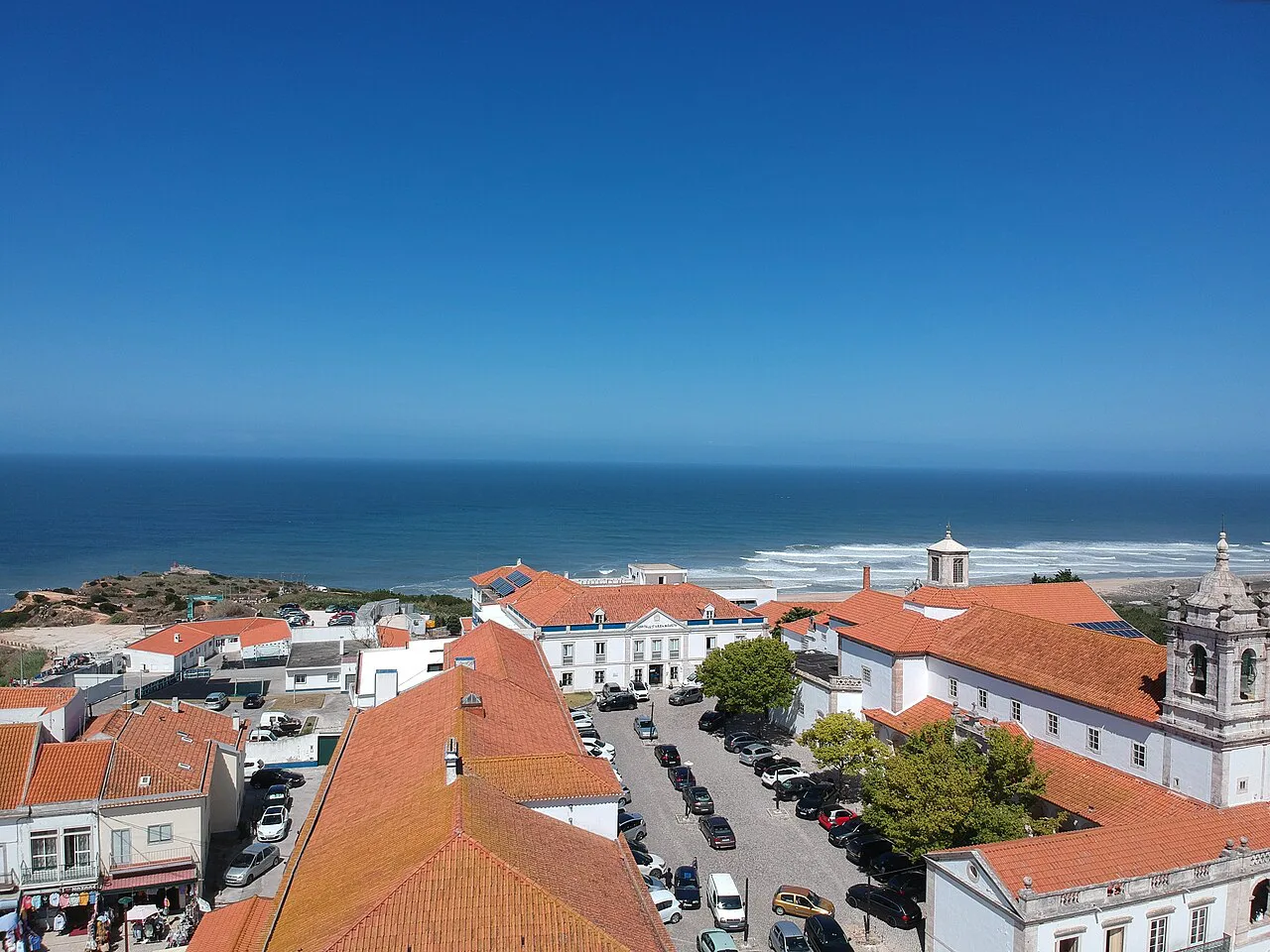
Understanding the layout before you arrive saves a lot of uphill walking. The lower town, centred on Praia da Nazaré, holds the beach, the seafront, most of the restaurants and the grid of fishing streets. Above it, the headland of O Sítio is reached by road or by the funicular and holds the sanctuary, the viewpoint and the fort.
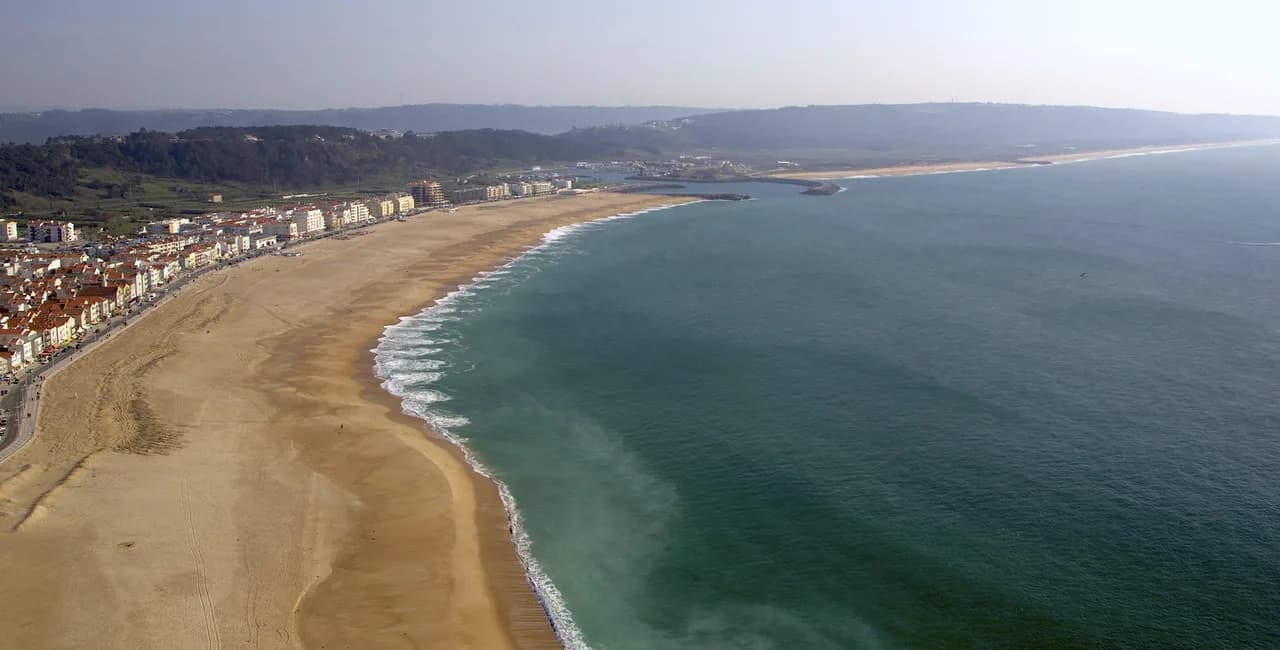
The headland splits the coastline in two, with Praia da Nazaré on the sheltered southern side and the long Praia do Norte running north beyond the fort. That geography explains almost everything about a visit: the beach you choose, the walk you take and where you end up at sunset.
Praia da Nazaré: the beach and the seafront
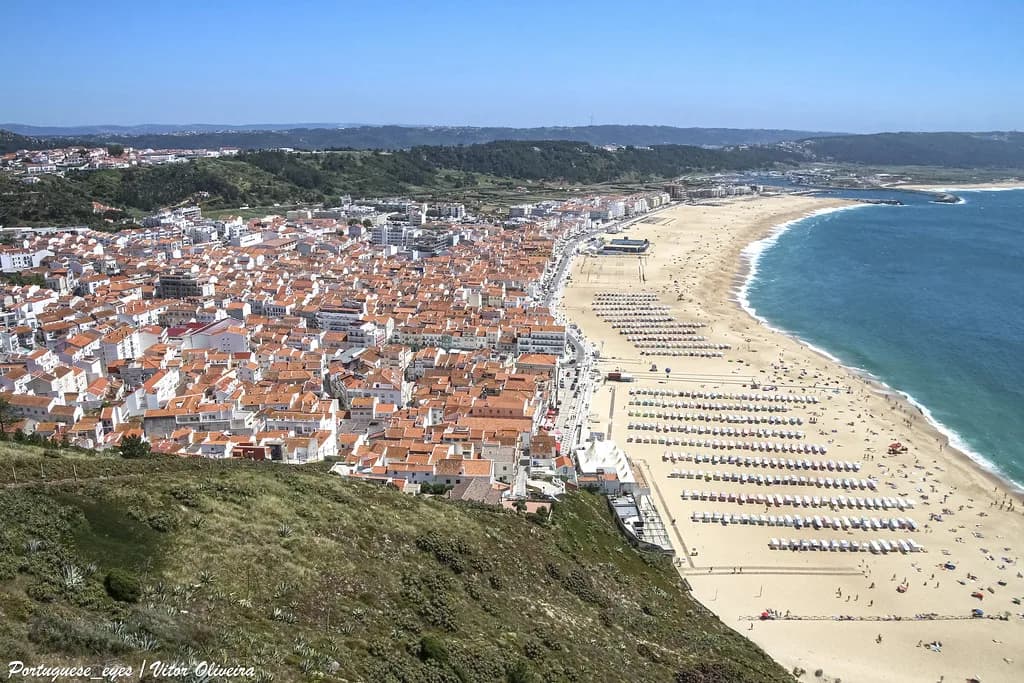
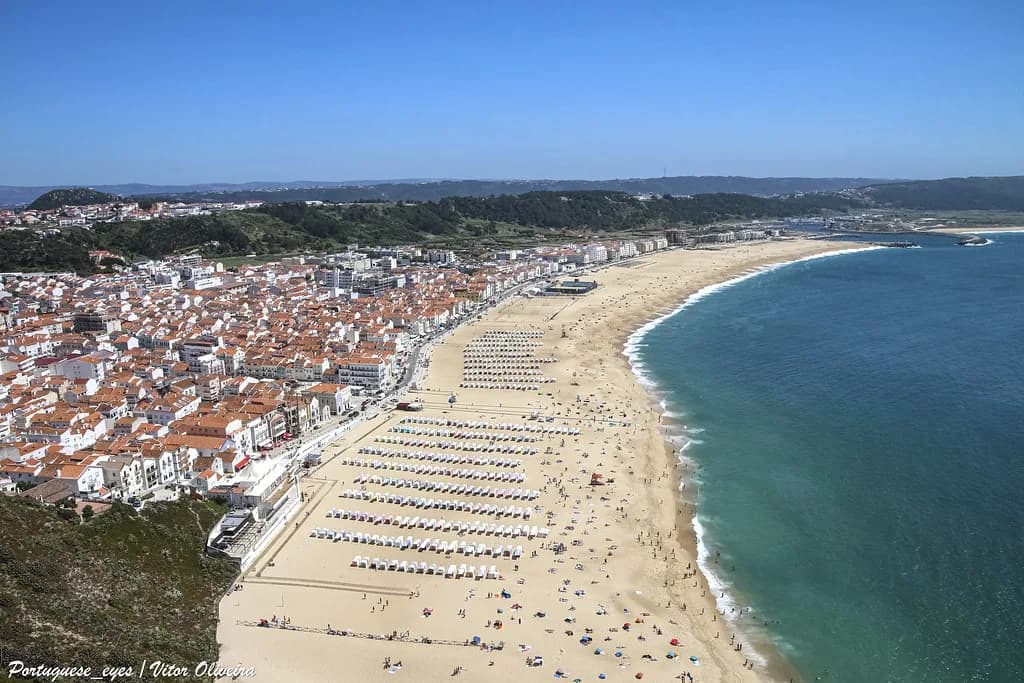
Praia da Nazaré is a wide crescent of golden sand with the cliff sheltering its northern end, and it is the side of town set up for beachgoers, with umbrellas and takeaway drinks close at hand. In summer the waves here are gentler than on the north side, which makes it the more sensible choice for swimming and for beginners hiring a board.
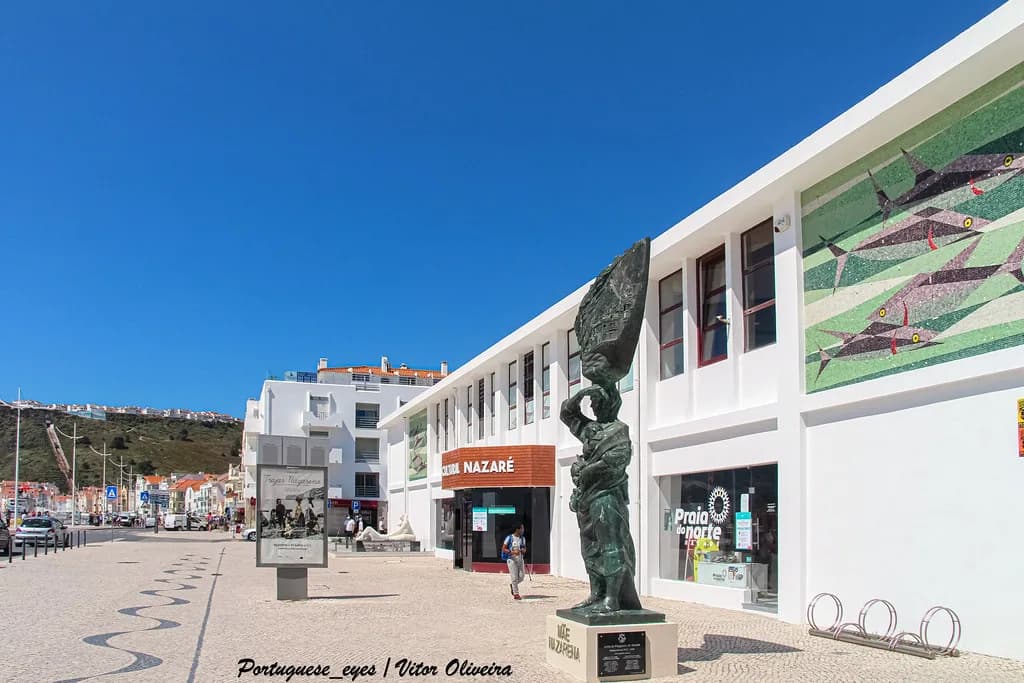
The seafront itself is a working strip rather than a promenade of attractions, so give it an hour to walk end to end and watch the boats. If your priority is sand and a book rather than sightseeing, this is where a short break turns into a proper holiday.
Bairro dos Pescadores: the cobbled streets behind the front
The Bairro dos Pescadores, the fishermen's quarter a few blocks back from the beach, is the part most day-trippers miss. Its narrow cobbled lanes, low houses and washing strung between balconies give a far better sense of the town than the seafront does, and half an hour of wandering here is time well spent.
Go early or late in the day, when the light is softer and the streets are quieter, and wear shoes that cope with uneven calçada. Treat the lanes as a residential neighbourhood rather than a sight, and keep your camera pointed at the buildings rather than into doorways.
Fort of São Miguel Arcanjo and the big-wave story
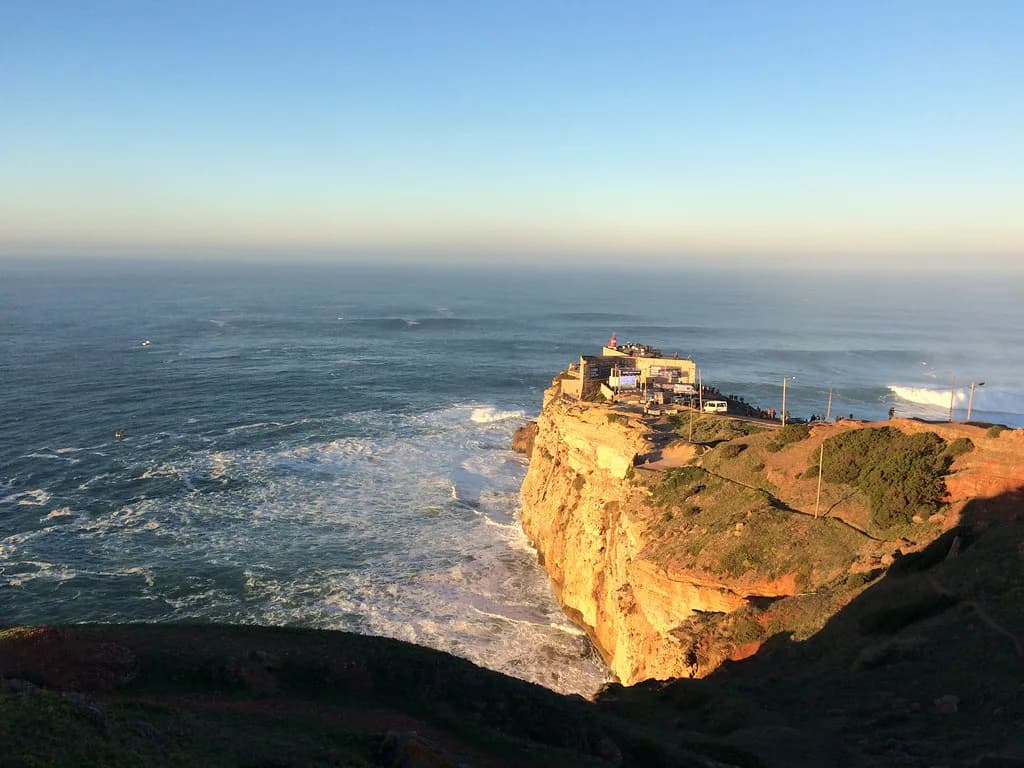
The Fort of São Miguel Arcanjo stands at the southern end of Praia do Norte and holds a surf museum that explains the Nazaré Canyon, the underwater feature credited with concentrating the swell into the waves the town is famous for. The exhibits use video and 3D models to show what happens on the sea floor, alongside boards ridden by the surfers who made the spot famous.
Treat the fort as the reason to come rather than a promise of a spectacle. The canyon is thought to be the largest in Europe, reaching depths of at least 5,000 metres, and the museum translates that into something you can actually picture.
The records belong to history, not to your visit: Garrett McNamara rode a wave estimated at around 23.8 metres in November 2011, and later surfers pushed the mark higher. The rocks by the fort give the best view over Praia do Norte, though the sea state on any given day is a matter of luck rather than planning.
Riding the funicular up to O Sítio
The funicular saves the climb from the lower town to O Sítio, and the ride is short enough that the view opens up almost immediately. Buy your ticket at the lower station on the day, since fares and running times shift with the season.
Once up top, the headland gives you the classic view back over the beach and the terracotta roofs below, plus a cluster of cafés and the sanctuary. Check the last descent before you settle in for a long lunch, or you will be walking down the road instead.
Eating in Nazaré: fresh fish and the fisherwives' dried fish
Fish is the point here, and the seafront restaurants and back-street tascas both trade on the morning's catch. Look for grilled sardines, bacalhau and simple plates of the day rather than long international menus, and expect the best value a street or two back from the sand.
On the seafront you may see women selling dried and salted fish in the traditional way, a trade that long predates the surf crowds. Buy a small piece to take away if you have a kitchen, and keep dinner plans flexible, as small-town kitchens often close one day a week.
When to go: surf season versus shoulder season
The biggest swells arrive between November and March, with December, January and February usually the strongest, which is when Praia do Norte draws the professionals and the cameras. That is also the wettest, windiest and quietest time to visit, so come for the drama rather than the sun loungers.
For beach time and easy wandering, spring and autumn are the comfortable compromise, with pleasant temperatures and fewer visitors than in high summer. Late October can still deliver around 20°C days and some sizeable waves, which suits travellers who want a bit of both. For a fuller month-by-month picture, see the guide to the best time to visit Nazaré.
Who will love Nazaré and who should skip it
Nazaré suits travellers who want a real coastal town with a broad beach, a clifftop viewpoint, a small museum with a story behind it and good fish at lunch. It also works well for a couple of nights on a longer central Portugal drive, especially combined with the walled town of Óbidos nearby.
Skip it if your short break depends on museums, galleries, shopping or reliable sunshine swimming, or if you have no interest in the sea. The town has little to fill a rainy day, the Atlantic is bracing, and the big-wave spectacle is never guaranteed.
How many days does Nazaré need?
One full day covers the beach, the fishermen's quarter, the funicular and the fort without rushing. Two days let you add proper beach time, a long seafood lunch and a slow morning on the headland. Our guide to How Many Days in Nazaré? What One, Two and Three Days Cover sets out each version in detail.
Three days only makes sense if you plan to surf, read on the sand or use the town as a base for the surrounding coast and countryside. Otherwise the extra night is better spent in Lisbon or Óbidos.
Getting there from Lisbon
There is no direct train from Lisbon to Nazaré, but direct buses run through the day with Rede Expressos and FlixBus from Oriente or Sete Rios, and driving takes about 1 hour 30 minutes from Lisbon on the A8. Fares vary by operator and how far ahead you book.
If you are arriving by public transport, base yourself in the lower town so the beach and buses are walkable and save the headland for a single outing. Our guide to Lisbon to Nazaré covers the options in full.
So, should you book Nazaré?
Book it if you want a working fishing town, a big Atlantic beach and an honest introduction to the big-wave story, and give it one or two nights within a longer central Portugal trip. Leave it out if your short break needs museums, guaranteed sunshine or a packed sightseeing list.
If you go, treat O Sítio and Praia da Nazaré as two separate outings, walk the Bairro dos Pescadores before lunch and keep an evening free for fish. Check the funicular timetable and museum opening times on the day you travel, as they shift with the season.
Sources
Notes for your next Portuguese break
Optional updates to our town guides.
You might also like
Continue reading
More guides you'll find useful