Museums in Nazaré: Which Ones Are Worth Your Time
Nazaré's museums are small and close together. The fort's surfboard wall is the pick, with the lighthouse and Sítio chapels filling a half-day.
On this page
Nazaré's museums fit into half a day, and the one that earns the trip is the Forte de São Miguel Arcanjo on the headland above Praia do Norte, whose Surfer Wall displays boards ridden at that beach. Everything else is small: the lighthouse site adjoining the fort, two clifftop religious buildings at Sítio and the town's fishing heritage collections. Plan one walk from the seafront up to the fort and Sítio rather than criss-crossing town, and treat each stop as a 20- to 40-minute visit rather than a full morning.
This guide groups the sights by location, gives what each one holds, and flags the single entry price and daily window that are firmly documented. It also sets out a realistic order for a museum morning and says what to drop if your short break leaves you only one day. For the wider picture, our guide to things to do in Nazaré covers the beaches, viewpoints and walks around these stops.
Nazaré's museums in brief: what there is and where it sits
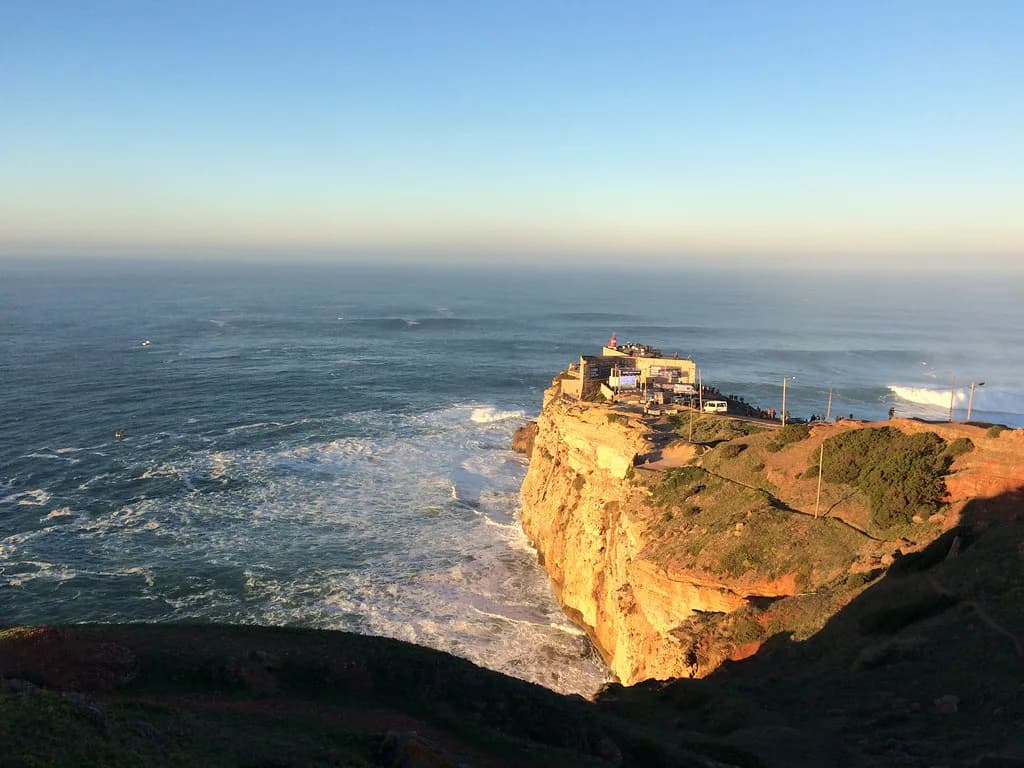
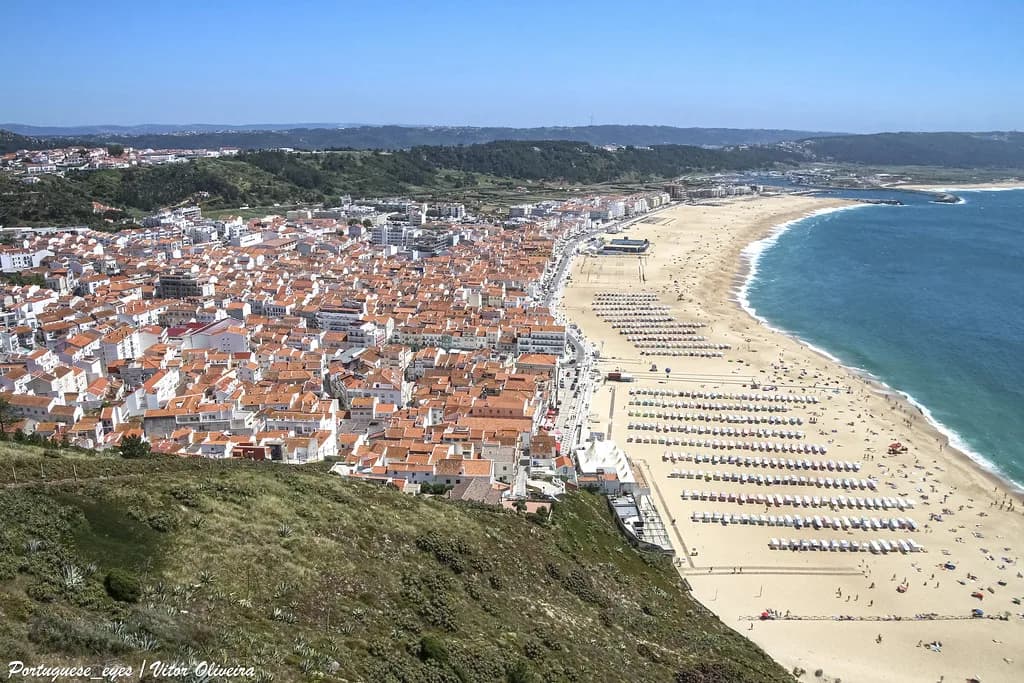
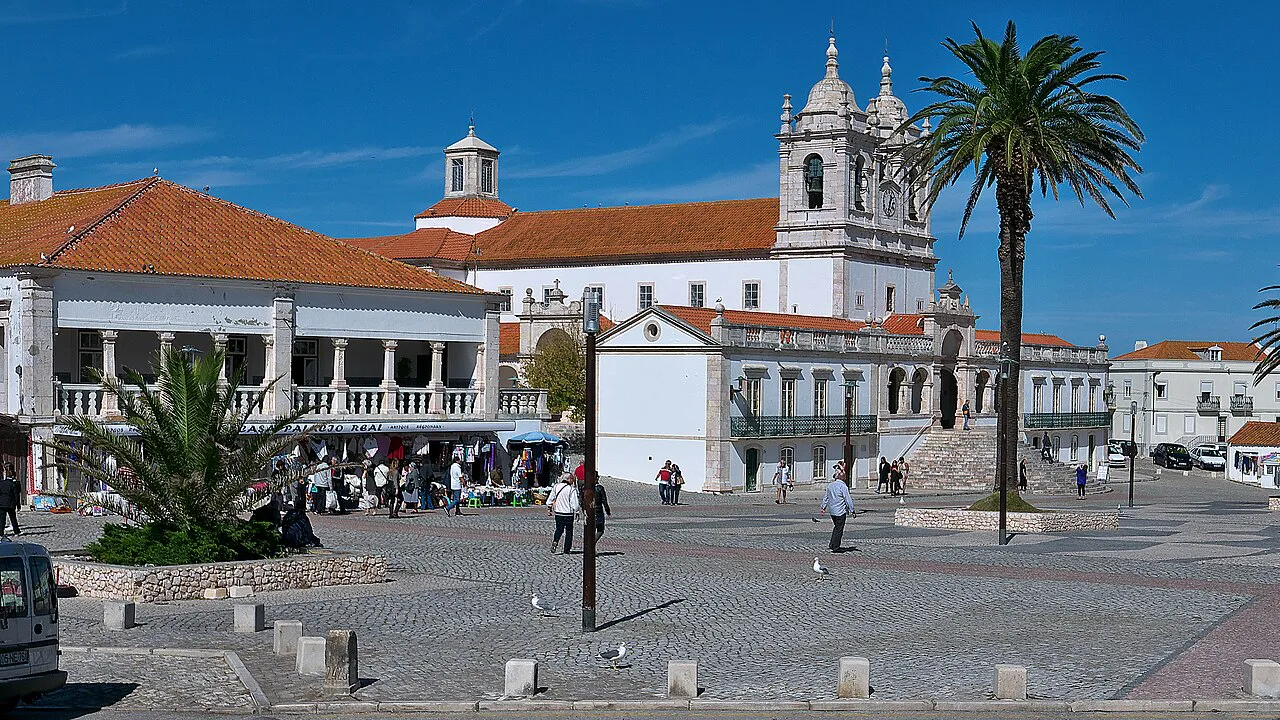
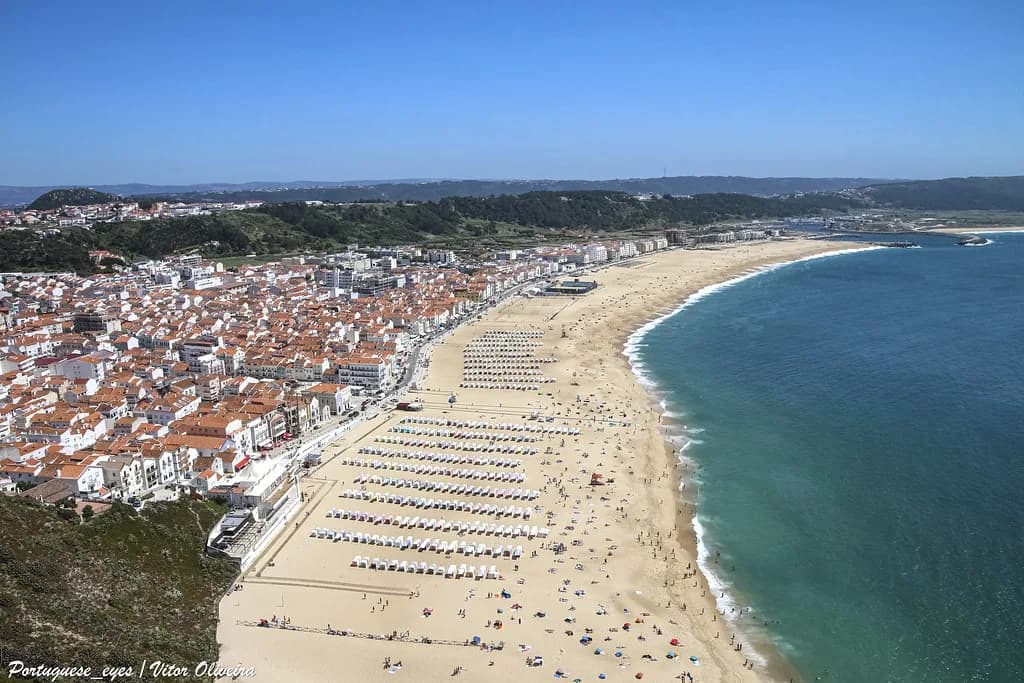
The museum-style stops divide into two areas. Down in the town you have the old-town streets of Nazaré Velha behind the main beach, with the fishing heritage collections close by. Up on the clifftop, reached by road, steps or the funicular from the beach, sit the Ermida da Memoria chapel, the sanctuary of Nossa Senhora da Nazaré, and the Forte de São Miguel Arcanjo with the Farol da Nazaré on the same headland above Praia do Norte.
Allow roughly half a day for the lot, and be honest with yourself about scale: none of these is a national museum with galleries to lose an afternoon in. The pleasure is in the setting and the stories, not in the square metres. If you want the town's layout explained before you commit, our Nazaré old town walk sets out the streets between the beach and the lower town.
Forte de São Miguel Arcanjo and the Surfer Wall
The Forte de São Miguel Arcanjo is the reason to put a museum stop in your Nazaré plan. Inside the fortress, the Surfer Wall holds 35 boards ridden by big-wave surfers at Praia do Norte, among them Garrett McNamara, Maya Gabeira, Sebastian Steudtner and Pedro Scooby, whose donated board started the collection. The fort is open daily from 10.00 to 20.00, with last entry at 19.30, and admission costs €1, free for children under 10.
Budget 30 to 45 minutes for the boards, the ramparts and the view over the water, and rather more if the surf is up. Outside, the headland gives you a direct line on the waves that made these boards famous. Our guide to the Nazaré big waves explains what to look for when you are standing there.
Opening hours at the fort and what the daily window means for your day
The fort's 10.00 to 20.00 daily window is generous by Portuguese museum standards, so it works at either end of the day. Last entry at 19.30 means you cannot squeeze in a look after an evening meal, so put the fort before dinner rather than after. Arriving mid-morning also avoids the crowds that build up on the headland around midday.
With the fort as your fixed point, treat everything else as a bonus. The clifftop chapels and the sanctuary keep their own hours, which you should check locally on the day, at the door or with the town's tourist information.
The Farol da Nazaré and what the lighthouse headland adds
The Farol da Nazaré sits on the cliff edge on the same headland as the fort, and the two together make one coherent stop rather than two separate trips. The lighthouse is the classic vantage point over the big-wave zone, and an adjoining museum area holds surfers' memorabilia, including boards and jet skis. Photographs of the cliff and the water from this angle are the ones you will keep.
Visit the fort first, then walk across to the lighthouse while your ticket is still fresh in your mind. If the waves are running, stay longer on the headland instead of moving on; that spectacle is worth more than any indoor exhibit in town. Our list of Nazaré viewpoints maps the other high points worth adding.
Sítio: the Ermida da Memoria, the sanctuary and the legend
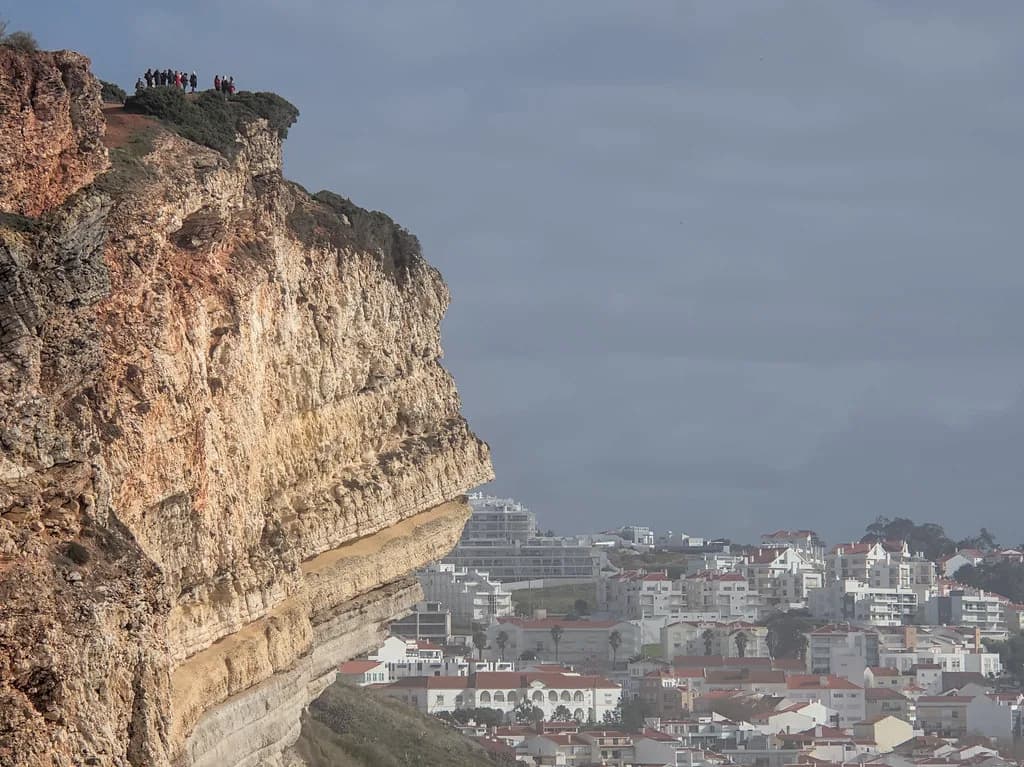
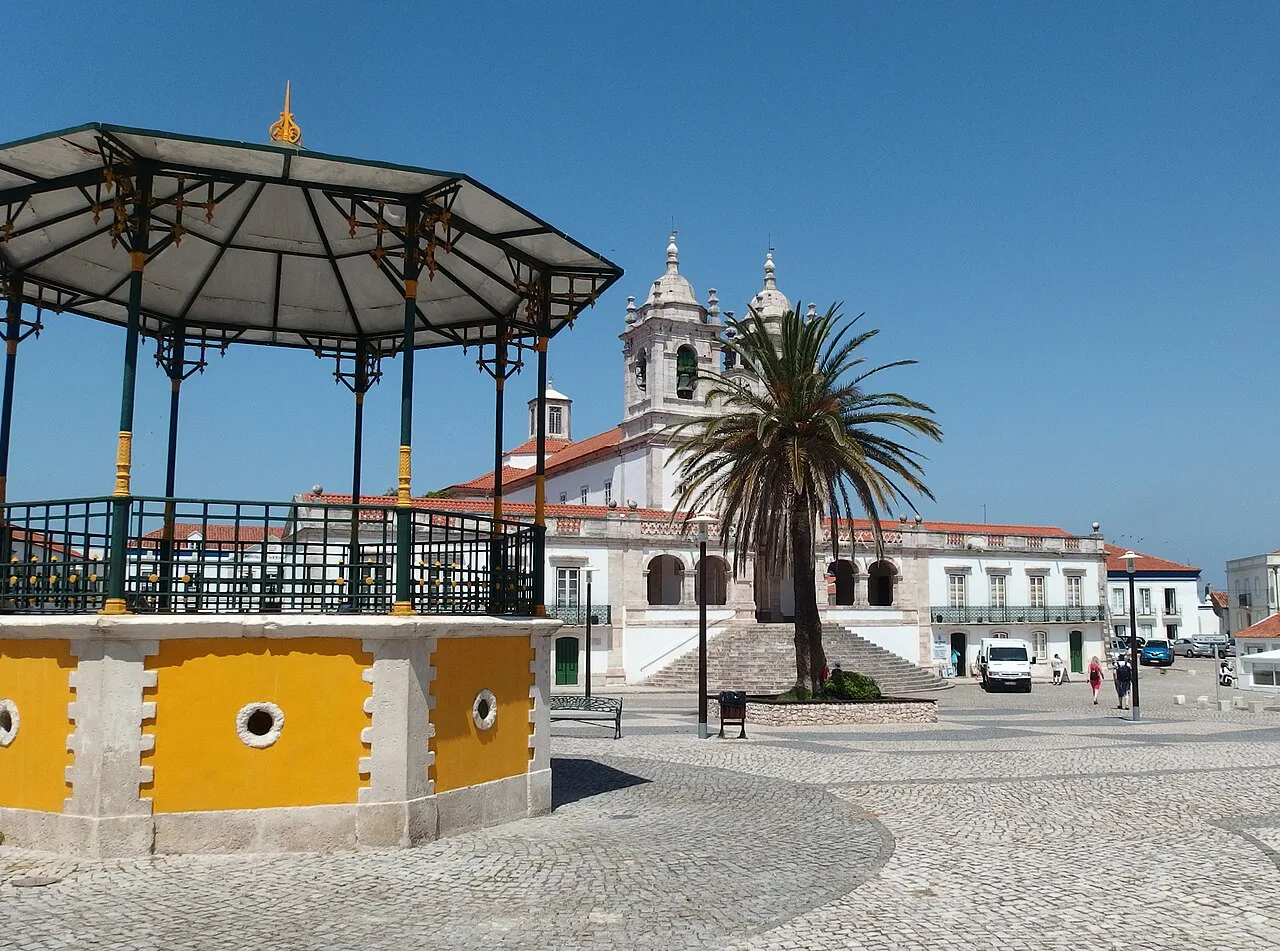
Up at Sítio, the Ermida da Memoria chapel marks the spot where, according to local tradition, a nobleman named Fuas Roupinho was saved from riding over the cliff in 1182. The story gives Nazaré its name and its devotion, and the chapel is a small, quick stop with a large view. Pair it with the Miradouro do Suberco, which looks straight down on the beach and the town below.
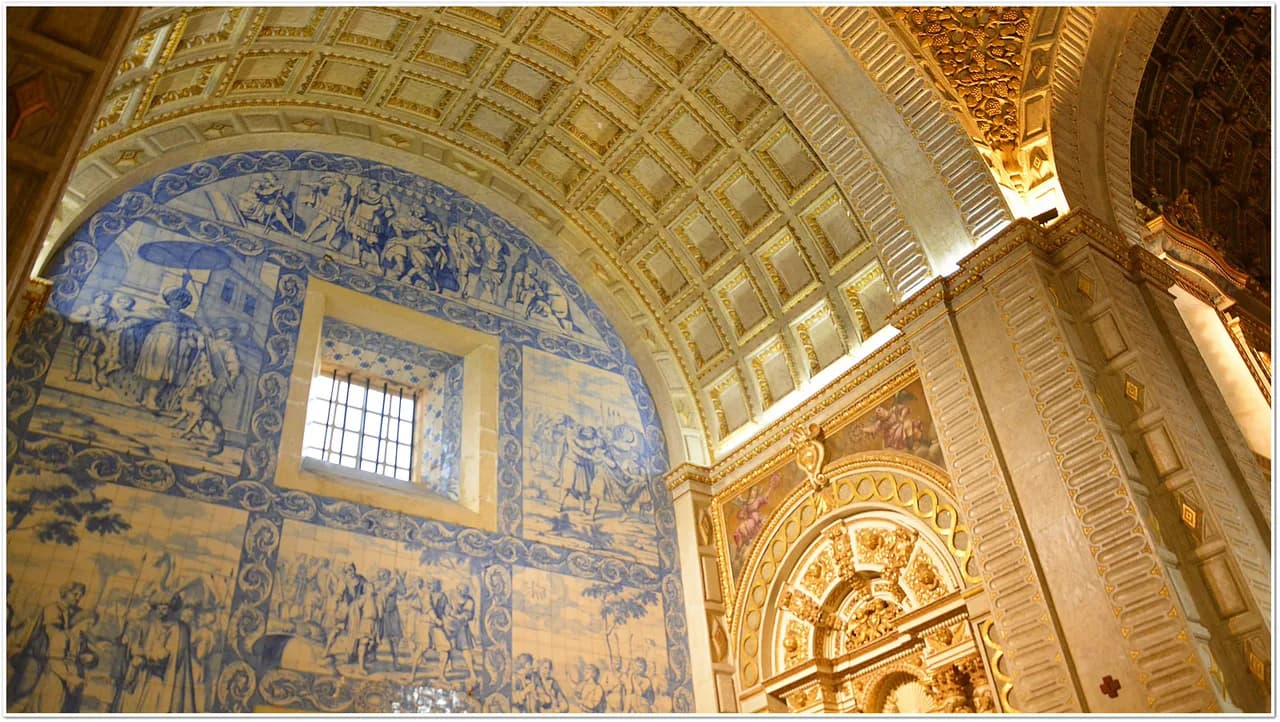
The Nossa Senhora da Nazaré sanctuary on the same clifftop is a seventeenth-century baroque church known for painted panels and tilework telling Old Testament stories, along with the statue of Our Lady of Nazaré. Give the interior 20 to 30 minutes if you like church art; skip it if you are short of time, since the fort and the headland carry the day. Our guide to churches in Nazaré covers the rest of the town's religious buildings.
The sun-dried fish museum and Nazaré's fishing trade
The sun-dried fish museum explains the trade that built the town, from the boats on the sand to the drying racks that once lined the shore. It is a modest, local collection rather than a polished attraction, and it suits anyone who wants the fishing story behind the beachfront. Allow 20 to 30 minutes and check the door for current opening times when you arrive.
If the museum is shut, the same story is visible on the seafront, where the traditional boats still sit. The fish market side of town rewards a wander too, and our Nazaré market guide explains what happens there.
The funicular up to Sítio
The Nazaré funicular climbs from the beach to Sítio in a couple of minutes, and it is the sensible way to link the lower town with the clifftop sights. Ride up in the morning and walk down afterwards, so you get the views on the descent without the climb. Confirm the fare and running times at the lower station, since these vary.
Alternatively, walk up from the seafront at an easy pace; the roads and steps are signposted from the beach. The climb is worth it once; the funicular is worth it on the way back up if you are carrying bags.
Getting between the seafront, the fort and Sítio
The geography is simple enough to plan on foot. The fort and the lighthouse share the headland above Praia do Norte and a few minutes' walk apart. Sítio is the outlier down the coast and lower: reach it by the funicular or the uphill walk, not a stroll from the fort.
A clean half-day looks like this: fort and Surfer Wall first, lighthouse second, then the funicular down to the chapel, sanctuary and viewpoint at Sítio. Keep the cliff photos for the morning light and put the greatest climb in the coolest part of the day.
How to order a museum morning or afternoon around lunchtime closures
Many Portuguese churches shut their doors over the lunch hour, so front-load the indoor stops and keep the outdoor headland for the middle of the day. Do the fort and the sanctuary before one o'clock, then take the lighthouse and the viewpoint while everything else is closed. The fort's continuous 10.00 to 20.00 day makes it the flexible piece you can move if plans slip.
An afternoon version also works: fort at 15.00, lighthouse at 16.00, funicular up at 17.00 and the sanctuary before it shuts. Either way, leave the old-town wander for the evening, when the streets behind the beach are at their best.
What to skip if you only have one day in Nazaré
With a single day, do the Forte de São Miguel Arcanjo, the lighthouse headland and the Sítio cluster, and drop the fishing and surf side collections unless the weather turns. Those three give you the town's two great subjects, the waves and the devotion, in the space of a morning. Add the seafront and one long lunch and the day is full.
If you are here for the surfing rather than the sightseeing, spend the time on the headland instead and read up on surfing in Nazaré before you go. A boat trip is the other way to see the cliffs and the canyon from the water, and our Nazaré boat trips page sets out the options.
Which Nazaré museum should you build your day around?
Build it around the fort. The Surfer Wall, the cheap entry and the long daily opening window make the Forte de São Miguel Arcanjo the one stop worth arranging your day around, with the lighthouse headland and the Sítio chapels as the natural pairings.
If you have time for a second layer, add the sanctuary and the fishing heritage collection; if not, the view from the headland does most of the work. Start with our Nazaré attractions hub to see how the museums fit with the rest of the town.
Explore more Nazaré guides
Frequently Asked Questions
How big are the waves at Nazaré?
Praia do Norte produces giant waves, and boards ridden there are displayed in the fort's Surfer Wall. Record rides include Sebastian Steudtner's 26.21-metre wave in 2022 and Rodrigo Koxa's 24.4-metre wave in 2017, but the size on any given day varies with swell and season, so watch the conditions rather than expecting a set height.
Is it safe to swim at Nazaré?
The main Praia da Nazaré beach is the swimming side of town; Praia do Norte is a big-wave zone, not a bathing beach. Watch the flags and lifeguard signage on the day rather than assuming conditions, and keep well back from the water at the north beach when the swell is running.
When is the best time to visit Nazaré?
Big-wave season runs through the winter months from October to March, which is when the headland at Praia do Norte is at its most dramatic. Summer brings calmer water and easier walking between the seafront, the fort and Sítio, and the fort stays open daily through both seasons.
Sources
Notes for your next Portuguese break
Optional updates to our town guides.
You might also like
Continue reading
More guides you'll find useful