Nazaré Old Town: What to See and How to Walk It
Nazaré old town is the fishing quarter below the Sítio cliff. Here's what to see on foot, how the two halves of town connect, and how long it takes.
On this page
Nazaré old town takes about two to three hours on foot, and the walk only makes sense when you treat the seafront quarter and the clifftop Sítio as one outing joined by a funicular or a steep climb. The lower town is the working fishing settlement of narrow cobbled streets behind the beach, while Sítio sits high above it and looks straight down over the rooftops and out to the Atlantic. This guide covers the layout, a walking route, the funicular decision and how long to allow.
Nazaré has grown famous through big-wave surfing, but the historic core repays attention for a different reason: it is still a fishing town at heart, with seafood, traditional boats and a slow, unpretentious atmosphere that the surf crowds have not displaced. Come expecting a compact, low-key place rather than a museum town, and you will enjoy it far more.
What the old town is and where it sits
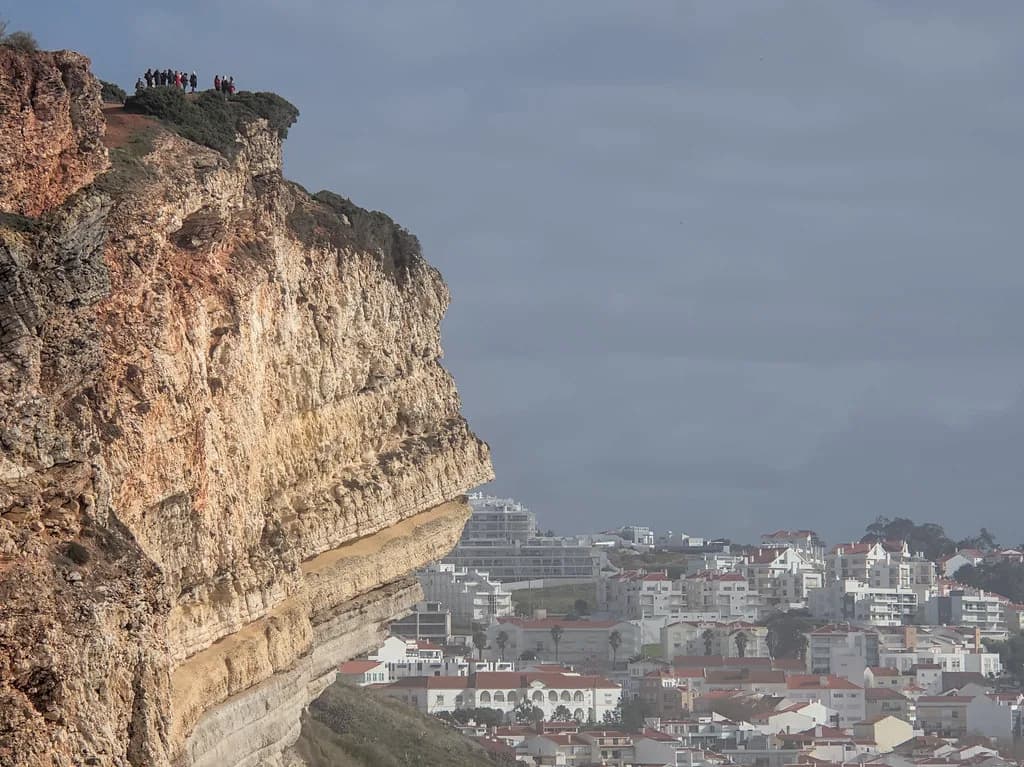
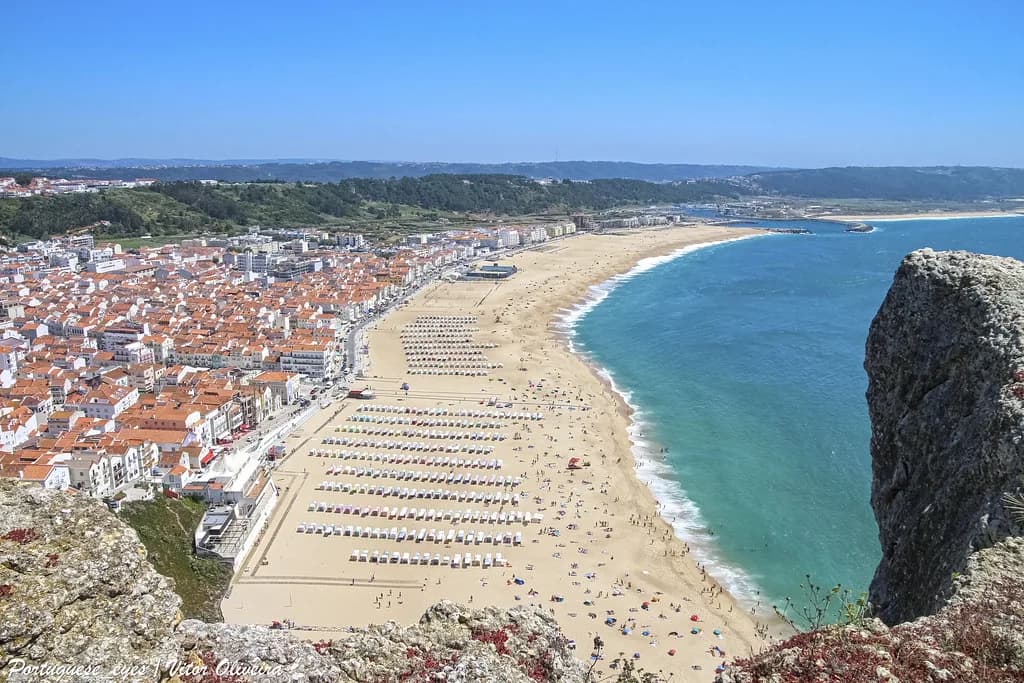
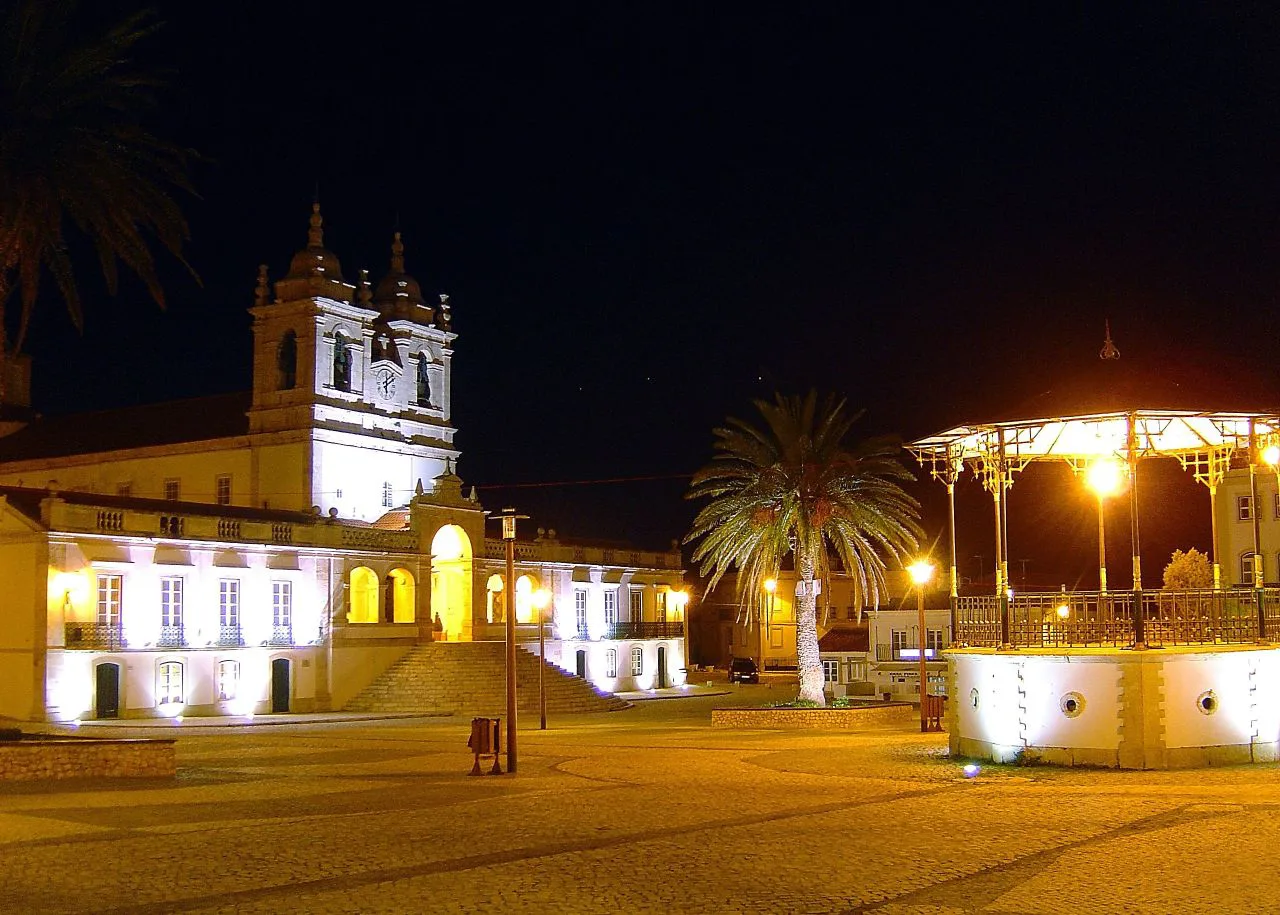
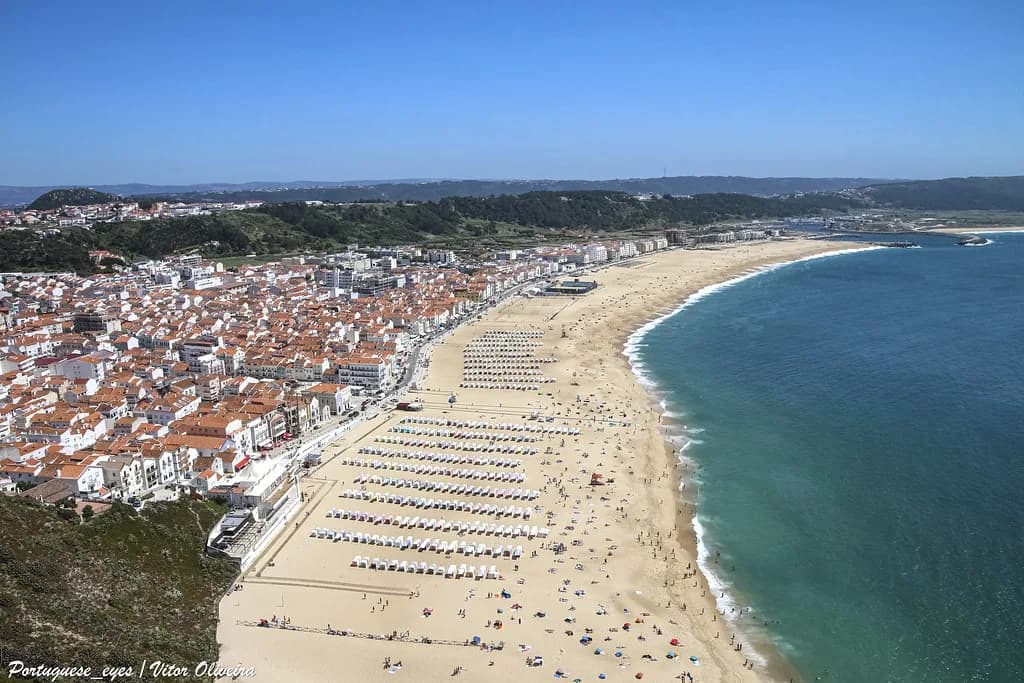
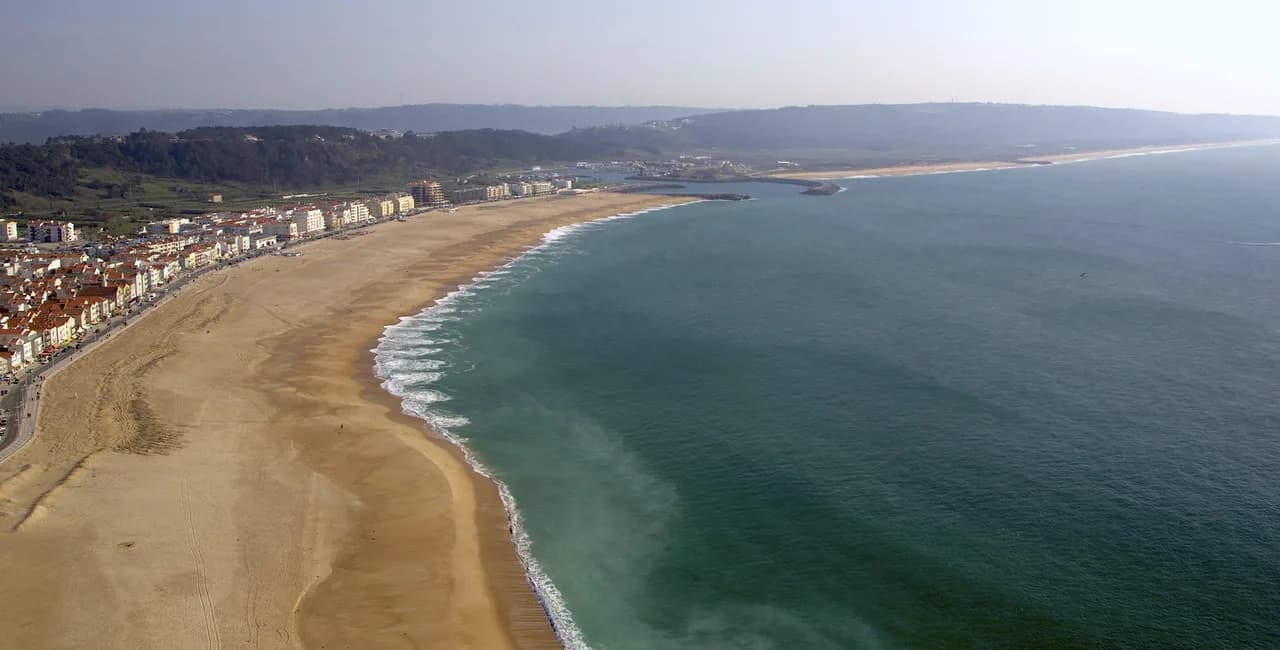
Nazaré Velha, the old town, occupies the flat ground at the foot of a tall cliff on Portugal's Atlantic coast, roughly halfway between Lisbon and Porto. The main beach, Praia da Nazaré, runs along the front of this lower town, and the fishing quarter's streets climb gently away from the sand towards the base of the cliff.
Above it all is Sítio, the clifftop district reached by a funicular or a stiff walk, and beyond that headland lies Praia do Norte, the north beach where the giant winter swells break. The two halves of town are not separate trips: you walk the old streets below, then go up for the view back over what you have just covered.
Lower town and Sítio: which side to start on
Start in the lower town. The streets are flat enough to wander without effort, and being at sea level lets you read the shape of the place before you look down on it. Walk the seafront, duck into the side streets behind the beach and get a feel for the scale before heading up.
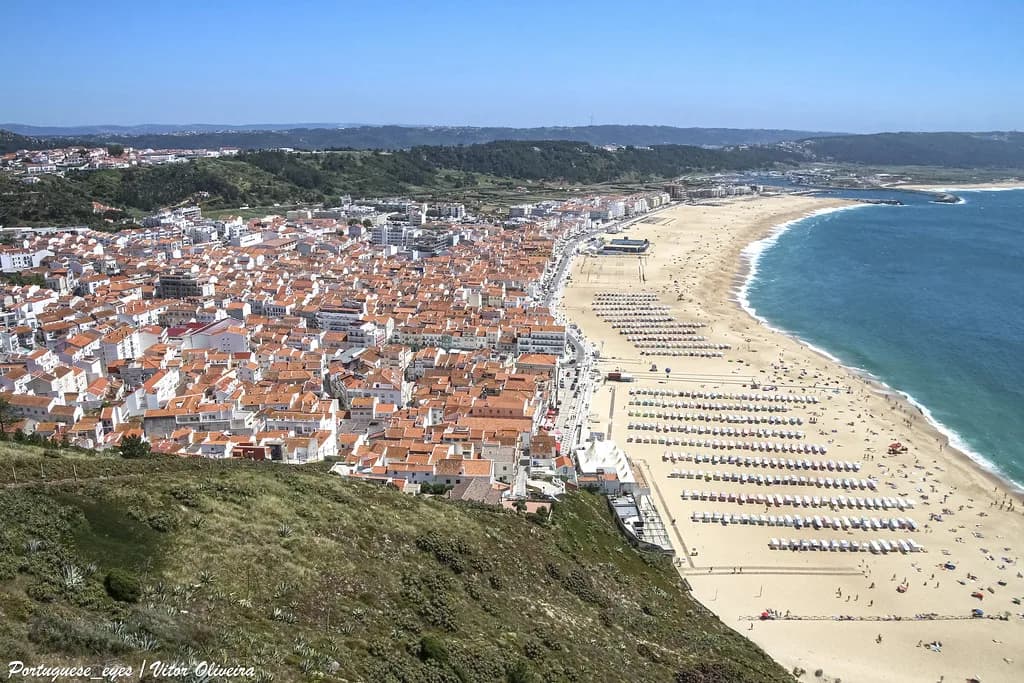
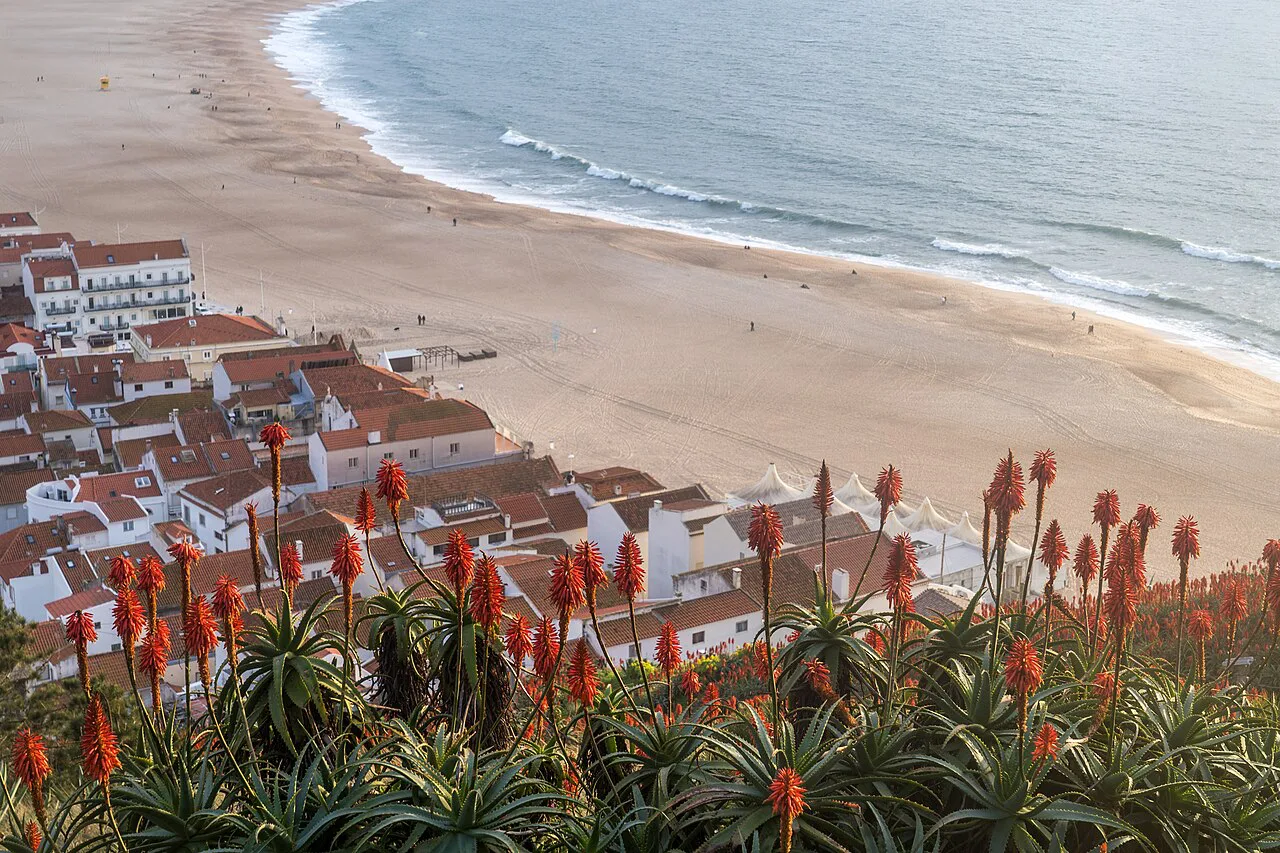
The climb to Sítio is the reward rather than the main event, so save it for the second half of your visit. Sítio's cliff edge gives the classic view over the old town's roofs and beach, and it is the natural place to finish before heading on to the lighthouse and north beach if the surf is running.
A walking route through the old town
Begin on the seafront and work inland through the narrow streets, watching for the fishing paraphernalia and traditional boats that mark this out as a working harbour rather than a resort. The streets are compact and easy to loop through, so there is no need for a rigid plan: pick a direction, follow the lanes and come back along a different line.
From the back of the old town, the funicular links the lower level with Sítio in a few minutes. If you would rather walk, the road up is steep and exposed, so it is a fair-weather option best taken slowly. Either way, the clifftop is where the walk ends.
Allow a short stop at the top for the view and a look along the cliff path, then decide whether to continue to the lighthouse at Praia do Norte. On a clear day that extension is the better half of the outing; in poor weather, the lower town alone will fill your morning.
The funicular between lower town and Sítio
The funicular exists to save you the climb, and that is the whole decision: ride it if you are short of time, travelling with people who cannot manage a steep hill, or simply want to spend your energy on the clifftop instead. Walk up if the weather is dry and you have the legs for it, because the route gains height quickly and the views open out as you go.
Fares and running times vary, so check at the station rather than planning around a timetable you found online. Treat the funicular as a convenience rather than an attraction in its own right, and you will not be disappointed either way.
Sítio: the clifftop view over the old town
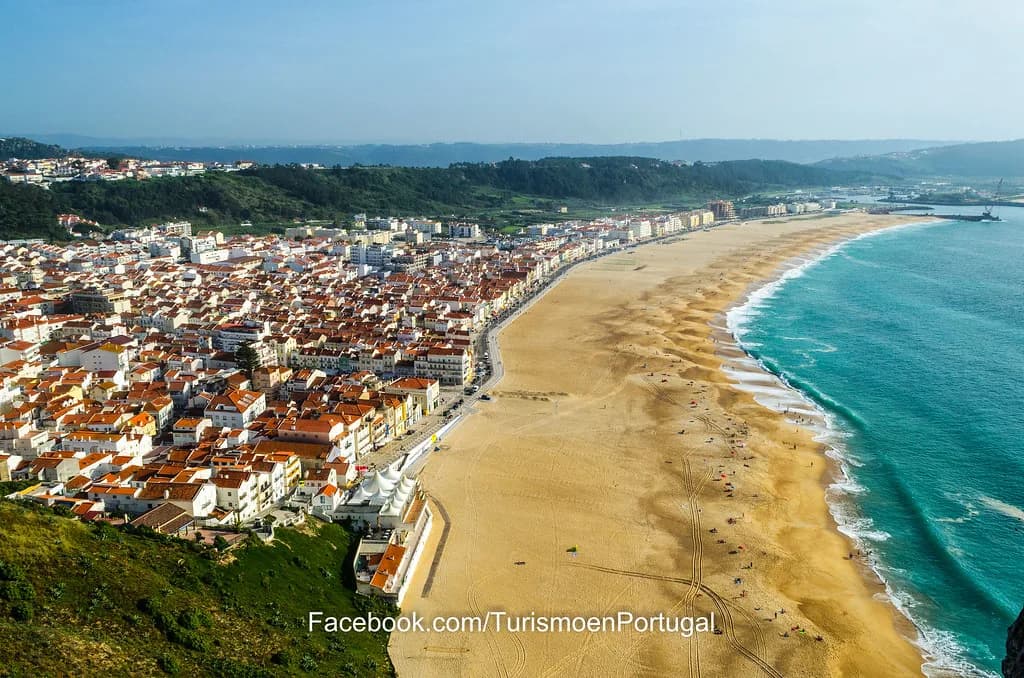
Sítio's great draw is the view: the whole lower town spreads out below, with the beach curving away and the Atlantic beyond. It is the single best place to understand how Nazaré fits together, and the reason the climb or the ride up is worth doing even if you have no interest in surfing.
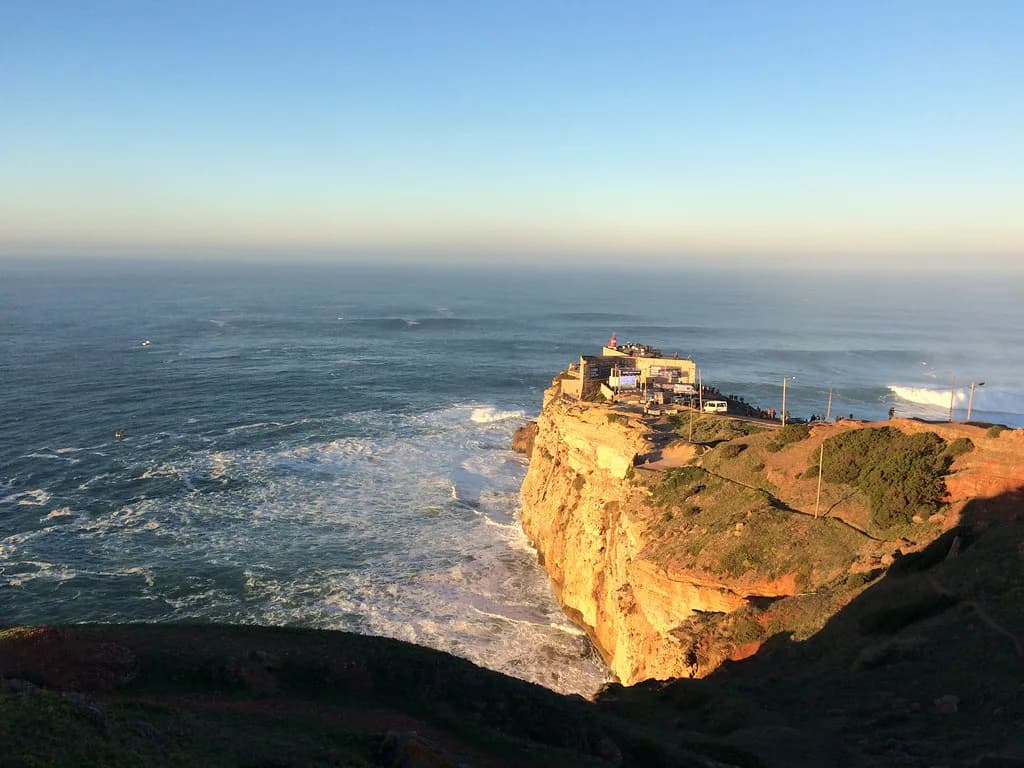
The clifftop also puts you on the doorstep of Praia do Norte, where the big-wave spectacle happens in winter. From the Sítio edge you can see the north beach and, on a swell day, the surfers and safety crews working the water.
The lighthouse and the big-wave viewpoint
At Praia do Norte the Farol da Nazaré lighthouse stands above the beach and serves as the natural viewing point for the big-wave show. It is where spectators gather when the winter swells arrive, and where the scale of the waves becomes obvious against the people on the sand.
The waves are a winter phenomenon, not a year-round guarantee: the strongest swells are associated with the colder months, when Atlantic storms send the biggest sets into the canyon offshore. Treat any sighting as luck rather than schedule. The reported history here includes Garrett McNamara's record-breaking ride, later surpassed by other surfers, and the town's reputation grew from that media attention.
If you came for the surf rather than the streets, plan your visit around the swell season rather than the town itself, and be prepared to watch from the cliff rather than the beach. If you came for the old town, the lighthouse is a short extension on foot from Sítio and worth the extra twenty minutes.
Nazaré's fishing heritage in the old streets
The old town's character comes from the fishing fleet and the families who worked it, and that identity shows in the boats, the drying racks and the small shops tucked into the lanes rather than in any single monument. Look at the street level rather than hunting for a museum: the working harbour is the exhibit.
The town's history is one of a modest fishing village that became a global surfing destination in a matter of decades. That shift is recent enough to be visible on the ground, with old boats and new surf shops sharing the same streets.
Eating in the old town
Eat seafood: the town's fishing background means fresh fish is the default, and percebes, the goose barnacles harvested from the rocks, are a local speciality worth trying if you have not had them before. Expect small, plain tascas rather than polished restaurants, and simple preparations of grilled fish and shellfish.
Restaurants here are modest in size, and the old town is busy in summer and during the big-wave season, so eating slightly outside the peak hour makes for an easier meal. Menus and prices are best checked at the door, and a personal recommendation from wherever you are staying will often beat a search online.
How long the old town needs
Give the old town itself two to three hours, and treat the climb to Sítio and the walk to the lighthouse as extra. That makes a comfortable half-day, or a full day if you add beach time and a proper lunch. It is a small place, and padding it into a full day of sightseeing would be a stretch.
Pair the old town with the beach on a warm day, or with the clifftop and lighthouse if the surf is up. The two halves work best as one half-day rather than two separate outings, since the funicular or the walk connects them in minutes.
Where to stay if you want to walk everywhere
The old town is small, so any central spot puts the seafront, streets and funicular within an easy walk. Staying close to the beach means the sea is at the end of your street, while staying nearer the cliff base shortens the climb to Sítio. Either way, you will not need a car to see the historic quarter.
In wave season the town fills up, so book well ahead if your visit coincides with the winter swell. Outside those months, availability is easier and rates are generally kinder.
Is the old town worth the stop?
Yes, if you treat it as a half-day walk that includes the clifftop rather than a standalone attraction. The streets themselves are modest, but pairing the fishing quarter with the Sítio view and the lighthouse at Praia do Norte gives you a proper day out on the Atlantic coast.
If you only have an afternoon, do the lower town and the funicular up to Sítio and skip everything else. If you have a full day and the weather holds, add the walk along the cliff to the lighthouse.
Explore more Nazaré guides
Sources
Notes for your next Portuguese break
Optional updates to our town guides.
You might also like
Continue reading
More guides you'll find useful