
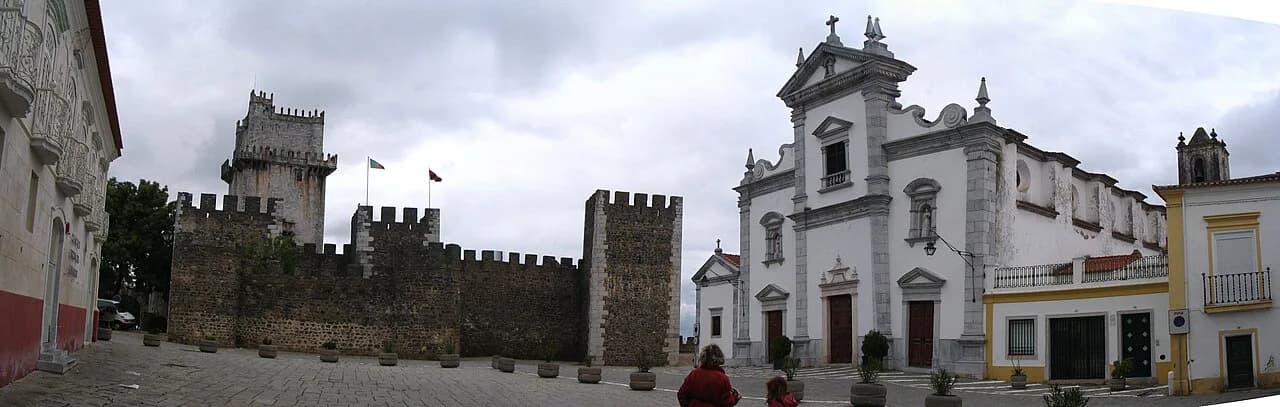
Beja, Portugal: What to See on a Short Alentejo Break
Plan a one or two day break in Beja, Portugal, with the castle keep, cathedral, regional museum and convent, and how the old town fits together on foot.
On this page
Beja suits a one-day stop, or two if you want a slower pace, and its compact old town means you can see the castle keep, the cathedral and the main museums without a car. It is the district capital of the Alentejo and far quieter than Évora, so you trade some polish and choice for empty streets and a very authentic feel.
This guide covers what each sight is, how the centre is laid out, a walking order for one day, how to arrive from Lisbon or Faro, and what to weigh up if this is your first Alentejo trip.
What Beja is and why it suits a short Alentejo break
Beja began as the Roman settlement of Pax Julia, and layers from the Moorish period onward sit within a few minutes' walk of each other. The old town is small enough to cross on foot, with the castle on its hill as the obvious anchor and the cathedral and museums close by. The Alentejo around it is open countryside of cork oak, olives and wheat, which is why the town feels like a working regional centre rather than a tourist stage set.
How Beja is laid out: the old town, the castle hill and the streets around them
Treat the castle hill as the centre of your day and work outward: the castle and its keep sit near the top, the cathedral (Sé) is a short walk away, and the regional museum and the Convent of Our Lady of Conception sit within the same compact web of narrow cobbled streets. Because the distances are short, you can revisit a sight after a lunch break rather than rushing it. The old town does quieten in the early afternoon, so plan indoor sights for the hottest hours and keep the walking for morning and late afternoon.
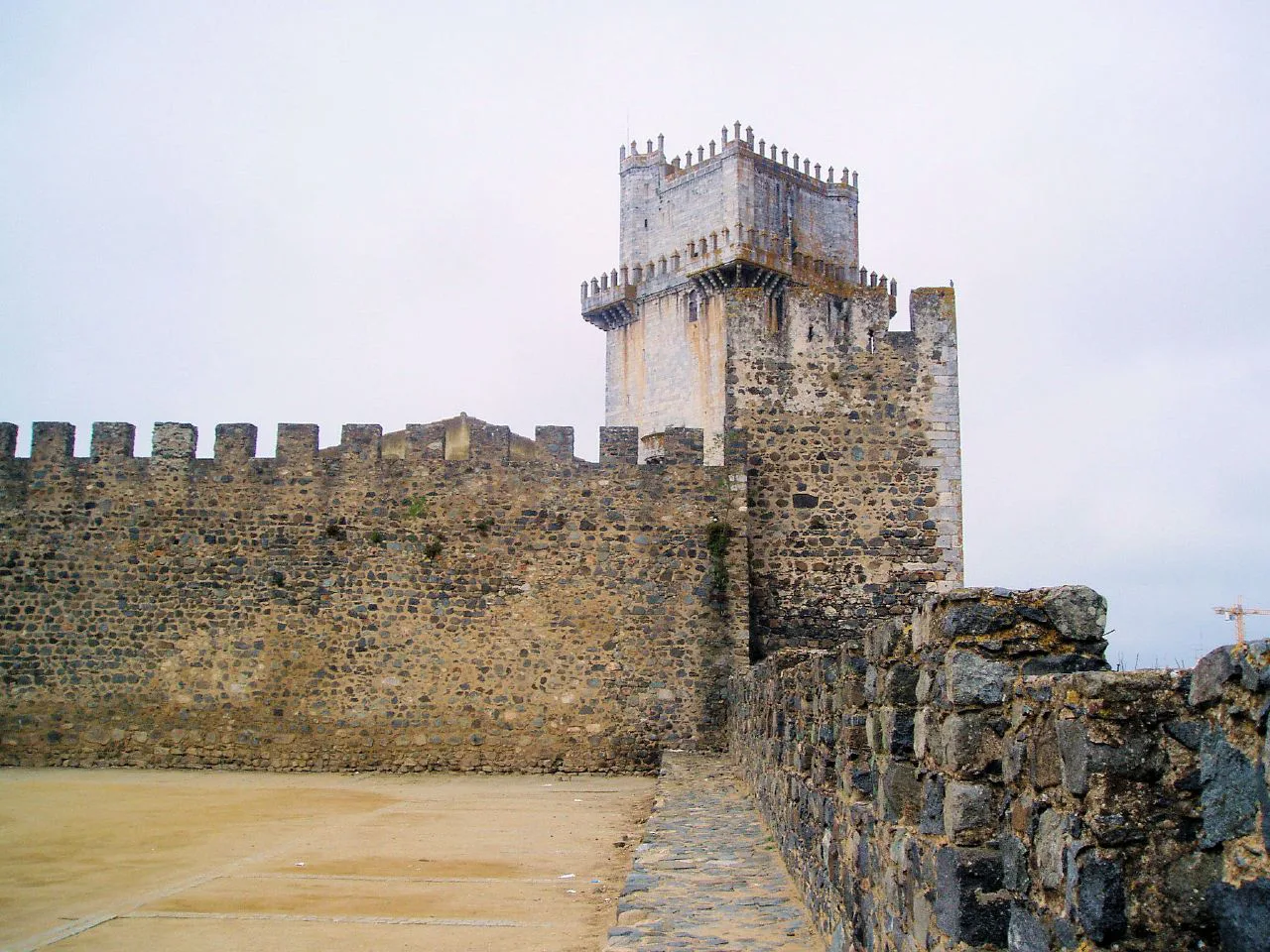
The Castle of Beja: the keep, the walls and the views over the Alentejo
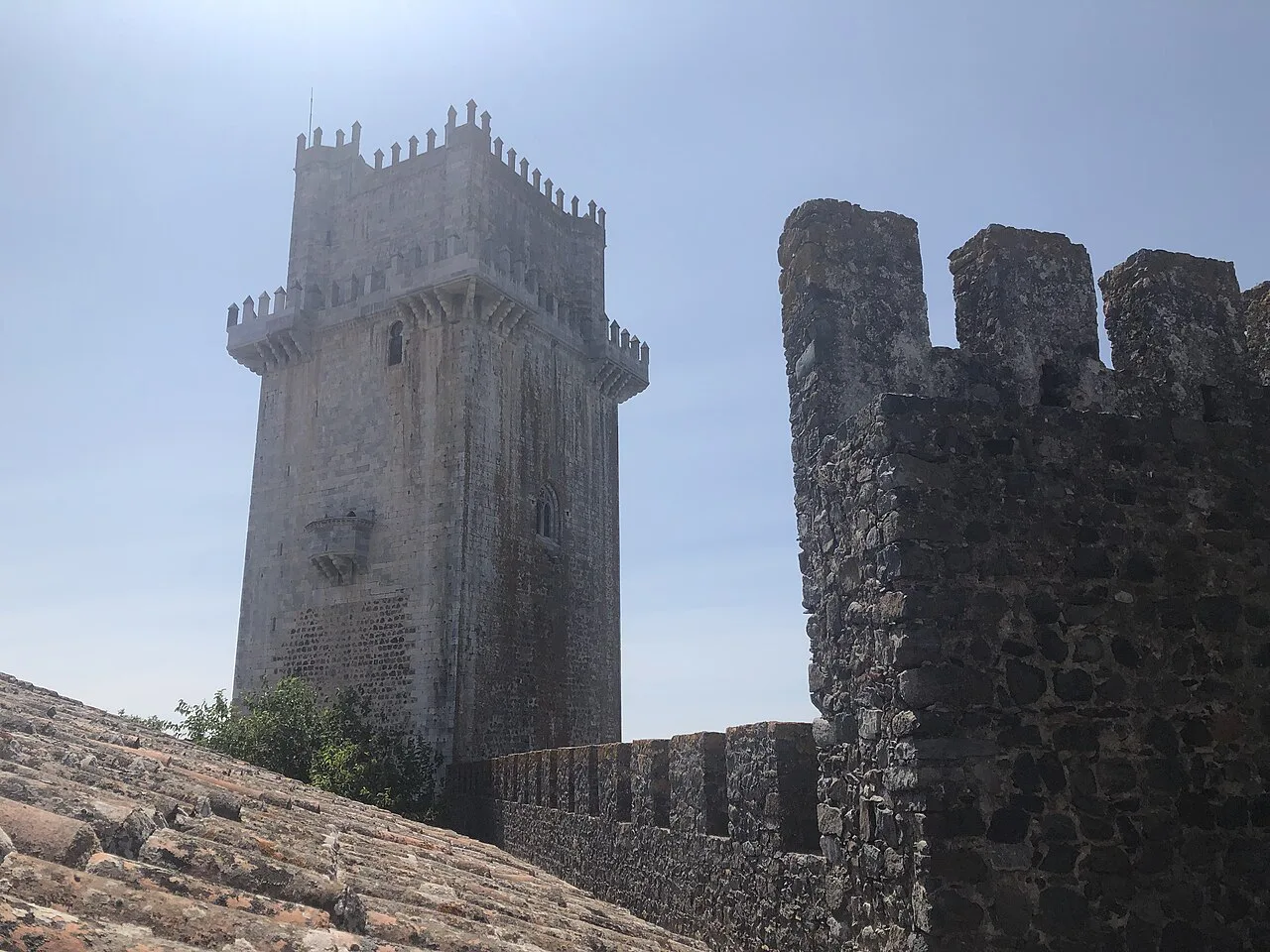
The Castle of Beja is the sight that justifies the trip, with a keep you climb for wide views over the Alentejo plain. Its origins go back to the Moorish period and it has seen medieval battles and long peaceful stretches since. The climb is the trade-off: the reward is the panorama, and the cost is weathered steps that ask for reasonable footwear.
The keep is also the best place to get your bearings before you walk the old town, so start here. For a sense of how Beja sits among the region's other towns, see the best towns in the Alentejo.
Beja Cathedral (Sé) and the surrounding squares
Beja Cathedral, the Sé, is the building that sits close to the castle and gives the old town its second landmark. It is a working cathedral rather than a museum piece, so visit it as part of the street walk rather than as a separate excursion. Pair it with a slow loop through the surrounding squares and lanes, where the cobbles and low whitewashed fronts do most of the work.
Beja Regional Museum (Museu Regional de Beja) and what is inside
The Beja Regional Museum is the indoor counterweight to the castle, holding collections that trace the town's long history from its Roman and Moorish layers onward. It is the natural choice for the hot middle of the day, when the streets empty and the sun is at its strongest. Give it a proper hour rather than squeezing it in before lunch.
The Convent of Our Lady of Conception (Convento de Nossa Senhora da Conceição)
The Convento de Nossa Senhora da Conceição is the other essential stop, a convent complex that adds a quieter, more enclosed note to the day after the open views from the castle. Its scale and mood make it the obvious pairing with the regional museum for an indoor afternoon. Visit the two together so you are not criss-crossing the centre.
Church of Santo Amaro and the Convent of Saint Francis
The Church of Santo Amaro and the Convent of Saint Francis round out the ecclesiastical sights and are worth folding into the walk if you have a full day. They are smaller draws than the castle or the Sé, so treat them as additions rather than fixed appointments. If time is short, keep them for a second morning.
Beja Public Garden and the Botanical Museum of the Polytechnic Institute
The Beja Public Garden offers shade and a slower pace, and the Botanical Museum of the Polytechnic Institute of Beja adds a different kind of collection to the day. These are pleasant rather than unmissable, so use them as the late-afternoon breather after the castle and museums. They also suit a spare half-day if you are staying two nights.
How many days Beja needs, and what to do with a spare half-day
One full day covers the castle, the Sé, the regional museum and the convent at a comfortable pace. A second night earns you a gentler morning for Santo Amaro, Saint Francis, the public garden and the botanical museum, plus time to sit in a square without checking the clock. Beja's low visitor numbers make that second day worthwhile rather than padding.
A walking order for one day in Beja
Start early at the castle, climb the keep while it is cool and the light is clear, then walk down to the Sé and the surrounding streets. Take the regional museum and the Convento de Nossa Senhora da Conceição through the hot middle of the day, and finish with Santo Amaro, Saint Francis or the public garden as the afternoon eases. The order matters more than the pace, because it keeps you indoors when the town goes quiet.
Getting to Beja by train, bus or car from Lisbon or Faro
Beja has Portugal's largest airport, but it is not used for passenger flights, so arrivals come through Lisbon or Faro. Trains connect Lisbon's Oriente station with Beja through the Alentejo countryside, and direct buses run from both Lisbon and Faro. By car, the route from Lisbon crosses the Vasco da Gama Bridge and follows the A2 before joining the A26 at Grândola, while from Faro you take the A22 and switch to the A2 at Paderne before the E802 to Beja. Check the operator's current timetable before you book.
Beja is one of several towns that reward a short break in this region, and it pairs naturally with stops such as Estremoz if you are touring by car.
What Beja costs: tickets in euros and everyday spending
The castle, the Sé, the regional museum and the convent are the four fixed stops in a single day, and the practical cost of the visit is modest next to a day in Lisbon or Porto. Because entry conditions differ from one venue to the next, it is worth checking each one as you plan the walking order rather than assuming a single ticket covers the old town.
Heat, siesta hours and timing your day
Beja has a reputation as one of the hottest places in Portugal, which shapes the day more than any opening time. In midsummer the streets empty in the early afternoon, so follow the local rhythm: outdoor sights in the morning, indoor sights through the heat, and the old town again in the evening. Carry water and plan the castle climb for the coolest part of the day.
Honest trade-offs: Beja against Évora for a first Alentejo trip
Évora is the polished, busy version of the Alentejo, with more restaurants, more visitors and a longer list of sights, while Beja gives you a comparable core of castle, cathedral and museums with far fewer people. For a first trip with limited time, Évora is the easier sell; for a second visit or a quieter break, Beja is the better fit, and the two combine well on a short driving loop. If you want to see how other Alentejo towns compare, the same logic applies to Arraiolos and its Tapetes de Arraiolos.
There is also a stoic, working-town quality to Beja that Évora has partly traded for tourism, and that is the honest reason many travellers prefer it. Weigh that against the smaller choice of places to eat and the thinner transport links before you commit. For how other Alentejo towns stack up, compare with the best towns in the Alentejo.
Is Beja worth the detour?
Yes, if you want a calm Alentejo day built around a castle keep, a Gothic cathedral and two absorbing museums without the crowds of Évora. Book one night, arrive in the morning, and start at the castle before the heat builds. If you are choosing your first Alentejo base, compare it with Estremoz before you decide.
Explore more Portugal guides
Frequently Asked Questions
What is Beja known for?
Beja is known for its Moorish-era castle and keep, its cathedral, the regional museum and the Convent of Our Lady of Conception, all set in a compact old town in the Alentejo. It is also known for its Roman past as Pax Julia and for being significantly quieter than Évora.
Is one day enough for Beja?
One full day is enough to see the castle, cathedral, regional museum and convent at a comfortable pace. Add a second night if you want time for the Church of Santo Amaro, the Convent of Saint Francis, the public garden and the botanical museum.
How do you get to Beja without flying?
Beja's airport is not used for passenger flights, so most visitors arrive via Lisbon or Faro. Trains run from Lisbon's Oriente station and direct buses run from both cities, while drivers use the A2 and A26 or the A22 depending on direction. Check current schedules with the operator before booking.
When is the best time of day to visit Beja's sights?
Beja is often described as one of Portugal's hottest places, so start with the castle and its keep in the morning while it is cool. Use the hot middle of the day for the regional museum and the convent, and return to the streets and squares in the late afternoon.
Sources
Notes for your next Portuguese break
Optional updates to our town guides.
You might also like



Continue reading
More guides you'll find useful





