
Côa Valley Rock Art: Museum, Guided Visits and Planning a Trip
How to see the Côa Valley rock art: what the open-air Palaeolithic engravings are, how guided visits work, and what else to see in the valley beyond the museum.
On this page
The Côa Valley is worth a full day, not an hour, and it is a two-part visit: guided tours to the open-air Palaeolithic engravings themselves, plus the Côa Museum at Vila Nova de Foz Côa, which explains what you are looking at. The engravings are among the largest groups of open-air Palaeolithic art known, and UNESCO lists the Portuguese sites together with Siega Verde across the Spanish border. This guide separates the two visits, shows how to plan around a spread-out rural valley, and names the castles and fortified villages nearby that reward an extra stop.
What the Côa Valley rock art is and why it matters
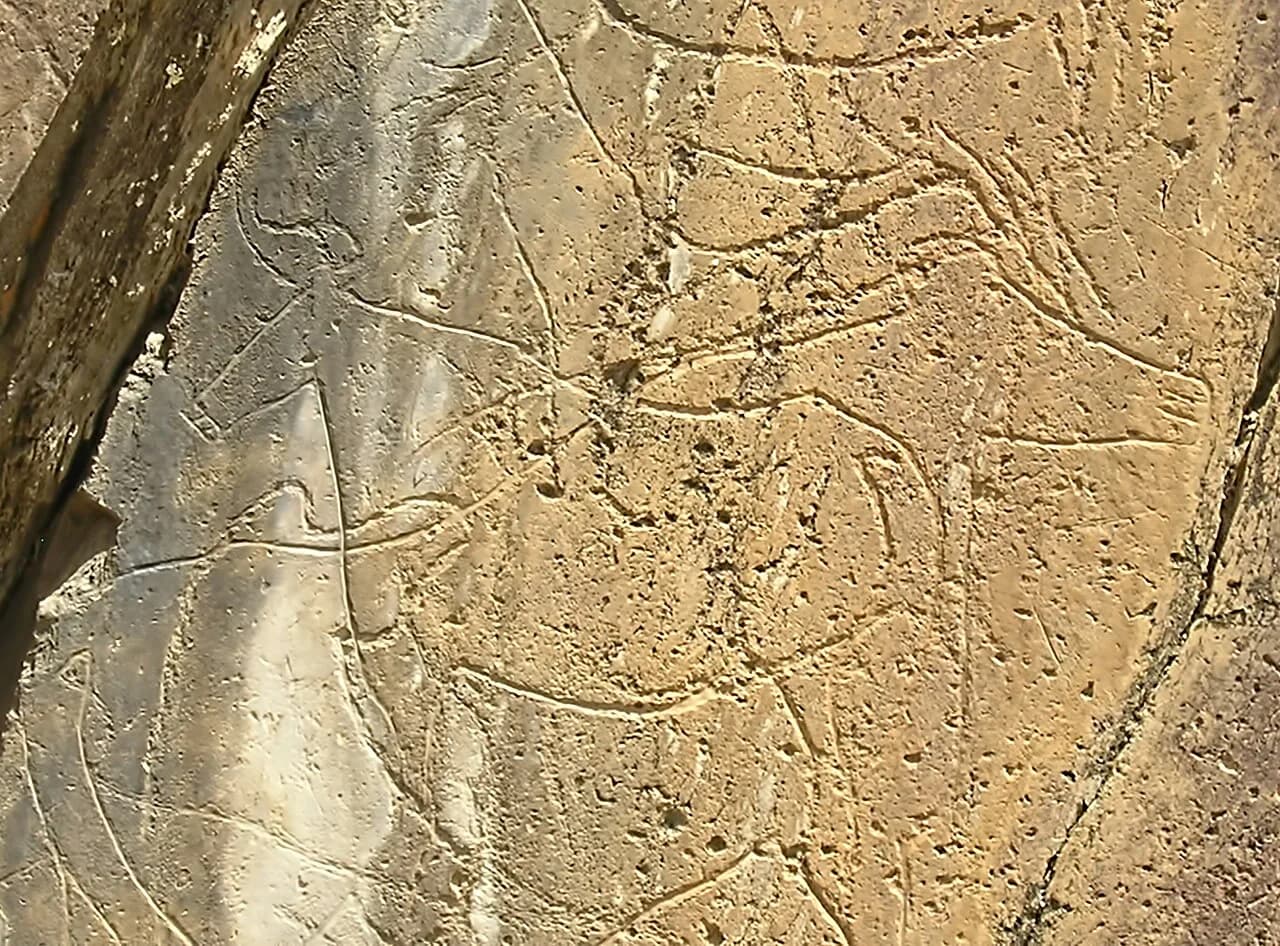
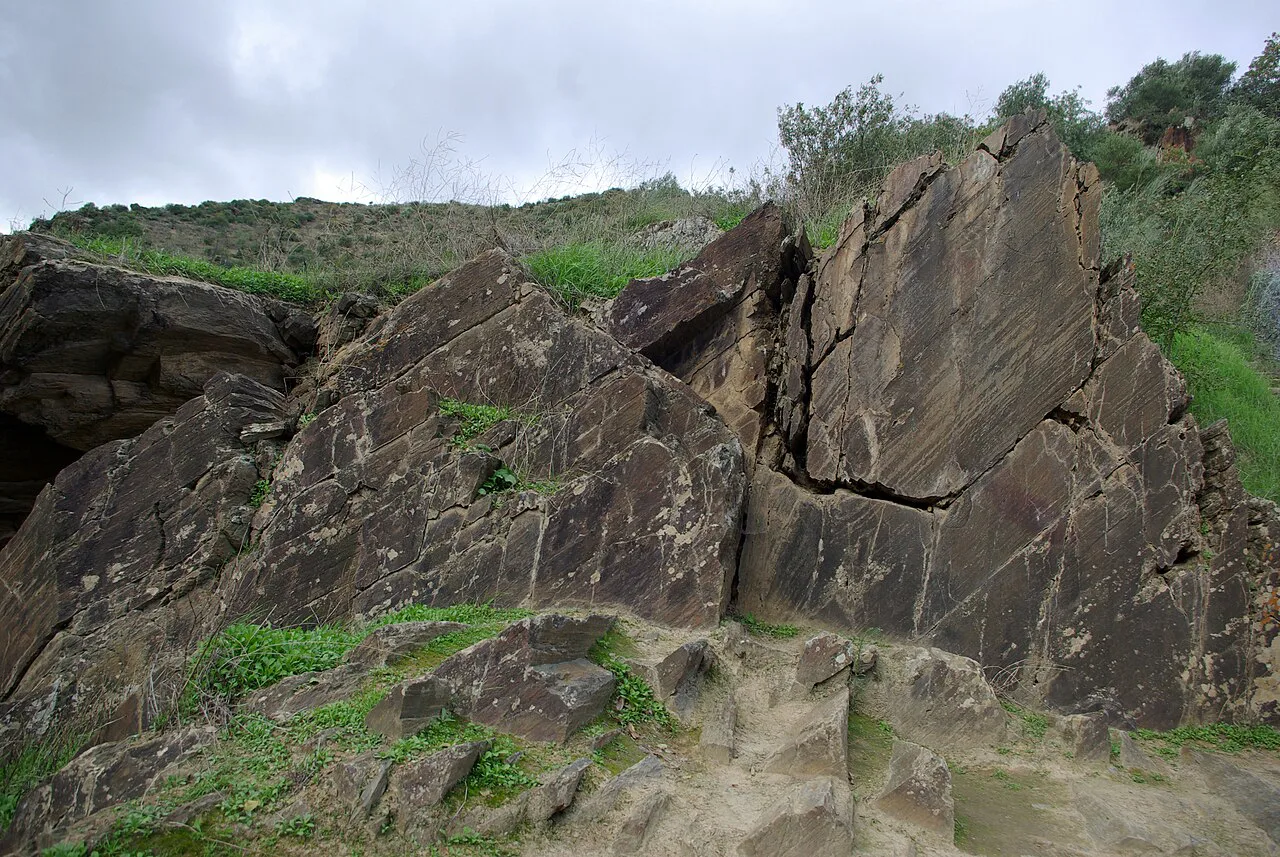
The art here was carved into the region's granite and schist, not painted in a cave, and it sits in the open along the Côa and Águeda river valleys, tributaries of the Douro. UNESCO inscribes the Prehistoric Rock Art Sites in the Côa Valley jointly with Siega Verde on the Spanish side, which tells you the scale: this is a cross-border landscape of engraved rock faces rather than a single decorated chamber.
Because the panels are outdoors and spread across kilometres of valley, the visit is not like stepping into a cave with a fixed route. You go with a guide to specific sites, and the museum exists to give context before or after that. If you have an interest in prehistory, this is the reason to build a night in the Douro interior into a northern Portugal trip; if you want a quick monument stop, the valley will feel like a detour.
Treat it as one entry in Portugal's wider list of protected places rather than an isolated curiosity: our guide to the UNESCO Sites in Portugal sets the Côa engravings alongside the monasteries, convents and fortress towns that anchor most short breaks.
Where the Côa Valley is and how the sites and museum fit together
The valley lies in north-eastern Portugal, around Vila Nova de Foz Côa, with the Côa running south into the Douro near the Douro International Natural Park. Distances between the museum, the rock-art sites and the outlying villages are rural distances, so a car makes the day far easier than relying on lifts and timetables. The Côa Parque foundation, based at Rua do Museu in Vila Nova de Foz Côa, runs both the museum and the park, which is why tickets, rules and meeting points are handled in one place.
Plan the museum and a site tour as two separate bookings and two separate blocks of time, then use the museum as your orientation before heading out to the engravings. The park publishes opening hours and prices, getting-here directions, rules of conduct and a ticket page on its own site, and those pages are the reliable place to confirm the day's arrangements.
If you are coming from the south, the Roman ruins at Conímbriga make a logical stopping point on the drive north, and the walled fortress town of Elvas Portugal suits a separate trip nearer the Spanish border.
The open-air engravings: how visits to the rock art sites work
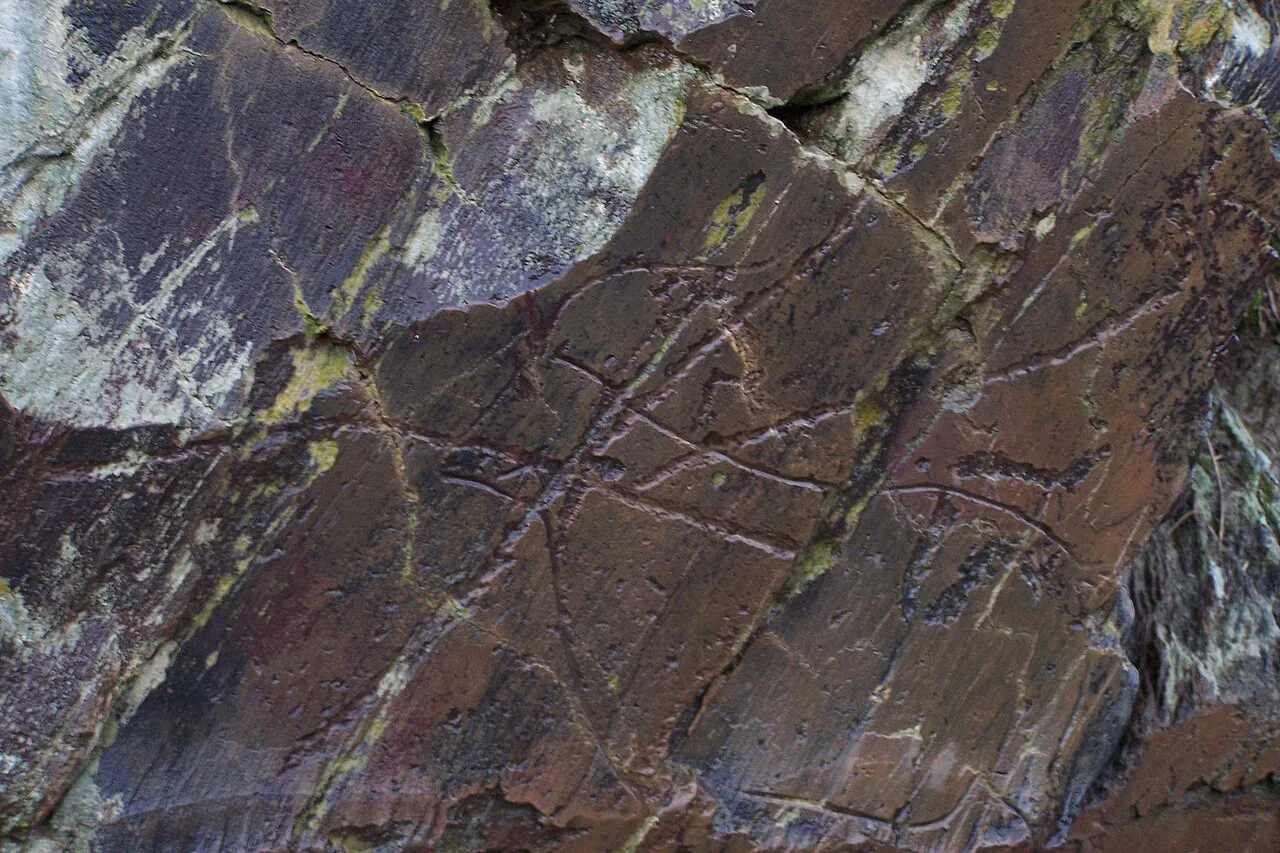
The engravings are visited with a guide, in groups, at designated sites open to the public; the park's own pages set out the sites and the conduct rules for visiting them. There are other archaeological sites in the valley beyond the engraved panels too, so the guided visit fits into a wider itinerary rather than standing alone.
Book before you travel rather than turning up and hoping. Availability is limited, the park sells tickets through its own online channel, and the practical information on hours, prices and getting here is published there rather than fixed in advance for the season. Do you need to book to see the engravings? Yes, in practice: a confirmed tour slot is what turns a valley drive into a visit.
Bring sturdy shoes and expect uneven ground, sun and wind; this is exposed river terrain, not a gallery. Photography rules, meeting points and any age or group limits are stated by the park, so read them with your booking confirmation.
The Côa Museum at Vila Nova de Foz Côa: what you see there
The Côa Museum is the modern building at Vila Nova de Foz Côa that holds the park's exhibitions and explains the engravings, the valley's occupation and the archaeology behind the UNESCO listing. It is the natural first stop of the day: an hour or two here gives you the vocabulary to read the panels when the guide points them out.
Is the museum worth visiting on its own? Yes, if you are passing through the Douro interior and cannot fit a site tour, since the museum carries the interpretation in one place. The trade-off is that you see displays rather than the rock faces themselves, so treat a museum-only stop as a taster and a site tour as the real thing.
Check the park's information pages for the museum's current hours and ticket prices before you set out; the online store is where tickets are sold.
How long you need and whether to do both the museum and a site visit
Give the valley a full day if you want both the museum and a guided site tour, with the museum first and the engravings afterwards, and keep the evening free because the driving is rural and slow. A half-day works if you pick one: the museum for context, or a single site tour if prehistory is the point of the trip.
Doing both in a single day is the better choice for most travellers from Britain or the US who have come a long way, because the museum and the panels answer different questions. What you should not do is cram the valley into a Douro day trip with a river cruise and a port visit; the driving alone will eat the time you came for.
Staying a night in or near Vila Nova de Foz Côa turns a rushed stop into a relaxed day, and it lets you add one of the fortified villages below without watching the clock.
Other heritage in the valley: Castelo Melhor, Numão, Marialva and Almofala
Within the park's wider territory there is a cluster of medieval and Roman remains worth a detour. At Castelo Melhor, near Vila Nova de Foz Côa, you find the ruins of a medieval castle; at Numão, the well-preserved ruins of a fortified village; and at Marialva, in the Mêda area, an important Roman settlement and medieval fortified village on Portugal's Historical Villages Route.
Further out, Almofala near Figueira de Castelo Rodrigo holds the ruins of an imposing Roman temple, and Longroiva has the remains of a Knights Templar castle in a village founded around thermal waters still in use. Freixo de Numão adds Copper and Bronze Age ruins at Castelo Velho and Castanheiro do Vento, Roman sites at Prazo and Rumansil, and the Museu da Casa Grande, which the park groups into archaeological itineraries.
Pick two or three of these rather than chasing all of them: the roads are quiet but winding, and the ruins are best explored at your own pace. If ornate Gothic architecture is more your register than ruined walls, the Batalha monastery and the Alcobaça monastery lie far to the south-west and belong to a different trip entirely.
Wildlife and landscape: the Côa Valley Special Protection Zone
Part of the park is classed as the Côa Valley Special Protection Zone within the EU's Natura 2000 network, protecting rock-dwelling birds. The park names the Egyptian Vulture, Griffon Vulture, Bonelli's Eagle and Golden Eagle among the endangered species present, and calls the valley one of Portugal's most important nesting areas for them.
The landscape explains the wildlife: steep Côa slopes give way to plateaux of olive and almond groves, dryland farming and grazed scrub, which is exactly the mosaic these birds hunt over. The park describes almond blossom turning the valley white between February and March and the vines colouring in autumn, both seasonal patterns rather than fixed dates, so plan around the general season and accept what the year gives.
Faia Brava, Portugal's first private natural reserve, sits in the southern part of the archaeological park, and the Douro International Natural Park is close by, so a pair of binoculars earns its place in the bag alongside the walking shoes.
Practical points: opening hours, prices and booking
Book tours and museum entry through the park's own ticket channel, read the rules of conduct before you arrive, and confirm opening hours and prices on its information pages for the dates you plan. The park also runs a restaurant and an online store, useful if you want to take regional bread, biscuits, honey or almond pastries home.
Practical expectations for a rural valley: fuel up before the final stretch, carry water and cash for small stops, and allow generous driving time between the museum, the sites and the outlying villages. Distances that look short on a map take longer on minor roads.
If you are linking the Côa to a longer northern itinerary, the convent of Christ Tomar and the Batalha monastery sit on the classic central Portugal route, while the Roman ruins at Conímbriga break the journey between Coimbra and the north.
Is the Côa Valley worth the detour?
Yes, if you care about prehistory and can give it a day: book a guided site tour, start at the Côa Museum in Vila Nova de Foz Côa, and add one fortified village such as Marialva or Castelo Melhor on the way out.
No, if your short break is already built around cities and coast; the valley is a committed rural excursion and rewards the time you give it rather than a flying visit.
Explore more Portugal guides
Sources
Notes for your next Portuguese break
Optional updates to our town guides.
You might also like



Continue reading
More guides you'll find useful





