
Conímbriga Roman Ruins: Mosaics and How to Visit
Conímbriga, near Coimbra, is a substantial Roman site with mosaics, the fountain-filled Casa dos Repuxos, baths and walls. What you see and how to plan a visit.
On this page
Conímbriga is a substantial Roman site near Coimbra, with mosaics, baths, walls and the fountain-filled House of Fountains (Casa dos Repuxos). It sits in the countryside south of Coimbra, so it works as a half-day excursion rather than a separate stop. This guide covers what survives on the ground, how long to allow and how to plan the trip from Coimbra without a car.
Roman Portugal is richer than most travellers expect. Conímbriga is the headline Roman site, and it sits alongside the later monuments covered in our separate UNESCO Sites in Portugal guide, which is about World Heritage rather than Roman archaeology. Read Conímbriga as one stop on a longer Roman trail rather than the whole story.
What Conímbriga is and why it is worth the trip
Conímbriga was a Roman town whose surviving houses, baths, forum, aqueduct and defensive wall give you the shape of a Roman city rather than a single monument, which is why it rewards a proper visit rather than a photo stop.
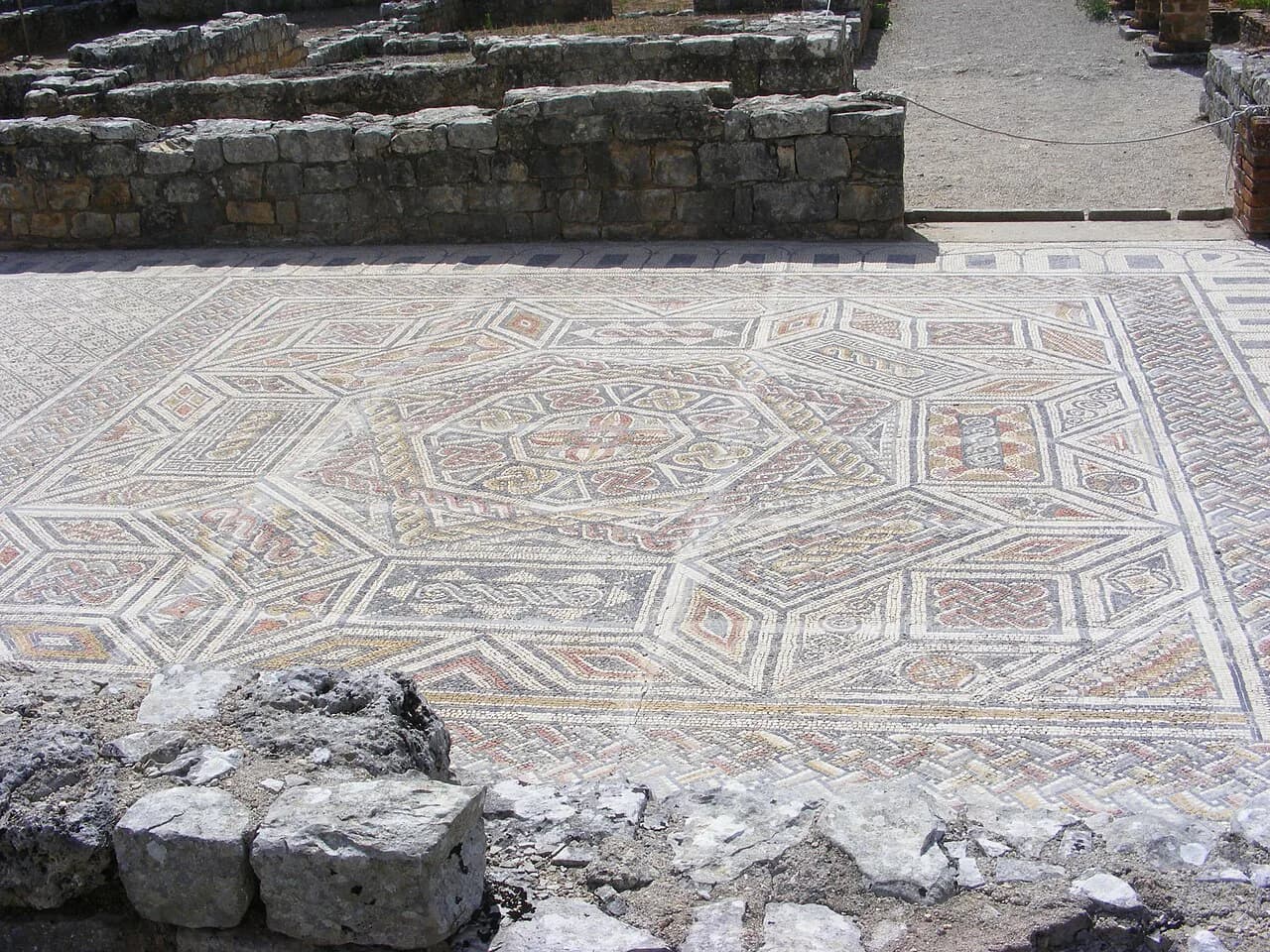
The site's keynote is the Casa dos Repuxos, a noble house whose garden fountains and mosaics are its draw. Judge what survives as an ensemble of floors, water features and room plans rather than expecting a reconstruction, and you will get much more from it.
Where Conímbriga is and how it relates to Coimbra
Conímbriga lies south of Coimbra, near Condeixa-a-Velha, and works best as a half-day from Coimbra rather than a separate stop. Coimbra is the natural base, with its transport, hotels and restaurants, while the village around the ruins has little to hold you once you have seen the site.
If you are touring central Portugal by car, Conímbriga slots into a loop through Coimbra and the monasteries to the south. The Alcobaça monastery and the Batalha monastery both make natural onward stops on a longer circuit.
The mosaics, the House of Fountains and the baths
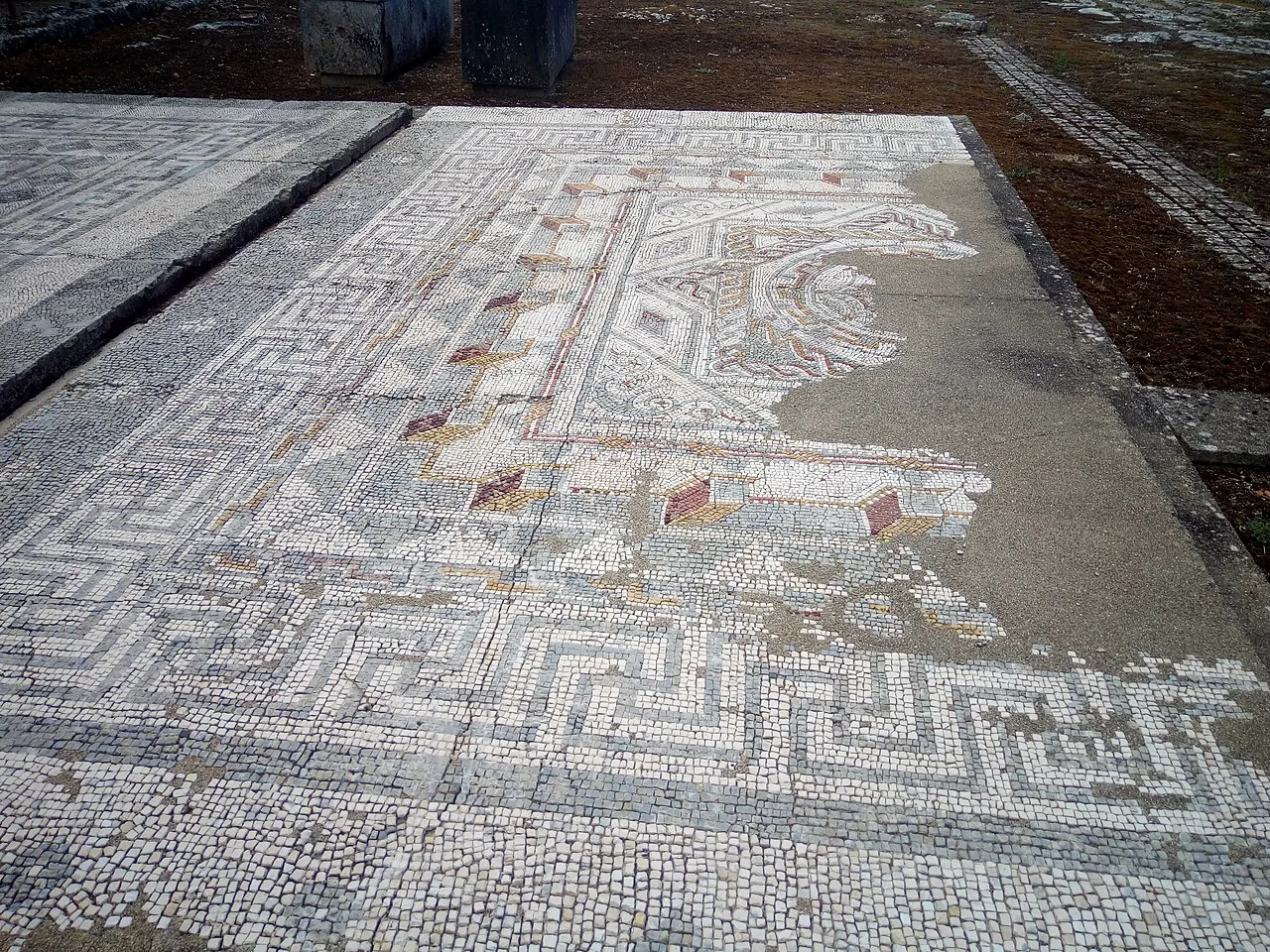
The mosaics are the reason most people come. Conímbriga's floors include intricate pavements, with geometric patterns and figure work. Look at them as an ensemble rather than a set of single pictures, and you will see how they tie the rooms together.
The Casa dos Repuxos takes its name from the water fountains that fed its garden, one of the house's defining features. Walk the sequence of rooms and the ruins stop looking like a field of low walls.
The site also holds the foundations of shops and modest houses, which matter more than they sound. They show how the ordinary town lived, not just the wealthy owners of the fountain house. Give them ten minutes rather than walking straight past.
Walls, forum and aqueduct in the archaeological park
The town wall is the most dramatic piece of standing masonry on site. Look at the masonry and how the town contracted behind its defences, and the walls become a piece of history rather than a barrier to walk past.
The forum was the civic heart, and although little stands above knee height, the plan helps you read the town. The aqueduct brought water into the town, and it is one of the features that makes Conímbriga a whole Roman city rather than a scatter of ruins.
The museum at Conímbriga and its collection
Conímbriga has an on-site museum holding finds that could not stay in place, including sculpture and inscriptions. It turns a scatter of stones into a readable sequence, and it is where much of what the ruins cannot tell you is explained.
Do the museum first if you arrive early and the ruins second, so the labels are fresh in your mind as you walk the streets. If you arrive late in the day, reverse the order and see the ruins while the light is good, then finish in the museum. Either way, budget real time for it.
How long to allow for the ruins and museum together
Two to three hours covers both halves comfortably: about 90 minutes on the site and 45 to 60 minutes in the museum, plus time at the entrance. Add an hour if you like reading every panel or sketching the mosaics. Half a day from Coimbra, including the return journey, is a realistic block.
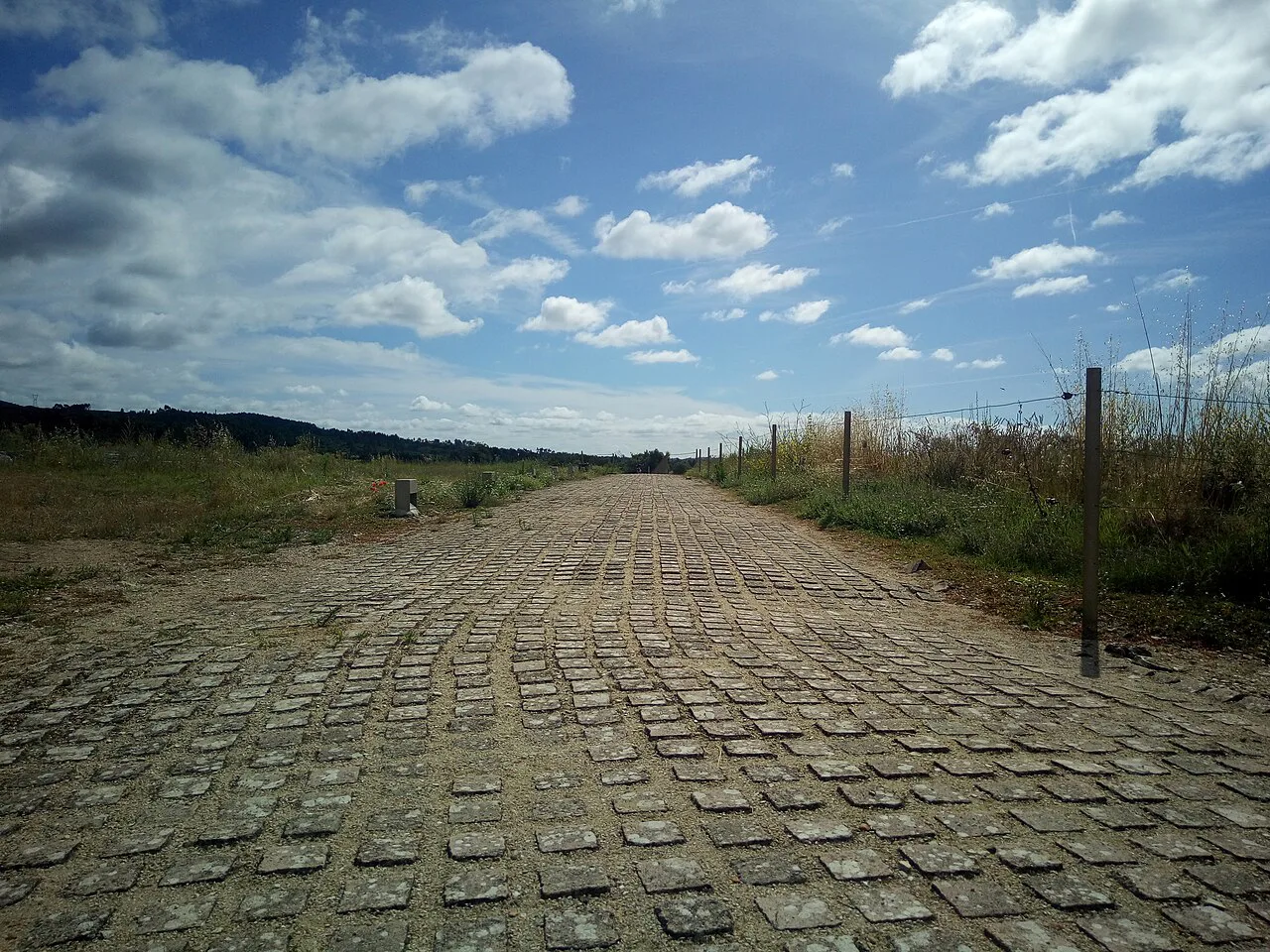
The site is exposed and hot in summer, with little shade among the ruins, so a morning slot beats early afternoon. Carry water, wear shoes with grip for the uneven pavements and allow time to walk between the entrance and the far parts of the town. There is no need to rush, but there is no need to allocate a whole day either.
Opening days and closures to check before you go
Many Portuguese museums and monuments close on Mondays, so Monday is the day to check before you plan around it. Confirm the current timetable and any public-holiday closures before you travel, especially if your break is short.
Public holidays catch visitors out too, particularly around Christmas, Easter and the big June and August dates. Because Conímbriga is a single site with one entrance, a closure means a wasted trip from Coimbra rather than a swap to another monument. Build the rest of your Coimbra days around the confirmed opening rather than the other way round.
Tickets and costs
Ticket prices for the ruins and museum are set by the site and change with policy, and no current figure should be assumed from older guides. Check the price, any combined ruins-and-museum ticket and any reduction for students or seniors at the point of booking.
If you are visiting several state-run monuments on the same trip, ask at the entrance whether a combined or multi-site ticket applies, because the saving can be worthwhile. Pay at the gate or book ahead once you have confirmed the official price.
Getting there from Coimbra
Public transport from Coimbra towards the Condeixa area is the usual car-free route, but timetables change with the season and operator, so check the current service and the nearest stop to the site before you set off, then work backwards from the return service. The site is outside Coimbra, so confirm how you will get back before you leave the city.
A taxi or ride-hailing car from Coimbra is the simplest option if you are short of time, and you can agree a return pickup with the driver. Driving yourself is straightforward on the main road south. Whichever you choose, do not plan a tight connection: the site is outside the town, and missing the last bus leaves you with an expensive ride back.
Whether Conímbriga is worth visiting on a short Coimbra break
Yes, if you have two or three days in Coimbra and want one excursion out of the city. The ruins are substantial, and the half-day cost is modest in time. Skip it only if your break is a single day and you would rather spend it inside Coimbra's old town and university.
The honest trade-off is that Conímbriga is not a pretty townscape like Óbidos or a great abbey like Alcobaça. It is archaeology, and it asks you to read plans and mosaics rather than admire a façade. If you enjoy that, it is one of Portugal's standout Roman sites. If you do not, spend the time on the monasteries instead.
Should Conímbriga make your Coimbra itinerary?
Put Conímbriga on the plan if you have at least two full days in Coimbra and can confirm the site is open on the day you intend to go. Do the museum and ruins in whichever order suits your arrival, allow two to three hours, and keep the rest of the day light. That is the version of the trip that leaves you satisfied rather than rushed.
If Roman Portugal appeals, the Côa Valley rock art and the Convent of Christ in Tomar make natural companions on a longer loop through the centre, and the Batalha Monastery is another major stop on a central-Portugal circuit. Each is worth its own day and none works as a quick add-on to Conímbriga.
Explore more Portugal guides
Frequently Asked Questions
Are there Roman ruins in Portugal?
Yes. Conímbriga near Coimbra is one of Portugal's standout Roman town sites, with mosaics, baths, a forum and an aqueduct. Portugal also has other Roman remains elsewhere, so Conímbriga is one stop on a much longer Roman trail.
Is Conímbriga worth visiting?
It is, if you like archaeology and have half a day to spare from Coimbra. The mosaics and the Casa dos Repuxos are the highlights, and the on-site museum makes sense of the ruins. If you prefer standing monuments and pretty streets, spend the time on the monasteries at Alcobaça and Batalha instead.
Sources
Notes for your next Portuguese break
Optional updates to our town guides.
You might also like



Continue reading
More guides you'll find useful





