Moorish Portugal: Where to See the Islamic Legacy
Moorish Portugal spans Évora's street plan, Mértola's mosque-church, Silves and the azulejo. See where the Islamic legacy survives and which towns reward a detour.
On this page
Moorish Portugal is best understood as a southern story: the deepest surviving evidence sits in the Algarve and the Alentejo, not in a single monument you can tick off. The Moors arrived from North Africa in the early 8th century and ruled much of the Iberian Peninsula for centuries, leaving castles, street plans, water technology and the glazed tile known as the azulejo.
This guide separates places where Moorish fabric genuinely survives from towns that merely appear on Islamic-themed lists. It covers Mértola's mosque-church, Silves as the former Muslim capital of al-Gharb, Évora's street plan, the azulejo and the smaller traces in Olhão and Tavira, then suggests how to fit them into one to four days.
What Moorish rule in Portugal actually was, and how long it lasted
The Moors came from North Africa in the early 8th century and soon occupied much of the Iberian Peninsula, ruling Portugal for around five centuries — almost as long as the Romans before them. Their period ended politically when Portugal became an independent kingdom in the first half of the 12th century, but it took another century to push them out of Faro, then called Santa Mariya al-Harun, the last Moorish stronghold in the country.
The legacy is not just military. Irrigated orchards, mineral extraction, handicrafts and the growth of towns all developed under Moorish rule, and urban planning with defined areas for markets and crafts left its mark on Portuguese cities. That breadth matters for a short break: you are often looking at a street layout or a field pattern as much as at a castle wall.
Where the Moorish legacy in Portugal is strongest: the Algarve and the Alentejo
Strong vestiges of the Moorish presence survive across Portugal, but they cluster in the south. The Algarve was the Muslim province of al-Gharb, meaning 'the West', and Silves served as its capital; Mértola, close to the Spanish border, holds the country's most important surviving mosque fabric. Évora, Alcácer do Sal and Sortelha in the Alentejo add castles, street plans and carved stonework.
Treat this as a southern axis rather than a national trail. Mértola and Silves sit far apart, so a one- to four-day break should pick one or two bases instead of attempting everything; Évora works well as a middle point between the Alentejo and the Algarve. If you are also chasing earlier layers, the Roman ruins Portugal preserves often sit in the same towns, and Évora in particular stacks Roman, Moorish and later fabric within the same walls.
Mértola: the mosque-church with a mihrab and horseshoe arches
Mértola holds arguably the best example of Moorish architecture in Portugal: a church originally built as a mosque, with five naves, four horseshoe arches and a mihrab, the prayer niche, facing east towards Mecca. It is described as the only mosque of its kind in the country, which makes the nave and the niche the specific details to look for rather than the exterior alone.
The town rewards the journey, but the journey is the cost: Mértola is remote, close to the Spanish border, so it suits an overnight stay better than a rushed day trip from the coast. Pair the church with the old town lanes on foot, which take under an hour to wander, rather than trying to add a second Moorish site the same day.
Silves: the one-time Muslim capital of al-Gharb
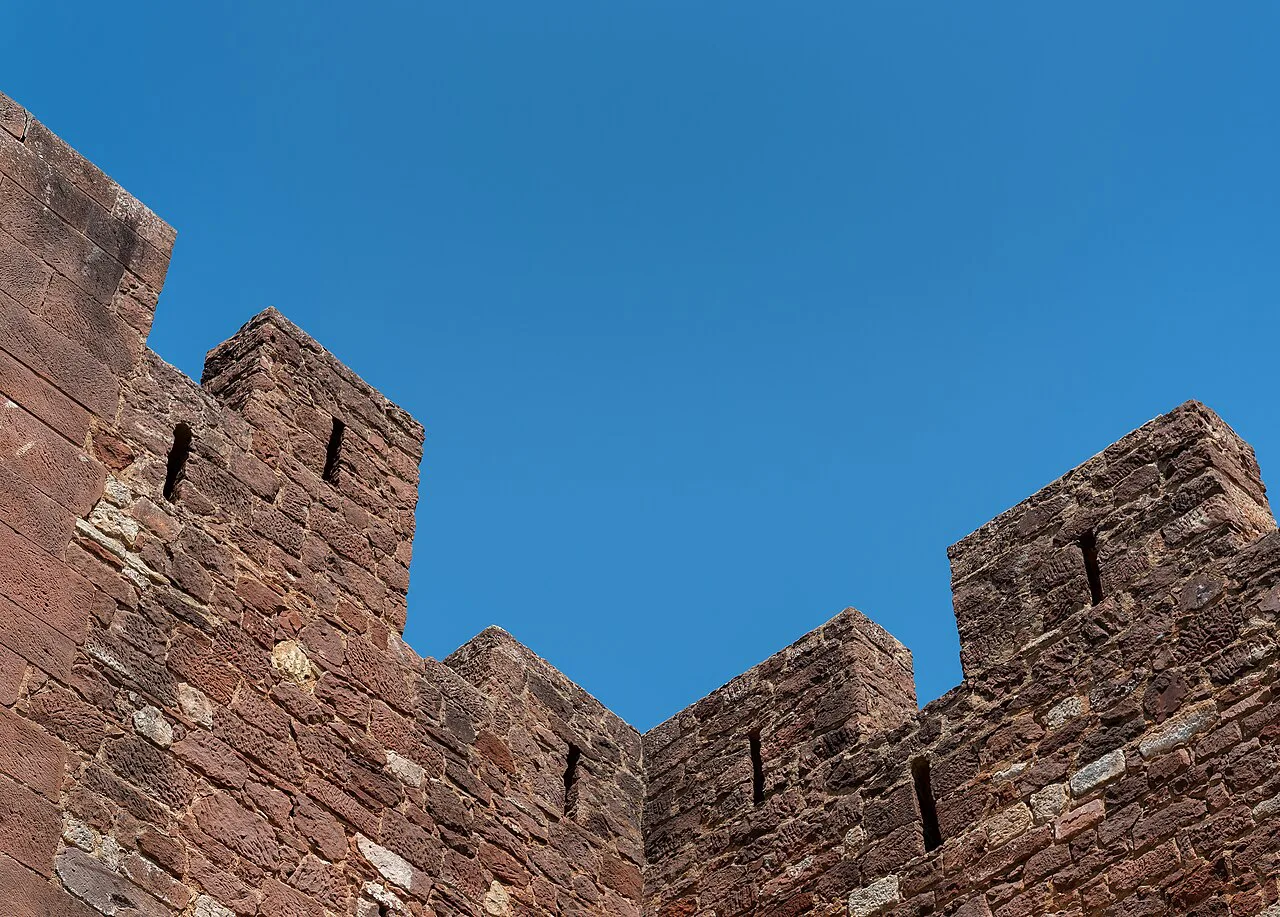
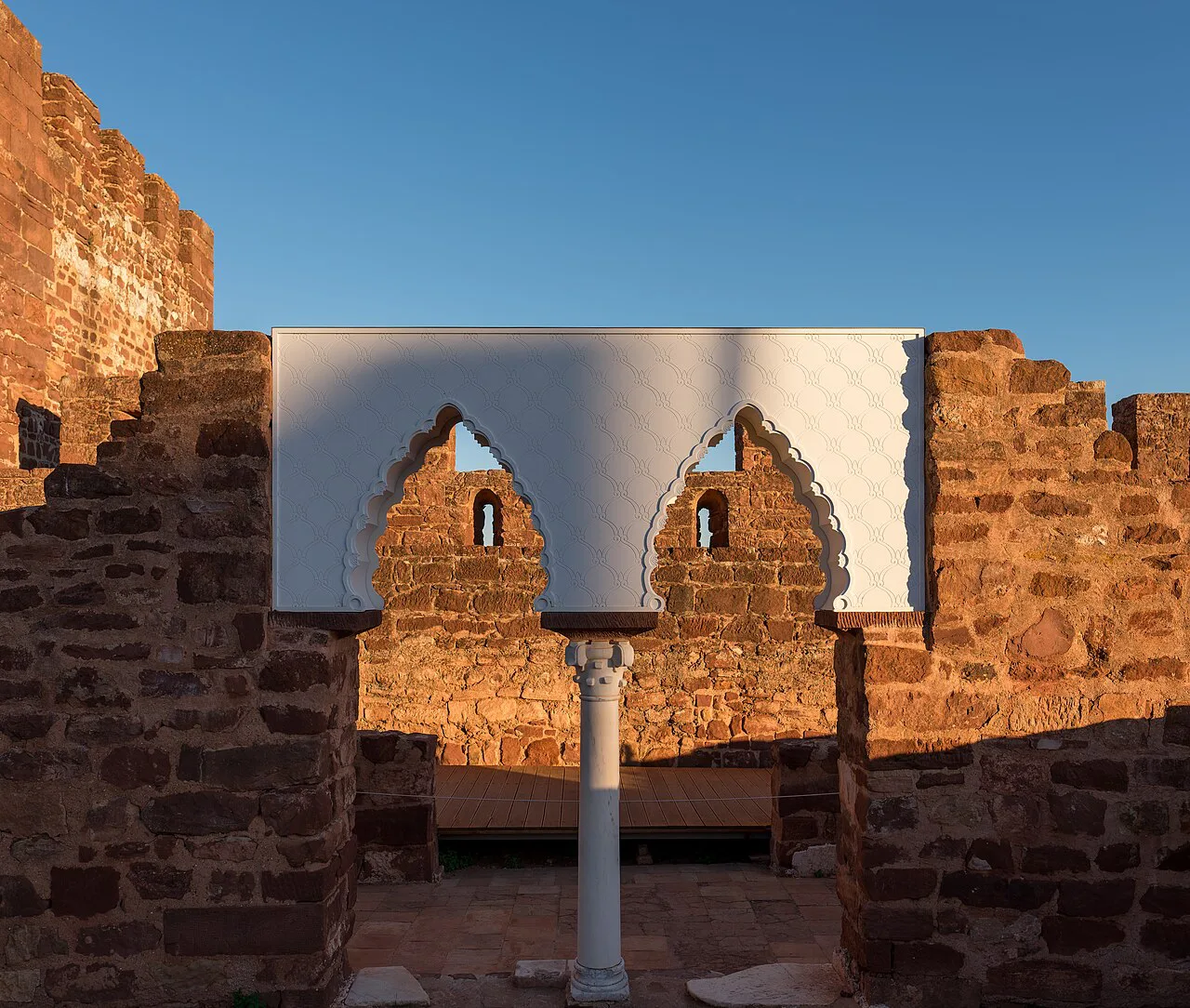
Silves, which the Moors called Xelb, was the Muslim capital of al-Gharb and retains authentic traces of its Islamic past — the Arab writers praised it as a city of enchantments. For a visitor the draw is the combination of castle and old town rather than any single exhibit.
Silves fits neatly into an Algarve short break because it sits inland from the resort coast, making it a half-day contrast to the beaches rather than a competitor to them. Allow a morning for the castle and the lanes below it, then use the afternoon for the drive back. The castle is the obvious Moorish stronghold in the Algarve; the Castelo dos Mouros in Sintra is a better-known example of the same tradition but belongs to a trip centred on that town. For planning the stop in detail, our Silves guide covers the castle, old town and archaeology museum.
Évora: a Moorish street plan inside Roman walls
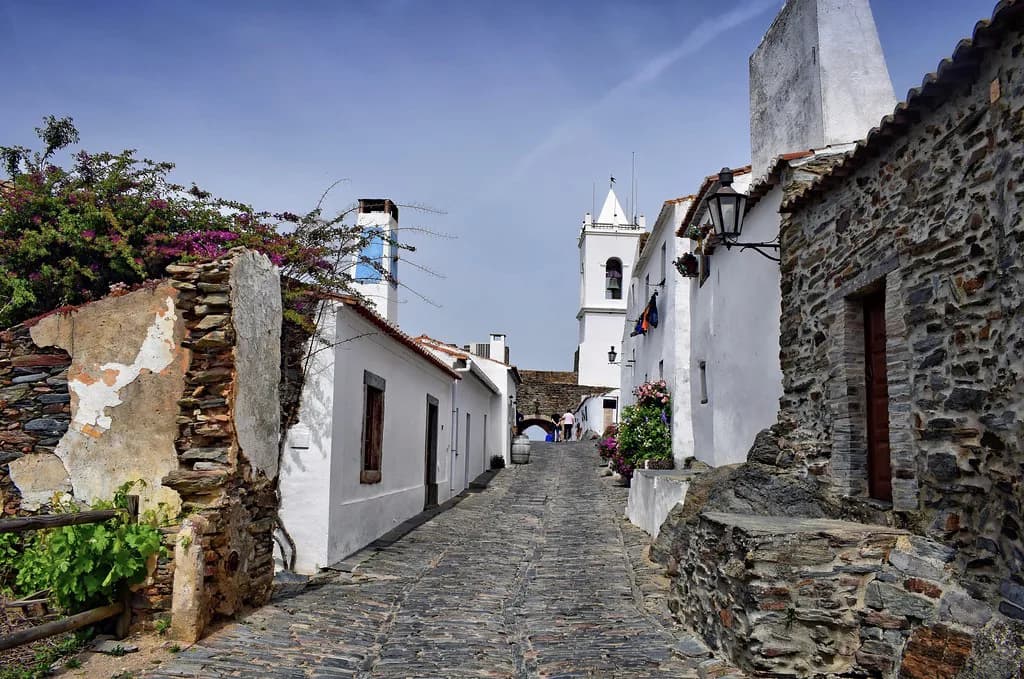
Évora's citadel preserves the Moorish street plan within the original Roman walls, which makes the city unusual: you can read layers of town planning by walking in circles. The lanes are narrow, the inclines are real and the reward is atmosphere rather than a single ticketed sight, so wear shoes that cope with calçada cobbles.
Read up before you go if you want to spot the earlier street pattern beneath the later building, or use a city walk that points out the transitions. The wider Portugal History context helps here, from the county founded under Afonso Henriques to the centuries that followed the Moorish period.
Azulejos: how Islamic tilework became Portugal's signature
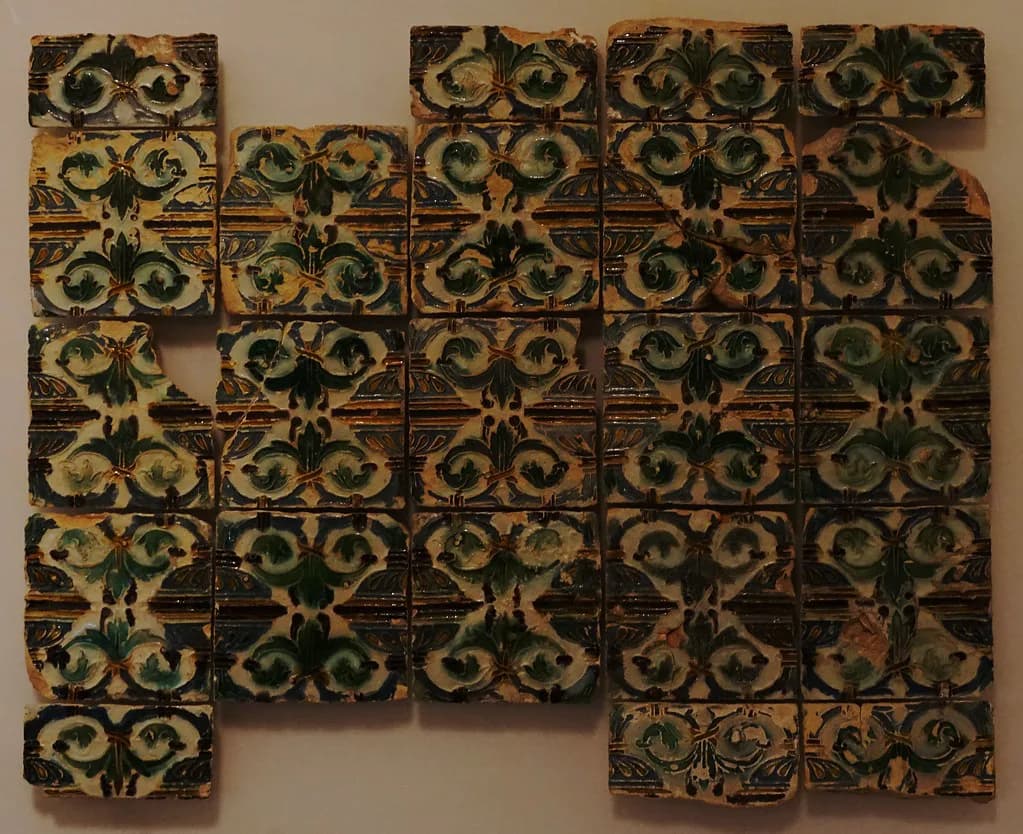
The Moorish contribution travellers see most often without realising it is the azulejo: glazed tiles used on both interior and exterior walls, whose name comes from the Arabic al zulayj, loosely meaning a smooth polished surface. Old and new examples cover buildings all over Portugal, so a walk down almost any street is a lesson in the craft.
Look for the geometry rather than the colour: repeating interlocking patterns came into Portuguese building through Islamic design and were later adapted into blue-and-white schemes. Church interiors, station halls and ordinary house fronts all carry them, which makes the azulejo the cheapest Moorish sight on any itinerary. If tiles become your theme, build the trip around towns where whole façades survive rather than a single museum room.
Other traces: Olhão and Tavira chimney-pots, courtyard houses, window grilles
Smaller details repay attention. The chimney-pots of Olhão and Tavira are mostly tall narrow oblongs of mortar with Arabesque piercings that let the smoke escape, a distinctive skyline rooted in Moorish craft. Heavy metal grilles on the lower windows of private houses and enclosed courtyards in rural areas repeat across the country.
The bucket-wheel for drawing water from deep wells and the waterwheel for milling grain were other Moorish introductions, and their descendants still shape how agricultural land looks in the south. None of this comes with an entrance fee or a queue; it is street furniture, best noticed on a slow walk through an old quarter rather than hunted as a sight.
Which towns to build into a one- to four-day short break, and the trade-offs
For two days, base in Évora: the Moorish street plan, the Roman fabric and a compact old town give you density without long drives. For three or four days, add Silves and the Algarve or commit to Mértola as an overnight, which is the only realistic way to see the mosque-church without spending most of the day in the car. Trying to combine Mértola and Silves in a single day is the mistake to avoid.
Check monument and museum opening days before you fix the order of the trip, because closures can gut a carefully planned circuit, and confirm current ticket prices and hours with the venue or the local turismo rather than relying on an old guide. The Moorish sites themselves are mostly outdoor or townscape-led, which makes them forgiving of a tight schedule.
Moorish Portugal on a map: how the surviving sites cluster
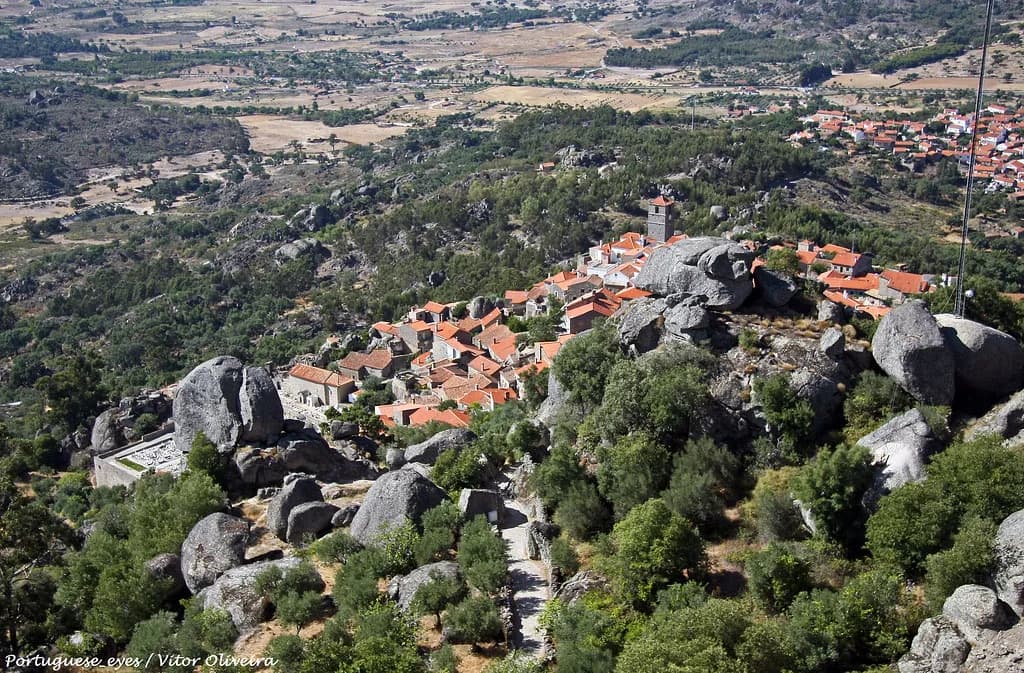
Picture a line running south from Évora to the Algarve: Alcácer do Sal sits west of that line on the Alentejo coast, Mértola anchors the far east near the Spanish border, and Silves lies in the western Algarve. Olhão and Tavira string along the eastern Algarve coast, while Sortelha sits far to the north-east, an outlier where Arabic script and Arabesque patterns survive in the stonework.
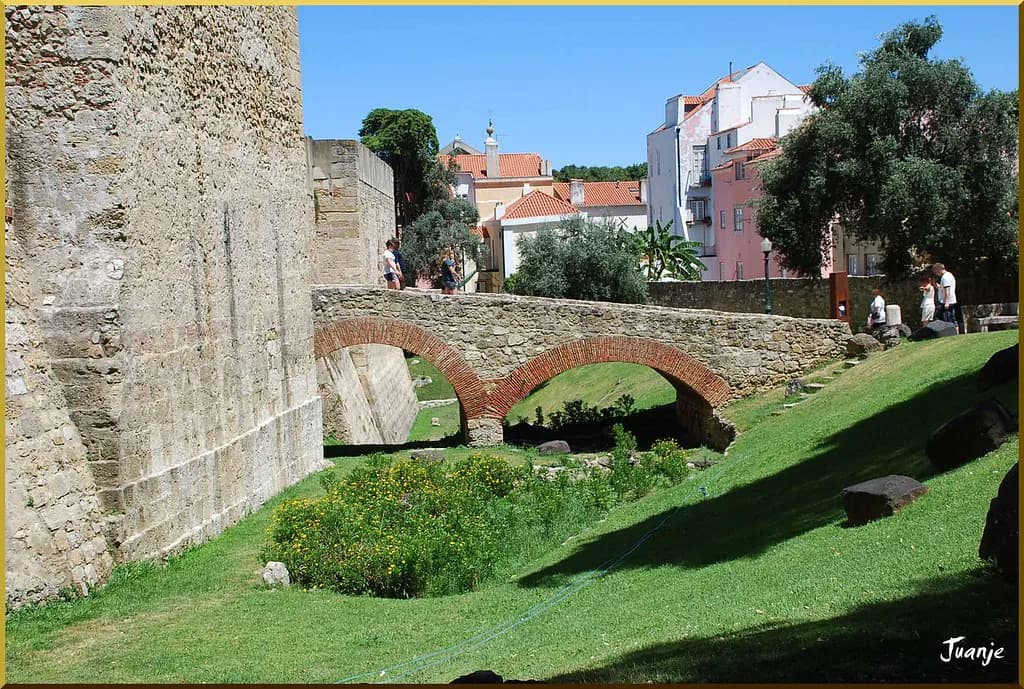
Lisbon's Castelo de São Jorge and the Alfama quarter beneath it are the comparison most travellers already know, and Sintra's Castelo dos Mouros the other, but both belong to a different trip. Use them as reference points for what a Moorish castle looks like rather than as destinations in their own right on a southern break. Reading the map this way keeps driving time honest.
Which Moorish site deserves your short break?
Pick Mértola if you want the single most important Islamic building in Portugal and can give it a night; pick Silves if you want an Algarve base with castle and lanes in easy reach; pick Évora if you want the street plan, the wider history and the most efficient short break. Two days in Évora, or three with Silves added, is the honest shape of a trip.
For travellers who like their history layered, the same southern towns carry megaliths Portugal's earlier inhabitants left behind, and the age of discoveries Portugal launched from its coast came centuries after the Moorish period ended. Building one theme per day keeps a short break readable rather than a checklist.
Explore more Portugal guides
Frequently Asked Questions
Was Portugal under Moorish rule?
Yes. The Moors arrived from North Africa in the early 8th century and ruled for roughly five centuries, until Portugal became an independent kingdom in the first half of the 12th century. Faro, then called Santa Mariya al-Harun, held out as the last Moorish stronghold for about another century.
Where are the Moors in Portugal today?
The strongest survivals are in the south: Mértola's mosque-church with its mihrab and horseshoe arches, Silves as the former capital of al-Gharb, and Évora's street plan inside the Roman walls. Alcácer do Sal, Sortelha, Olhão and Tavira hold smaller traces such as carved stonework and Arabesque chimney-pots.
Are the Moors Christians or Muslims?
The Moors who ruled Iberia were Muslims from North Africa. In Portuguese folklore the word mouro also refers to enchanted supernatural beings, a separate popular tradition from the historical Islamic rulers.
Is there a Moorish castle in Portugal?
Yes. Silves in the Algarve is the obvious Moorish stronghold in the south, and Alcácer do Sal in the Alentejo preserves Moorish fabric. The Castelo dos Mouros in Sintra and Lisbon's Castelo de São Jorge are better-known examples of the same tradition but belong to trips centred on those cities.
Sources
Notes for your next Portuguese break
Optional updates to our town guides.
You might also like
Continue reading
More guides you'll find useful