
Age of Discoveries: Portugal's Role and Where to See It
The Age of Discoveries was Europe's era of oceanic exploration. See how Portugal led it and which Portuguese sights tell the story on a short break.
On this page
The Age of Discoveries was the European era of oceanic exploration, running from about 1418 to about 1620 and overlapping with the Age of Sail, in which Portugal took the leading early role. On a short Portuguese break you meet it in fortresses, churches and monuments along the coast and in Lisboa, often without realising the connection. This guide sets out what the era was, why Portugal moved first and which places carry the story, so the plaques and paintings mean something when you stand in front of them.
What the Age of Discoveries was, in one paragraph
It was a centuries-long stretch of European seafaring that opened regular ocean routes to Africa, Asia and the Americas, rather than a single voyage or a single country's project. The conventional span used by reference works is about 1418 to about 1620, which places it inside the early modern period and alongside the wider Age of Sail. Think of it as a sequence of sponsored expeditions, each building on the charts and sailing knowledge of the last.
What made it different from earlier travel was the shift from land routes to open water. Medieval European knowledge of Asia came largely from overland journeys such as Marco Polo's, and from Arab geographic scholarship including Muhammad al-Idrisi's twelfth-century world map. Ocean voyages changed the scale: routes could be sailed repeatedly, mapped and defended, which is why the era reshaped trade and empire rather than just producing travel writing.
When it happened: c. 1418 to c. 1620
Treat the dates as a working bracket, not a birthday. The c. 1418 and c. 1620 markers are the accepted rough boundaries of the Age of Discovery in standard reference summaries.
Within that bracket, the early decades were Atlantic probing sponsored from Portugal, while the sixteenth century brought routes round Africa to India and across to Brazil. English, French and Spanish voyages belong to the same story and should not be treated as an afterthought. If you are reading a timeline before a museum visit, the useful questions are who paid, which route was opened and what it displaced, rather than memorising individual years.
Why Portugal started it: a sea route south around Africa
Portugal's driving aim was a sea route east that ran south around Africa, which would reach Asian trade without crossing Mediterranean middlemen. Prince Henry the Navigator initiated this first great enterprise of the Age of Discovery, according to Britannica's account of European exploration. That single sentence explains most of what you will see in Portuguese maritime monuments: sponsors, ships, routes and the African coast.
The starting conditions were practical as much as romantic. European knowledge of the Atlantic African coast was patchy and often inherited from Greek and Roman maps, while Indian Ocean trade was already sailed by Arab merchants. Portuguese voyages therefore pushed into partly charted water with commercial backing, not into a blank map.
Henry the Navigator and the early Atlantic voyages
Henry the Navigator, a Portuguese prince, is the figure to hold on to when you read interpretation panels at coastal sites. His sponsorship of the search for a sea route to the east by sailing south is the documented core of the early phase, and later chroniclers wrapped a good deal of legend around him. When a monument presents Henry as a lone visionary, remember that the enterprise was funded and incremental.
Earlier European travel across Eurasia set the scene: Mongol unification of the thirteenth century made overland trade routes safer, and travellers such as Marco Polo left accounts that fired later interest in Asia. That is background, not the Portuguese story itself, and it helps to keep the two apart when you read museum timelines that begin with Polo.
The later voyages: round Africa, India and Brazil
In the sixteenth century the Portuguese route to Asia matured, with the Cape route to India and the arrival of Portuguese ships in Brazil, broadening the enterprise beyond Atlantic reconnaissance. Spanish, English and French exploration developed in parallel, and the Treaty of Tordesillas divided newly claimed territory between Spain and Portugal. Any Portuguese maritime museum you visit will treat these later voyages as part of the same arc as Henry's Atlantic work.
For a traveller, the practical takeaway is that a single monument may commemorate a sponsor, a ship type, a route or a later colonial outcome. Read the panel's subject before assuming it is about discovery in the abstract. The era tapers out around 1620, so anything you see dated after that belongs to empire and trade rather than exploration.
What visitors can still see in Portugal that connects to the story
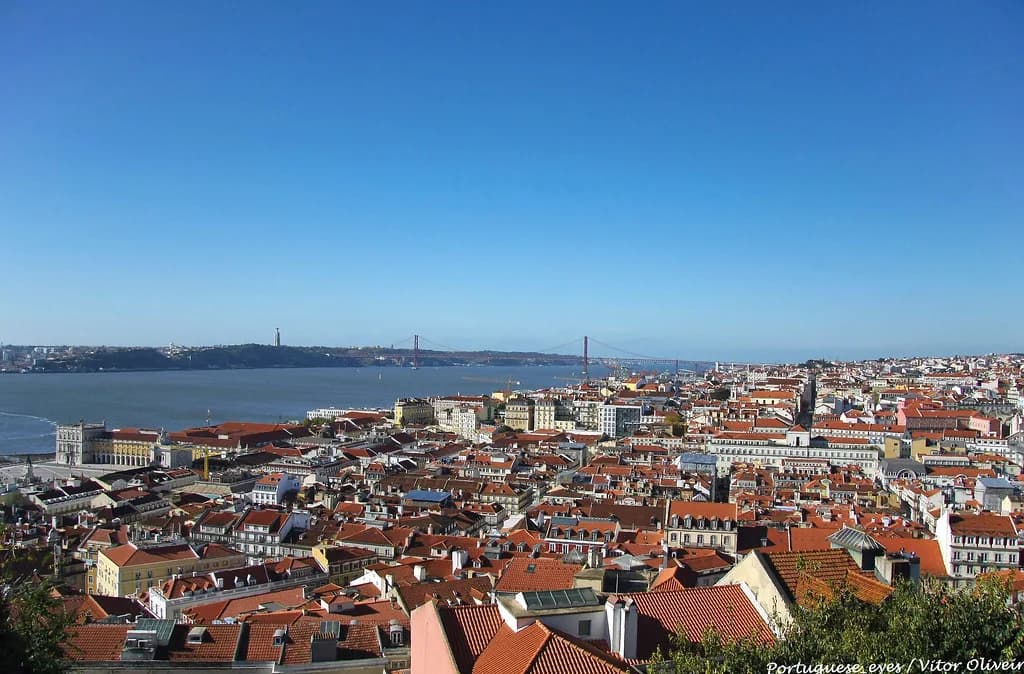
The named places most associated with the era in Portugal are Belém, on the edge of Lisboa, the Algarve town of Lagos and the headland at Sagres. Each is presented in tourist material as a maritime-history stop, and each rewards a bit of reading before you go so you know what claim you are looking at. Opening days and ticket prices for individual monuments are not reproduced here because they change; check the official site of the monument you plan to visit before travelling.
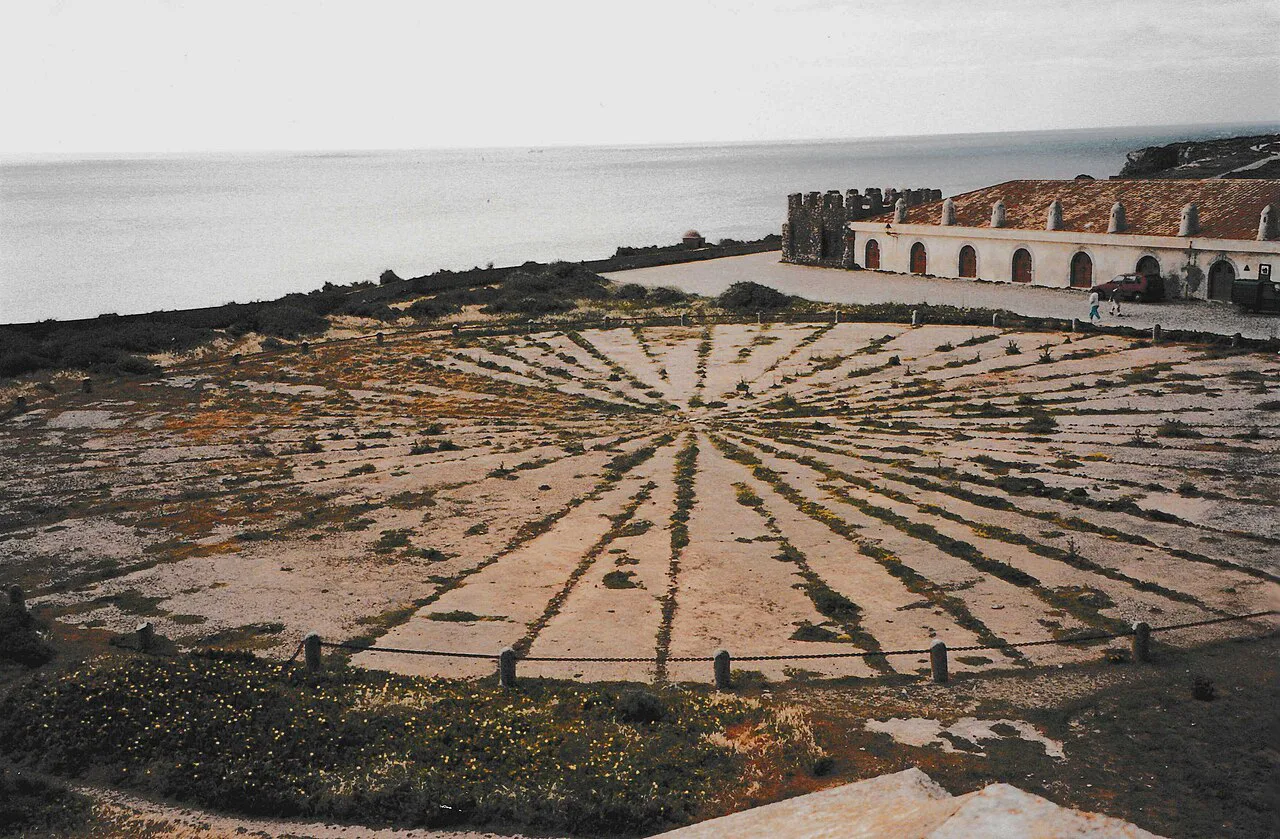
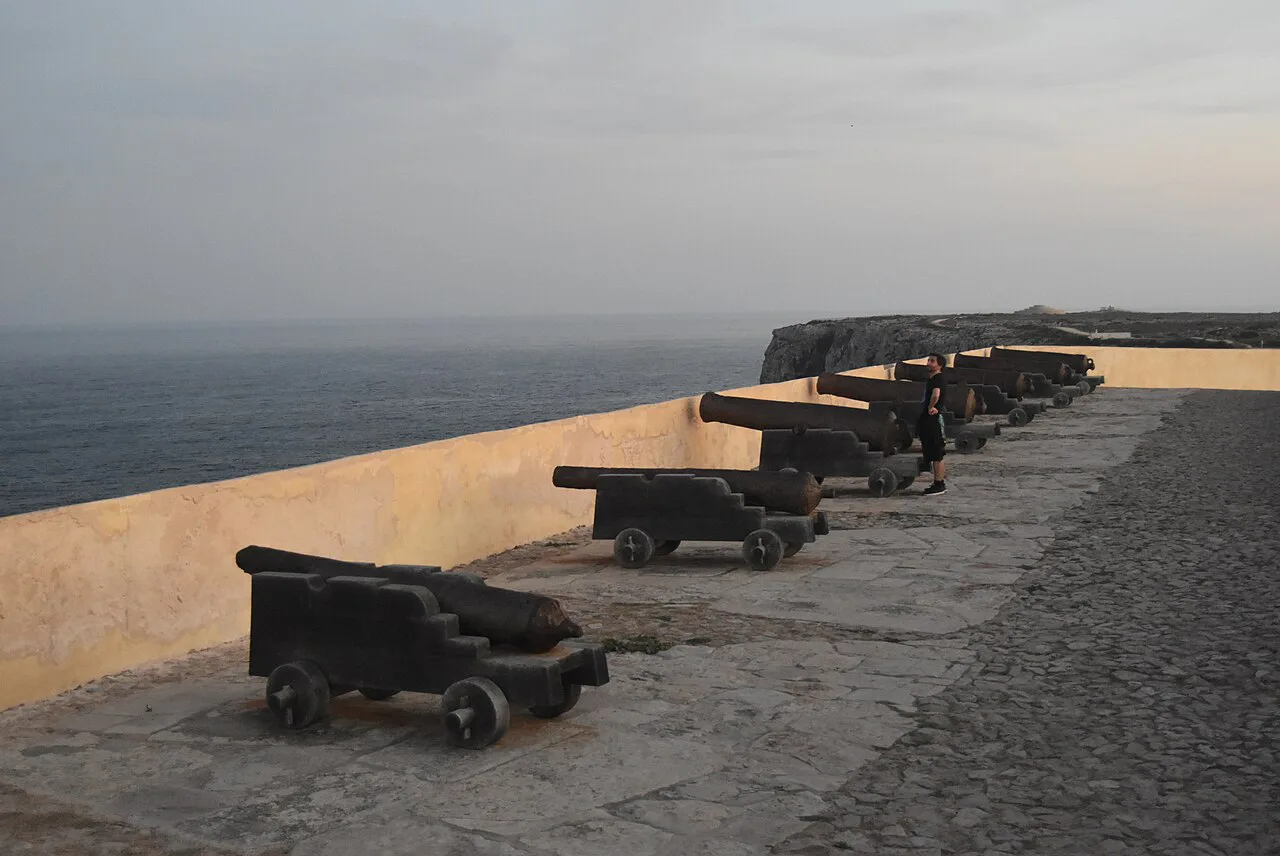
Sagres sits at the south-western tip of the Algarve and appears in most accounts of Henry the Navigator's Atlantic programme, which is why the headland carries so much symbolic weight. Lagos, further east along the same coast, is the other Algarve stop usually tied to the era in visitor material. Neither is a substitute for a museum with documents, so treat the coastal experience as atmosphere and context rather than evidence.
How to use this background on a short break in a Portuguese town
On a one- to four-day break, give the era one slot rather than chasing it across the country. In Lisboa, pair a Belém morning of monument-watching with an afternoon in a maritime collection so you alternate standing in front of stone with actually reading about the voyages. Elsewhere, keep the era in reserve for a rainy afternoon when a local museum will be quieter and you can take the panels at your own pace.
Be realistic about repetition: many towns tell maritime history in broadly the same way, with globes, caravels and portraits of sponsors. Pick the one or two stops with the strongest surviving fabric and skip the rest. This is also the right moment to see how the era sits within the longer story of Portugal's rulers and frontiers covered in the Portugal History guide, since discovery was one activity among many for a small kingdom.
If your interest is really in what came before, it pays to know the older layers too. Roman Ruins in Portugal show the peninsula's earlier trade links, while the megaliths Portugal's standing stones remind you that movement of goods and people is far older than the caravels. Neither is the Age of Discoveries, but both guard against treating 1418 as the moment history began.
Where the era fits alongside Portugal's later history
Discovery came after the medieval kingdom was consolidated and before the long decline of Portuguese overseas power. The Templars Portugal's castles and the Al Gharb's Moorish Portugal towns belong to the centuries of reconquest that shaped the kingdom that would later sponsor voyages. Reading the era in that sequence makes the maritime monuments feel like an episode in a story rather than the whole story.
Later Portuguese history leans heavily on the empire the voyages created, and the visual language of exploration was reused by later regimes for their own purposes. When a monument feels more nationalist than historical, that is a clue to ask who built it and when, rather than a reason to skip it. The most useful preparation is a short timeline and a clear sense of what you want to learn on the day.
Which Age of Discoveries stop should you choose?
Choose Belém if you are based in Lisboa and want monuments and museums in one morning of walking. Choose Sagres if the Algarve coast is already on your itinerary and you prefer landscape to galleries. Lagos sits between the two in spirit, and works well if you want a second Algarve stop with the sea in view.
Whichever you pick, arrive knowing the basics rather than relying on panels: it was a long European era, Portugal led the early phase, and the aim was an ocean route south and east. Confirm current opening days on each monument's official page before you set out. If the era is one interest among several, the Portugal history guide will help you place it in a wider century-by-century picture.
Sources
Notes for your next Portuguese break
Optional updates to our town guides.
You might also like



Continue reading
More guides you'll find useful




