Portuguese Souvenirs Worth Buying: Tiles, Cork, Tinned Fish and More
Portuguese souvenirs worth the suitcase space: azulejo tiles, cork, ceramics, tinned fish and soap, with packing trade-offs and which shops to seek out.
On this page
The Portuguese souvenirs worth your suitcase space are the ones with craft behind them: a painted azulejo tile, a cork bag, a Bordallo Pinheiro swallow, a wrapped tin of sardines. Skip the plastic rooster magnets and buy fewer, better things. This guide sorts the buys by weight, breakability and how easily each survives a flight home.
Everything below is framed for a one-to-four-day city break, where you are carrying hand luggage or a half-full case rather than shipping a crate. Where a shop or brand is named, the point is to say what it is genuinely good for, not to promise stock, hours or prices.
What are the Portuguese souvenirs actually worth buying?
Think in three categories: flat and unbreakable (cork, textiles, tinned fish, soap), fragile but small (tiles, ceramics), and edible (chocolate, preserves). The first group costs you nothing in packing anxiety, the second needs planning, and the third disappears before you get home. Decide your limit for fragile items before you shop, because a single careless tile can break inside a rucksack.
The strongest buys are those tied to a Portuguese craft tradition rather than a generic logo. Azulejos, cork, Caldas da Rainha ceramics and filigree jewellery all have a regional story behind them, which is why they make better gifts than a keyring. For background on the tile tradition, see Azulejos in Portugal. The Lisbon shops that gather heritage brands in one place are useful precisely because they let you compare several of these traditions in a single stop.
Azulejo tiles: what to buy and how to carry them home
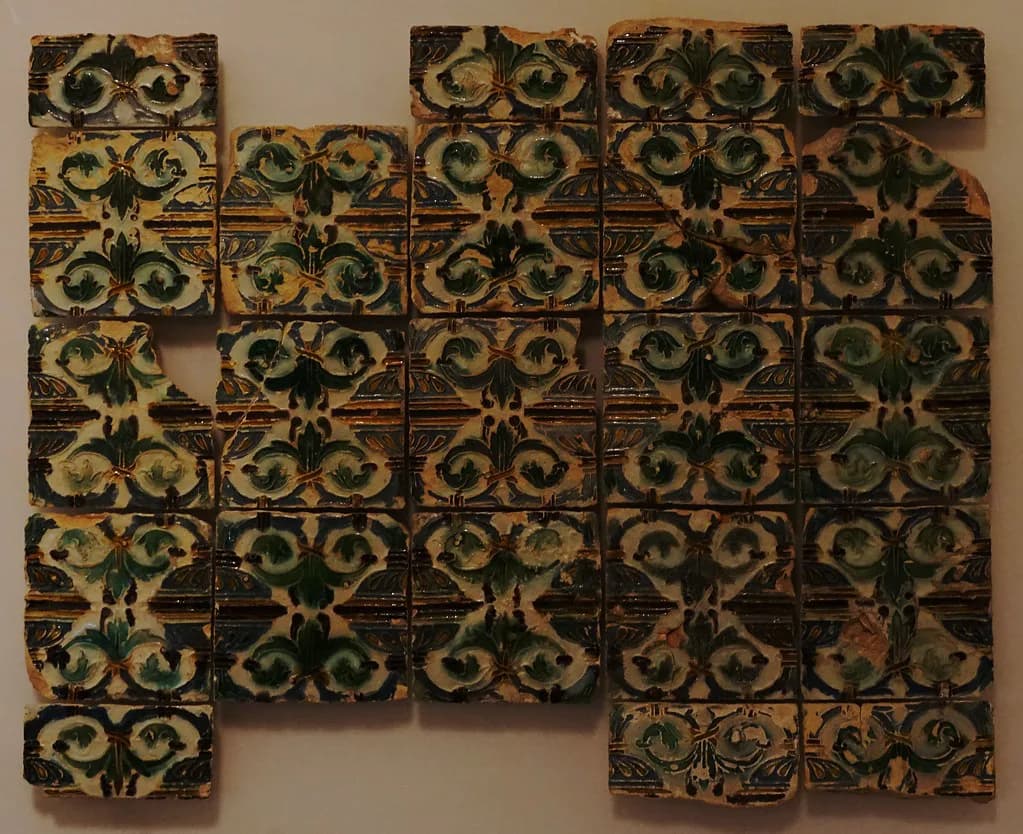
A single vintage or reproduction tile is the classic Portuguese souvenir, and it is also the most breakable thing you will buy. Buy one or two good tiles rather than a stack, and ask the shop to wrap them in bubble wrap and card before they go anywhere near your bag. A flat tile slides into hand luggage far more easily than a framed panel, which is a different purchase altogether.
What is Portugal famous for making? Portugal is best known for azulejo tiles, cork goods, painted ceramics such as Bordallo Pinheiro, filigree jewellery, tinned fish and its heritage soap and chocolate brands. These are the products where craft and regional identity overlap, which is why they make better souvenirs than generic gifts.
What are some Portuguese traditions that shape the souvenirs? Tile-painting, ceramics from Caldas da Rainha and Costa Nova, filigree from the Viana do Castelo area and the Barcelos rooster as a good-luck symbol are the traditions most visible to visitors. Tinned fish is a working food tradition rather than folklore, which is why conserveiras exist as shops rather than gift counters.
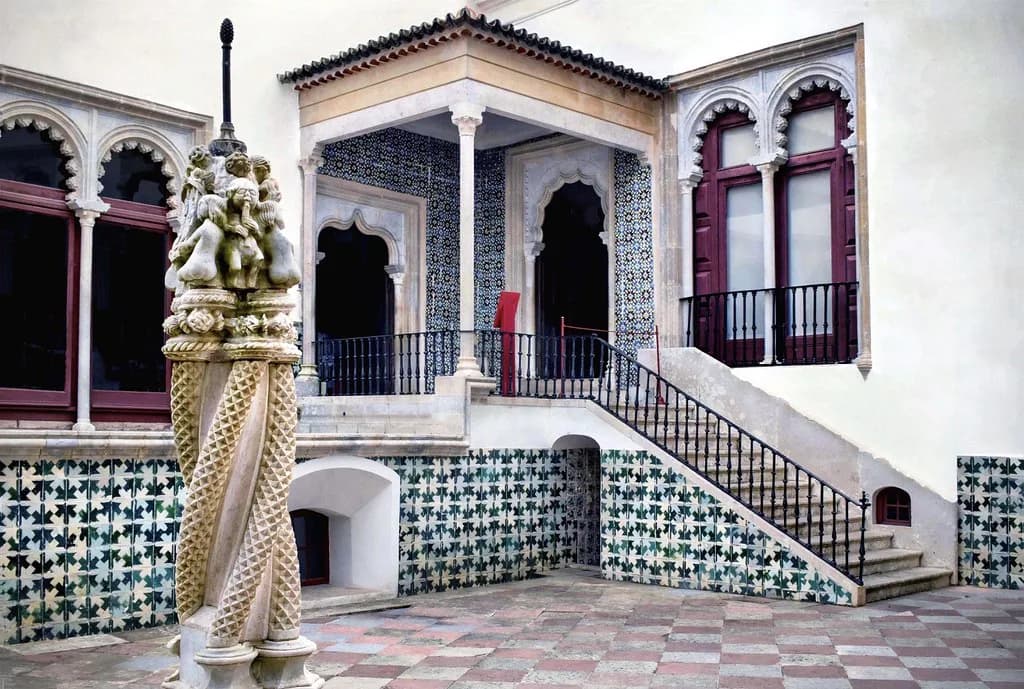
Part of the appeal is that the azulejos Portugal is known for span centuries, from simple blue-and-white repetition to elaborate figurative panels, so a tile is a small piece of architectural history rather than decoration. If you want to understand what you are choosing, the Portuguese Tiles guide gives the patterns context before you spend money. New reproduction tiles sit alongside antique tiles in specialist shops.
If you are serious about tiles, plan a shop visit rather than buying from a museum gift shop on impulse. Specialist dealers and street markets give you a far wider choice of pattern, age and condition. The where-to-buy-azulejos guide sets out the difference between antique and new stock, so you know what you are looking at.
Cork: bags, wallets and postcards that travel light
Cork is Portugal's best answer to the fragile-souvenir problem: it is light, water-resistant and flexible, so a cork wallet or small bag packs flat and survives being squashed. Cork postcards are a neat low-cost buy for people who want something more memorable than card. Check the stitching and lining on bags before you commit, because cork itself wears well but cheap fittings do not.
Cork grows on the holm oak across southern Portugal, and the material's place in Portuguese production is what makes it a genuine souvenir rather than a novelty. A plain cork wallet or tote will look ordinary at home in a good way, which is more than can be said for most themed gifts. Buy one good piece rather than several thin ones.
Bordallo Pinheiro ceramics and the swallow, the everyday buy
Bordallo Pinheiro is the Portuguese ceramics name most travellers recognise, and the swallow is its most portable motif: a small ceramic bird that can hang on a wall or sit on a shelf. The cabbage-leaf tableware is the other signature, and it is beautiful but heavy, so it only makes sense if you have a checked bag with space and padding. For hand luggage, a single swallow beats a dinner service every time.
Portuguese pottery more broadly means Caldas da Rainha earthenware and the striped ceramics of Costa Nova, both of which sit in the same tradition of painted, hand-finished tableware. If you want the wider picture before choosing, the Portuguese pottery guide covers the main styles and what distinguishes them. Wrap any ceramic in clothing rather than newspaper, and carry it in the middle of the bag, not against the shell.
Tinned fish from a conserveira, wrapped and easy to pack
A conserveira is a shop devoted to preserved seafood, and tinned fish is the Portuguese souvenir that earns its place through usefulness as much as sentiment. Tins of sardines, mackerel, tuna and cod weigh little, need no protection and keep for months, which makes them ideal for a short break with cabin baggage. Buy a handful of different brands rather than a single large tin, so the gift-giving is easy.
Conserveira de Lisboa on Rua dos Bacalhoeiros in the Baixa is the best-known address for this, operating from its original street and known for house brands including Tricana, Prata do Mar and Minor. The tins are sold individually from a compact counter and are wrapped in brown paper tied with string, which makes them presentable without extra wrapping of your own.
The Tricana label shows a tricana poveira in the traditional shawl and apron of Póvoa de Varzim, a northern fishing town, so the packaging carries a specific regional reference rather than generic seaside decoration. Choose oil-packed tins over brine if you plan to eat them straight from the tin. Remember that tins count as liquids for some security checks, so pack them in checked baggage if you are unsure.
Claus Porto soap, Arcádia chocolate and Portuguese heritage brands
Claus Porto is the soap and fragrance house whose Lisbon shop is recognisable by its blue and white azulejo façade and matching awnings, and its soaps and body care make a light, useful gift that will not break. Arcádia is the chocolate name to look for, and A Vida Portuguesa gathers heritage brands from around the country in a historic space, which makes it the efficient stop when you have an hour rather than an afternoon.
This is where a short break shopper gains most: one shop stocking soaps, chocolates, tinned goods and household names means you can cover several gifts without criss-crossing the city. Buy the soap and chocolate last, on your final afternoon, so heat and handling do less damage. Chocolate in particular does not enjoy a hot car or a sunny café table.
Filigree: what you are paying for
Filigree is a fine metalwork tradition, and a small pendant is the Portuguese souvenir where craft matters most: fine metalwork is labour-intensive, so you are paying for the maker's time rather than the raw silver. Buy from a jeweller who can explain the piece and give you a receipt, and ask what the metal is before you pay.
Seeing pieces in person is essential: online listings can show the range of shapes and styles, but they are not a substitute for judging the soldering and the weight at arm's length. For a piece this small, the difference between good and crude work is visible close up.
Barcelos rooster: the version that is not a fridge magnet
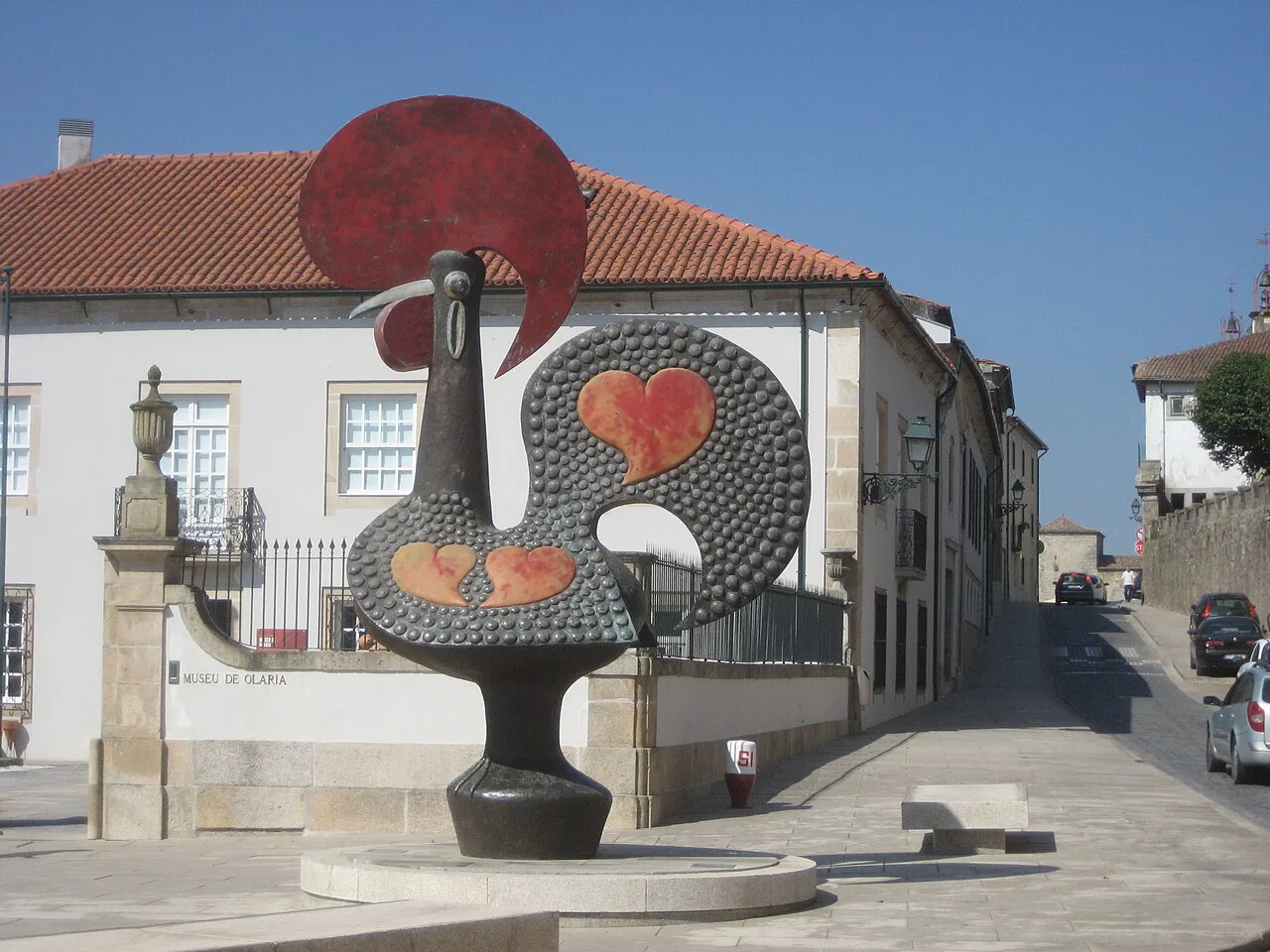
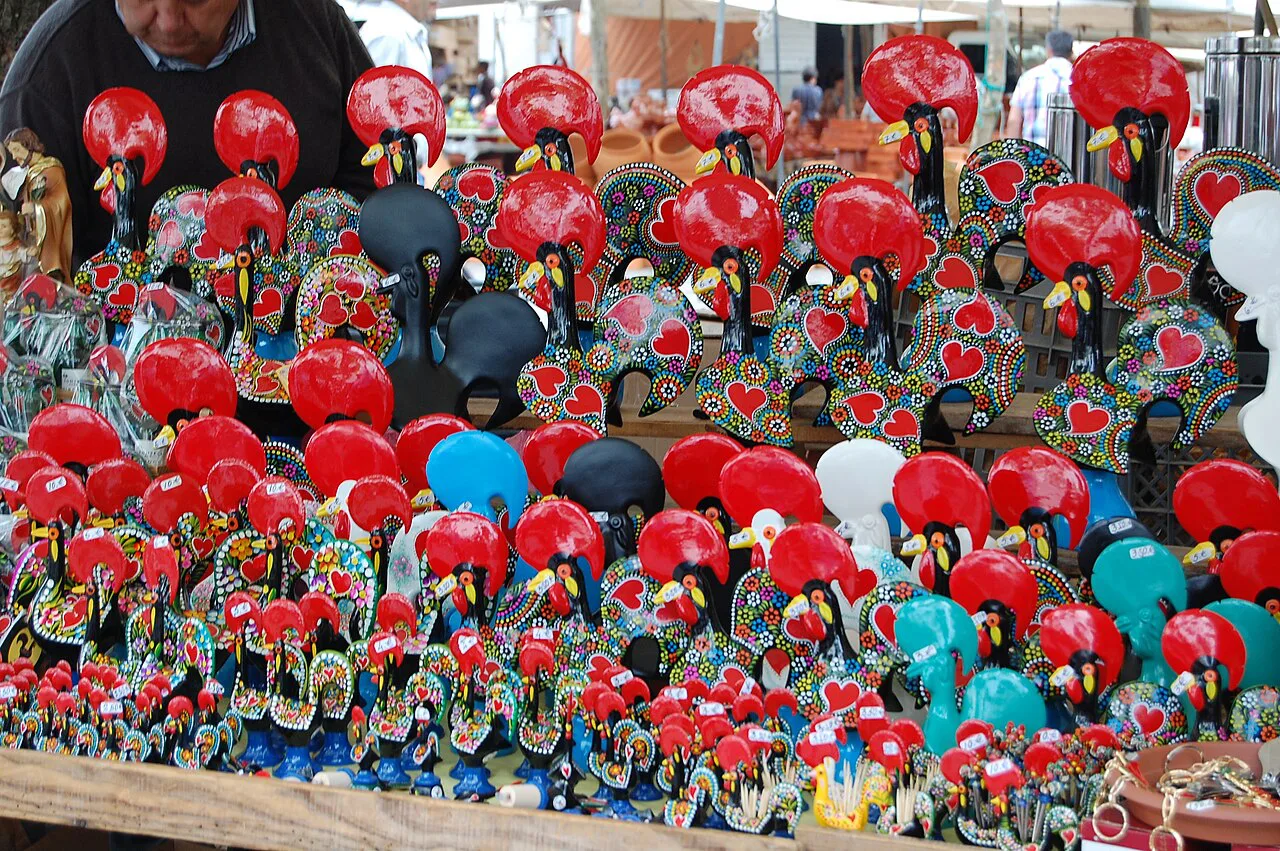
The Barcelos rooster is Portugal's national symbol of good luck, and the version worth buying is painted ceramic or wood rather than moulded plastic. Look for hand-painted detail in the comb, tail and base, and pick one with a solid feel rather than a hollow souvenir-shop shell. A medium rooster packs better than a huge one and reads as folk art rather than tat.
Small painted roosters in black and colour are common across Portuguese markets, so you can compare several before buying rather than taking the first you see. If you are buying for a child, the smaller painted versions are the safer choice. Buy it early in the trip so it can be padded into the middle of your bag rather than crammed in at the end.
Food to take home: what survives a flight in hand luggage
Tinned fish, chocolate, soap and cork all travel well; olive oil, vinegar and wine do not belong in hand luggage unless you accept the liquid rules, and even then the weight adds up fast. Bacalhau, the salted cod, is the exception worth considering because it is dry and sturdy, but check the smell and wrapping before it goes into a shared case. Buy preserves in sealed tins or jars rather than fragile glass where you can.
Portuguese food shopping rewards a supermarket stop as much as a specialist shop, particularly for tinned goods and biscuits that cost little and are genuinely good. Leave the perishable pastries for eating on the trip and take home only what will survive a day of travel. A pastel de nata is a memory, not a souvenir.
How to choose when the suitcase is already half full
Prioritise cork, tinned fish and soap, which are unbreakable and light, then add one fragile piece you genuinely love: a single tile, a swallow or a small ceramic rooster. Wrap it in clothing, carry it in the middle of your bag, and accept that one good object beats six cheap ones.
If you are staying longer or visiting Porto, the painted panels at São Bento station and the carved stone of Manueline architecture show the traditions these souvenirs come from. Seeing them first makes the shopping sharper, because you know what good Portuguese workmanship looks like.
Frequently Asked Questions
What is Portugal famous for making?
Portugal is best known for azulejo tiles, cork goods, painted ceramics such as Bordallo Pinheiro, filigree jewellery, tinned fish and its heritage soap and chocolate brands. These are the products where craft and regional identity overlap, which is why they make better souvenirs than generic gifts.
What are some Portuguese traditions that shape the souvenirs?
Tile-painting, ceramics from Caldas da Rainha and Costa Nova, filigree from the Viana do Castelo area and the Barcelos rooster as a good-luck symbol are the traditions most visible to visitors. Tinned fish is a working food tradition rather than folklore, which is why conserveiras exist as shops rather than gift counters.
Sources
Notes for your next Portuguese break
Optional updates to our town guides.
You might also like


Continue reading
More guides you'll find useful