
Portuguese Pottery: Where to See and Buy It by Kilo
A practical guide to Portuguese pottery: why it is collectable, which towns and brands matter, and where to buy ceramics by the kilo at factory outlets.
On this page
Portuguese pottery is worth planning a short-break morning around because the country sells it two ways: finished, fixed-price pieces from named makers and boxed seconds tipped onto a scale and sold by weight. Most of the bargain shops stock factory surplus, so the real skill is telling a wobbly glaze from a crack. Part of a wider tradition that includes the azulejos Portugal is famous for, this guide covers the towns that matter, what each outlet charges per kilo and how to get a plate home intact.
What Portuguese pottery is and why it is collectable
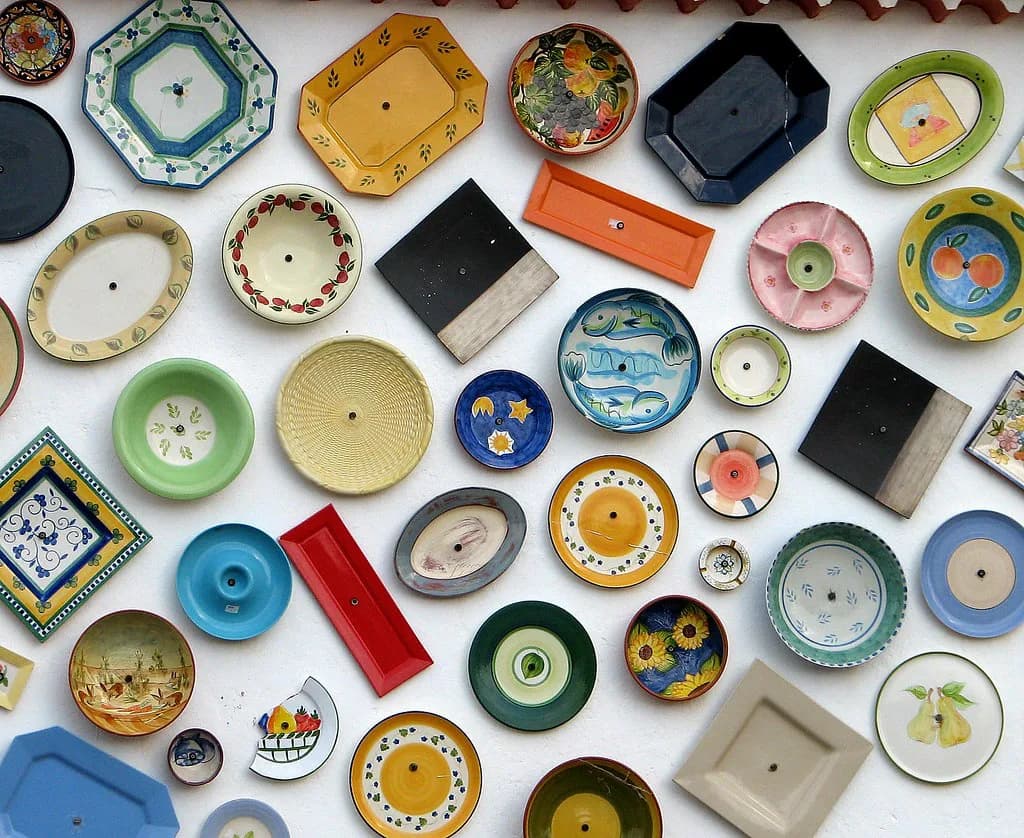
Portugal still produces ceramics at two very different scales. Small workshops throw and paint pieces by hand, while large factories turn out tableware in volumes big enough to supply restaurants and foreign brands, which is why local outlets exist at all. That mix means a traveller can pay a few euros for a factory dinner plate and rather more for a signed decorative piece in the same afternoon.
Pottery also overlaps with the tile tradition most visitors already come to see. If you want to understand how glazed ceramics moved from building facades onto tables, the story of Portuguese tiles is the natural companion read: the same kilns, pigments and coastal trade routes sit behind both.
Collectors tend to fix on a few names. Caldas da Rainha is the country's best-known ceramics city, and Duro Ceramics is a Portuguese manufacturer that began there and makes and hand-paints its pieces. The rooster-shaped Barcelos figure is the folk form most travellers recognise. Treat figurines and hand-painted tableware as decorative buys rather than everyday kitchen kit.
Pottery by the kilo: how cerâmica ao quilo works and what a low price per kg really buys
A number of Portuguese shops now sell ceramics by weight, known as cerâmica ao quilo or loiça ao peso, with prices quoted per kilogram rather than per plate. At the cheapest end this started at around €2.50 per kilogram at the time of writing, while a shop with proper dinner sets charges nearer €6 to €9 per kilo. The per-kilo model works because factories produce overruns and seconds that are expensive to grade and store individually.
Expect the stock to be seconds. Plates and bowls may have glaze that did not set perfectly, and some pieces carry structural damage, so slow down and handle each one rather than scooping by the armful. The per-kilo price applies mostly to plates and bowls; cups, mugs and unusual pieces such as lampshades and large pots are often priced individually instead.
Caldas da Rainha as Portugal's pottery town: Bordallo Pinheiro, Molde, Mercado da Loiça
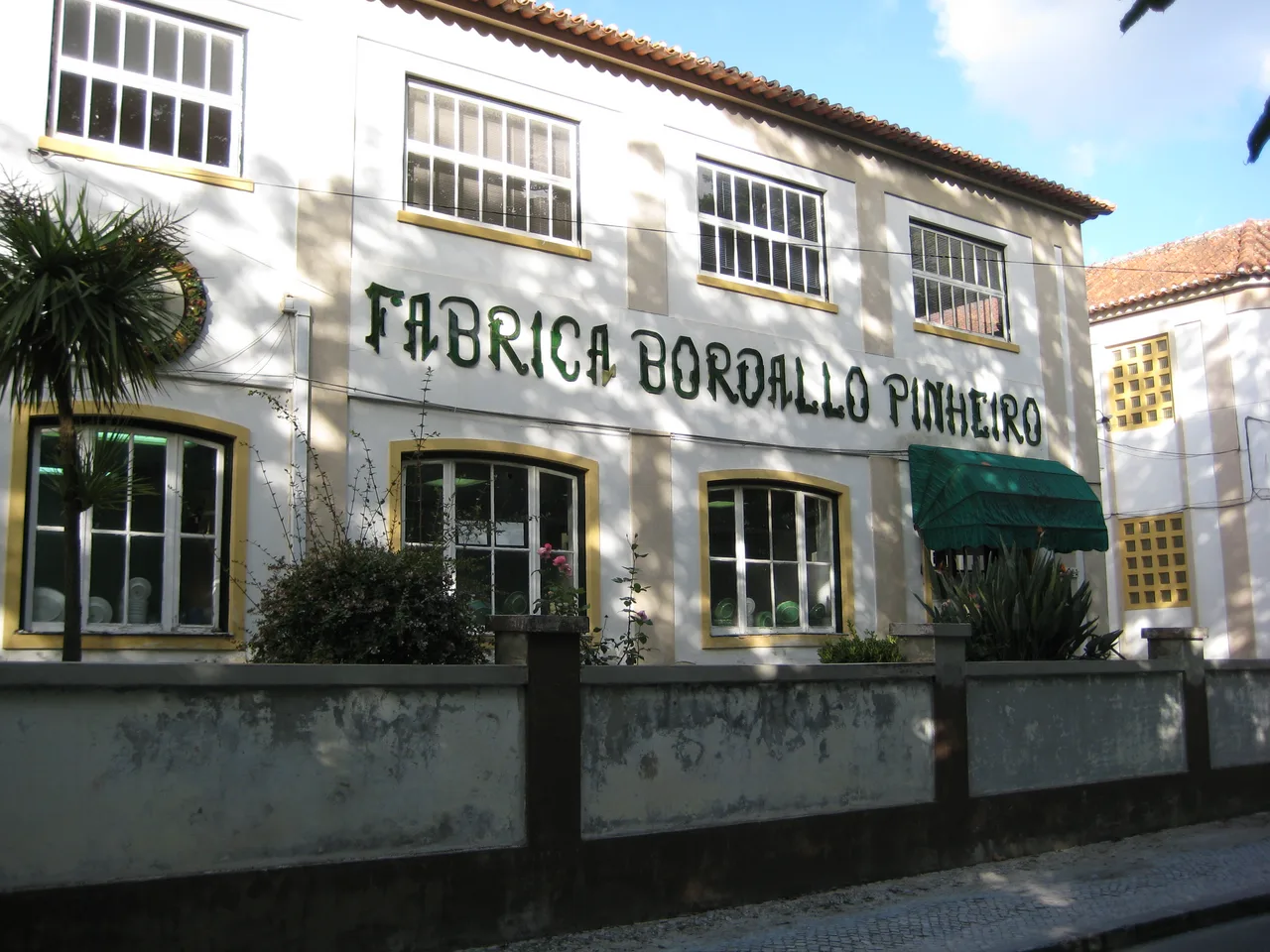
Caldas da Rainha, north of Lisbon, is the pottery town to build a short break around. It has a cluster of outlets within reach of each other: the Bordallo Pinheiro outlet, Molde Ceramics Outlet, and the Mercado da Loiça and Casa das Louças. Bordallo Pinheiro is the name most collectors already know, and the outlet is where surplus production turns up.
Two practical points shape the visit. Stock changes with whatever the factories have surplus of, so arrive without a shopping list in mind and judge the pieces in front of you. The outlet guide that lists these shops does not give opening hours, so check each shop's own listing before you travel rather than assuming an all-day schedule.
Aveiro and Costa Nova: the Costa Nova Factory Outlet and Vista Alegre
Aveiro gives you two reasons to shop in one place: the Costa Nova Factory Outlet, run by Grestel, and the Ria Ceramics Outlet and MESA Outlet nearby. Vista Alegre, Portugal's best-known porcelain house, also has an outlet presence in Aveiro alongside others in the country.
Costa Nova is also the name of the striped-house beach suburb outside Aveiro, so the outlet label and the resort share a name without being the same thing. Pairing the shops with the town's canals and tiled facades makes for a full day without turning it into a pure retail trip.
Guimarães and Braga in the north: Pratos & Companhia and Clayo
In the north, Guimarães has Pratos & Companhia, while Braga has Clayo on the outskirts of the city at Sequeira. The source reports Clayo's by-kilo rate for plates and bowls, with some cups and breakfast bowls priced individually, and describes the range and quality there as high. Treat that as what that shop charged when the guide was written and confirm the current rate on site.
These are the outlets to slot into a northern itinerary rather than a dedicated trip. If you are already in Braga for the Bom Jesus do Monte or in Guimarães for the medieval centre, an outlet stop costs an hour, not a day. Budget for the fact that you are buying weight, and a stack of dinner plates gets heavy fast.
Alentejo clay and Redondo markets
The Alentejo works on a smaller scale than the coastal factories, and the outlet guide points to A Loiça do Manel in Redondo as well as pottery sold at regional markets. The attraction here is the market setting itself: rustic tableware and cooking pots that suit a kitchen already full of cataplana and terracotta.
Markets are the least predictable option, since a stall is only as good as the potter who turned up that week. They are also the friendliest for asking about how a piece was made, which makes Redondo a sensible stop if Évora is already on your route. Build it into a morning rather than making it the whole purpose of the journey.
Second, overproduction and structural defects: what to inspect before you pay
Work through a short checklist before any piece reaches the scale. Turn the plate over and look for hairline cracks running from the rim, run a thumb across chips on the foot ring, and check that handles and spouts are firmly attached rather than filled with glaze. Glaze imperfections are cosmetic; cracks and loose joins are not.
Because most bargain stock is seconds, decide in advance what you will accept. A slightly uneven rim on a serving dish is fine; a crack through the bowl will fail in a suitcase. Ask at the counter whether an item can be wrapped for travel, and if the shop cannot help, plan to pack it yourself with clothing as padding.
Buying pottery as a gift in a short break: weight, packing and hand luggage
The classic mistake is buying a dinner service on the last morning. Ceramics by weight are heavy, and airline cabin limits are tight, so weigh your haul before you commit and consider posting a parcel home instead of carrying it.
For smaller souvenirs, a single tile or a small dish travels better than a stack of plates. If you are building a theme, glazed tile pieces sit well alongside azulejos and are cheaper to wrap. Broader suggestions for gifts sit in this guide to Portuguese souvenirs, which covers what is worth the luggage space.
If tiles are your main interest, the national collection is worth an hour before you shop. The Museu Nacional do Azulejo in Lisbon is the reference collection for the country, and seeing the real thing makes it easier to judge quality on a market stall.
Which pottery town fits your trip
For a dedicated pottery stop, Caldas da Rainha offers the deepest cluster of shops, while Aveiro pairs outlets with a town worth walking. Braga and Guimarães suit travellers already heading north, and the Alentejo markets reward anyone passing Évora.
Whichever you choose, go with a rough budget and a tape measure in mind: weight limits, not prices, usually decide what comes home. Check the shop's own listing for current hours before setting out, and treat quoted per-kilo figures as a guide rather than a fixed rate.
Explore more Portugal guides
Sources
Notes for your next Portuguese break
Optional updates to our town guides.
You might also like



Continue reading
More guides you'll find useful




