
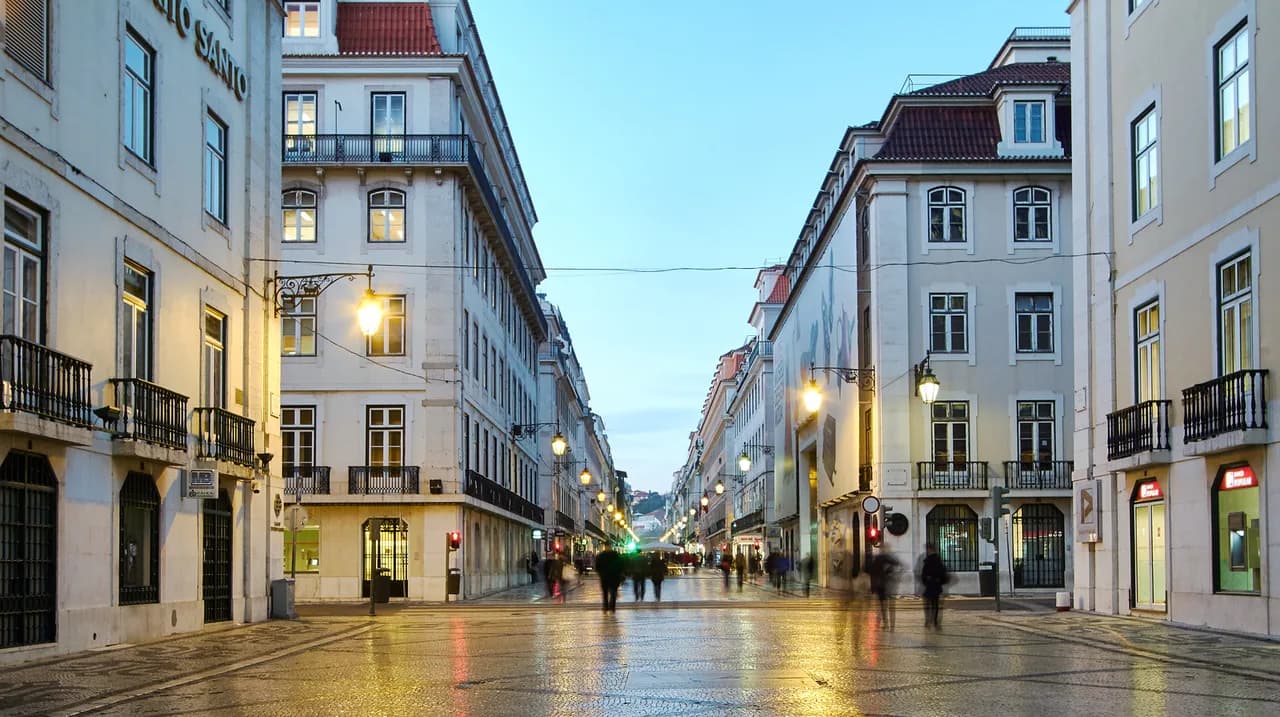
2 Weeks in Portugal: A Practical 14-Day Route Beyond Lisbon and Porto
Plan two weeks in Portugal with a realistic 14-day route, days per stop, opening-day pitfalls and honest trade-offs on travel time between bases.
On this page
Two weeks in Portugal gives you four or five bases, not eight. Fourteen days sounds generous until you count the half-days that vanish into checking out, driving and checking in, so the plan below assigns each stop a block of nights and lets you shift days between them. Lisbon and Porto bookend the trip as arrival and departure hubs, with Coimbra, Alcobaça and Évora carrying the middle.
What follows is a route, not a day-by-day checklist: how many days each base deserves, what you actually see there, which sights need booking, and where the itinerary gets tight. The honest version of a two-week trip drops something, and the closing section names what to cut first.
How many days to give Lisbon and Porto
Give Lisbon and Porto two nights each at the very least, and treat them as the two anchors of the route rather than as sights to tick off. Lisbon sits in the centre of the country's rail spine, so it works as the first base after landing, and Porto closes the loop in the north. Anything less than two nights in either city means you spend the stay commuting rather than walking it.
Because this guide concentrates on the towns in between, keep the big-city days simple: one long walk through the old centre, one museum, one evening out. The temptation is to front-load Lisbon and arrive in Coimbra exhausted, which is exactly what a fourteen-day trip cannot afford.
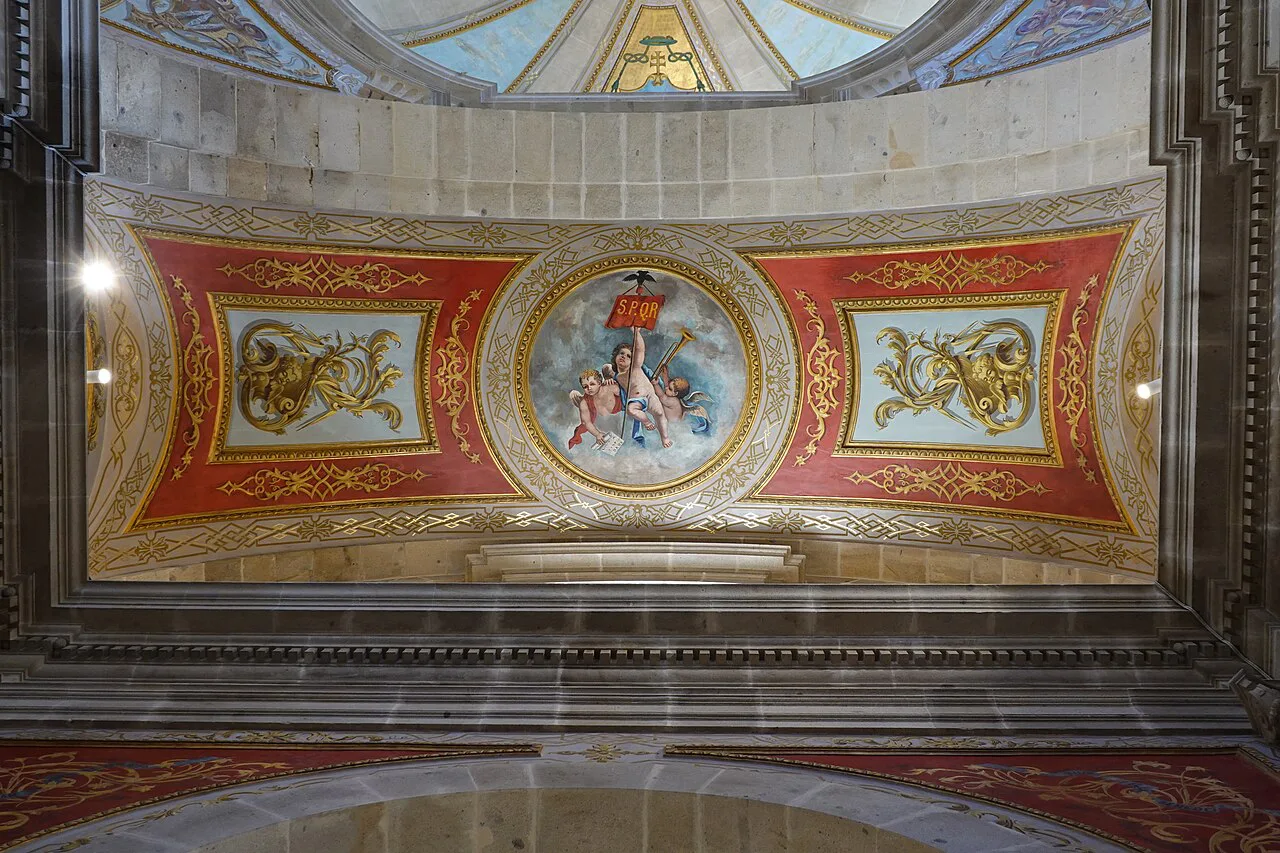
Stop 2: Coimbra and the Universidade de Coimbra
Coimbra deserves two nights, and the old university quarter is the reason. The university sits on the hill above the old town, and its historic buildings are visited as a set rather than as a free-flowing campus, so build the morning around a booked slot rather than turning up mid-afternoon. The Biblioteca Joanina, the baroque library inside the complex, is the part most visitors come for and the part most likely to be sold out on the day.
Below the university, the old town runs down to the Mondego in a tangle of stepped streets, and the second day is best spent simply walking it: the Sé Velha, the riverside and a long lunch. Two nights here also break the long haul between Lisbon and the north, which is the practical argument for stopping at all.
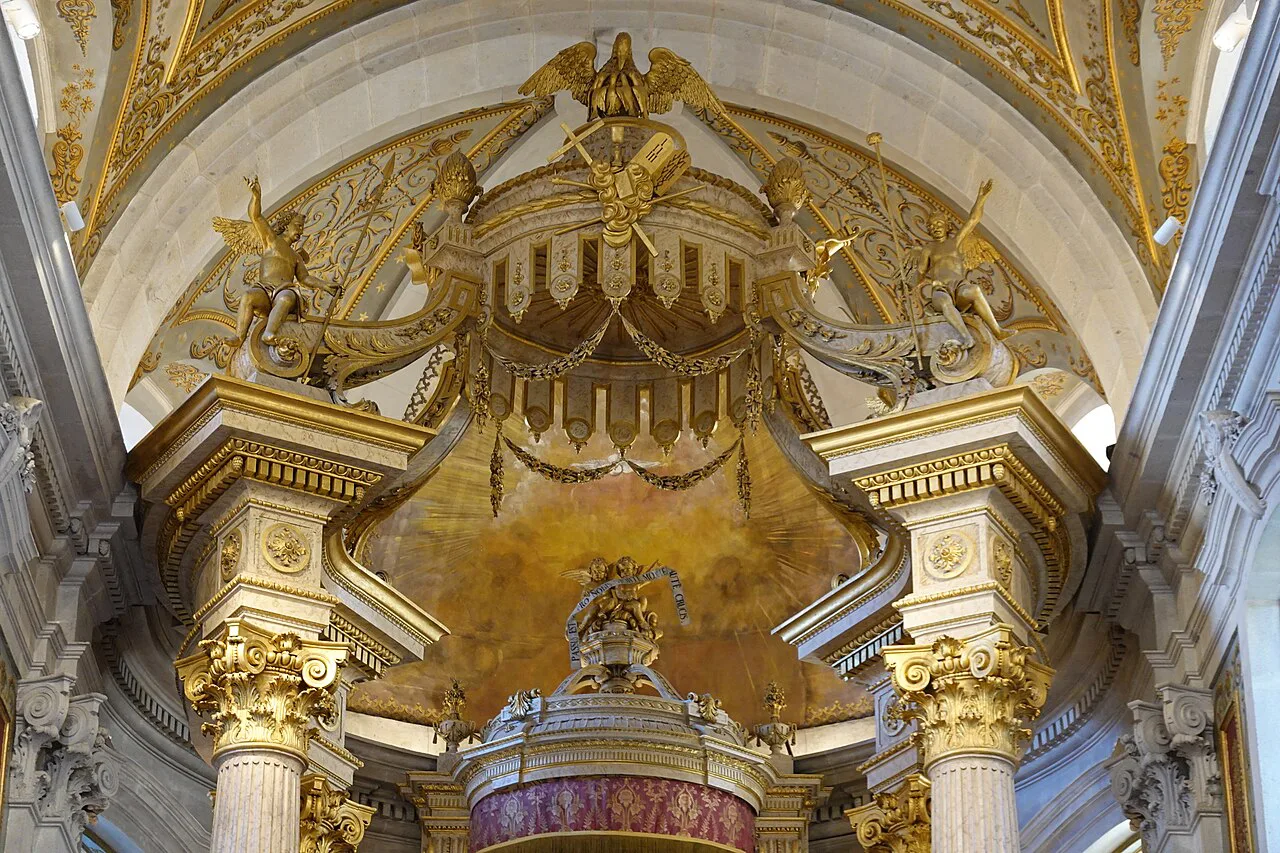
Stop 3: Alcobaça and the Mosteiro de Santa Maria de Alcobaça
Alcobaça earns one night and a full morning for the Mosteiro de Santa Maria de Alcobaça, a Cistercian foundation whose church was begun in 1178 and finished a century later. The interior is famously austere, with three naves built to the same height, and the monastery preserves the cloister, sacristy, chapter house, dormitory and refectory alongside later Baroque additions such as the Abbot's Palace and the Hall of Kings.
The tombs of King Pedro I and Inês de Castro are the emotional centre of the visit, carved in the fourteenth century and treated as masterpieces of European funerary sculpture, with the Last Judgement on hers and the Wheel of Life on his. Do not rush past the kitchen either: built between 1720 and 1752, it has a 26-metre chimney and tiled walls, and a channel of drinking water from the Chiqueda spring still runs its length.
Opening times change with the season, so confirm the day and the last entry before you commit a morning to it. The monastery publishes seasonal hours, with an earlier close in the winter months and a later one from April, and the last entrance falls before closing time.
Almourol Castle and Tomar: the Templar pair
Treat Almourol and Tomar as one block of two nights rather than two separate outings. Almourol Castle sits on a small rocky island in the middle of the Tagus, rebuilt under the Knights Templar and carrying a foundation date of 1171 on its main door, and you reach it by boat from Tancos. Boats run on a daily schedule with a midday gap, and the afternoon window is longer between March and October than in winter.
Build the day around that boat timetable: cross in the morning, climb the island, then drive to Tomar for the afternoon. The pairing works because the two sites tell one story, the military order and its later headquarters, and splitting them across two days leaves you with a lot of driving and little else.
Nazaré and the Silver Coast
Nazaré is the natural coastal pause in the middle of the route, one or two nights between Alcobaça and the Alentejo. It is a working fishing town with a long seafront and a clifftop above it, and the appeal is the change of pace rather than a checklist of monuments. One night is enough if you are tight on time; two lets you keep a day free for weather that does not cooperate.
The Silver Coast as a whole is where this itinerary breathes. After three inland stops in a row, a morning of doing very little on the seafront resets the trip, and the drive south from here towards Lisbon is straightforward.
Évora and the Alentejo: walls, the Sé and the Capela dos Ossos
Évora needs two nights, and the walled centre is small enough to cross on foot in a morning. The cathedral and the old streets inside the walls set the pace: walk the centre, stop for coffee, and let the afternoon drift rather than chasing a checklist.
Évora is also the stop that most rewards a slow afternoon: a long lunch, a viewpoint at sunset and no plan beyond that. After the coast and the inland monasteries, the town's pace suits a two-night stay better than a rushed one.
Piódão and the schist villages: what the detour costs
Piódão is beautiful and it is not on the way to anywhere. The village climbs the ledges of the Serra do Açor in schist and slate, its streets connected by stairs, and centuries of difficult access are exactly what preserved that medieval feel. Visiting means committing to a mountain detour of at least a day, and often a night, that you then cannot spend in the Algarve.
If you go, see the architectural ensemble itself, the matriz church, the São Pedro chapel and the Piódão museum, and taste the local chestnut liqueur or honey spirits before you leave. The wider network of historical villages, including Almeida, Belmonte, Castelo Novo, Castelo Rodrigo, Linhares da Beira and Marialva, will absorb as many days as you give it, so pick one or two rather than attempting the set.
How to sequence the route without doubling back
Run the route in one direction: Lisbon, Coimbra, Alcobaça, Tomar, Nazaré, Évora, then Porto or back to Lisbon for the flight home. The inland stops sit in a rough line north and east of Lisbon, and the Alentejo sits south, so the only real decision is whether you finish in Porto or return south. Finishing in Porto saves a long return drive; returning to Lisbon is simpler if your flight is already booked there.
If fourteen days feels too tight for all of it, shave it to ten by cutting either the Serra do Açor detour or the Algarve, not by trimming a night from every stop. Fewer bases with more nights each is the single change that makes the biggest difference to how the trip feels.
Opening days: how closures reshape the plan
Opening days, not travel time, are what usually break a two-week itinerary. The monastery at Alcobaça keeps seasonal hours, with the last entrance before closing, and Almourol's boat from Tancos runs to a daily timetable with a break in the middle of the day. Anchor each stop to the published schedule first and arrange the driving around it.
In practice this means checking the two or three sights you care most about before you book accommodation, not after. A monastery morning that turns into a closed door costs you half a day you cannot get back, and a boat timetable that does not fit your arrival costs you another.
Getting between stops by train or car
The Lisbon to Coimbra and Lisbon to Porto legs work well by train, and the cities at either end are easier without a car. The central-Portugal block is the problem: Alcobaça, Tomar and the Almourol boat at Tancos are awkward to string together by public transport, and the schist villages essentially require a car.
A workable compromise is train between the big cities and a car hired for the middle section, collected and returned where it suits the route. That keeps the mountain and monastery days flexible without paying for parking in Lisbon or Porto.
What two weeks in Portugal costs in euros
Admission charges are not published on the tourism pages used here, which give opening hours rather than ticket prices, so check the official ticket pages for the sights you plan to enter before you commit. The paying sights worth building a day around are the Mosteiro de Santa Maria de Alcobaça and the university complex in Coimbra including the Biblioteca Joanina; elsewhere the costs are small and local.
Everything else is small money spread thin: coffees, a boat crossing, a museum entry, parking. The larger cost is time, which is why the route keeps bases few and the driving days short.
Filling the days: markets, miradouros and long lunches
A two-week trip does not need fourteen full days of sightseeing, and the best days on this route are half-planned. A market in the morning, a miradouro in the late afternoon and a long lunch in between is a legitimate way to spend a day in Coimbra, Évora or Nazaré. Portuguese restaurants commonly close one day a week, so ask at the door rather than assuming.
Pastelarias and tascas are where the everyday eating happens, and a cataplana or bacalhau lunch will take longer than you expect. Build that in rather than fighting it; the itinerary has room for it precisely because it is not a checklist.
What to drop when you only have fourteen days
Drop the Serra do Açor and Piódão first if time runs short, then trim the Algarve, and only then consider cutting a night from Coimbra or Évora. Keeping four or five bases with two or three nights each beats seeing eight towns from a car window, and it leaves the monasteries and the boat crossing room to happen at their own pace.
For a shorter version of the same shape, the 7-Day Portugal Itinerary condenses the spine of the route, and the wider Portugal Itinerary covers how the southern and northern halves fit together. Whichever version you take, settle the sight schedules before the accommodation and the trip will hold together.
Explore more Portugal guides
Frequently Asked Questions
Is two weeks in Portugal better by train or by car?
Use the train for Lisbon, Coimbra and Porto, where parking is a burden, and hire a car for the central block around Alcobaça, Tomar and Tancos. The schist villages in the Serra do Açor effectively require a car, so plan the hire around those days rather than for the whole fortnight.
How much does two weeks in Portugal cost?
There is no reliable single figure here, because admission charges differ by sight and by season. Build your budget from the official ticket pages of the places you plan to enter, such as the Mosteiro de Santa Maria de Alcobaça and the Almourol boat, and treat food, fuel and parking as the variable part you control day to day.
What is the prettiest town on this route?
Piódão is the most striking, with schist houses and slate roofs climbing the Serra do Açor, but the detour costs you at least a day. The monastery at Alcobaça and the walled centre of Évora are the stronger choices if you would rather not trade a coastal or Alentejo day for the mountain.
Sources
Notes for your next Portuguese break
Optional updates to our town guides.
You might also like



Continue reading
More guides you'll find useful




