Algarve Itinerary: A 3-Day Plan for Faro, Lagos and Silves
A three-day Algarve itinerary linking Faro, Carvoeiro, Lagos, Sagres and Silves, with what each day covers and whether you need a car.
On this page
Give the Algarve three full days and you can cover Faro's old town, the sea caves around Carvoeiro, Lagos and the far western edge at Sagres, with Silves folded in on the way back. Try to add Tavira in the east as well and you spend the trip driving rather than looking. This itinerary is built for a short break with a car, and it says plainly where the train and bus version gets harder.
The plan assumes you land at Faro Airport, which sits in the eastern half of the region and puts you roughly under an hour by car from Portimão, the natural central base for a western loop. If you are slotting these days into a longer tour of the country, see the wider Portugal itinerary for how the Algarve fits alongside Lisbon and the north.
How many days does the Algarve need?
Three days covers one half of the region well: Faro and the eastern old town on arrival, then the western coast from Carvoeiro to Sagres, with Silves on the return leg. Four days lets you slow the same route down, which matters because the boat trip to the Benagil caves, a proper look at Silves castle and a late afternoon at Sagres do not sit comfortably in one packed day.
A six-day version that adds Albufeira, Silves, Tavira and Faro shows what the extra time buys: each town gets a morning or afternoon rather than a rushed stop. If your trip is part of a longer tour, the 7 day Portugal itinerary is the better frame for deciding how much of the Algarve to keep.

Where to base yourself: Faro, Portimão or Lagos
Use Faro for your arrival night, because the airport is there and the old town rewards an evening walk. Then move west and base yourself in Portimão for the rest of the trip: it is the second-largest city in the region, has a train station and sits centrally between Carvoeiro, Ferragudo, Lagos and Silves. Lagos works as an alternative base with its own station and a livelier old town, but it adds driving time to the eastern and inland stops.
This is a transport and driving decision rather than a hotel recommendation. Portimão's position means you can reach Ferragudo in about ten minutes by car and Silves in a short evening drive, which keeps the days from turning into motorway slogs.
Do you need a car in the Algarve?
Rent a car. The public transport network across the region is thin, and the places this itinerary depends on — Algar Seco, Praia da Marinha, the chapel above Nossa Senhora da Rocha and Silves — are far easier to string together by road. Without a car you can take a bus from Faro Airport to Portimão and then mix taxis, buses and trains, but you will lose hours waiting and will likely drop one stop a day.
Portimão and Lagos both have train stations, so a rail-and-bus version of the trip is possible if you accept that the caves, the clifftop beaches and Silves become taxi trips or get cut. Check current timetables and fares with the operators before committing to that plan, since the useful question is not whether trains exist but whether they run when you need them.
Day 1: Faro's old town and harbour
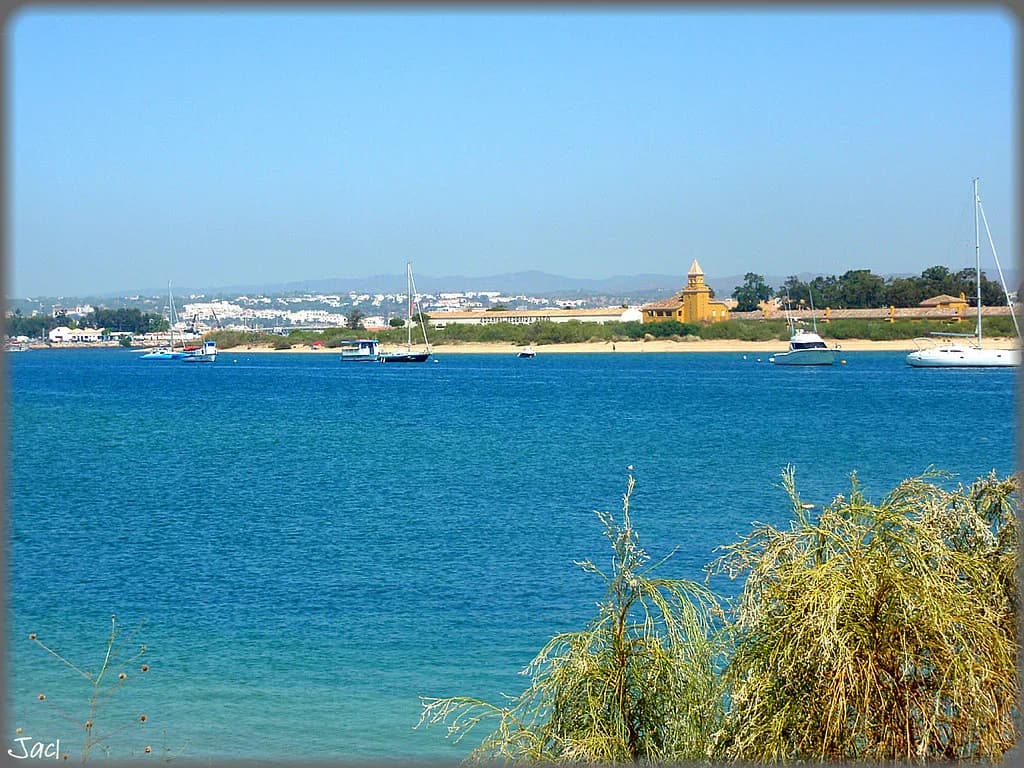
Start in Faro rather than treating it as a pure airport stop. The old town inside the walls gives you a compact hour or two of streets, a cathedral square and the harbour area, all walkable from the centre, which suits the first day of a short break when you are tired from travelling.
A walking tour of Faro is a reasonable way to spend the last morning of the trip before a flight, and it works equally well as an orientation on day one. If you are building a longer trip afterwards, the 2 weeks in Portugal covers how a short Algarve stop fits into a fuller national route.
Day 1 evening: eat in Faro or drive on to Portimão
Two sensible evenings. Stay in Faro, eat there and drive west the next morning refreshed; or push on to Portimão after dinner so that day two starts beside the coast you came for. The second option costs you an evening in Faro's old town but buys a full morning at Carvoeiro.
If you stay in Faro, À do Pinto is the kind of local restaurant this itinerary points you towards for an uncomplicated dinner. If you drive on, pick up frango assado — piri-piri chicken — for takeaway in Portimão and keep the first night simple. Wherever you eat along this stretch, our guide to Carvoeiro restaurants by area and budget helps you pick without guesswork.
Day 2: Carvoeiro, Algar Seco and the Benagil sea caves
Begin in Carvoeiro with breakfast at Pastelaria Fábrica, a plain traditional pastelaria rather than a styled café: order arrofada mista, fresh orange juice and a galão. Then walk down to Praia de Carvoeiro and book a boat departure to the Benagil caves directly from the beach, choosing an operator after checking reviews rather than taking the first tout you meet.
In peak season Benagil is heavily used by boats and it is worth booking ahead through a tour platform. Kayak and boat tours are the standard way in, and the figure quoted for these is less than $60 USD per person — a dollar figure as supplied, so treat it as a rough guide and confirm the euro price with the operator. Before or after the boat, climb the hill to the chapel above the beach and follow the boardwalk to Algar Seco, where a short descent leads to the little cave known as Boneca, named for the doll's face once read in the rock.
Day 2 afternoon: Praia da Marinha and Nossa Senhora da Rocha
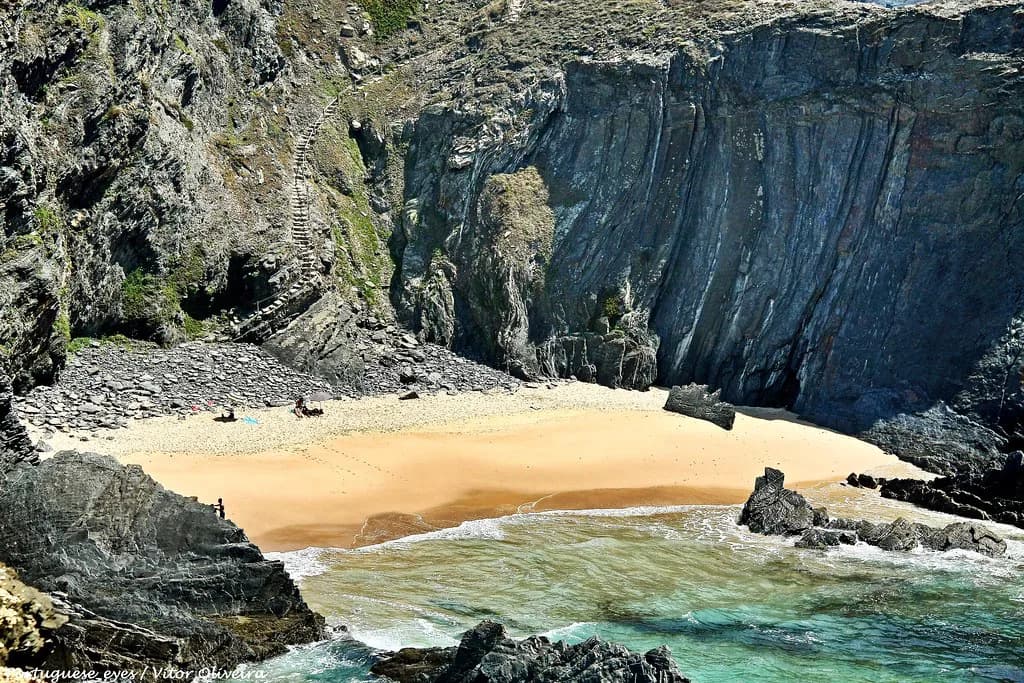
Drive the short distance to Praia da Marinha and look at it from above rather than committing the afternoon to the sand. Parking here is difficult in shoulder and high season, so arrive outside the middle of the day if you can, and treat the clifftop view as the point of the stop.
Continue to Praia de Nossa Senhora da Rocha for an hour or two and look into the chapel above the beach on the way back to the car. There is a long flight of stairs down to the sand, which rules it out for anyone with limited mobility. For lunch, O Ciclo in Lagoa serves traditional Algarve cooking with a menu that changes daily.
Day 2 evening: Silves castle or dinner in Portimão
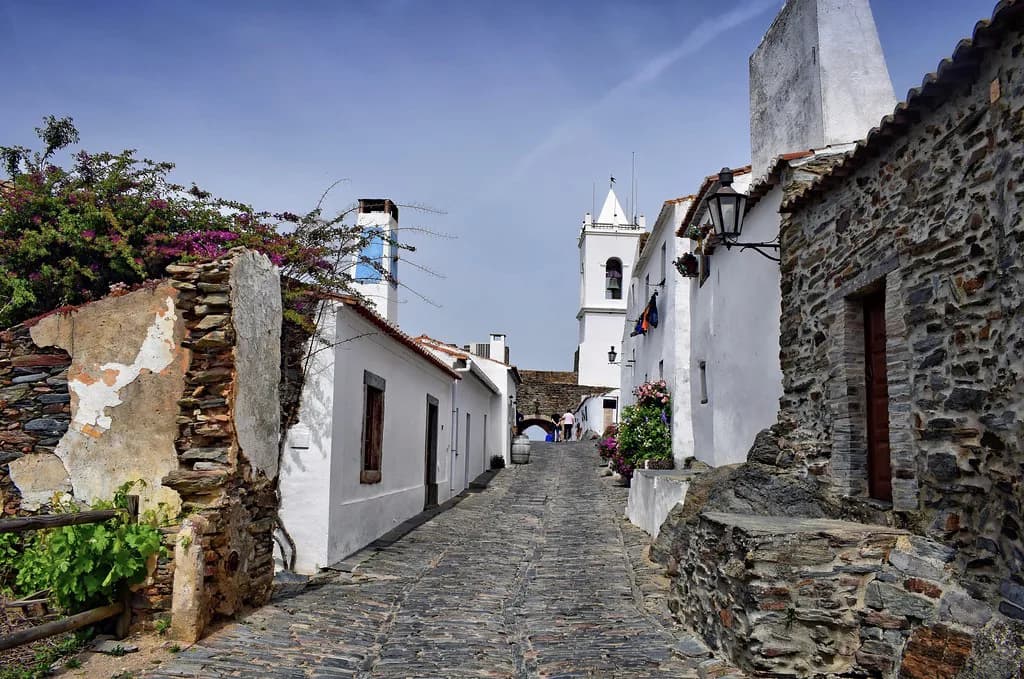
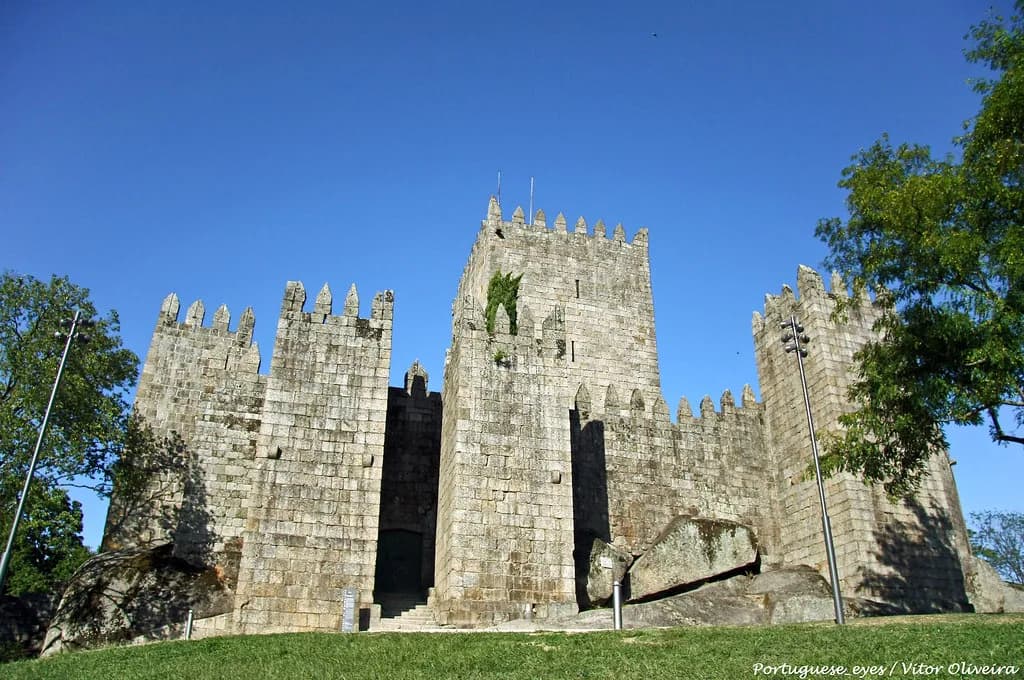
Silves is the reason this itinerary is not another beach list. The medieval town sits inland among citrus groves, and the castle and cobbled streets are best seen in the cooler early evening light, with sunset from the walls the reward for the detour. Choose the longer route from the coast and you pass orange and lemon trees most of the way.
Eat either in Silves, where Recanto do Mouros suits meat dishes, or drive back to Portimão. Staying for dinner in Silves means a later return but a proper evening in the town; going back keeps the next morning free for Lagos.
Day 3: Lagos old town, then Sagres and the western edge
Spend the morning in Lagos on foot: the old town streets, the waterfront and the marina give you two or three hours without a car. Mar d'Estórias is a good stop for a coffee or lunch with a view over the rooftops, and Casinha do Petisco is the pick for a sit-down seafood lunch if you want to eat before the drive west.
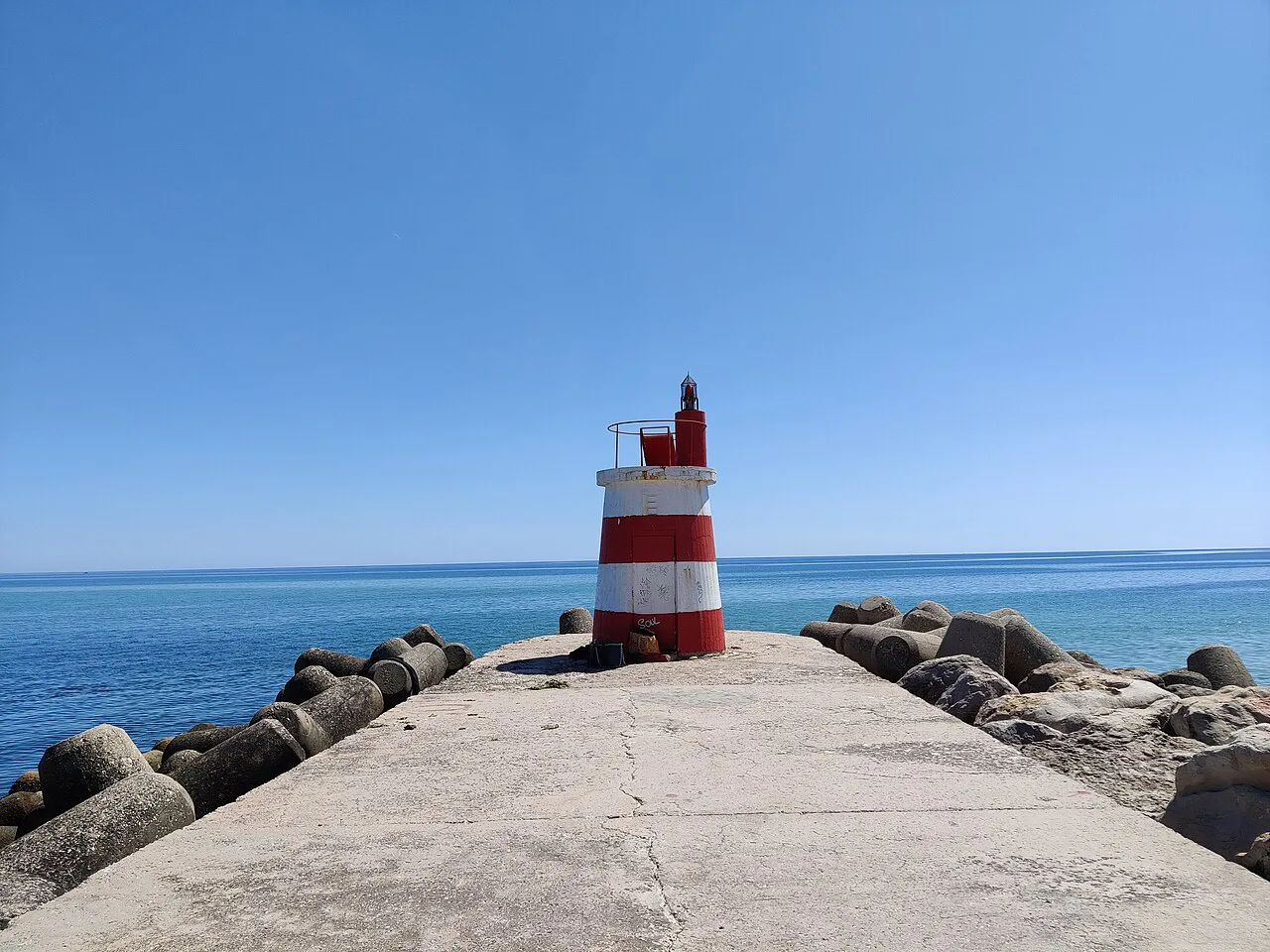
In the afternoon, drive out to Sagres and the far western coast, where the cliffs and near-empty beaches feel nothing like the resort strip. This is the wild end of the region and there is no entrance charge to walk it, but it is a long way from Faro, so it only works if your flight home is late or you are staying a fourth night.
Day 3 alternative: swap Sagres for Tavira
If your flight leaves from Faro in the afternoon, drop Sagres and finish in the east instead. Tavira gives you a calmer old town, a riverfront and a shorter run to the airport than the western coast — an honest trade of drama for convenience on a three-day trip.
Choose this version when the return flight is early or when you are travelling without a car, since the eastern towns sit closer together. Keep Sagres for a four-day trip or a return visit.
What a day costs in euros
The Portimão Museum, which tells the story of the town's fishing-can industry, is given as 2€ per person with about an hour needed for the visit. Confirm the current entry price at the desk before you go, as museum pricing is the sort of detail that changes with the season and should be checked rather than assumed.
The Benagil boat or kayak trip is the other paid item on the route, quoted at less than $60 USD per person as a guide rather than a fixed euro rate. Everything else in this plan — the Algar Seco boardwalk, the Marinha and Nossa Senhora da Rocha viewpoints, Silves' streets and the Sagres coastline — costs nothing to walk.
One museum visit, one boat trip and fuel are the whole budget. Setting aside the tour price, the rest of this route is built around free coastal and town wandering rather than paid attractions.
The trade-offs: fewer beaches, more driving
This plan deliberately spends its hours on towns, castles and clifftops rather than on sunbeds. If your idea of the Algarve is a base near the sand with everything within walking distance, pick one coastal town and stay there: the driving in this itinerary is real, and the reward is variety rather than relaxation.
In practice the route works because Portimão breaks the driving into short hops: Carvoeiro and Ferragudo are close, Silves is a short evening run inland, and only Sagres demands a long drive. If you are extending the trip to other regions afterwards, the 10 day Portugal itinerary shows where the Algarve sits in a longer route. For a completely different Portuguese break, the Madeira itinerary covers an island where the walking, not the driving, is the point.
Where to eat on the route
A short list to keep the days moving: Pastelaria Fábrica in Carvoeiro for breakfast, O Ciclo in Lagoa for lunch, Mar d'Estórias and Casinha do Petisco in Lagos, Recanto do Mouros in Silves and À do Pinto in Faro. In Portimão, the Mercado Municipal is where the local food tours begin, and its stalls are the place to see what the region actually cooks with.
Book nothing on the strength of a list like this alone: restaurant days off and kitchen hours vary, and the reliable move is to ask at your accommodation or check the door before you set out for dinner. That single habit saves more evenings than any app.
Is the western coast or the eastern towns the better finish?
Finish west at Sagres if you have a late flight or a fourth night, because the cliffs justify the drive and the coastline is the most memorable thing on the route. Finish east at Tavira if the flight is early or you are relying on trains and buses, since the shorter run to Faro Airport matters more than the drama.
Either way, treat Faro as a real stop rather than a transit hall, keep Portimão as the central base, and let Silves take an evening. Three days done that way gives you a picture of the Algarve that the beach resorts never show.
Explore more Portugal guides
Sources
Notes for your next Portuguese break
Optional updates to our town guides.
You might also like
Continue reading
More guides you'll find useful